The Croissant Necklace: A Beginner's Styling Guide
Discover everything about the croissant necklace trend. Learn how to choose the right gold vermeil, style it with layers, and maintain your Parisian pendant.

The "French Girl" aesthetic has dominated jewelry trends for years, but the croissant necklace elevates this style from simple minimalism to whimsical, personal expression. Whether you are drawn to its buttery gold hues or its playful nod to Parisian cafe culture, this pastry-inspired pendant is a staple in modern jewelry boxes. However, not all croissant necklaces are created equal. From the casting techniques used to capture the flaky dough texture to the specific micron thickness required for lasting gold vermeil, there is a lot to consider before you buy. This beginner-friendly explainer will break down everything you need to know about choosing, styling, and caring for your croissant necklace.
The Anatomy of a Perfect Croissant Pendant
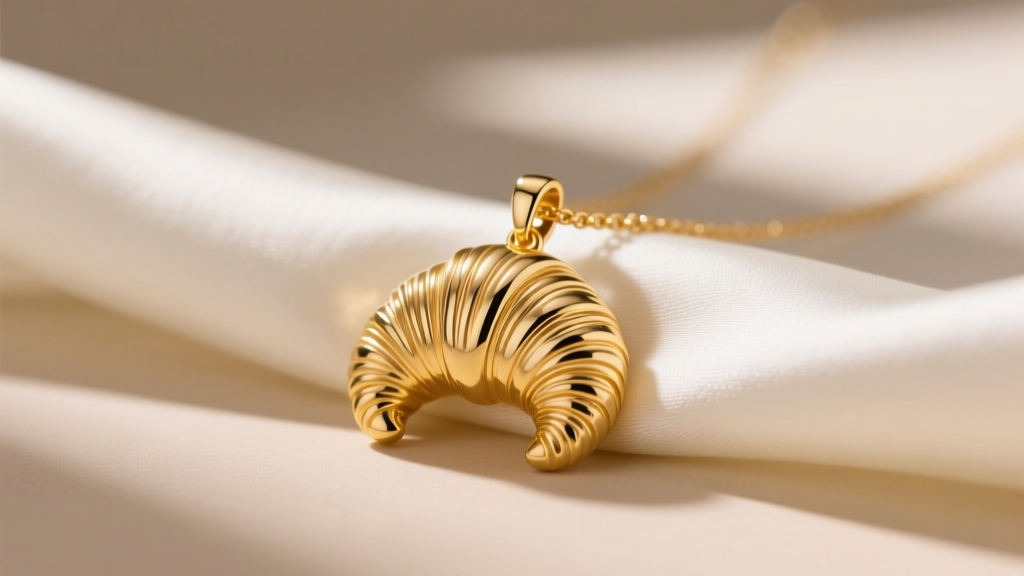
The charm of a croissant necklace lies entirely in its texture. A real croissant is defined by its crescent shape and the distinct, flaky ridges (or "scoring") on its surface. When translating this organic shape into metal, the manufacturing method dictates the quality of the final piece.
High-end jewelers utilize lost-wax casting or 3D modeling to create the pendant. This method allows for deep undercuts and sharp, realistic crevices that mimic the delicate, layered folds of actual pastry dough. On the other hand, mass-market, budget-friendly options often use hydraulic die-stamping. Because stamping presses a flat sheet of metal into a mold, it cannot create deep undercuts. The result is a puffy, balloon-like shape that lacks the signature flaky texture. When shopping, always look closely at the ridges; if they look shallow and smooth, the piece is likely stamped rather than cast.
Decoding Materials: Solid Gold vs. Vermeil vs. Plated
Because croissant pendants feature deep grooves and a high surface area, the metal you choose will drastically impact the necklace's lifespan. The warm, buttery tone of 18k gold is visually perfect for a pastry motif, but understanding the difference between solid gold and plated alternatives is crucial for your budget and skin sensitivity.
According to the Federal Trade Commission's Jewelry Guides, a piece can only be legally marketed as "vermeil" if it has a sterling silver base and a gold coating of at least 2.5 microns. Anything less is considered standard gold plating, which will quickly wear away in the deep crevices of a croissant design. Furthermore, the Gemological Institute of America (GIA) notes that 14k gold offers an ideal balance of durability and rich color, making it a preferred choice for everyday pendants that face friction against clothing.
| Material Type | Base Metal | Gold Thickness | Price Range | Durability & Best For |
|---|---|---|---|---|
| Flash Plated | Brass or Copper | < 0.175 microns | $15 - $35 | Low; tarnishes quickly and can turn skin green. Best for occasional costume wear. |
| Gold Vermeil | 925 Sterling Silver | 2.5+ microns | $45 - $120 | High; lasts years with proper care. Ideal for everyday gold lovers on a budget. |
| Solid 14k Gold | None (Solid Alloy) | N/A (Solid) | $250 - $600+ | Lifetime; waterproof and hypoallergenic. Best for an heirloom investment piece. |
Sizing and Chain Selection
Croissant pendants generally fall into two size categories, and your choice should depend on how you plan to wear it:
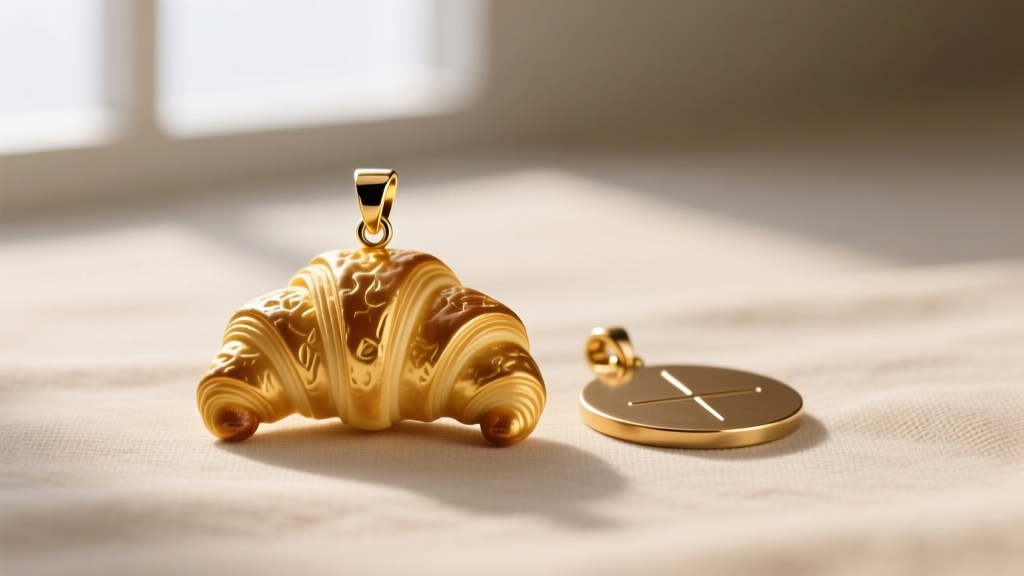
- Dainty (12mm - 15mm): This is the most versatile size. A 12mm croissant is lightweight and serves as the perfect anchor piece for a layered necklace stack. It pairs beautifully with a delicate 1mm to 1.5mm cable chain or a modern paperclip chain.
- Statement (20mm - 25mm): A larger, heavier pendant that acts as a standalone focal point. Because of the visual weight, pair this with a slightly thicker chain, such as a 2mm box chain or a rope chain, to ensure the necklace feels balanced and the clasp can support the pendant's weight.
How to Style: The French Girl Layering Method
The croissant necklace is inherently playful, making it an excellent candidate for the "curated but effortless" layering technique popularized by Parisian stylists. The key to a successful stack is varying the lengths, textures, and pendant shapes.
The 3-Piece Layering Formula
- The Base (14 - 15 inches): Start with a textured choker. A small freshwater pearl strand or a sleek 14-inch snake chain sits high on the collarbone and frames the face.
- The Anchor (16 - 18 inches): This is where your croissant pendant lives. Let it rest just below the collarbone. The curved, organic shape of the croissant contrasts beautifully with the rigid geometry of a pearl or snake chain.
- The Elongator (20 - 22 inches): Finish with a longer, minimalist piece to draw the eye downward. A simple gold bar pendant, a small coin necklace, or even a second, slightly smaller croissant on a longer chain completes the look without causing visual clutter.
Neckline Pairings
Because the croissant shape is a curved crescent, it mimics the lines of specific necklines. It looks exceptionally striking with V-necks and sweetheart necklines, as the pendant echoes the dip of the fabric. Avoid wearing a medium-length croissant necklace with high, ruffled collars, as the intricate ridges of the pendant will get lost in the fabric and may snag.

Care Instructions for Textured Pendants
The very texture that makes the croissant necklace beautiful also makes it a magnet for debris. The deep ridges and undercuts easily trap body oils, lotion, perfume, and sweat. Over time, this buildup can dull the gold and accelerate tarnishing, especially in the crevices where polishing cloths cannot reach.
The Deep-Clean Method: Once a month, mix a few drops of mild dish soap (like Dawn) into a bowl of warm water. Let the necklace soak for five minutes to loosen oils. Then, take a soft-bristled baby toothbrush and gently brush along the scoring of the croissant. The soft bristles will reach into the microscopic crevices without scratching the gold or stripping the vermeil. Rinse thoroughly with distilled water and pat dry with a microfiber cloth.
What to Avoid: Never use ultrasonic jewelry cleaners on gold vermeil croissant necklaces. The high-frequency vibrations can cause the micron-thin gold layer to peel or flake off, particularly if the plating has already been compromised by friction or chemicals. Additionally, always apply your perfumes and hairsprays before putting on your necklace to prevent alcohol-based degradation of the metal finish.
Final Thoughts
The croissant necklace is more than just a fleeting food-jewelry trend; it is a celebration of texture, warmth, and whimsical styling. By prioritizing lost-wax cast designs, investing in proper 2.5-micron vermeil or solid 14k gold, and utilizing strategic layering techniques, you can ensure your Parisian-inspired pendant remains a buttery, golden staple in your wardrobe for years to come.


