Troubleshooting Mothers Necklaces with Birthstones: Repair & Care
Discover how to fix common issues with mothers necklaces with birthstones, from broken chains and loose prongs to scratched gems and tarnished settings.

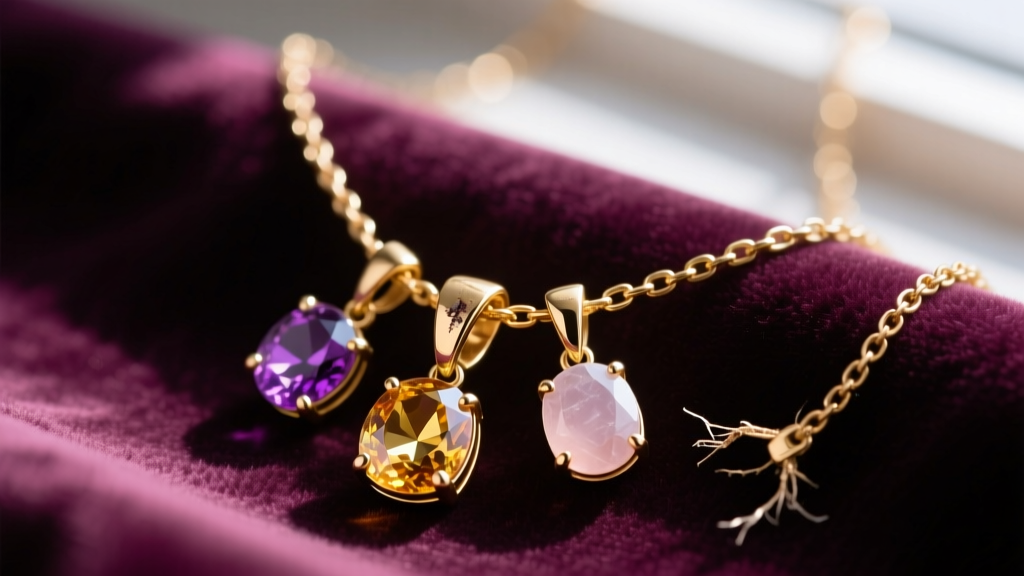
The Hidden Durability Flaws in Custom Birthstone Jewelry
Mothers necklaces with birthstones are deeply sentimental, symbolizing family bonds through carefully selected gemstones. However, from a structural engineering perspective, clustering multiple stones onto a single chain introduces unique kinetic and metallurgical vulnerabilities. Unlike a solitary pendant that swings freely, multi-stone mother's jewelry experiences constant micro-collisions, friction, and uneven weight distribution. By 2026, advancements in custom jewelry manufacturing have improved baseline quality, but many mass-market and even bespoke pieces still suffer from predictable failure modes. Understanding these structural flaws is the first step in troubleshooting and preserving your heirloom.
The most common complaints we see at the repair bench involve snapped chains, severely scratched softer gemstones, and prongs that catch on everyday clothing. When a necklace holds three to five stone pendants, the cumulative weight and drag can easily exceed the tensile strength of standard chain links. Furthermore, combining stones of varying hardness on a single soldered bar creates a destructive environment for the softer gems. Below, we break down the exact mechanical failures of mothers necklaces with birthstones and provide actionable, expert-level solutions to fix them.
Troubleshooting Chain Breakage and Clasp Failures
A frequent point of failure in mothers necklaces with birthstones is the chain snapping near the clasp or at the jump ring connecting the pendants. This is almost always a gauge-to-weight mismatch. A standard 5mm round birthstone set in a sterling silver or 14k gold bezel weighs approximately 2.5 to 3 grams. When you multiply this by three or four children, plus the weight of the connecting bar or individual jump rings, the total pendant assembly can easily reach 12 to 18 grams.
Matching Chain Gauge to Pendant Weight
Many retailers pair these heavy multi-stone pendants with delicate 0.8mm cable or rope chains to maintain a dainty aesthetic. This is a critical error. A 0.8mm chain typically has a break strength of under 5 pounds, which degrades rapidly with daily wear, sweat, and accidental snags. To properly support a multi-stone mother's pendant, you must upgrade the chain gauge and profile.
- 1.2mm Box Chains: Offer excellent tensile strength and a smooth surface that resists tangling. Ideal for pendants weighing up to 15 grams.
- 1.5mm Wheat Chains: The woven structure provides superior flexibility and can support up to 25 grams, making it the best choice for necklaces with four or more heavy gemstones.
- Clasp Upgrades: Replace standard 5mm spring ring clasps with a 9mm or 11mm lobster clasp. Spring rings rely on a tiny internal spring that frequently fails under the continuous drag of a heavy pendant.
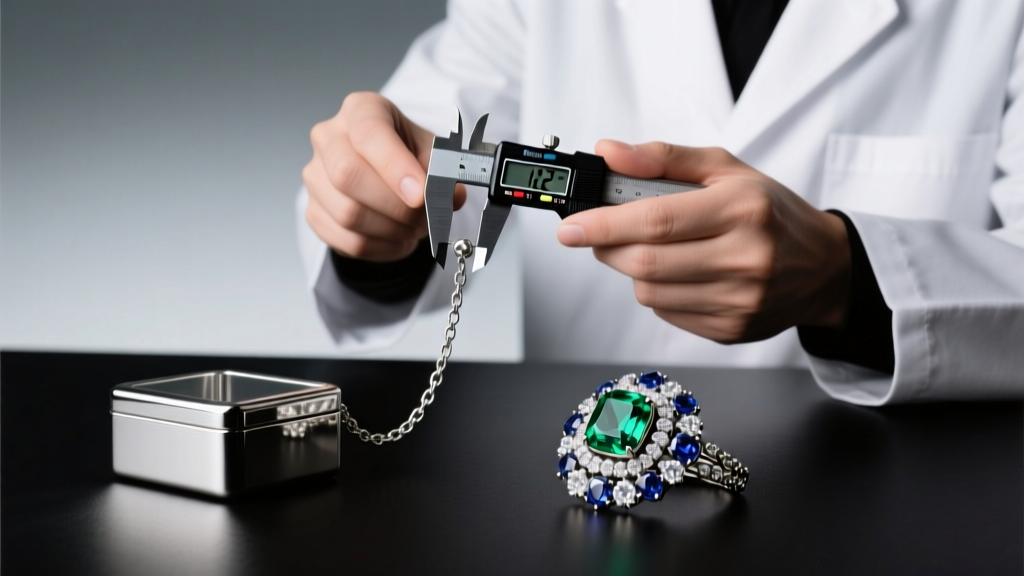
If your chain has already stretched or snapped, a professional jeweler can replace the entire chain while retaining your custom pendants. Expect to pay between $45 and $120 for a high-quality 14k gold replacement chain, depending on the length and gauge.
Solving Gemstone Scratching and Hardness Mismatches
One of the most devastating issues with mothers necklaces with birthstones is the accidental destruction of softer gems by harder ones. When multiple pendants slide together on a single chain or are soldered side-by-side on a horizontal bar, they rub against each other. If one child's birthstone is a sapphire (Mohs 9) and another is an opal (Mohs 5.5), the sapphire will act like sandpaper, gradually grinding micro-scratches into the opal's surface.
| Common Birthstone | Mohs Hardness | Durability Risk & Troubleshooting |
|---|---|---|
| Diamond (April) | 10 | Will scratch all other stones. Must be isolated with spacing beads. |
| Sapphire / Ruby (Sept/July) | 9 | Highly durable, but poses a severe scratching threat to softer adjacent gems. |
| Amethyst / Citrine (Feb/Nov) | 7 | Moderate durability. Susceptible to scratching from topaz, sapphire, or diamond. |
| Opal (October) | 5.5 - 6.5 | Extremely fragile. Requires bezel settings and strict isolation from harder stones. |
| Pearl (June) | 2.5 - 4.5 | Organic and easily ablated. Never place on the same chain segment as faceted gems. |
The Fix: If your stones are on a single chain, introduce 3mm to 5mm silicone or gold spacing beads between the jump rings to prevent the pendants from sliding into one another. If the stones are soldered onto a fixed horizontal bar, consult a master jeweler about adding tiny gold separation beads between the settings, or consider having the stones reset onto individual, staggered chains to eliminate lateral friction entirely. For authoritative guidance on gem-specific care, always refer to the Gemological Institute of America (GIA) care manuals.
Fixing Snagging Prongs and Bezel Setting Upgrades
Mothers necklaces with birthstones often feature multiple small stones, which traditionally means multiple sets of tiny prongs. A necklace with four children's birthstones might have 16 to 24 individual prongs. This creates a high probability of snagging on knitwear, lace, or hair, which inevitably bends the prongs and loosens the stones.
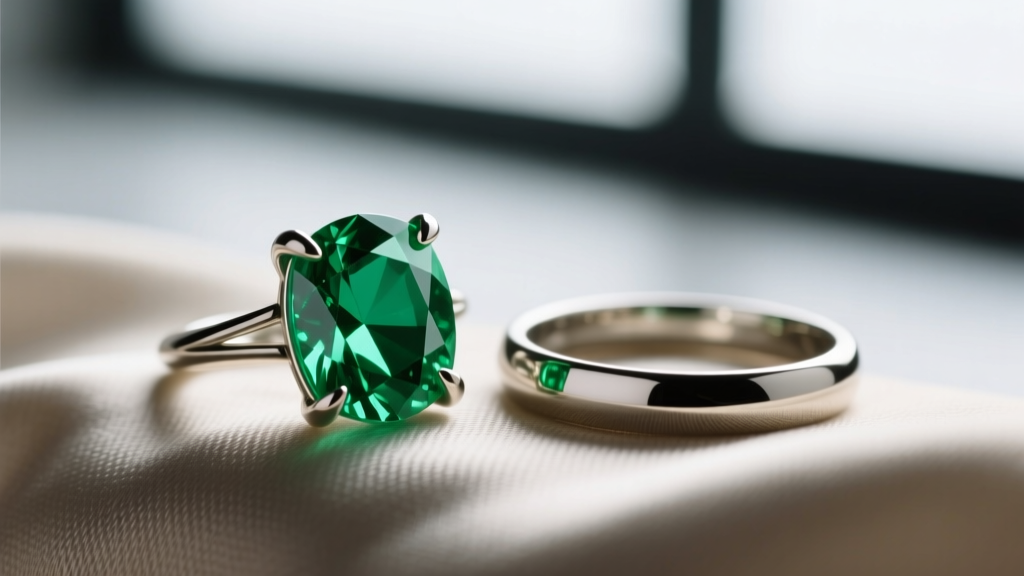
Troubleshooting Snagging: If your prongs are continuously catching, the most permanent solution is to have the stones re-set into bezel settings. A bezel setting uses a continuous rim of metal pushed entirely around the girdle of the gemstone. This eliminates all protruding prongs, creating a smooth profile that glides over fabrics. While bezel rolling requires a skilled bench jeweler and can cost between $30 and $60 per stone, it drastically reduces the risk of losing a precious birthstone and eliminates daily frustration.
If you must keep the prong settings, ask your jeweler to perform a 'prong re-tipping and polishing' service. They will use a burr to round off the sharp edges of the prong tips and laser-weld additional metal to any worn-down prongs, ensuring a secure, snag-free hold.
The 'Growing Family' Dilemma: Redesigning and Soldering
A unique problem specific to mothers necklaces with birthstones is the need to add a new stone when the family grows. Adding a new pendant to an existing soldered bar or chain is not as simple as just attaching a new jump ring. Traditional torch soldering requires heating the metal to over 1,200°F. This extreme heat causes 'thermal shock' and can easily shatter heat-sensitive stones like opals, tanzanite, or emeralds (which are typically treated with heat-sensitive oils and resins).
The Expert Solution: Insist that your jeweler uses laser welding to attach the new birthstone's jump ring or to extend the connecting bar. Laser welding uses highly focused, localized light energy to fuse metal in a fraction of a second. The heat does not travel through the metal, meaning the existing birthstones remain completely cool and unharmed during the modification process. According to repair standards outlined by Jewelers of America, laser welding is the benchmark for repairing and modifying multi-gemstone assemblies without risking stone damage.
Expert Maintenance Checklist
To prevent catastrophic failures and keep your mothers necklaces with birthstones looking pristine, implement this bi-annual maintenance routine:
- The Paper Test: Gently run the necklace over a piece of tissue paper. If the prongs or jump rings catch or tear the paper, they need immediate professional filing and polishing.
- Jump Ring Inspection: Examine the split in every jump ring. If the gap has widened beyond 0.5mm, the ring must be squeezed shut with chain-nose pliers or, ideally, soldered closed to prevent the pendant from slipping off.
- Ultrasonic Warning: Never clean a multi-stone mother's necklace in an ultrasonic cleaner unless you are 100% certain none of the stones are emerald, opal, pearl, or turquoise. The high-frequency vibrations can shatter included stones and strip protective oil treatments. Stick to warm water, mild dish soap, and a soft baby hairbrush for safe home cleaning.
By addressing these structural vulnerabilities proactively, you ensure that your sentimental jewelry remains a durable, wearable heirloom rather than a fragile keepsake confined to a jewelry box.


