Prada Heart Necklace Troubleshooting: Fix Tarnish & Clasp Issues
Expert troubleshooting guide for your Prada heart necklace. Learn how to fix tarnished silver, stiff clasps, and verify authenticity hallmarks.

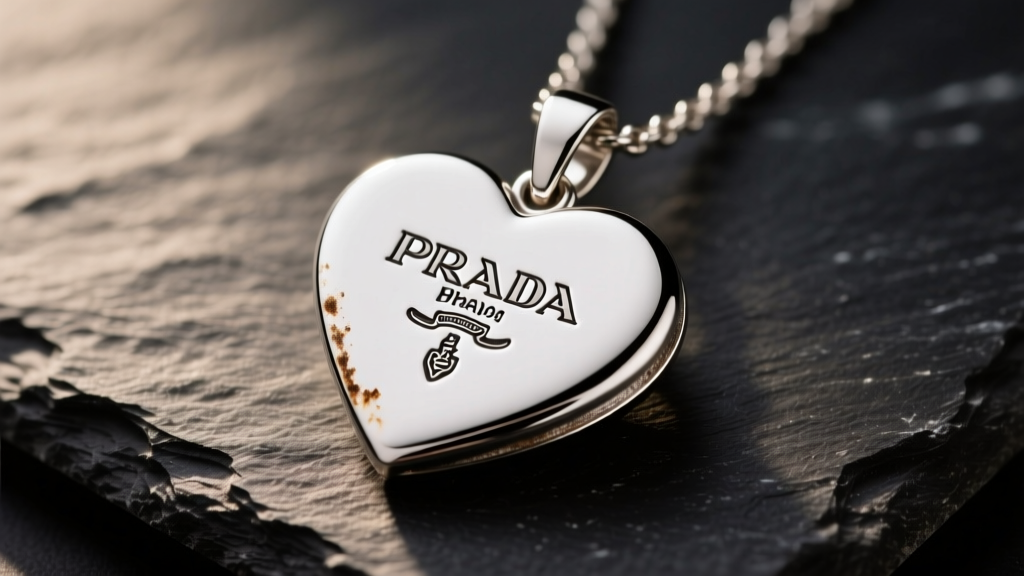
The Prada heart necklace—most notably from the Symbole and Triangle collections—remains a cornerstone of modern luxury jewelry. However, the intersection of high-fashion design and daily wear inevitably leads to maintenance challenges. Whether you are dealing with accelerated silver oxidation, a jammed lobster clasp, or the growing anxiety of verifying a secondary-market purchase, resolving these issues requires a precise understanding of the materials and mechanics involved.
In this comprehensive troubleshooting guide, we bypass generic jewelry advice and dive deep into the specific metallurgical and mechanical realities of Prada's heart pendants. As we navigate the luxury resale market in 2026, knowing how to properly maintain and authenticate your piece is no longer optional; it is essential for preserving both its aesthetic integrity and its financial value.
Identifying Your Necklace Material Composition
Before applying any cleaning solution or mechanical fix, you must accurately identify the material composition of your specific Prada heart necklace. Prada primarily utilizes three distinct material profiles for their heart motifs:
- 925 Sterling Silver: The most common base for the Symbole heart collection. It consists of 92.5% pure silver and 7.5% alloy metals (usually copper). This copper content is the primary culprit behind tarnishing.
- Gold-Tone Brass: Often used in seasonal or fashion-forward collections, this involves a brass base plated with a thin layer of gold. It is highly susceptible to plating wear and should never be polished aggressively.
- Cold Enamel Inlays: Many Prada heart pendants feature black, red, or white enamel detailing. This is typically an epoxy-based resin rather than vitreous (glass) enamel, making it highly sensitive to heat and harsh solvents.
Troubleshooting Tarnish and Enamel Clouding
Silver tarnish is not dirt; it is a chemical reaction. When the copper in your 925 sterling silver Prada heart necklace reacts with sulfur compounds in the air or on your skin, it forms silver sulfide, presenting as a yellowish or black film. According to the GIA Gem Encyclopedia, this reaction accelerates in high-humidity environments or when exposed to cosmetics and perfumes.
The Safe Cleaning Protocol
If your pendant features no enamel, you can safely use a specialized silver dip for severe tarnish, followed by a gentle buff with a treated micro-abrasive cloth (like a Sunshine polishing cloth). However, if your Prada heart necklace features enamel inlays, you must strictly avoid ultrasonic cleaners and chemical silver dips. The high-frequency vibrations of an ultrasonic bath can cause the epoxy enamel to micro-fracture or detach from the silver bezel.
Expert Warning: Never use baking soda and aluminum foil baths on Prada jewelry with antique or oxidized detailing. This electrochemical reduction process will strip the intentional dark patina from the engraved Prada triangle logo, leaving the piece looking flat and counterfeit.
For enamel pieces, use only a mild, phosphate-free dish soap diluted in lukewarm water, gently agitated with a soft-bristled baby toothbrush. Dry immediately with a lint-free microfiber cloth to prevent water spots on the resin.
Resolving Stiff or Jammed Lobster Clasps
The standard Prada lobster clasp is a marvel of miniaturized mechanical engineering, but its tiny internal spring mechanism is prone to seizing. If your clasp requires excessive force to open, or fails to snap shut completely, the issue is almost always debris accumulation or spring lubrication failure, not structural breakage.
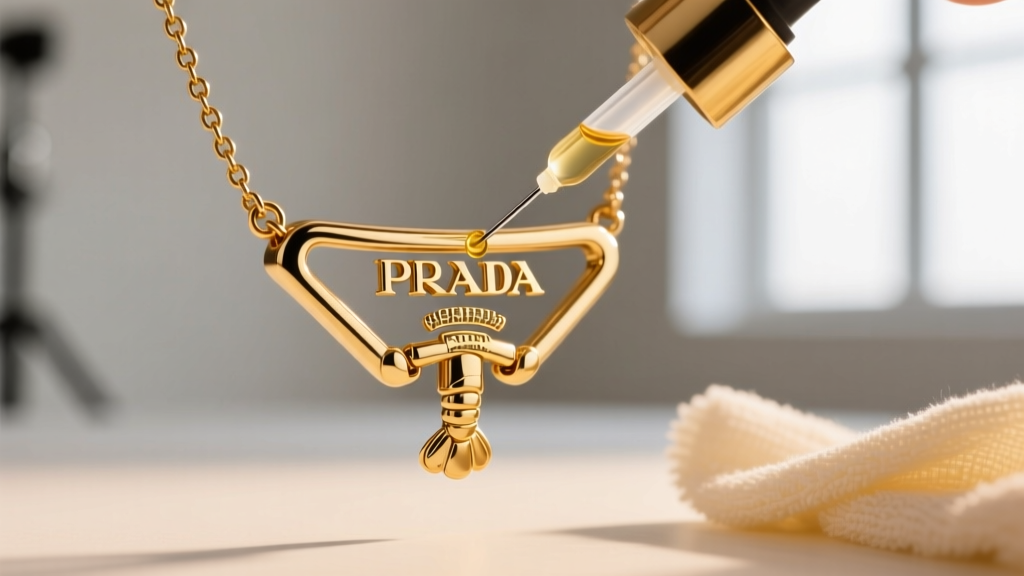
Step-by-Step Clasp Repair
- Debris Removal: Use a wooden toothpick or a soft interdental brush to gently clear the crevice where the clasp lever meets the housing. Avoid metal needles, which will scratch the gold-tone plating or silver.
- Solvent Flush: Apply a single drop of 99% isopropyl alcohol to the joint using a precision dropper. Work the lever back and forth to flush out oxidized oils and skin cells.
- Relubrication: Once dry, apply a microscopic amount of synthetic watch oil (such as Moebius 9010) or a dry PTFE (Teflon) lubricant to the pivot pin. Do not use standard WD-40, as its solvent base will attract dust and eventually gum up the mechanism entirely.
Untangling and Preventing Chain Knots
Prada typically pairs their heart pendants with delicate cable chains or slightly thicker rolo chains. The 1.2mm to 1.5mm cable chains are notorious for tangling, especially when stored improperly or worn in layers. When a knot forms, pulling the chain will cause work-hardening of the silver, leading to micro-fractures and eventual snapping.
To safely remove a stubborn knot, lay the necklace flat on a glass surface. Apply a drop of mineral oil or baby oil directly to the knot to eliminate friction. Using two fine sewing needles, gently work the center of the knot outward. The glass surface provides the necessary contrast and rigidity to see the overlapping links clearly.
Authentication Red Flags: Hallmarks and Weight
As the secondary market for luxury goods expands, so does the sophistication of counterfeiters. If you are troubleshooting a Prada heart necklace that you suspect might be inauthentic, you must examine the physical hallmarks and metallurgical weight. According to authentication experts at RealAuthentication, counterfeiters often fail to replicate the exact depth, font kerning, and placement of Prada's stamps.
| Authentication Metric | Authentic Prada Symbole Heart | Common Counterfeit Flaws |
|---|---|---|
| Weight (Pendant Only) | 8.5g - 11.2g (Solid 925 Silver) | Noticeably lighter (under 6g) due to hollow casting or base metals |
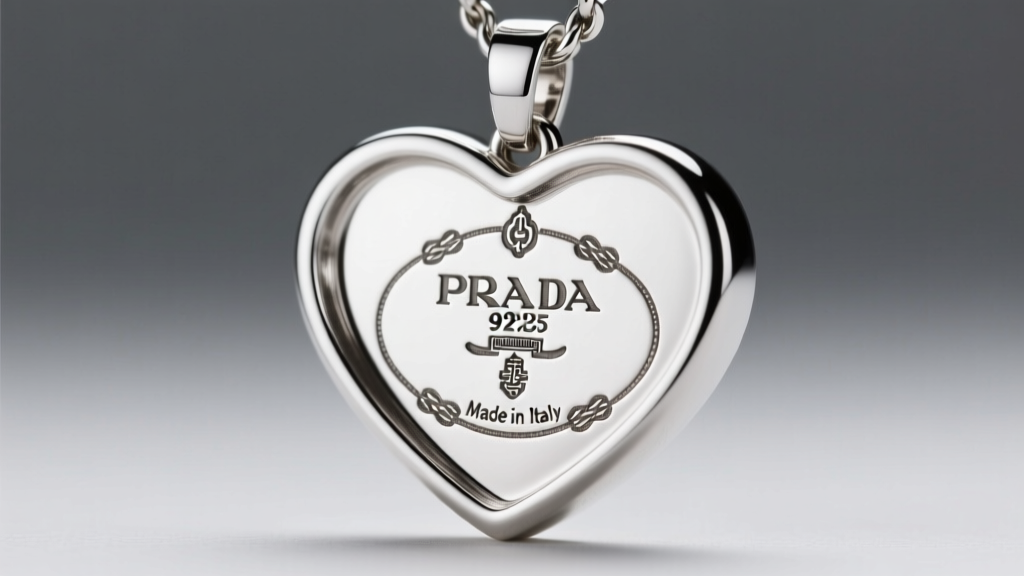
| '925' Hallmark | Deeply stamped, clean sans-serif font | Laser-etched, shallow, or uses a serif/incorrect font |
| 'Made in Italy' Tag | Oval jump-ring tag, crisp stamping | Rectangular tag, or stamped directly onto the clasp |
| Enamel Application | Flush with the silver bezel, zero overflow | Uneven surface, visible glue lines, or bubbling |
The Magnet Test and Plating Wear
While a rare earth magnet test is a basic first step (authentic silver and brass are non-magnetic), it is not foolproof, as counterfeiters sometimes use non-magnetic stainless steel or copper alloys. A more reliable indicator is the wear pattern. Authentic Prada gold-tone pieces use high-quality flash plating over brass. If you see a silvery or grayish metal bleeding through on the high-friction areas of the clasp, it is likely authentic brass. If you see a bright, coppery-pink color bleeding through, or if the piece flakes rather than wears smoothly, it is highly suspect. For definitive verification, consult the Prada Official Product Care guidelines or take the piece to a certified Prada boutique for a serial number check.
Long-Term Storage and Maintenance
Preventing issues is always superior to troubleshooting them. To protect your Prada heart necklace from environmental stressors, store it in an anti-tarnish flannel pouch infused with silver nitrate or activated charcoal. Never store it in the original Prada cardboard box long-term; the adhesives and sizing agents used in luxury packaging can actually emit sulfur gases that accelerate tarnishing. By understanding the specific material science and mechanical design of your jewelry, you can ensure your Prada heart necklace remains a flawless staple of your collection for decades to come.


