How to Style the Cross Necklace Side Trend & Sideways Pendants
Learn how to master the cross necklace side trend. Our step-by-step guide covers sideways pendants, asymmetrical layering, chain gauges, and metal grades.

The Anatomy of the Cross Necklace Side Trend
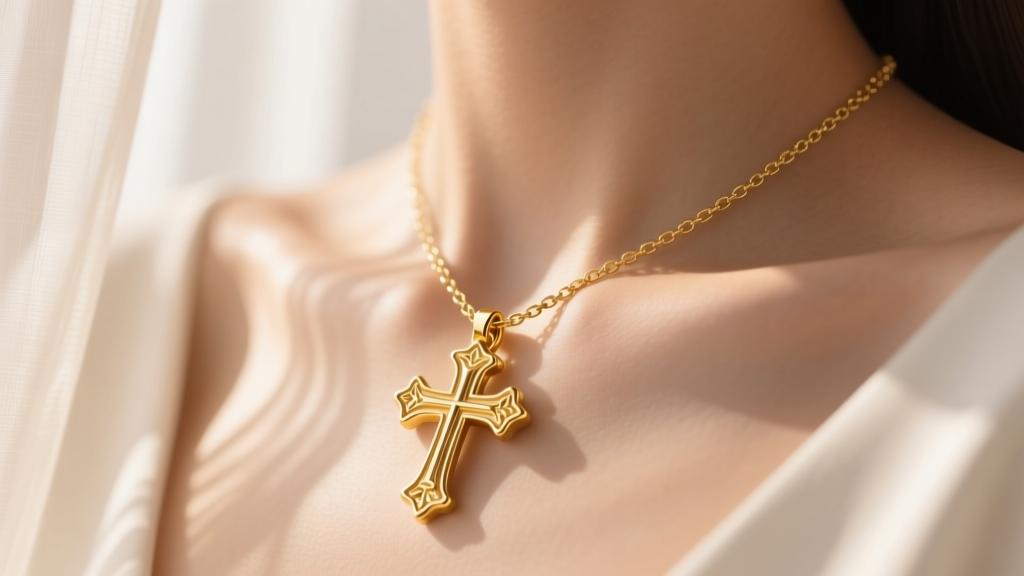
When jewelry enthusiasts and master stylists refer to the cross necklace side trend in 2026, they are typically describing one of two distinct aesthetic choices. The first is the iconic 'sideways cross'—a horizontal pendant that rests parallel to the collarbone. The second is the 'side-swept' or asymmetrical placement, where a traditional vertical cross is deliberately parked off-center along the chain, resting on the left or right clavicle. Both interpretations require a deep understanding of chain physics, bail engineering, and metal grades to execute correctly. According to trend forecasts from Vogue Jewelry, the horizontal cross has evolved from a pop-culture novelty into a staple of minimalist, mixed-metal layering.
However, styling a cross on its side is not as simple as rotating a standard pendant. A vertical cross relies on gravity pulling from a single top bail. A horizontal cross introduces rotational torque, meaning an improperly weighted chain or poorly designed bail will cause the pendant to constantly flip, tangle, or hang at an awkward 45-degree angle. This guide provides a masterclass in engineering, styling, and troubleshooting the cross necklace side aesthetic.
Step 1: Selecting the Correct Chain Gauge for Horizontal Pendants
The most common failure mode for sideways crosses is using a chain that is too flimsy to support the horizontal wingspan of the pendant. If a 20mm wide cross is hung on a delicate 0.8mm cable chain, the chain will fold inward, causing the cross to collapse vertically. You must match the chain's tensile strength and visual weight to the pendant's dimensions.
| Cross Wingspan | Recommended Chain Thickness | Ideal Link Style | Clasp Requirement |
|---|---|---|---|
| 10mm - 15mm (Dainty) | 1.0mm - 1.2mm | Box Chain or Curb | 4mm Spring Ring |
| 16mm - 25mm (Standard) | 1.3mm - 1.8mm | Rolo or Miami Cuban | 5mm Lobster Claw |
| 26mm - 40mm (Statement) | 2.0mm - 3.5mm | Figaro or Paperclip | 7mm Heavy Lobster |
For the 16mm to 25mm range, which is the most popular size for the cross necklace side look, a 1.5mm Rolo chain is the gold standard. The rounded, interlocking links provide enough lateral stiffness to keep the horizontal arms of the cross extended, while remaining flexible enough to drape comfortably around the cervical spine.
Step 2: Engineering the Sideways Bail
If you are converting an existing vertical cross into a sideways pendant, you cannot simply thread the chain through the top bail and expect it to lay flat. The bail must be engineered for horizontal suspension. According to metallurgical guidelines from the Gemological Institute of America (GIA), altering the suspension point of a cast pendant requires careful attention to the metal's structural integrity to avoid stress fractures.
The Dual Jump-Ring Method
The most secure way to hang a cross sideways is by utilizing two separate jump rings. Using a pair of jewelry pliers, attach a 3mm, 20-gauge jump ring to the top loop of the cross, and a second identical jump ring to the bottom loop. Thread your chain through both rings. This dual-point suspension locks the pendant in a strict horizontal position, completely eliminating the 'flip' issue. Ensure the jump rings are soldered shut or tightly closed with flat-nose pliers to prevent the chain from slipping through the gaps.

The Horizontal Tube Bail
If you are purchasing a purpose-built sideways cross, look for one featuring a horizontal tube bail. This is a cylindrical loop soldered horizontally across the back or top edge of the cross. Tube bails distribute the weight of the chain evenly across the center of gravity, allowing the cross to rest perfectly parallel to the floor.
Step 3: Mastering Asymmetrical Side Placement
The second interpretation of the cross necklace side trend involves asymmetrical placement. Instead of the pendant resting in the sternal notch (the center of the chest), the cross is positioned to rest on the side of the neck or collarbone. This creates an avant-garde, editorial look that is highly favored in contemporary European fashion.
How to Achieve the Side-Swept Look
- The Slider Technique: Use a chain equipped with a silicone or rubber O-ring stopper (similar to those found on adjustable lariat necklaces). Thread the cross onto the chain, then slide the stopper to the desired off-center position. The friction of the silicone against the chain links will hold the heavy cross in place on your side profile.
- The Off-Center Solder: For a permanent solution, take your chain to a local bench jeweler and have them solder the cross's jump ring directly to a link that is 2 to 3 inches away from the center point of the chain. This guarantees the cross will always rest on your chosen side without requiring daily adjustment.
- The Lariat Wrap: Use a 24-inch or 28-inch chain. Wrap it around your neck twice, allowing the cross to hang loosely on the left or right side of your chest, secured by the tension of the wrapped layers.
Step 4: Layering the Side Cross in 2026
Styling a sideways or side-placed cross requires a strategic approach to layering. Because the horizontal lines of a sideways cross draw the eye laterally, pairing it with the wrong complementary necklaces can create visual clutter. Here are two expert-approved layering formulas for 2026:
'The secret to layering a horizontal cross is contrasting its geometry. If the cross provides a strong lateral line, your accompanying chains should provide vertical depth or organic curves to balance the composition.' - Master Bench Jeweler
Formula 1: The Minimalist Mixed-Metal Stack
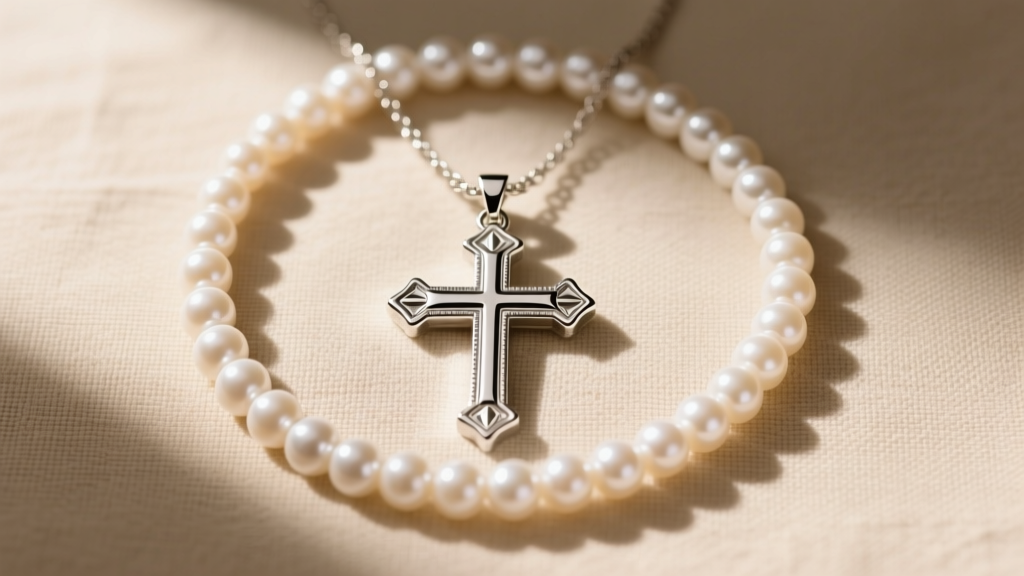
Start with a 14-inch sterling silver snake chain worn tight against the base of the neck. Add your 18-inch 14k yellow gold sideways cross. Finish with a 22-inch silver chain featuring a single, small vertical bezel-set diamond or pearl. The mixed metals (silver and gold) create a modern, curated aesthetic, while the varying lengths prevent the pendants from tangling.
Formula 2: The Textured Asymmetrical Cascade
Pair a side-swept 16mm blackened silver cross (resting on the left clavicle) with a 20-inch oxidized copper or bronze bead chain. The dark, moody tones of the blackened silver and oxidized copper create an edgy, gothic-minimalist vibe that is trending heavily in alternative streetwear and high-fashion circles this year.
Material Grades: What to Buy and What to Avoid
Because sideways crosses experience unique friction points—specifically where the horizontal bail rubs against the chain links—material hardness is a critical factor in your purchasing decision.
- 14k Solid Gold (58.5% Purity): The ideal choice for everyday wear. The alloy metals (usually copper and silver) give 14k gold enough rigidity to prevent the bail from warping under the lateral tension of a horizontal hang.
- 18k Solid Gold (75% Purity): While richer in color, 18k gold is significantly softer. If you choose an 18k sideways cross, ensure the bail is reinforced or unusually thick, otherwise, the friction of the chain will wear down the gold over time.
- 316L Stainless Steel with PVD Coating: For budgets under $80, avoid traditional gold-plated brass, which will tarnish and turn your skin green at the friction points. Instead, opt for 316L surgical steel coated via Physical Vapor Deposition (PVD). PVD gold is highly resistant to friction wear and will maintain its color for years.
- 925 Sterling Silver: A classic choice, but ensure it is rhodium-plated. Unplated silver will oxidize rapidly in the crevices of a horizontal tube bail due to trapped moisture and skin oils.
Troubleshooting Common Side Cross Issues
The Pendant Won't Lay Flat
If your sideways cross is bowing forward or backward, the center of gravity is misaligned. This usually happens with crosses that have heavy gemstones on one arm. To fix this, apply a microscopic drop of clear, jewelry-safe UV resin to the back of the pendant's lower edge. This creates a tiny, invisible bumper that rests against your skin, pushing the bottom of the cross outward and forcing it to lay flat against your chest.
The Chain Keeps Slipping Through the Bail
Horizontal tube bails often have wider inner diameters than vertical bails. If your chain is slipping out of the ends of the tube, you need to use 'bail inserts' or simply thread a small, decorative 2mm metal bead onto the chain on either side of the cross. The beads will act as physical stoppers, keeping the cross perfectly centered on your chain without restricting its horizontal drape.
Final Thoughts on the Side Cross Aesthetic
Mastering the cross necklace side trend requires moving beyond simple styling and understanding the mechanical relationship between your jewelry components. By selecting the correct chain gauge, engineering a proper dual-point or tube bail, and utilizing strategic asymmetrical placement, you can transform a traditional symbol into a cutting-edge, contemporary statement piece. Whether you prefer the sleek geometry of a 14k gold horizontal cross or the editorial edge of a side-swept silver pendant, the key to success lies in the precision of your details.