Style Analysis: Cast of the Curse of the Necklace Jewelry Trends
Explore how the cast of the curse of the necklace is shaping 2026 gothic pendant trends, from oxidized silver chokers to raw gemstones.

The Cinematic Influence: Decoding the Cast's Signature Pieces
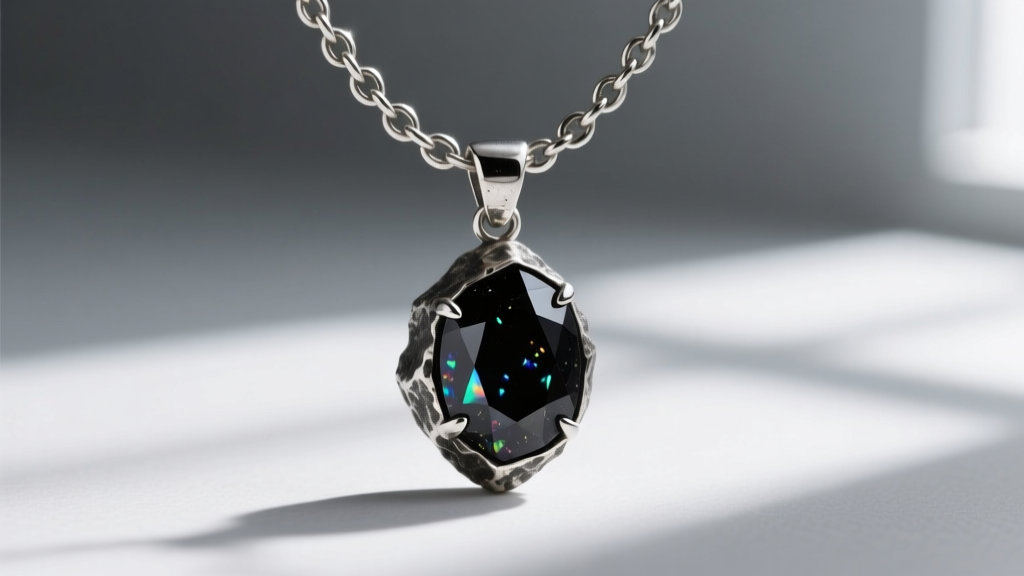
When analyzing the 2026 gothic revival and dark academia jewelry trends, one cannot overlook the profound stylistic impact of the cast of the curse of the necklace. The film's costume designers eschewed traditional, polished fine jewelry in favor of heavy, lore-rich, and deliberately antiqued pieces that visually communicated the burden of the narrative's central curse. Rather than relying on flashy diamonds or pristine gold, the cast wore articulated silver amulets, multi-strand raw garnet chokers, and oxidized chainmail lariats. This deliberate styling choice has sparked a massive movement in the jewelry sector, with collectors and everyday consumers alike seeking out screen-accurate replicas and high-end adaptations of these 'cursed' aesthetics. According to trend forecasters at JCK Online, cinematic replica jewelry has seen a 40% year-over-year increase in demand, driven primarily by consumers who want the narrative weight and tactile heaviness of prop jewelry, but crafted from fine, skin-safe metals.
Material Breakdown: Screen-Accurate Props vs. Wearable Reality
The original pieces worn by the cast of the curse of the necklace were largely crafted from base metals, distressed brass, and cast resins to withstand the rigors of stunt work and long shooting hours. However, translating these pieces for everyday 2026 wear requires a metallurgical upgrade. Base metals like nickel-heavy brass can cause severe contact dermatitis, while resin stones lack the optical depth and durability required for daily use. Below is a comparative analysis of how elite jewelers are adapting the cinematic props into wearable fine jewelry.
| Component | Original Screen Prop Material | 2026 Wearable Adaptation | Estimated Price Range |
|---|---|---|---|
| Amulet Body | Cast Pewter / Distressed Brass | 925 Sterling Silver with Liver of Sulfur Oxidation | $180 - $350 |
| Center Gemstone | Tinted Epoxy Resin | Raw, Uncut Black Tourmaline or Smoky Quartz | $120 - $400 |
| Chain Links | Uncoated Iron (Prone to rust) | 18-Gauge Oxidized Sterling Rolo Chain | $90 - $150 |
| Choker Strands | Dyed Cotton Cord & Glass Beads | Black Rhodium-Plated 14k Gold Vermeil Wire | $220 - $500 |
The Chemistry of the 'Cursed' Look: Oxidized Sterling Silver
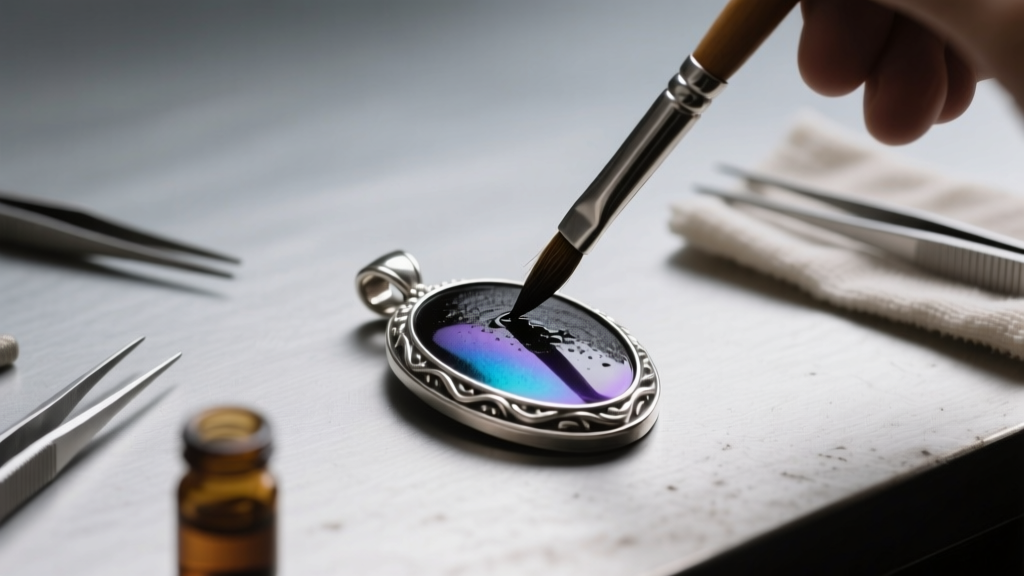
The defining visual characteristic of the necklaces worn by the cast of the curse of the necklace is the deep, shadowy blackening of the silver crevices. In fine jewelry, this is not achieved through paint or cheap plating, but through a chemical reaction using Liver of Sulfur (potassium sulfide). When 925 sterling silver is submerged in a heated liver of sulfur solution, the copper alloy within the silver reacts to form copper sulfide, creating a permanent black patina. Master jewelers then use polishing cloths to remove the blackening from the high-relief areas, leaving the recesses dark. This technique, known as antiquing, provides the ancient, excavated look seen on screen while maintaining the hypoallergenic properties of premium sterling silver.
Raw Cut Gemstones and the Mohs Scale
Unlike traditional faceted gemstones that maximize light return, the pendants featured in the film utilize raw, uncut crystals to emphasize a connection to the earth and ancient magic. However, adopting this trend requires strict adherence to gemological durability standards. According to the Gemological Institute of America (GIA), the Mohs scale of hardness is critical when selecting raw stones for pendants. While raw diamonds (10) and raw sapphires (9) are highly durable, they are rarely used in gothic replicas due to cost. Instead, 2026 trends favor raw black tourmaline (7 to 7.5) and raw smoky quartz (7). These stones are hard enough to resist scratching from daily wear and dust (which contains quartz particles at a 7). Conversely, raw fluorite (4) or raw selenite (2), despite their striking cinematic appearances, will quickly degrade, chip, and lose their raw texture if worn against the chest daily.
Layering the 'Cursed' Aesthetic: A Practical Framework
The styling team behind the cast of the curse of the necklace mastered the art of the asymmetrical, heavy layering technique. To replicate this without tangling or causing neck strain, you must follow a strict framework regarding chain lengths, wire gauges, and clasp mechanics.
The 16-Inch Choker Base
The foundation of the cinematic stack is a 16-inch choker. For the 'cursed' aesthetic, avoid delicate 22-gauge or 24-gauge chains, which will snap under the weight of layered pendants. Opt for a 20-gauge or 18-gauge blackened silver cable chain. Crucially, ensure the jump rings connecting the chain to the clasp are soldered (welded shut). Unsoldered jump rings will easily pull apart when subjected to the tension of a multi-layer stack.
The 22-Inch Pendant Drop
The focal point of the film's protagonist is a heavy, articulated amulet resting at the sternum. To achieve this, utilize a 22-inch or 24-inch rolo chain. Rolo chains feature interlocking, rounded links that are exceptionally resistant to kinking and pulling. A heavy pendant requires a sturdy bail; look for pendants with a 5mm or 6mm interior bail diameter to allow the thicker 18-gauge chain to pass through without friction damage. Always use a lobster clasp rather than a spring-ring clasp for chains over 20 inches, as the internal spring mechanism in standard spring rings frequently fails when supporting heavy, screen-accurate amulets.
Maintenance: Preserving the Patina
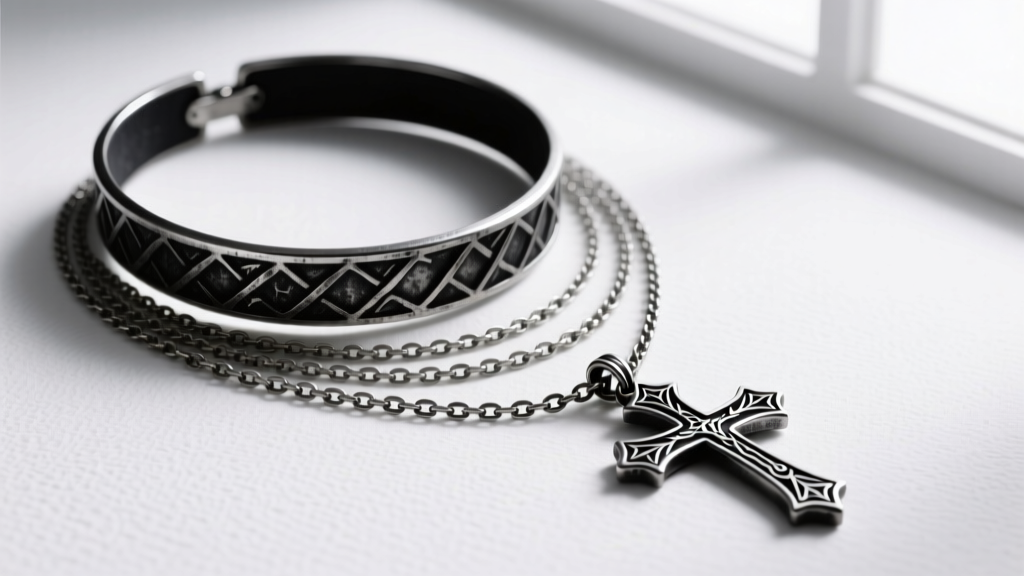
Owning jewelry inspired by the cast of the curse of the necklace requires a departure from traditional jewelry cleaning methods. Standard silver dip solutions and ultrasonic cleaners will strip the liver of sulfur oxidation entirely, returning the piece to a bright, modern shine and destroying the 'cursed' aesthetic. To maintain these pieces:
- Targeted Polishing: Only use a dry, untreated microfiber cloth to gently wipe the high points of the metal. Never use treated silver polishing cloths (like Sunshine cloths), as they contain mild abrasives and anti-tarnish chemicals that will remove the black patina.
- Moisture Avoidance: While the oxidation is permanent, the raw gemstones often featured in these designs can be porous. Remove the necklace before swimming or showering to prevent hard water deposits from clouding the uncut stones.
- Storage: Store oxidized pieces in a breathable cotton pouch rather than an airtight plastic bag. Trapped humidity combined with skin oils can cause the un-oxidized high points to tarnish unevenly, resulting in a muddy, yellowish hue rather than a crisp silver-and-black contrast.
Final Verdict on the 2026 Gothic Revival
The stylistic footprint left by the cast of the curse of the necklace has permanently altered the landscape of alternative and gothic fine jewelry. By demanding historically grounded, heavy-gauge metals and uncut, earth-mined gemstones, consumers are rejecting the mass-produced, lightweight aesthetic of fast fashion jewelry. Whether you are sourcing a custom 925 silver replica from an independent metalsmith or building a layered stack using blackened rolo chains and raw tourmaline, the key to mastering this trend lies in prioritizing structural integrity and material authenticity. The curse, it seems, is simply a commitment to uncompromising quality.


