Custom Cowboy Necklace Name Designs: A Material Durability Guide
Discover the best metals and stones for a custom cowboy necklace name. Compare sterling silver, brass, and turquoise for lasting Western wear.

The Anatomy of a Western Name Necklace
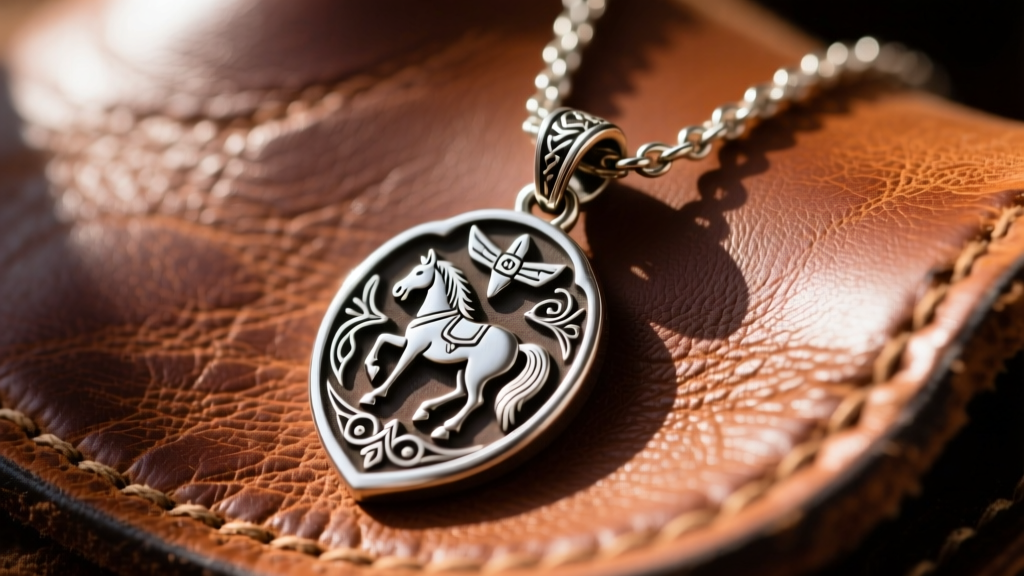
The resurgence of Western aesthetics in mainstream fashion has transformed the classic cowboy necklace name pendant from a niche rodeo souvenir into a staple of rugged, everyday jewelry. However, designing a personalized nameplate that survives the realities of ranch work, outdoor festivals, and daily friction requires a deep understanding of metallurgy and gemology. A true Western name necklace is not merely an accessory; it is an identifier meant to withstand dust, sweat, UV exposure, and mechanical abrasion. In 2026, the demand for heritage-quality pieces means jewelers must look beyond basic stamping and select materials that develop a rich patina rather than simply degrading over time.
When commissioning or retailing a custom cowboy necklace name piece, the structural integrity of the base metal, the stabilization of any stone inlays, and the depth of the engraving are the three pillars of longevity. This guide breaks down the exact material properties you need to consider to ensure your personalized Western jewelry survives the elements.
Base Metals for Cowboy Nameplates: Silver vs. Brass vs. Copper
The foundation of any cowboy necklace name design is the base metal. The choice of alloy dictates the pendant's weight, tarnish profile, and skin reactivity.
925 Sterling Silver
Composed of 92.5% pure silver and 7.5% copper, sterling silver is the gold standard for Western jewelry. The copper additive provides the necessary tensile strength for detailed nameplate cutting. However, the copper content makes it susceptible to sulfur-induced tarnishing. For a rugged look, many silversmiths intentionally oxidize the silver using liver of sulfur, turning the recessed areas black while polishing the raised lettering. This pre-tarnished finish is highly recommended for a cowboy necklace name, as it masks future environmental tarnish and highlights the custom typography.
Yellow Brass and Bronze
Yellow brass (an alloy of copper and zinc) and bronze (copper and tin) offer a warm, earthy tone that mimics vintage ranch hardware. Brass is highly durable but can develop verdigris (a green oxidation) when exposed to the acidic pH of human sweat. To prevent the wearer's skin from turning green, high-end brass nameplates are often treated with a micro-thin layer of clear ceramic nano-coating or Renaissance Wax. While brass is more affordable than silver, it requires more active maintenance to keep the name legible and the metal bright.
Red Copper
Pure copper is exceptionally soft (Mohs 2.5-3.0) and will warp if used for thin, elongated nameplates. If copper is chosen for a cowboy necklace name design, it must be alloyed with beryllium or cast at a thicker gauge (minimum 16-gauge or 1.3mm) to resist bending when caught on denim or leather jackets.
Inlays and Accents: The Turquoise Dilemma
No cowboy necklace name pendant is complete without the iconic flash of Southwestern turquoise or coral. However, the environment in which these necklaces are worn poses a severe threat to natural stones.
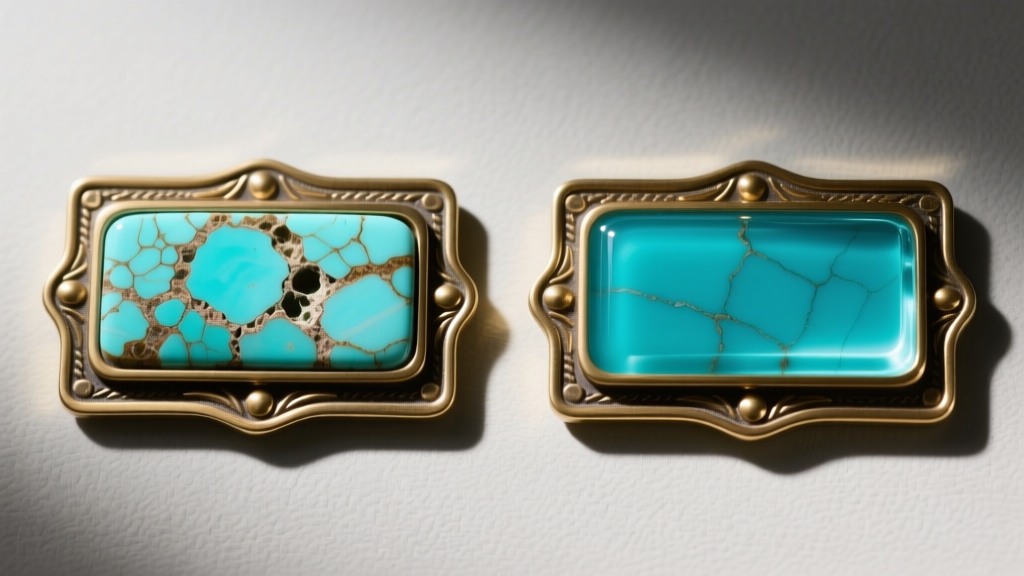
Natural turquoise is a porous, hydrous phosphate of copper and aluminum with a Mohs hardness ranging from 5 to 6. Because it is porous, it readily absorbs skin oils, sweat, and environmental chemicals (like sunscreen or insect repellent). Over time, this absorption alters the stone's chemical matrix, causing bright blue stones to fade to a muddy green or brown. According to the Gemological Institute of America (GIA), this color shift is a common failure mode for untreated turquoise worn in rugged conditions.
For daily-wear Western name necklaces, stabilized turquoise is mandatory. Stabilization involves subjecting the porous stone to high pressure and introducing an epoxy or polymer resin. This process permanently hardens the stone to a Mohs 7+ and seals the pores, making it impervious to sweat and oils. When sourcing materials for a cowboy necklace name, always verify that the turquoise is stabilized rather than merely dyed or reconstituted, ensuring the stone will survive decades of outdoor wear without cracking or shifting color.
Chain and Cord Materials: Leather vs. Heavy Rope Chains
The suspension system of a cowboy necklace name pendant must bear the weight of heavy metal and stone inlays while resisting degradation from moisture and friction.
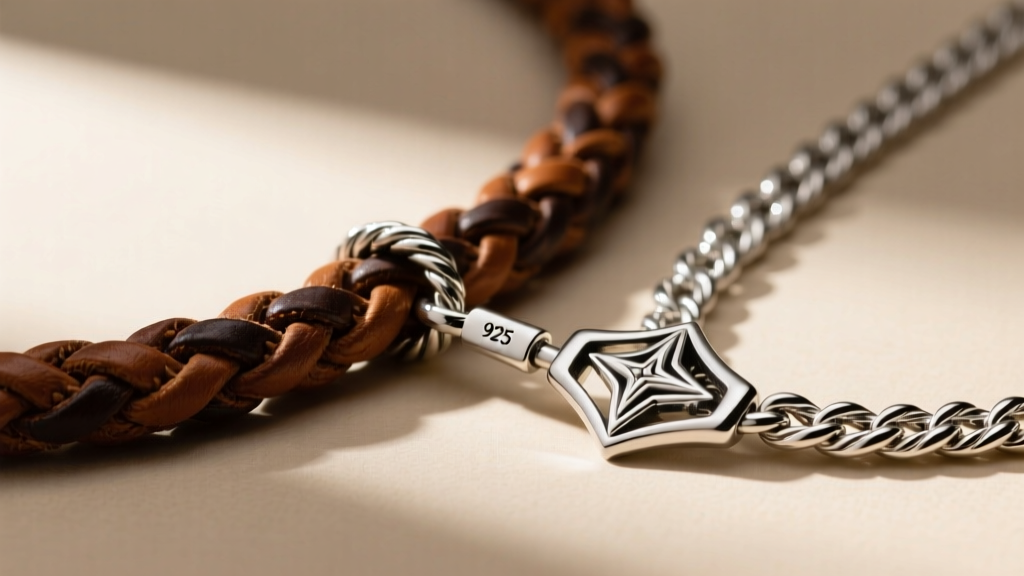
- Vegetable-Tanned Leather: This traditional material reacts beautifully to the wearer's body chemistry, developing a dark, rich patina over time. However, veg-tan leather will become brittle and snap if repeatedly soaked in sweat and dried in the sun without conditioning. A 4mm to 6mm thickness is ideal for supporting heavy silver nameplates.
- Waxed Cotton Cord: A superior alternative to leather for wet environments. Waxed cotton is hydrophobic, rot-resistant, and possesses a high tensile strength. It offers a rustic, matte finish that complements oxidized metals perfectly.
- 925 Sterling Silver Rope Chains: For an indestructible, all-metal aesthetic, a 3mm to 5mm hollow-core or solid silver rope chain provides excellent structural support. The twisted rope texture catches the light and mirrors the intricate engraving of the nameplate.
Material Comparison Chart for Western Wear
Use the following matrix to select the optimal material combination based on the intended wear environment for your cowboy necklace name piece.
| Material | Mohs Hardness | Sweat/Moisture Resistance | Best Application |
|---|---|---|---|
| 925 Sterling Silver | 2.5 - 3.0 | Moderate (Tarnishes) | Heirloom nameplates, formal rodeo wear |
| Yellow Brass | 3.0 - 4.0 | Low (Verdigris risk) | Vintage-style, budget-friendly pendants |
| Stabilized Turquoise | 7.0+ | High (Sealed) | Daily ranch wear, inlay accents |
| Natural Coral | 3.5 - 4.0 | Low (Acid sensitive) | Occasional wear, display pieces |
| Veg-Tan Leather | N/A | Moderate (Needs oiling) | Heavy pendants, traditional aesthetics |
Engraving Techniques: Deep Relief vs. Laser Etching
The method used to carve the name into the metal dictates how long the personalization will remain legible. Many mass-market jewelers use laser etching, which burns the surface to a depth of roughly 0.05mm. In a rugged environment, friction from denim jackets, seatbelts, and manual labor will polish away a laser-etched name within a few years, leaving a blank metal plate.
For an authentic cowboy necklace name design, deep CNC routing or hand-engraving is required. These techniques cut into the metal to a depth of 0.5mm to 1.0mm. This deep relief allows the jeweler to rub in a dark patina or enamel, creating a stark contrast that makes the custom name pop. More importantly, because the lettering is deeply recessed, the surface friction of daily wear glides over the raised borders of the pendant, leaving the name entirely untouched and permanently legible. As noted by the experts at Rio Grande, deep mechanical engraving not only preserves the design but also adds a tactile, artisanal quality that defines high-end Western jewelry.
Care and Maintenance for Rugged Environments
Maintaining a personalized Western necklace requires a different approach than cleaning delicate fine jewelry. The goal is to remove destructive grime without stripping the intentional oxidation that gives the piece its rugged character.
After exposure to heavy sweat, saltwater, or agricultural chemicals, rinse the pendant in lukewarm water and gently scrub the deep engraving grooves with a soft horsehair brush and a drop of pH-neutral dish soap. Never use ultrasonic cleaners or harsh silver dips on a cowboy necklace name pendant featuring turquoise or coral inlays, as the high-frequency vibrations can fracture the stones and the chemicals will strip their polish. Finally, store the necklace flat in a low-humidity environment with an anti-tarnish silica packet to prevent the silver base from developing destructive black sulfur scales while in storage.


