Solving the Boob on Necklace Problem: Sweat, Tarnish, and Fit
Troubleshoot common boob on necklace issues like chest sweat tarnishing, skin irritation, and pendant flipping with expert material fixes.

The Anatomy of the Chest Zone Microclimate
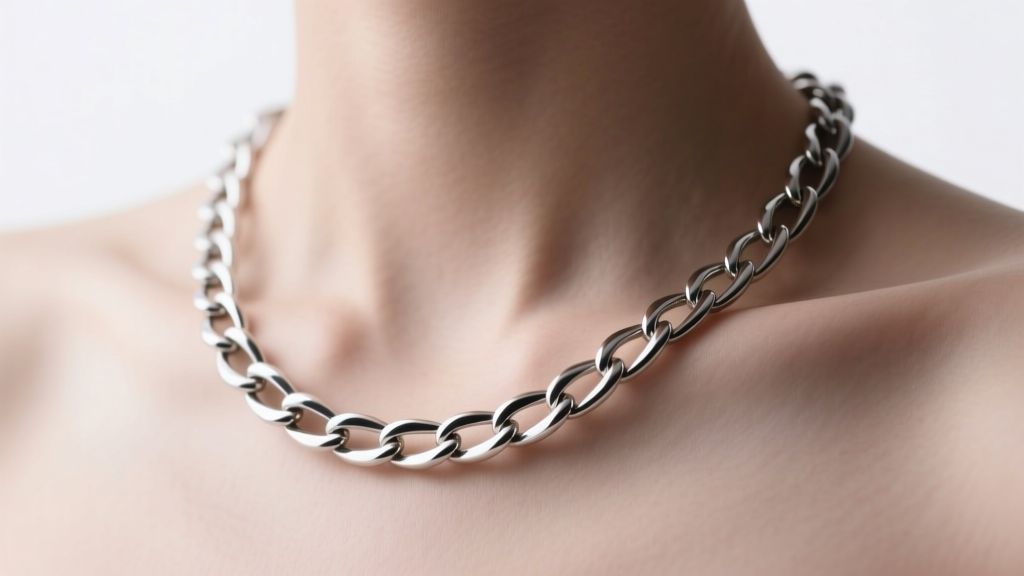
In the jewelry styling community, the term "boob on necklace" refers to the specific placement of long drop pendants, lariats, and body chains that rest directly on the chest and cleavage area. While this placement is visually striking and highly popular in 2026 layering trends, it creates a uniquely hostile microclimate for jewelry metals and gemstones. Troubleshooting the issues that arise in this zone requires an understanding of both human biology and metallurgical chemistry.
The chest area possesses a high density of eccrine and apocrine sweat glands. When a necklace rests directly against the skin here, it is subjected to constant body heat, friction from clothing, and a continuous supply of moisture. Human sweat is not just water; it is a complex saline solution containing urea, lactic acid, ammonia, and chloride ions, with a pH that typically ranges from 4.5 to 7.0. This mildly acidic, chloride-rich environment accelerates oxidation, degrades porous gemstones, and triggers metal ion leaching, leading to the three most common complaints: rapid tarnishing, contact dermatitis, and the frustrating "pendant flip."
Troubleshooting Tarnish and Corrosion
If your chest-resting jewelry is turning black, green, or leaving dark smudges on your skin, you are experiencing a chemical reaction between your sweat and the alloy metals in your necklace. The most common culprit is standard 925 Sterling Silver. While pure silver is relatively inert, 925 silver contains 7.5% copper to provide structural hardness. The chloride ions in chest sweat aggressively attack the copper, forming copper chloride and copper sulfide, which manifest as black or green tarnish.
The Argentium and PVD Solutions
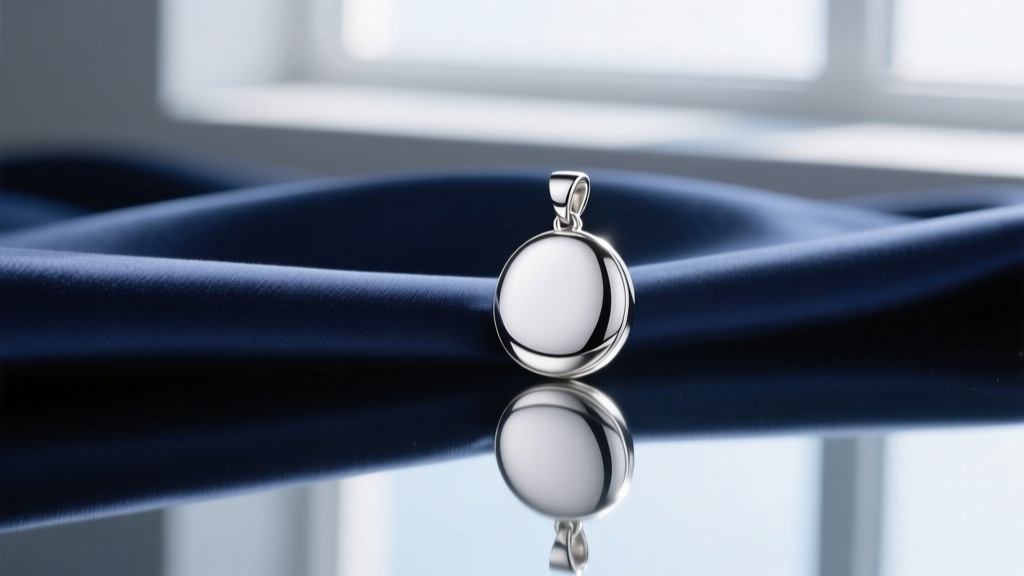
To solve the tarnish problem without abandoning the look of silver, upgrade to Argentium 960 Silver. Unlike traditional sterling, Argentium replaces a portion of the copper with germanium. When exposed to oxygen, the germanium forms a transparent, self-healing oxide layer that dramatically slows down tarnishing, even in high-sweat zones. Alternatively, look for necklaces featuring PVD (Physical Vapor Deposition) coatings. As of 2026, advanced PVD titanium nitride coatings can seal brass and silver bases, providing a sweat-proof barrier that withstands the chest microclimate for years without peeling.
| Material | Tarnish Resistance (Chest Zone) | Irritation Risk | Avg. Price Range |
|---|---|---|---|
| 925 Sterling Silver | Low (Tarnishes rapidly) | Moderate | $40 - $150 |
| Argentium 960 Silver | High (Germanium oxide layer) | Low | $80 - $250 |
| 316L Surgical Steel | Very High | High (Nickel leaching) | $20 - $90 |
| ASTM F136 Titanium | Impervious | Zero (Hypoallergenic) | $60 - $200 |
| Solid 14k/18k Gold | Very High | Low (If nickel-free) | $300 - $1,500+ |
Curing Contact Dermatitis in the Cleavage Area
Skin irritation, redness, and itching beneath a necklace drop are classic signs of allergic contact dermatitis. The chest is particularly susceptible because the combination of heat and acidic sweat increases the rate at which metal ions are released from the jewelry into the skin. According to the Mayo Clinic, nickel is the most frequent offender in jewelry allergies.
Many consumers mistakenly believe that "surgical stainless steel" (316L) is hypoallergenic. While 316L is highly resistant to rust, it contains up to 14% nickel and 2-3% molybdenum. In the acidic, sweaty environment of the chest zone, 316L can leach enough nickel to trigger severe flare-ups in sensitized individuals. Similarly, standard white gold is often alloyed with nickel to achieve its silvery color.
The Hypoallergenic Protocol
If you suffer from chest rashes, you must eliminate nickel and copper from the equation entirely. The gold standard for problem-solving skin irritation is ASTM F136 Grade 23 Titanium (6Al-4V). This is the exact medical-grade alloy used for internal surgical implants; it is entirely bio-inert and will not react with sweat. Niobium is another excellent, highly reactive metal that forms a safe, colorful oxide layer without triggering allergies. For gold lovers, ensure you are purchasing nickel-free white gold (alloyed with palladium instead) or stick to yellow and rose gold, provided they are at least 14k to minimize copper exposure.
Fixing the "Pendant Flip" and Chain Migration
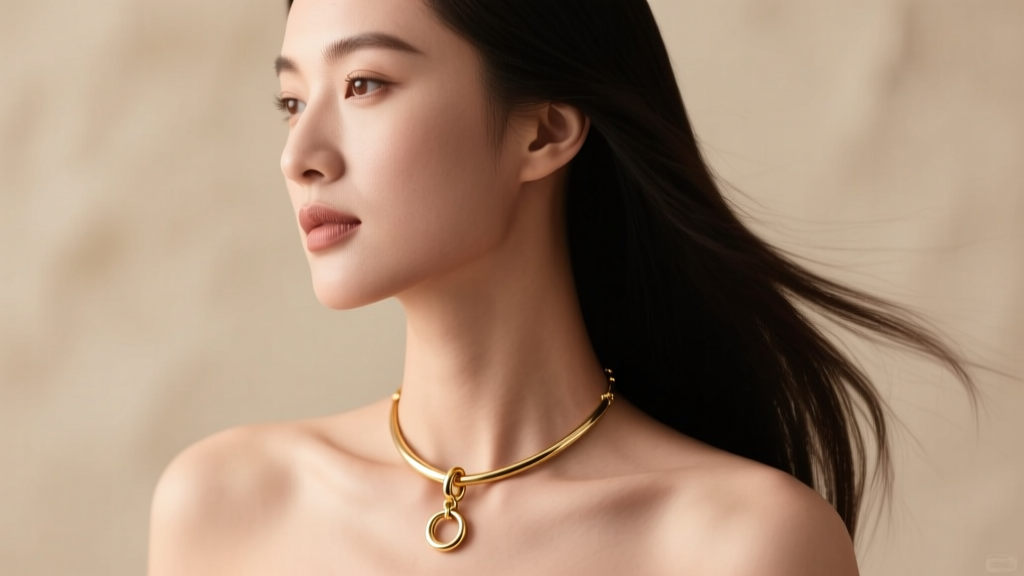
A purely mechanical issue unique to the boob on necklace placement is the "pendant flip." Because the chest is a sloped, curved surface rather than a flat plane, gravity and body movement often cause the pendant to slide off-center or flip completely upside down, hiding the design against your skin.
Physics and Bail Adjustments
This happens when the center of gravity on the pendant is improperly balanced relative to the bail (the loop that attaches it to the chain). If the bottom of the pendant is too heavy and the bail is too large, the sloped chest acts as a ramp, forcing the pendant to invert. To troubleshoot this:
- Use a Counterweighted Bail: Look for pendants with a heavy, integrated top bail that shifts the center of gravity upward, forcing the face of the pendant to lay flat against the slope.
- Adjust the Chain-to-Pendant Weight Ratio: If the chain is too heavy, it will slide around the neck, dragging the pendant with it. The Gemological Institute of America (GIA) recommends a chain that is proportionate to the pendant to maintain a stable center of gravity.
- Deploy Silicone Necklace Stays: For a quick, non-destructive fix, use clear silicone necklace tightening discs on the back of the chain. These create friction against the skin and clothing, anchoring the chain at the nape of the neck and preventing the pendant from migrating sideways across the chest.
Post-Wear Maintenance and Cleaning
Even with the correct materials, the chest zone demands a strict maintenance routine. After removing a long necklace, never simply toss it into a jewelry box while damp. Wipe the chain and pendant down with a dry, lint-free microfiber cloth to remove sweat, sebum, and dead skin cells. For deeper cleaning, use a few drops of pH-neutral dish soap and distilled water, avoiding harsh ultrasonic cleaners which can loosen the adhesive on gemstone settings that have been weakened by prolonged sweat exposure. By understanding the unique biology of the chest zone and selecting the appropriate metallurgy, you can wear your favorite long drops and body chains comfortably and flawlessly.


