Thread Necklace Guide: Materials, Sizing, and Styling
Discover everything about the delicate thread necklace. Learn about nylon vs. silk, gauge sizes, clasp types, and how to style floating pendants.

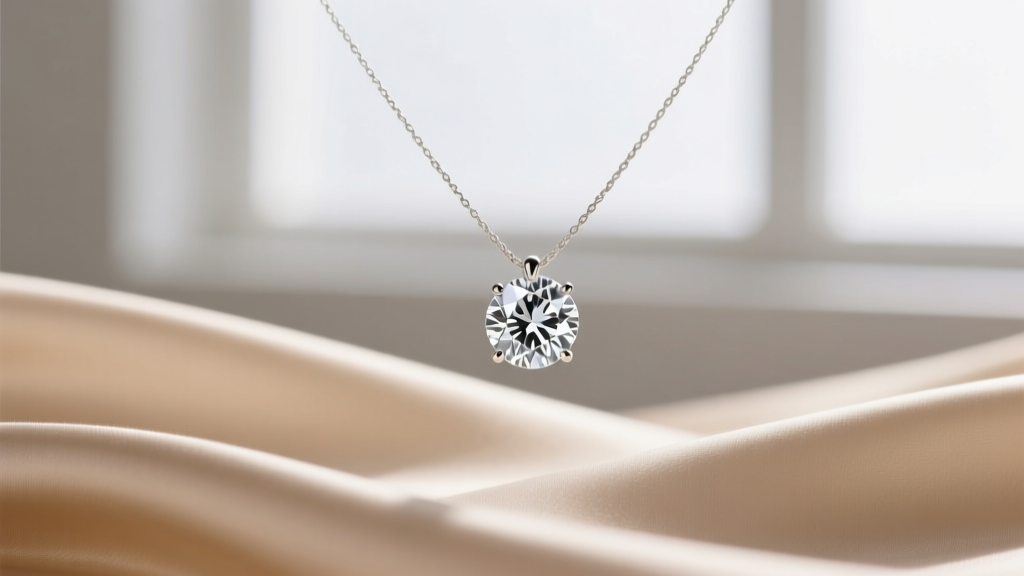
What Exactly is a Thread Necklace?
Often referred to as an 'illusion necklace' or 'floating necklace,' a thread necklace is a minimalist jewelry design where a pendant, gemstone, or series of beads appears to hover directly on the skin. Unlike traditional metal chains that possess inherent weight, drape, and visual presence, the thread itself is meant to be virtually invisible. This creates a striking, modern aesthetic that draws the eye exclusively to the centerpiece. However, beneath this delicate appearance lies a complex interplay of material science, tensile strength, and precision hardware. For beginners, understanding the mechanics of a thread necklace is crucial to avoiding snapped lines and lost gemstones.
Core Materials: Nylon, Silk, and PTFE Compared
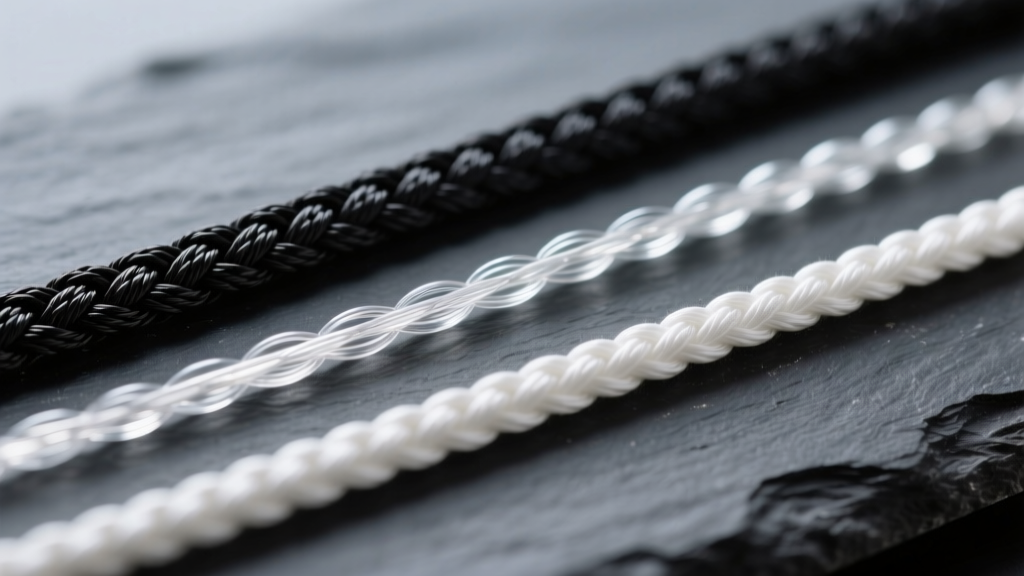
The 'thread' in these necklaces is rarely actual textile thread. Jewelers rely on advanced synthetic polymers and, occasionally, traditional organic fibers to achieve the illusion effect. Each material behaves differently under tension, UV exposure, and moisture.
| Material | Tensile Strength | Water Resistance | UV Degradation | Best Application |
|---|---|---|---|---|
| Monofilament Nylon | High (up to 15 lbs) | Excellent | Moderate (yellows over time) | Invisible floating solitaires |
| Braided Nylon | Very High | Excellent | Low | Heavier pendants, opaque designs |
| PTFE (Teflon) | Moderate | Impervious | None | Premium, heat-resistant illusion pieces |
| Silk | Low to Moderate | Poor (weakens) | Low | Traditional pearl knotting, vintage styles |
Monofilament nylon is the industry standard for clear illusion necklaces due to its low cost and high transparency. However, it suffers from 'memory'—it tends to retain the coiled shape of its manufacturing spool. PTFE (Polytetrafluoroethylene) is a premium alternative that offers superior flexibility, zero water absorption, and complete UV resistance, making it ideal for everyday wearers who refuse to take their jewelry off in the shower or sun.
Understanding Thread Thickness and Weight Limits
Unlike metal wires which are measured in American Wire Gauge (AWG), jewelry threads are measured in millimeters (mm). Selecting the correct diameter is a balancing act between invisibility and structural integrity.
- 0.25mm (Ultra-Fine): Nearly invisible on all skin tones. Best for lightweight gemstones under 2 grams (e.g., a standard 0.50-carat diamond solitaire, which weighs approximately 0.1 grams according to the Gemological Institute of America (GIA)). Not recommended for heavy brass or solid silver pendants.
- 0.40mm (Standard): The most versatile size. Offers a working load limit of roughly 30 to 50 grams before accounting for abrasion at the clasp. Visible upon close inspection but reads as 'invisible' from a conversational distance.
- 0.60mm to 0.80mm (Heavy Duty): Used for multi-strand bead weaving or heavy artisan pendants. The thread will be visibly opaque and may cast a slight shadow on the collarbone.
The Hidden Danger of Pendant Bail Friction
A common beginner mistake is threading a sharp-edged metal bail directly onto a nylon line. Over time, the micro-abrasion caused by the pendant swinging against the thread will slice through even a 0.50mm line. Always ensure the pendant bail features a smooth, polished interior, or use a seamless metal jump ring as a protective buffer between the bail and the thread.
Hardware and Failure Points: Why Thread Necklaces Snap
The most vulnerable point of any thread necklace is not the middle of the line, but the termination point where the thread meets the clasp. According to jewelry manufacturing guidelines from Rio Grande, bending a synthetic polymer 180 degrees around a rigid metal jump ring creates a severe stress concentration. This shearing effect is responsible for 90% of thread necklace failures.
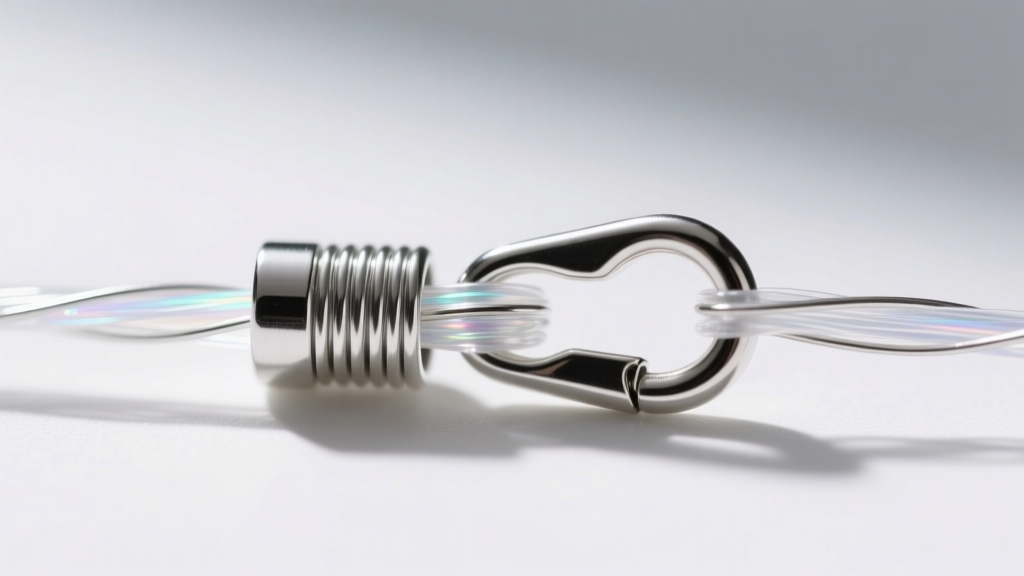
To engineer a durable termination, professional jewelers use a three-part hardware system:
- Wire Guardian (French Wire): A tiny, horseshoe-shaped metal finding that the thread loops through before attaching to the jump ring. This prevents the metal from cutting into the nylon and maintains a natural, rounded loop.
- Crimp Tube: A seamless sterling silver or gold-filled tube that is crushed over the thread tail. Beginners should avoid crimp beads (which can split) and use a micro-crimping plier to fold the tube into a secure, rounded shape.
- Crimp Cover: A clam-shell finding that closes over the crushed tube, making the termination look like a seamless metal bead and protecting the thread tail from fraying.
Precision Sizing: The Unforgiving Nature of Illusion Threads
Metal chains possess natural drape; a 16-inch chain will gracefully adapt to the contours of a 15-inch neck. Thread necklaces, particularly monofilament, have zero drape. They act like a rigid halo. If you size a thread necklace too tightly, it will choke the wearer and bow outward awkwardly. If sized too loosely, the 'floating' pendant will droop below the collarbone, ruining the illusion.
The Sizing Framework:
- True Choker (14-15 inches): Sits flush against the base of the neck. Requires exact measurement with a flexible tape measure, adding exactly 0.5 inches for breathing room.
- Collarbone Illusion (16 inches): The most popular length for floating solitaires. The pendant should rest precisely in the suprasternal notch (the hollow at the base of the throat).
- Deep Plunge (20+ inches): Used for heavy, oversized pendants. Requires a thicker thread (0.50mm+) to prevent the weight from pulling the neckline into a sharp 'V' shape.
Styling the 'Floating' Look
Because the thread necklace relies on negative space, your wardrobe choices dictate its success. The illusion effect is completely lost against busy patterns, heavy knits, or high-collared garments.
Opt for deep V-necks, scoop necks, or off-the-shoulder tops that provide a wide canvas of bare skin. For a modern, layered aesthetic, pair a 14-inch opaque braided nylon thread necklace holding a small gold bead with a 18-inch traditional gold box chain. The contrast between the rigid, minimalist thread and the fluid, reflective metal chain creates a highly curated, architectural look.
Care, Storage, and the 'Memory Coil' Problem
Synthetic threads require specific maintenance to ensure longevity. Chlorine in swimming pools and harsh chemicals in household cleaners will rapidly degrade monofilament nylon, causing it to turn brittle and snap without warning. Always remove your thread necklace before swimming or cleaning.
Expert Storage Tip: Never toss a thread necklace into a jewelry box. The monofilament will tangle and develop permanent kinks. Always store the necklace flat in a velvet pouch, or hang it from a padded jewelry stand to allow gravity to naturally pull out any memory coils from daily wear.
By understanding the material science and precise hardware requirements of the thread necklace, you can confidently select, wear, and maintain these stunning illusion pieces for years to come.


