Angel Skin Coral Necklace Value: 2026 Pricing Guide
Discover the true value of an angel skin coral necklace in 2026. Learn pricing tiers, grading factors, and how to avoid overpaying for treated stones.

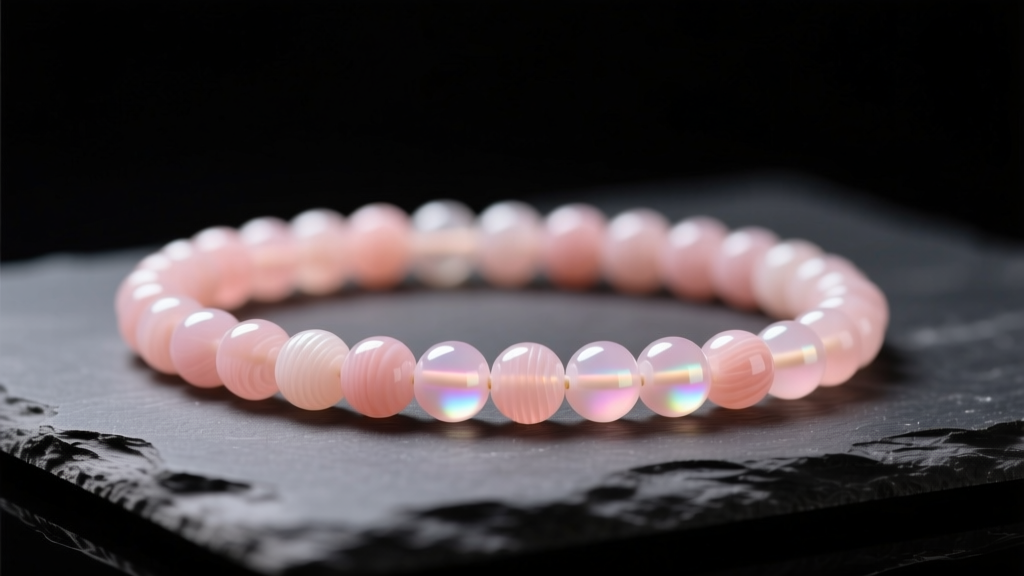
The Allure and Market Reality of Angel Skin Coral
Angel skin coral, scientifically classified primarily under the Corallium elatius and Corallium secundum species, is one of the most coveted organic gemstones in the world. Unlike the deep, oxblood red of Mediterranean Corallium rubrum, angel skin coral is prized for its delicate, translucent blush—a gradient that ranges from pure porcelain white to a soft, saturated peach-pink. As we navigate the 2026 gemological market, the valuation of an angel skin coral necklace has become increasingly complex. Stricter environmental regulations, depleted oceanic beds, and surging demand from Asian luxury markets have fundamentally altered the pricing landscape.
For buyers and collectors, understanding the true value of these pieces requires looking beyond basic carat weight. Coral is an organic calcium carbonate structure (Mohs hardness 3.5 to 4.0, specific gravity 2.6 to 2.7), meaning its value is intrinsically tied to surface integrity, color uniformity, and the absence of invasive treatments. According to the Gemological Institute of America (GIA), precious coral identification relies heavily on magnification to spot natural growth structures versus synthetic or reconstituted imitations. This guide breaks down exactly what you should expect to pay, how to grade the stones, and how to protect your investment.
2026 Pricing Tiers: What Should You Actually Pay?
The price of an angel skin coral necklace scales exponentially with bead diameter. Because coral grows in relatively thin, branching underwater trees, harvesting a large, unblemished branch capable of yielding 12mm spherical beads is exceptionally rare. Below is the current 2026 market valuation matrix for a standard 16-inch princess-length strand.
| Bead Diameter | Commercial Grade (Heavily Treated) | Fine Grade (Minor Imperfections) | Gem Grade (Flawless, Natural) |
|---|---|---|---|
| 6mm | $300 - $600 | $800 - $1,500 | $2,000 - $3,500 |
| 8mm | $900 - $1,800 | $2,500 - $5,000 | $6,500 - $12,000 |
| 10mm | $3,000 - $5,500 | $8,000 - $15,000 | $18,000 - $30,000 |
| 12mm+ | Rare / Reconstituted | $25,000 - $45,000 | $60,000+ |
Note: Prices assume authentic, naturally colored coral strung on silk with precious metal clasps. Hardware upgrades (e.g., 18k gold diamond-set safety clasps) will add $1,000 to $4,000 to the final retail price.
The 4 Pillars of Coral Valuation
When appraising an angel skin coral necklace, gemologists and high-end jewelers rely on four distinct pillars to determine where a strand falls on the pricing matrix.
1. Color Saturation and the "Blush" Gradient
Counterintuitively, pure white coral is less valuable than a uniform, delicate peach-pink. The term "angel skin" specifically refers to a soft, even blush that appears to glow from within the stone. The most expensive strands exhibit zero color zoning—meaning there are no stark white patches or overly dark orange spots. The color must be consistent across all 45 to 50 beads in the strand, which requires master sorters to spend weeks matching beads from different harvests.
2. Surface Integrity vs. Epoxy Filling
Coral is a porous, organic material that naturally features "wormholes," pits, and growth bands. In the commercial market, up to 85% of coral beads are heavily stabilized using clear epoxy resins to fill these natural voids before polishing. While this prevents the beads from crumbling, it drastically reduces their gemological value. Gem-grade angel skin coral is entirely unfilled, requiring the original branch to have been virtually flawless. Under 10x magnification, filled coral will show flashes of resin pooling in surface pits, while natural coral will display microscopic, organic growth lines.
3. Bead Symmetry and Drill Quality
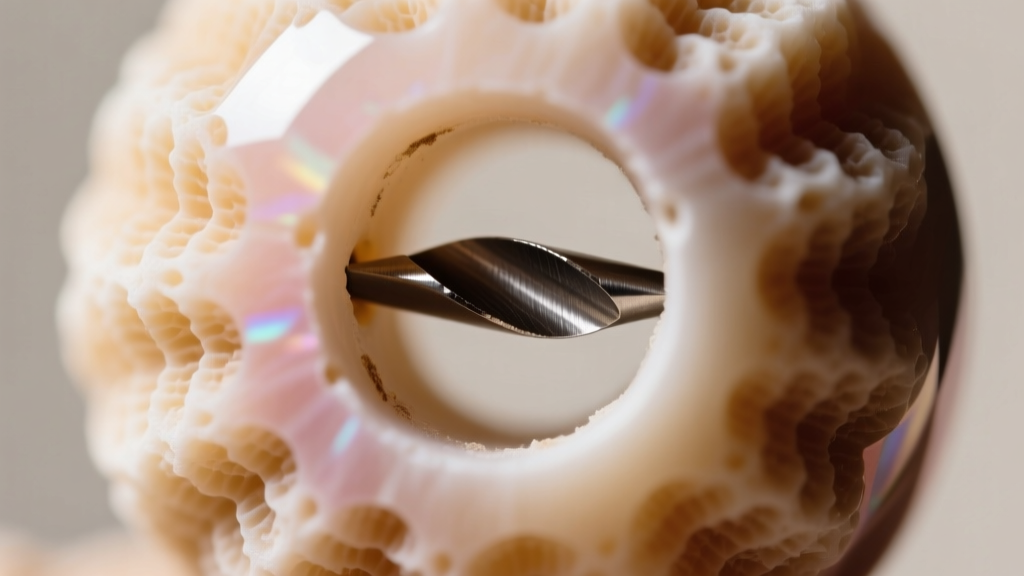
Cutting perfect spheres from irregular, branching coral structures results in massive material loss. Lower-quality strands often feature slightly oval or "barrel-shaped" beads to maximize yield. Furthermore, the drill hole itself is a major indicator of value. High-end strands feature micro-drilled holes (often under 0.8mm) that are perfectly centered and clean. Jagged, off-center, or wide drill holes indicate mass-production techniques that compromise the structural integrity of the bead and lower the necklace's overall value.
4. Stringing and Hardware Provenance
A $20,000 strand of angel skin coral should never be strung on cheap nylon or wire, which can cut into the soft calcium carbonate over time. Authentic, high-value pieces are hand-knotted on pure silk thread, with a knot placed between every single bead to prevent loss if the strand breaks and to protect the beads from grinding against one another. The clasp should be hallmarked 14k or 18k gold, often featuring a figure-eight safety catch.
Red Flags: Spotting Fakes and Overpriced Treatments
The secondary market is flooded with angel skin coral imitations designed to separate inexperienced buyers from their budgets. Here is how to identify the most common deceits:
- Dyed Howlite and Magnesite: These porous white minerals are frequently dyed pink to mimic coral. Under magnification, you will see the dye concentrating in the natural gray veining of the howlite, a dead giveaway. Furthermore, howlite lacks the subtle, waxy luster of true coral.
- Reconstituted Coral Dust: Manufacturers will grind up low-quality, off-color coral scraps, mix them with epoxy and pink dye, and press them into molds. These beads look too perfect, lack natural growth striations, and will melt or emit a harsh chemical odor if subjected to a careful, localized hot-point test.
- Glass and Plastic: Glass will feel unnaturally heavy and cold to the touch, while plastic will feel exceptionally light and warm. Neither will exhibit the subtle, organic grain structure visible on the surface of real coral.
- The Acetone Test: To check for surface dyes applied to pale coral to make it look like premium angel skin, gently wipe an inconspicuous area with a cotton swab dipped in acetone (nail polish remover). If the swab turns pink, the stone has been artificially colored.
Ethical Sourcing and CITES Compliance
You cannot discuss the budget and value of precious coral without addressing global conservation laws. Several species of precious coral are regulated under the Convention on International Trade in Endangered Species (CITES). Overharvesting and ocean acidification have severely threatened deep-sea coral beds.
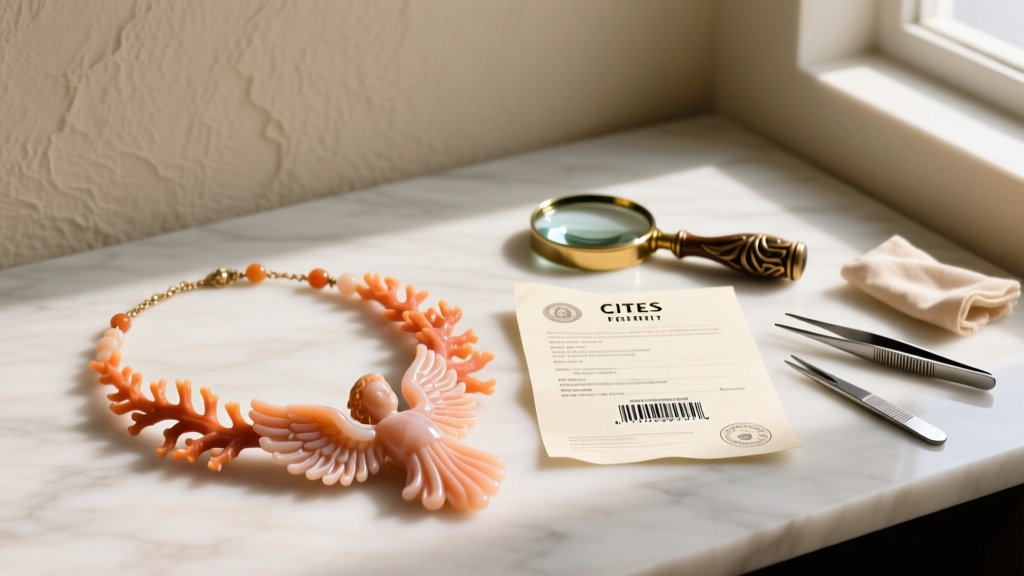
For the 2026 buyer, this regulatory environment creates a unique budget opportunity: Vintage and Antique Coral. Necklaces harvested and crafted prior to the 1970s are highly sought after not just for their superior, old-growth material quality, but because they bypass many modern CITES export/import restrictions when accompanied by proper antique appraisal documentation. A vintage angel skin coral necklace from the mid-century often carries a 15% to 20% premium over newly harvested strands of identical quality, purely due to the ease of legal transport and the ethical peace of mind it provides the buyer.
Final Verdict: Is It Worth the Investment?
An angel skin coral necklace is not a traditional "liquid" investment like a diamond or gold bullion; it is a collector's asset driven by extreme scarcity and artisanal appreciation. If your budget is under $1,500, you are almost certainly looking at commercially graded, heavily treated coral or dyed substitutes. While beautiful, these will not hold their financial value over time.
Expert Appraiser Tip: Never store your coral necklace in a dry safe deposit box for extended periods. As an organic gem containing trace amounts of water, coral can dehydrate, crack, and lose its signature blush if kept in ultra-low humidity environments. Store it in a soft cloth pouch in a climate-controlled room to preserve both its physical integrity and its financial value.
For those willing to invest in the $8,000 to $20,000 range for Fine to Gem-grade strands, an angel skin coral necklace remains one of the most breathtaking and historically significant organic gems available on the market today. Demand will only continue to outpace supply, making pristine, untreated strands a true heirloom asset for the next generation.


