The Ultimate Mens Necklace Lengths Chart and Sizing Guide
Master your style with our definitive mens necklace lengths chart. Learn exact measurements, chain widths, and clasp types for the perfect fit.

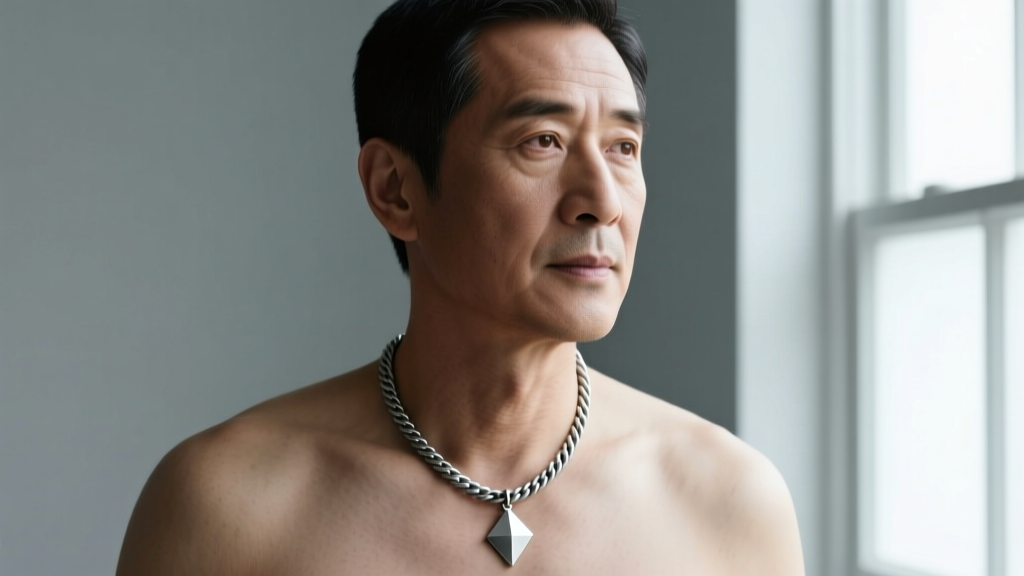
Buying a chain online without a physical reference point is one of the most common pitfalls in men's jewelry. A piece that looks substantial on a digital model might sit awkwardly tight on your collarbone, or a delicate pendant chain might disappear entirely beneath your t-shirt. Understanding proportion, hardware integrity, and anatomical placement is the difference between a refined accessory and a costly mistake.
This beginner-friendly explainer breaks down the exact science of chain sizing. We will move beyond generic style advice and dive into the specific metrics—millimeter widths, clasp weight ratings, and alloy compositions—that dictate how a necklace actually wears in real life.
Why Anatomical Proportion Dictates Chain Length
The average adult male neck circumference ranges between 15.5 and 17 inches. Because chains must clear the head (which typically requires a minimum 22-inch inner circumference if no clasp is present) and drape comfortably over the trapezius muscles, a 16-inch chain is functionally a choker for most men. When evaluating a mens necklace lengths chart, you must account for your specific build. A 20-inch chain on a man with a 14-inch neck will drape like a 24-inch chain on a man with a 19-inch neck. Always measure your neck with a soft tailor's tape and add 2 to 4 inches to determine your baseline comfortable length.
The Definitive Mens Necklace Lengths Chart
Below is the industry-standard sizing matrix used by jewelers and stylists. Use this chart as your primary decision framework when selecting a new piece.
| Length (Inches / cm) | Anatomical Placement | Best Chain Styles | Ideal Pendant Size | Style Vibe |
|---|---|---|---|---|
| 18" (45 cm) | Base of the neck / Collarbone | Box, Snake, Thin Rope (1-2mm) | Small (0.5" - 1") | Tailored, minimalist, European |
| 20" (50 cm) | At the collar / Upper chest | Curb, Figaro, Mariner (3-4mm) | Medium (1" - 1.5") | Versatile, everyday standard |
| 22" (55 cm) | Below the collar / Mid-chest | Cuban, Rope, Wheat (4-6mm) | Large (1.5" - 2.5") | Relaxed, streetwear, bold |
| 24" (60 cm) | Mid-chest / Sternum level | Thick Cuban, Tennis, Mohawk (6mm+) | Oversized or Dog Tags | Hip-hop, statement, athletic |
| 30"+ (76+ cm) | Below the chest / Solar plexus | Heavy Link, Beaded, Leather | Massive medallions / Crosses | Avant-garde, layered, vintage |
Chain Width and Gauge Dynamics
Length is only half the equation; width determines visual weight and structural integrity. Chain width is measured in millimeters (mm), and choosing the wrong gauge can lead to structural failure or visual imbalance.
- 1mm - 2mm (Delicate): Strictly for lightweight pendants (under 10 grams). These chains are prone to kinking and should never be worn as standalone pieces unless you are aiming for an ultra-minimalist aesthetic. Best paired with an 18" or 20" length.
- 3mm - 5mm (The Sweet Spot): The most versatile range. A 4mm Figaro or Curb chain at 20 inches is the quintessential men's starter chain. It is thick enough to wear alone but possesses enough flexibility to accommodate most standard pendant bails.
- 6mm - 10mm (Statement): Heavy, rigid, and highly visible. These widths are best reserved for 22" to 24" lengths, as shorter lengths in these widths will feel like a rigid collar and restrict neck movement.
The Bail-to-Chain Ratio Rule
A frequent beginner error is buying a chain that is too thick for the pendant's bail (the loop that connects the pendant to the chain). As a strict rule of thumb, the inner diameter of the pendant bail must be at least 1.5mm larger than the width of your chain. If you are buying a 5mm Cuban chain, your pendant bail needs an inner clearance of at least 6.5mm to slide freely. Forcing a tight bail onto a thick chain will grind away the metal plating over time and eventually snap the bail loop.
Material Alloys and Hardware Integrity
The longevity of your necklace is dictated by its metallurgy and its clasp. According to the Gemological Institute of America (GIA), understanding metal alloys is crucial for avoiding skin irritation and premature tarnishing.
Decoding the Alloys
316L Stainless Steel: The gold standard for durable, affordable everyday chains. The 'L' stands for low carbon, and the alloy contains molybdenum, which provides exceptional resistance to chloride corrosion (sweat and saltwater). It will not tarnish and is highly hypoallergenic. Expect to pay $40 to $150 for high-quality PVD-plated or solid steel chains.
925 Sterling Silver: Composed of 92.5% pure silver and 7.5% copper. The copper is necessary for hardness, but it is also the reason sterling silver oxidizes and turns black when exposed to sulfur and moisture. It requires regular polishing with a jeweler's cloth. Prices range from $100 to $500 depending on weight and craftsmanship.
14k Solid Gold: Containing 58.5% pure gold, 14k is the optimal balance of rich color and tensile strength. 18k gold (75% pure) is softer, heavier, and more prone to scratching, making 14k the superior choice for heavy link chains that endure daily friction. According to jewelry manufacturing standards outlined by suppliers like Rio Grande, 14k gold offers the best structural memory for intricate link styles like the box or wheat chain.
Clasp Weight Ratings
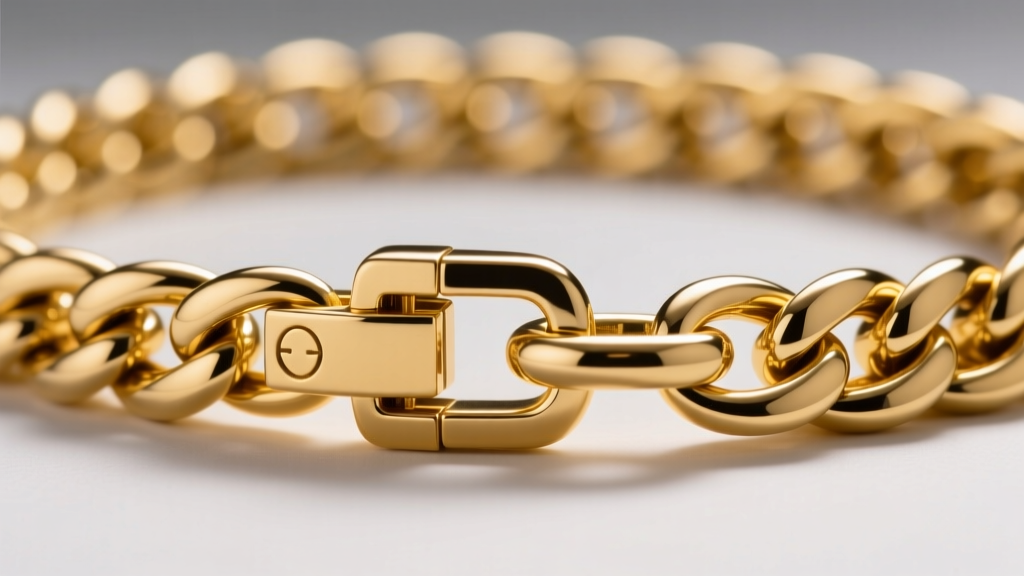
Never trust a spring ring clasp on a chain heavier than 20 grams. Spring rings rely on a tiny internal wire spring that easily fails under the kinetic shock of a swinging chain. For chains between 20g and 60g, a cast lobster clasp is mandatory. For heavy Cuban links exceeding 80g, you must demand a box clasp with a secondary safety mechanism, such as a figure-eight wire catch, to prevent catastrophic loss if the primary latch snags on clothing.
Pairing Lengths with Everyday Necklines
Contextualizing your chain with your wardrobe is where personal style is forged. Fashion authorities at GQ frequently emphasize that the neckline of your shirt should dictate the metal on your chest.
"The chain should never compete with the collar; it should complement the negative space the fabric creates."
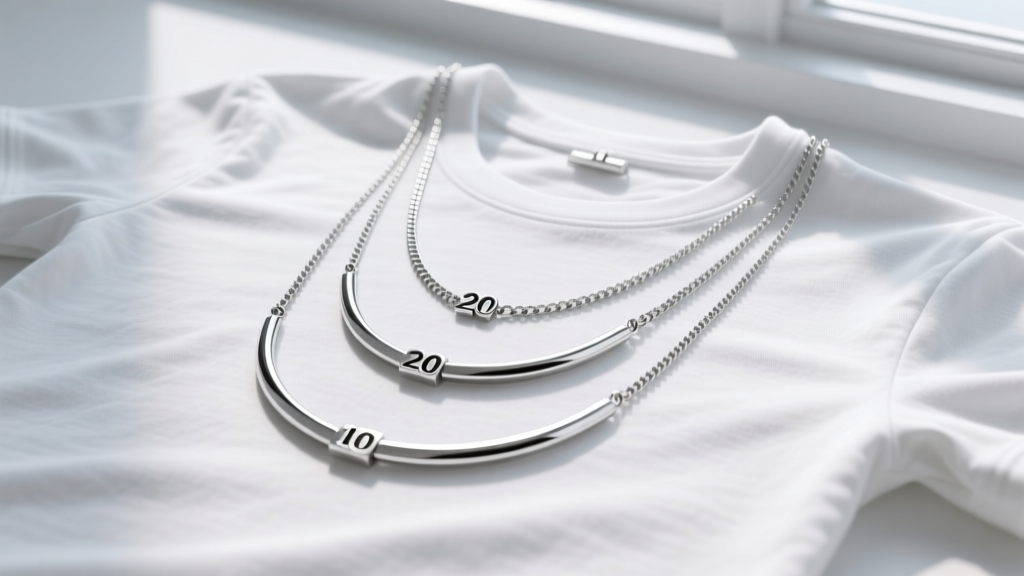
The Crew Neck T-Shirt: The most common canvas. A 20-inch chain (50cm) will sit perfectly just below the ribbed collar of a standard crew neck, framing the collarbones without getting swallowed by the cotton. Stick to 3mm-5mm widths here.
The V-Neck and Henley: These garments create a plunging vertical line. Mirror this geometry with a 22-inch or 24-inch chain featuring a vertical drop pendant (like a bar, dagger, or elongated cross). Avoid wide, horizontal pendants that clash with the V-shape.
The Button-Down Oxford: When worn unbuttoned at the top, an 18-inch or 20-inch delicate chain (2mm) resting against the bare skin provides a sophisticated, subtle glimpse of metal. If you button the shirt to the collar, skip the necklace entirely to avoid damaging the silk or gold against the stiff collar stays.
Troubleshooting Common Fit and Wear Issues
Even with the perfect mens necklace lengths chart, real-world wear introduces variables. Here is how to troubleshoot the most common complaints:
Problem: The pendant constantly flips upside down.
Solution: This happens when the chain is too rigid (like a thick Cuban) or the pendant bail is too wide. Switch to a highly flexible chain like a Wheat, Rope, or Snake chain. These styles possess fluid, multi-directional articulation that allows gravity to naturally keep the pendant facing forward.
Problem: The chain pulls chest hair or pinches the skin.
Solution: You are likely wearing a Curb or Figaro chain with poorly soldered or flat-beveled links. Look for chains with rounded, diamond-cut, or fully soldered links. Alternatively, opt for a Box or Wheat chain, which have smooth, continuous surfaces that glide over hair rather than catching it.
Problem: The metal leaves a green or black mark on your neck.
Solution: You are wearing a base metal (like brass or copper) plated with a microscopic layer of gold or silver. Once the plating wears off, your sweat reacts with the copper, creating copper chloride. The only permanent fix is to upgrade to solid 316L stainless steel, solid 14k gold, or platinum. Avoid 'gold plated' or 'gold filled' if you have acidic sweat or live in a humid climate.
By treating your jewelry purchase as an exercise in geometry and metallurgy rather than just a fashion impulse, you guarantee a piece that fits perfectly, lasts a lifetime, and elevates your daily uniform effortlessly.


