Single Star Necklace Gift Guide: Match Occasions in 2026
Discover the perfect single star necklace for every milestone. Our 2026 gift guide covers metals, chain lengths, and occasion matching for stellar gifting.

The Enduring Appeal of the Celestial Motif
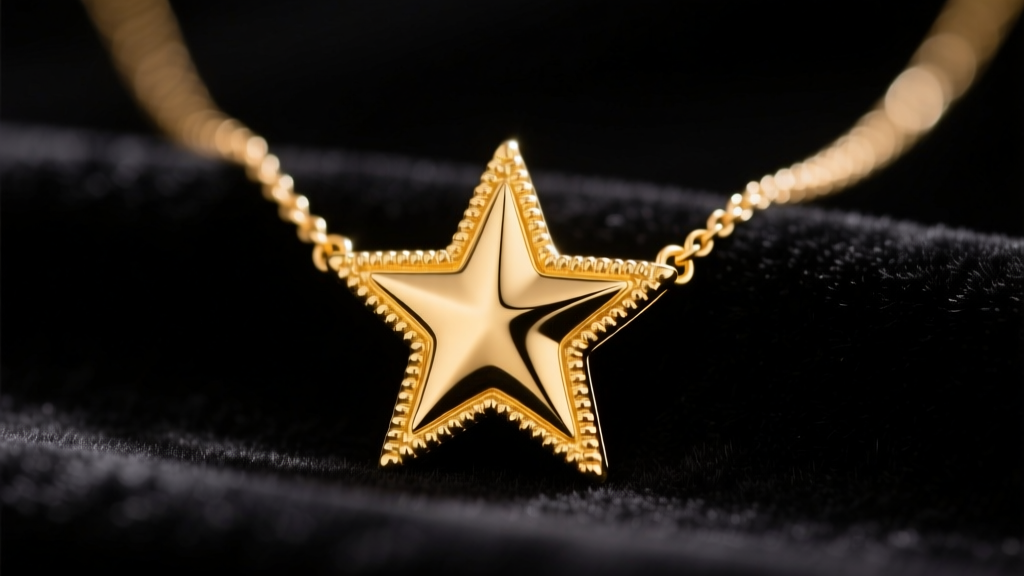
Few jewelry silhouettes carry the universal resonance of a single star necklace. As we navigate the gifting landscape of 2026, the celestial trend has matured from a fleeting seasonal fad into a permanent staple of modern jewelry wardrobes. Unlike overly ornate pendants that can feel dated after a few years, the geometric simplicity of a solitary star offers a timeless elegance. Whether crafted with razor-sharp modern lines or softened with vintage-inspired milgrain edges, this piece serves as a deeply personal talisman. For gifters, understanding the nuances of metal grades, chain mechanics, and symbolic weight is the difference between presenting a generic accessory and a profound, wearable keepsake.
Decoding Materials: Karats, Alloys, and 2026 Price Points
When selecting a single star pendant, the metallurgical composition dictates not only the price but the longevity of the piece. According to the Gemological Institute of America (GIA), the purity of gold is measured in karats, which directly impacts the durability of sharp pendant points. A star with delicate, sharp tips will bend easily if cast in 22k or 24k gold. Therefore, 14k gold (58.5% pure gold) remains the industry gold standard for everyday celestial pendants, offering the perfect equilibrium of rich color and structural integrity.
| Material Grade | Durability & Wear Profile | Estimated 2026 Price Range | Best For |
|---|---|---|---|
| 925 Sterling Silver | Moderate; prone to tarnish and scratching. Often rhodium-plated. | $45 - $130 | Teen milestones, budget-friendly gifting, casual wear. |
| 14k Solid Gold (Yellow/White/Rose) | High; excellent resistance to bending and daily wear. Hypoallergenic. | $280 - $650 | Graduations, anniversaries, permanent daily wear. |
| 18k Solid Gold | Moderate-High; richer color but softer. Points may dull over time. | $500 - $950 | Luxury gifting, diamond-accented heirloom pieces. |
| Platinum (950) | Exceptional; heavy, dense, and naturally white. Will not tarnish. | $850 - $1,600+ | Push presents, major anniversaries, high-carat diamond accents. |
For white gold options, be aware that the rhodium plating will eventually wear off, revealing the slightly yellowish alloy beneath. If the recipient prefers a low-maintenance white metal, platinum is the superior, albeit more expensive, choice.
Chain Gauges, Weaves, and Clasp Mechanics
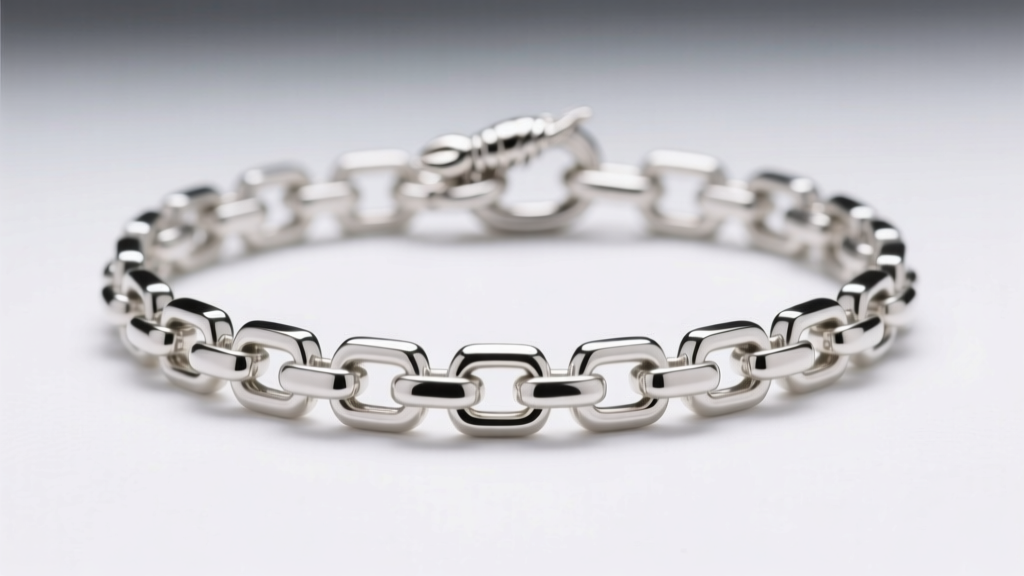
A common gifting mistake is focusing entirely on the star pendant while neglecting the chain that suspends it. The chain's gauge (thickness) and weave dramatically alter the necklace's drape and durability. A single star necklace typically features a petite to medium-sized pendant, which requires a chain that complements rather than overpowers it.
- Cable Chains (20 to 22-gauge): The classic choice. Oval links interlock uniformly. While beautiful, thinner cable chains (22-gauge) are prone to kinking and catching on hair or knitwear.
- Box Chains (18 to 20-gauge): Composed of square links that create a smooth, continuous surface. Box chains are highly recommended for star pendants because they resist kinking and reflect light beautifully, mimicking the celestial theme.
- Rolo Chains (18-gauge): Featuring alternating round or oval links, rolo chains offer a slightly more robust, vintage feel. They are excellent for heavier, solid-gold star pendants.
Equally critical is the clasp mechanism. Avoid spring-ring clasps, which are notoriously difficult to fasten without assistance and feature a weak internal spring that fails over time. Always opt for a lobster claw clasp, which offers a secure, ergonomic closure. For luxury gifts, a hidden magnetic clasp or a branded signature clasp adds a bespoke touch that elevates the unboxing experience.
The Occasion Matrix: When to Gift the Celestial Motif
The symbolism of a star—guidance, ambition, and constancy—makes the single star necklace an incredibly versatile gift. However, matching the specific design to the occasion requires strategic thinking.
Graduations and the 'North Star' Milestone
For high school or college graduations, the star represents finding one's path. Opt for a minimalist, high-polish 14k yellow gold star on a 16-inch or 18-inch cable chain. The simplicity allows the graduate to wear it daily as a foundational layering piece as they enter the professional world. Engraving the date of graduation or a single initial on the back of the star pendant adds a deeply personal, archival quality to the gift.
Anniversaries and Romantic Constancy
When gifting for an anniversary, elevate the single star necklace with diamond accents. A star featuring a central bezel-set diamond (typically 0.05 to 0.15 carats) or a halo of micro-pavé diamonds transforms the piece from a casual talisman into fine jewelry. According to Jewelers of America, ensuring the diamonds are conflict-free and properly graded adds immense emotional and ethical value to romantic gifts. An 18-inch box chain in white gold or platinum provides the perfect icy backdrop for diamond accents.
Push Presents and Motherhood
The star is a universal symbol of a new light entering the world. For a push present or a first Mother's Day, consider a slightly larger, textured star pendant (such as a hammered or diamond-cut finish) that catches the light from every angle. Pairing the star with a tiny birthstone accent on the bail (the loop connecting the pendant to the chain) creates a customized narrative that celebrates the child while centering the mother's journey.
Layering Frameworks for the Modern Recipient
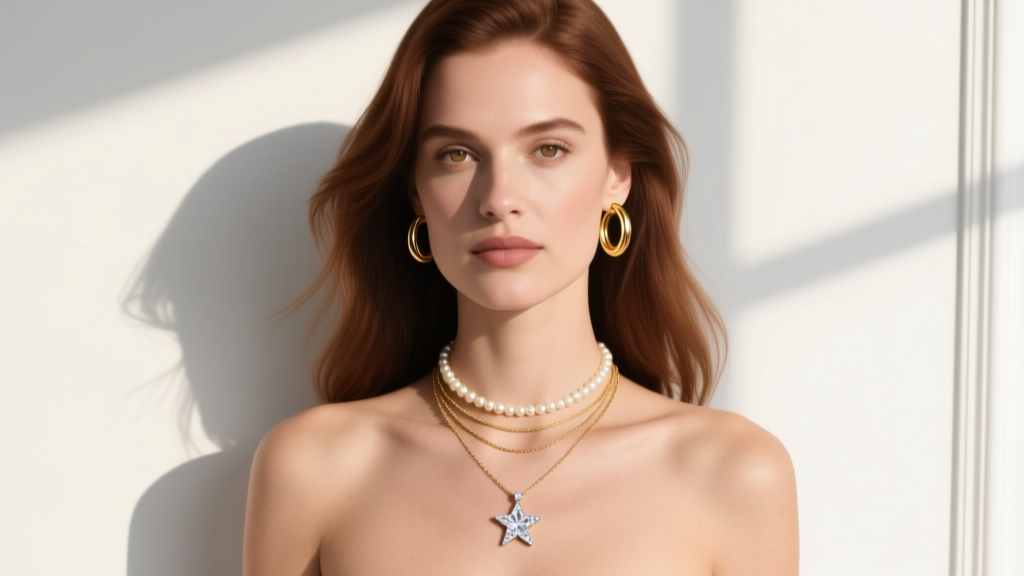
In 2026, the solo necklace is often just the starting point. The single star necklace is arguably the most layer-friendly pendant in existence due to its geometric neutrality. When gifting, consider the recipient's existing jewelry wardrobe. If they are an avid layerer, a 16-inch single star necklace acts as the perfect 'middle layer' between a 14-inch pearl or diamond choker and a 20-inch heavy paperclip or Cuban link chain. The sharp angles of the star provide a necessary visual break against the roundness of pearls or the heavy linearity of modern chain links.
Expert Buying Tips: Avoiding Common Gifting Pitfalls
To ensure your gift stands the test of time, avoid these frequent missteps when shopping for a single star necklace:
- Hollow-Back Pendants: Many mass-market jewelers use hollowed-out backs to save on gold weight. While cheaper, these pendants dent easily and cannot be repaired by a jeweler if crushed. Always verify that the star is solid or features a reinforced backing.
- Ignoring Nickel Allergies: If the recipient has sensitive skin, avoid standard white gold, which is often alloyed with nickel. Instead, choose platinum, palladium-white gold, or stick to yellow and rose gold alloys, which are typically nickel-free.
- Fixed Bails vs. Sliding Bails: A fixed bail (soldered directly to the star) keeps the pendant perfectly centered but limits chain options. A sliding bail allows the pendant to move freely along the chain, which prevents tangling and accommodates thicker chain weaves.
By prioritizing structural integrity, thoughtful material selection, and occasion-specific symbolism, a single star necklace transcends being a mere accessory. It becomes a wearable landmark, a quiet reminder of a specific moment in time, and a brilliant addition to any jewelry collection.


