Hawaiian Flower Necklace Name & Value: Plumeria Guide
Discover the true Hawaiian flower necklace name, from Plumeria to Pikake. Compare 2026 gold and silver heirloom values, pricing, and buying tips.

The Search for the Hawaiian Flower Necklace Name
When visitors to the islands first spot the intricate, deeply carved floral pendants worn by locals, a common search query quickly follows: what is the Hawaiian flower necklace name? The answer is rarely a single word. Hawaiian jewelry is deeply rooted in royal history, and the floral motifs represent specific botanical treasures of the islands. From a budget and value assessment perspective, identifying the exact flower and the metal composition is the difference between purchasing a $40 tourist-trap trinket and investing in a multi-generational heirloom piece that retains its intrinsic metal value.
The tradition of Hawaiian heirloom jewelry actually began in the late 1800s, inspired by the mourning jewelry of Queen Victoria following the death of Prince Albert. Queen Liliʻuokalani and other Hawaiian royals adopted the style, incorporating native floral motifs and the Hawaiian language into deep, black-enamel engravings. When you purchase a modern Plumeria pendant, you are buying into a lineage that spans over a century. This historical weight is a significant factor in the value retention of authentic pieces compared to generic floral jewelry.
Plumeria vs. Pikake: Decoding the Motifs
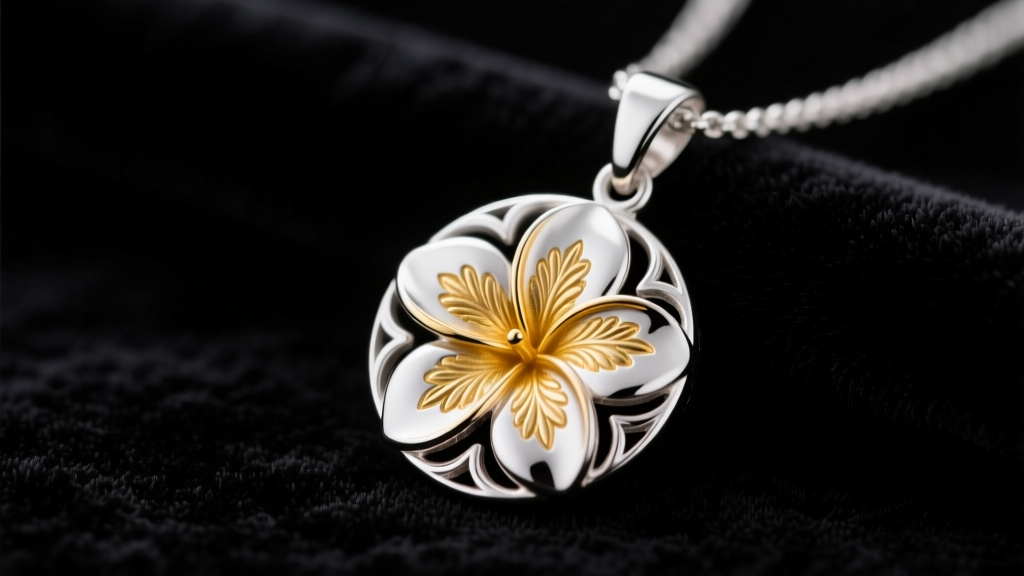
The most ubiquitous answer to the Hawaiian flower necklace name query is the Plumeria (also known as Frangipani). Recognizable by its five distinct, asymmetrical petals, the plumeria symbolizes positivity, charm, and new beginnings. In traditional Hawaiian heirloom jewelry, the plumeria is often rendered in yellow gold against a sterling silver background, or carved entirely from solid gold.
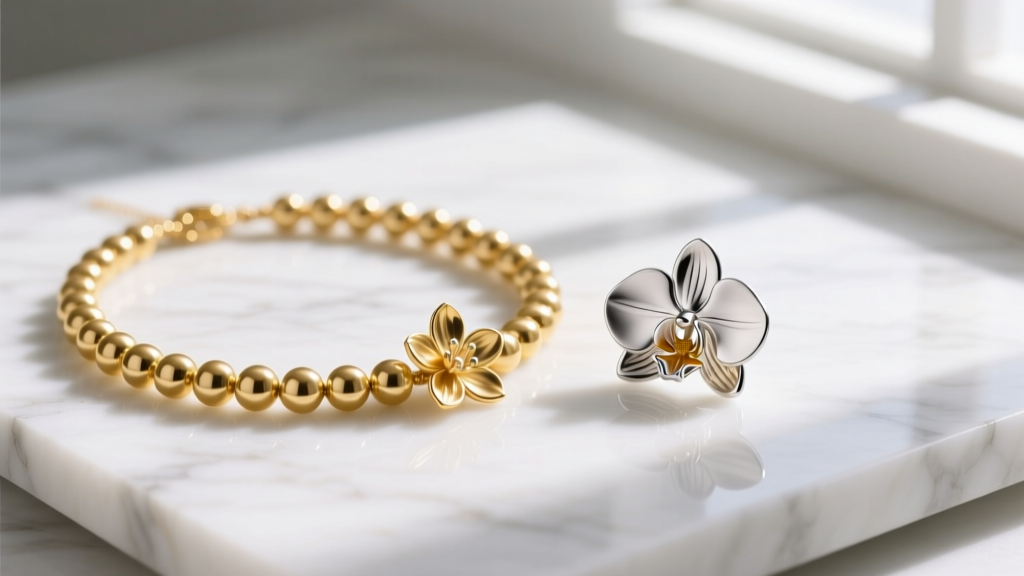
The second most common motif is the Pikake (Arabian Jasmine). Unlike the flat pendant style of the plumeria, pikake necklaces often feature long strands of small, spherical gold or silver beads designed to mimic jasmine buds. According to the Bishop Museum, Princess Kaiulani famously favored the pikake flower, cementing its status in Hawaiian royal adornment. When assessing value, a solid gold pikake bead necklace requires significantly more raw material and labor than a stamped plumeria pendant, drastically altering the price point.
Material Composition and Heirloom Value
Understanding the metal grade is critical when evaluating the budget and long-term value of Hawaiian floral jewelry. The traditional 'Hawaiian Heirloom' style was popularized in the late 19th century, characterized by sterling silver bases with intricate, scrollwork engravings filled with black vitreous enamel or accented with gold.
The Enamel Process and Value Impact
The presence and quality of vitreous enamel heavily influence the budget and aesthetic value of a sterling silver Hawaiian flower necklace. Vitreous enamel is essentially crushed glass fused to metal at extremely high temperatures. It will not fade, scratch easily, or degrade over time. In contrast, cheaper tourist versions use cold epoxy paint to fill the engraved lines. This epoxy will yellow, chip, and peel within a few years of exposure to ocean salt, sweat, and UV light. When assessing a piece in a Honolulu storefront, run your fingernail lightly over the black fill. If it feels perfectly flush and glass-smooth, it is likely true enamel. If it feels slightly raised or shows microscopic bubbling, you are looking at an epoxy-filled piece that does not justify a premium price tag.
The Gold Purity Spectrum
According to the Gemological Institute of America (GIA), the karat weight dictates both the durability and the intrinsic melt value of the piece. For a 15-gram Plumeria pendant, the alloy choice dramatically shifts the budget:
- 10k Gold (41.7% pure): The most budget-friendly solid gold option. Highly durable and resistant to scratching, making it ideal for daily-wear floral pendants, though it lacks the rich, buttery yellow hue preferred in traditional island jewelry.
- 14k Gold (58.3% pure): The industry standard for Hawaiian heirloom pieces. It offers the perfect balance of structural integrity for deep engraving and the warm color associated with island flora.
- 18k Gold (75% pure): Reserved for high-end, luxury bespoke pieces. It is softer, meaning deep engraving can sometimes warp the metal if not cast thickly, but it commands a massive premium on the secondary estate market.
2026 Budget & Value Assessment Matrix
To help you navigate the market, we have compiled a value assessment matrix comparing the three most common tiers of Hawaiian flower necklaces available in 2026. This framework separates genuine metal value from retail markup.
| Material Tier | Typical Flower Motif | 2026 Price Range | Value Retention | Budget Verdict |
|---|---|---|---|---|
| Gold-Plated Brass / Copper | Plumeria (Mass-produced) | $40 - $120 | Zero (Costume) | Avoid. High tourist markup, base metals cause skin oxidation. |
| Sterling Silver w/ 14k Gold Fill | Plumeria / Orchid | $250 - $450 | Moderate (Silver melt + labor) | Best entry-level heirloom. Thick gold layer prevents rapid wear. |
| Solid 14k Yellow Gold | Plumeria / Pikake | $1,100 - $3,500+ | High (Intrinsic gold value) | True investment piece. Retains value tied to global gold spot prices. |
Authenticating Hawaiian Floral Jewelry
When investing in solid gold or traditional silver heirloom pieces, authentication is paramount. The Federal Trade Commission Jewelry Guides strictly regulate how gold fill and karatage are stamped. A genuine Hawaiian heirloom pendant will bear a maker's mark (such as 'Maile's', 'Royal Hawaiian Heritage', or 'HHC') alongside the metal purity stamp (e.g., '14K' or '925').
Beware of 'Hawaiian-style' jewelry sold on mainland chain stores or online marketplaces. These are often cast using the lost-wax method in overseas factories, resulting in shallow, uniform engravings that lack the hand-cut depth and black enamel contrast of authentic Oahu-based jewelers. True heirloom pieces feature hand-engraved scrollwork that catches the light differently on every curve, a labor-intensive process that justifies the higher budget tier.
Chain Selection for Heavy Floral Pendants
A common mistake buyers make is pairing a heavy, solid gold Plumeria pendant with a flimsy chain, leading to inevitable breakage and loss. The budget for your necklace must include a structural chain capable of supporting the pendant's gram weight.
- For Pendants under 10 grams: A 1.2mm to 1.5mm solid rope chain or a wheat chain provides excellent tensile strength while maintaining a delicate, traditional look.
- For Pendants over 15 grams (Large Plumeria or Multi-flower clusters): You must upgrade to a 2.0mm to 2.5mm box chain or a reinforced Figaro chain. Box chains are particularly recommended for Hawaiian jewelry because their geometric links mirror the structured, geometric scrollwork of the heirloom engravings.
Furthermore, never overlook the clasp mechanism when budgeting for a high-value necklace. A heavy 14k gold Plumeria pendant should never be secured with a standard spring-ring clasp, which is prone to internal spring failure and accidental snagging. Always insist on a solid lobster claw clasp or, for the highest security, a specialized lockable box clasp with a figure-eight safety catch. The cost difference to upgrade a clasp is usually under $50, but it protects a $2,000 investment from being lost in the surf.
Final Value Verdict
Discovering the true Hawaiian flower necklace name is just the first step in your purchasing journey. Whether you are seeking the five-petal Plumeria or the delicate Pikake beads, the value of the piece is entirely dictated by its metal purity, the depth of its engraving, and its structural integrity. By bypassing gold-plated tourist traps and focusing your budget on sterling silver with heavy gold fill or solid 14k gold, you secure a piece of island history that will outlast fleeting jewelry trends and retain its financial and sentimental value for generations.


