Decoding Taylor Swift's Necklace Style & 2026 Trends
Discover how to layer and style Taylor Swift's necklace looks for 2026. Expert breakdown of chain gauges, pendant styles, and red carpet layering techniques.

The Evolution of a Pop Culture Jewelry Icon
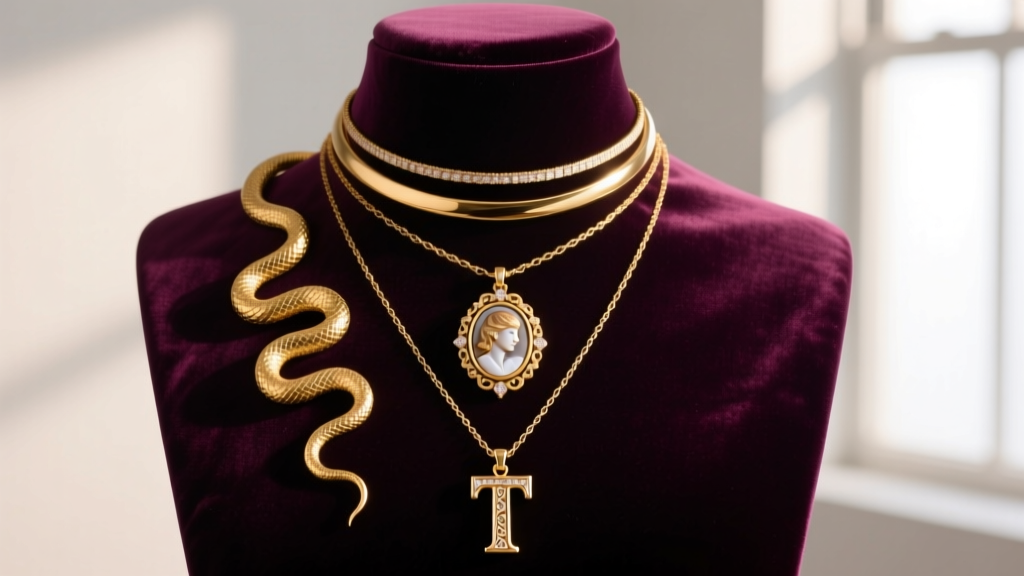
When analyzing modern jewelry trends, few cultural forces wield as much influence as Taylor Swift's necklace styling. Over the past decade, her approach to neckwear has evolved from delicate, barely-there chains to highly curated, storytelling stacks that dominate red carpets and stadium screens alike. As we move through 2026, the shift away from minimalist, mass-produced pendants toward archival, gothic-romantic, and historically significant jewelry is undeniable. Swift’s recent appearances have cemented a new era of necklace layering—one that prioritizes mixed metals, varied chain weaves, and pendants steeped in personal lore.
For jewelry enthusiasts and stylists, replicating this aesthetic requires more than just buying a handful of gold chains. It demands a technical understanding of chain gauges, clasp mechanics, and the visual weight of different pendant materials. In this comprehensive style analysis, we decode the anatomy of Taylor Swift's necklace stacks and provide a definitive framework for building your own 2026-ready layers.
Anatomy of the Signature Stack: Gauges, Weaves, and Lengths
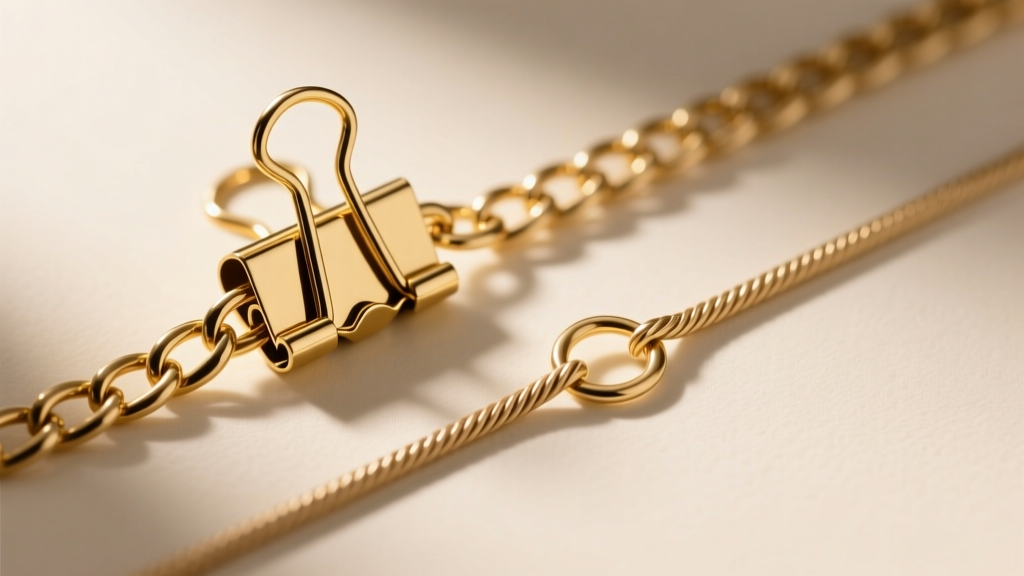
The foundation of any successful layered look lies in the chains themselves. A common mistake is layering chains of the same weave and gauge, which leads to inevitable tangling and a flat, one-dimensional aesthetic. Swift’s stylists consistently utilize a strategic mix of chain types to create depth and prevent the necklaces from knotting together. Below is a breakdown of the core chain architectures used in her most iconic 2025 and 2026 stacks.
| Chain Type | Gauge / Width | Ideal Length | Best Use in Stack |
|---|---|---|---|
| Cable Chain | 1.2mm - 1.5mm | 14' - 15' | Base layer; ideal for lightweight initial or birthstone pendants. |
| Rolo Chain | 2.0mm - 2.5mm | 16' - 17' | Mid layer; provides structural support for medium-weight lockets. |
| Paperclip Chain | 3.0mm - 4.5mm | 18' - 20' | Statement layer; adds modern, industrial contrast to vintage pieces. |
| Snake Chain | 1.5mm - 2.0mm | 15' - 16' | Sleek base; excellent for heavy, smooth-backed pendants like cameos. |
By alternating between the tight, uniform links of a cable chain and the open, elongated loops of a paperclip chain, you reduce surface friction. This technical nuance is what allows Swift to wear three to four necklaces simultaneously during high-energy performances or lengthy award shows without constant readjustment.
The 2026 Pendant Shift: Archival Cameos and Gothic Motifs
While the 'Eras Tour' popularized the 14k solid gold initial pendant and the number '13' motif, 2026 has introduced a dramatically different pendant vocabulary. According to Vogue's ongoing coverage of her style evolution, Swift has increasingly gravitated toward Victorian-inspired mourning jewelry, archival cameos, and serpentine motifs. This shift reflects a broader industry trend toward 'dark academia' and romantic gothic aesthetics.
Decoding the Motifs
- The Serpent: Historically symbolizing eternity and rebirth, snake pendants wrapped in marcasite or pavé diamonds have become a staple in her 2026 street style. The articulation of the snake's spine allows it to lay flat against the collarbone, a crucial detail for comfort.
- The Cameo: Hand-carved agate or shell cameos set in oxidized sterling silver or 18k yellow gold offer a striking visual weight. The Gemological Institute of America (GIA) notes that authentic Victorian cameos feature deep undercutting, a detail that modern laser-cut replicas often miss. When sourcing cameos, look for the translucent glow of genuine sardonyx.
- The Locket: Moving beyond simple hearts, the current trend favors oval, engine-turned lockets with guilloché enamel detailing. These pieces serve as intimate storytelling vessels, perfectly aligning with Swift's lyrical themes of hidden secrets and nostalgic romance.
The 2-4-2 Layering Framework
To recreate the effortless yet calculated look of Taylor Swift's necklace stacks, professional stylists rely on structural frameworks. The most effective method for everyday wear is the '2-4-2 Rule', which dictates spacing, pendant width, and metal distribution.
- 2-Inch Length Graduation: Ensure each subsequent chain is exactly 1.5 to 2 inches longer than the one above it. A 15-inch cable chain paired with a 17-inch rolo and a 19-inch paperclip creates a cascading waterfall effect that flatters the décolletage without overlapping the pendants.
- 4mm Maximum Pendant Width (Mid-Layer):strong> The middle necklace should feature a pendant no wider than 4mm to 6mm. This prevents the 'pendant collision' that occurs when walking or moving, keeping the focal points distinct.
- 2 Mixed Metals: The most defining trend of 2026 is the deliberate mixing of gold and silver. Limit your stack to two metal tones to maintain cohesion.
Mastering the Mixed-Metal Rulebook
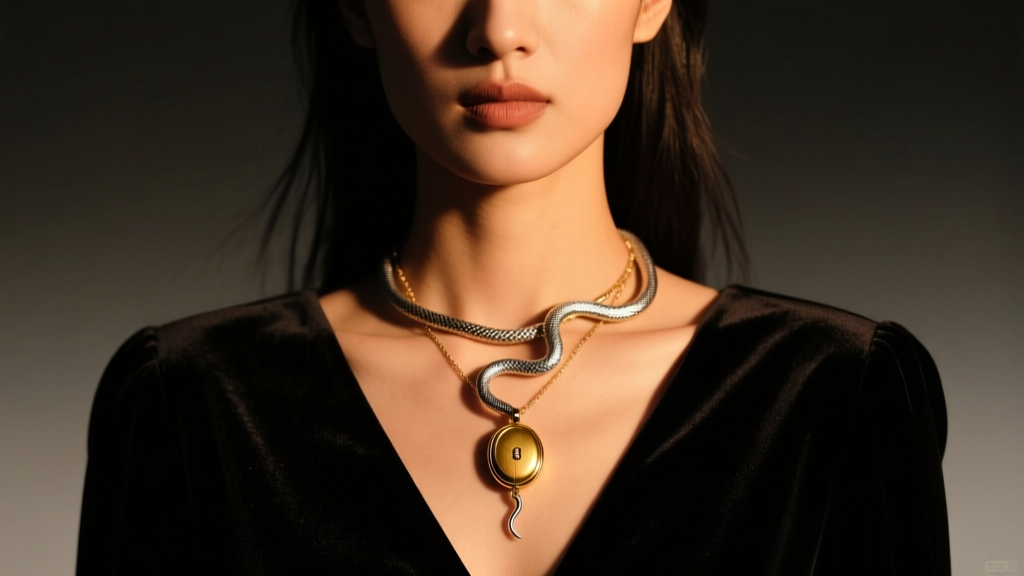
For decades, the fashion industry enforced a strict separation between yellow gold and sterling silver. However, as noted by Harper's Bazaar in their recent jewelry trend forecasts, mixed metals are no longer a faux pas; they are a hallmark of sophisticated, modern styling. Swift frequently bridges the gap between warm and cool tones by using 'transitional pieces'.
'The secret to mixing metals in a necklace stack is the bridge piece. If your base chain is 14k yellow gold and your statement chain is oxidized silver, your mid-layer pendant must incorporate both tones—perhaps a silver locket with a gold bail, or a two-tone chain weave.' — Senior Jewelry Editor
When building a mixed-metal stack inspired by Swift, pay close attention to the clasps and jump rings. Upgrading standard spring-ring clasps to 5mm lobster clasps not only ensures the security of heavy vintage pendants but also adds a subtle, high-end hardware aesthetic that elevates the entire stack. Furthermore, utilizing a 2-inch extender chain on your longest layer allows you to adjust the stack's drop depending on whether you are wearing a high-necked Victorian blouse or a deep V-neck velvet gown.
Neckline Pairings: Adapting the Stack
A crucial element of Swift's styling is how her necklaces interact with her wardrobe. The architecture of your neckline dictates the optimal chain lengths.
- The Square Neck: A 14-inch choker-style snake chain paired with a 16-inch delicate cable chain sits perfectly within the negative space of a square neckline, framing the collarbones without competing with the garment's harsh lines.
- The Crewneck / T-Shirt: Opt for longer drops. Start at 16 inches and cascade down to 22 inches. The pendants should rest below the ribbed collar of the shirt to avoid a cluttered, tangled appearance.
- The Deep V-Neck: This is the ideal canvas for the full 2-4-2 framework. The V-shape naturally draws the eye downward, making it the perfect backdrop for a heavy, dramatic cameo or an articulated snake pendant resting at the sternum.
Final Thoughts on Emulating Iconic Jewelry
Emulating Taylor Swift's necklace style in 2026 is less about purchasing exact replicas and more about understanding the mechanics of jewelry curation. By investing in varied chain weaves, prioritizing historical or deeply personal pendant motifs, and fearlessly mixing metal tones, you can build a neckwear collection that tells your own unique story. Whether you are sourcing authentic Victorian lockets from estate sales or layering modern 14k gold paperclip chains, the key is intentionality. Every link, clasp, and carat should serve a purpose in your personal style narrative.


