Is a Multi Colored Stone Necklace Worth It? 2026 Value Guide
Discover the true value of a multi colored stone necklace in 2026. We break down pricing tiers, stone treatments, and how to avoid overpaying for dyed gems.

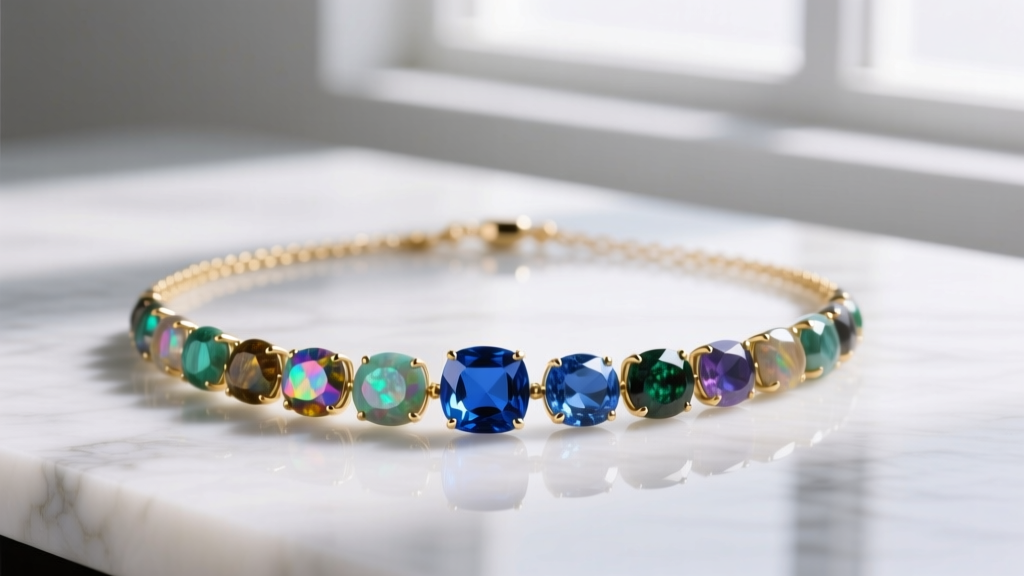
The True Cost of Multi-Gemstone Jewelry in 2026
The allure of a multi colored stone necklace lies in its vibrant, eclectic energy. Whether styled as a delicate layering piece or a bold, chunky statement collar, mixed-gemstone jewelry has dominated 2026 trend forecasts. However, beneath the dazzling array of colors lies a complex market rife with pricing disparities, hidden treatments, and structural vulnerabilities. As a buyer, how do you determine if a piece is a genuine fine jewelry investment or an overpriced fashion accessory? Assessing the true value requires looking past the rainbow facade and examining the material grades, stone authenticity, and hardware integrity.
Many consumers fall into the trap of assuming that a higher stone count equates to higher value. In reality, a necklace featuring thirty dyed agate beads may carry a hefty retail markup while possessing virtually zero resale value, whereas a piece with five precisely matched, natural bi-color tourmaline briolettes represents a tangible asset. This guide provides a rigorous budget and value assessment to help you navigate the multi-gemstone market with confidence.
Pricing Tiers: What Should You Actually Pay?
To accurately assess value, we must categorize multi colored stone necklaces into three distinct market tiers. Understanding where a piece falls will immediately tell you if the retailer's asking price is justified.
| Tier | Materials & Stones | Chain/Setting | 2026 Fair Market Price | Resale Value |
|---|---|---|---|---|
| Fashion / Entry | Dyed quartz, agate, synthetic spinel, glass | Gold-plated brass, sterling silver | $40 - $120 | 0% - 10% |
| Semi-Fine | Natural amethyst, citrine, garnet, rainbow moonstone | Gold vermeil, solid 925 silver, 10k gold | $150 - $450 | 20% - 40% |
| Fine / Investment | Natural tourmaline, multi-color sapphires, opals, emeralds | Solid 14k/18k gold, platinum | $800 - $5,000+ | 50% - 80% |
If a retailer is asking $600 for a necklace featuring "rainbow quartz" on a vermeil chain, you are being severely overcharged. Conversely, if you find a solid 18k gold necklace with natural, unheated multi-color sapphires for under $400, it is highly likely the stones are lab-created or heavily treated.
Stone Authenticity: Natural vs. Treated vs. Dyed
The most critical factor in the value assessment of any multi colored stone necklace is the origin and treatment of the gems. The jewelry industry is notorious for using treatments to create artificial "rainbows" out of cheap, pale stones.
The "Rainbow" Trap: Dyed Quartz and Agate
Approximately 70% of the affordable multi colored stone necklaces on the market utilize dyed quartz or agate. The process involves heating pale, fractured quartz and quenching it in cold, chemical dyes. The dye pools in the microscopic fractures, creating the illusion of vibrant, distinct gemstones. According to the FTC Jewelry Guides, retailers are legally required to disclose permanent dye treatments, but this rule is frequently ignored by fast-fashion and boutique brands alike.
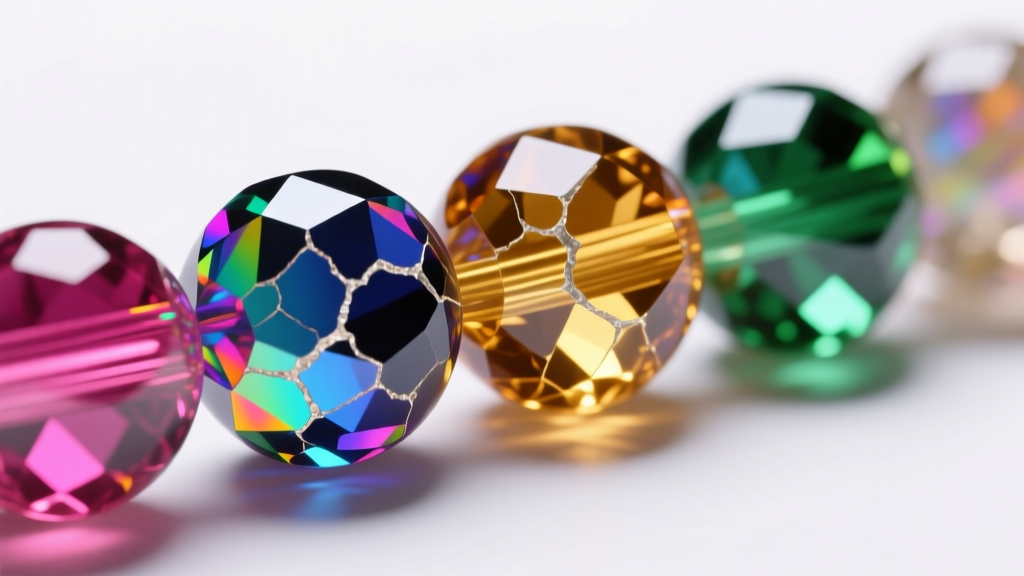
Failure Mode: Dyed stones are notoriously unstable. Exposure to perfumes, lotions, and even natural skin acidity can cause the dye to bleed, permanently staining your clothing and skin. From a value perspective, dyed stones are worth pennies per carat. Never pay a premium for them.
Natural Multi-Color Gems: Tourmaline and Sapphire
For genuine value, look for stones that exhibit natural color zoning. Watermelon tourmaline, which naturally transitions from pink to green, is a premier choice for high-end multi colored stone necklaces. According to the Gemological Institute of America (GIA), fine-quality bi-color tourmaline can command anywhere from $300 to $800 per carat, depending on the saturation and clarity of the color split.
Multi-color sapphire briolettes are another excellent investment. While heat treatment is standard and acceptable for sapphires (improving clarity and color without destroying value), you must avoid lattice diffusion. Lattice diffusion introduces foreign elements into the stone during heating to artificially create colors like bright orange or deep blue. Diffused sapphires hold a fraction of the value of naturally colored or simply heated stones.
Hardware and Chain Integrity: The Hidden Value Killer
A multi colored stone necklace is inherently heavy. A standard 16-inch necklace featuring thirty 8mm gemstone beads can easily weigh over 60 grams. This extreme weight creates a massive point of failure if the hardware is not appropriately graded.
Chain Gauge and Clasp Mechanics
Many mid-tier brands cut costs by pairing heavy stone beads with delicate 1.0mm or 1.2mm cable chains and weak spring-ring clasps. This is a catastrophic failure waiting to happen. The spring ring will eventually warp under the dynamic tension of a swinging necklace, leading to a snapped chain and lost gems.
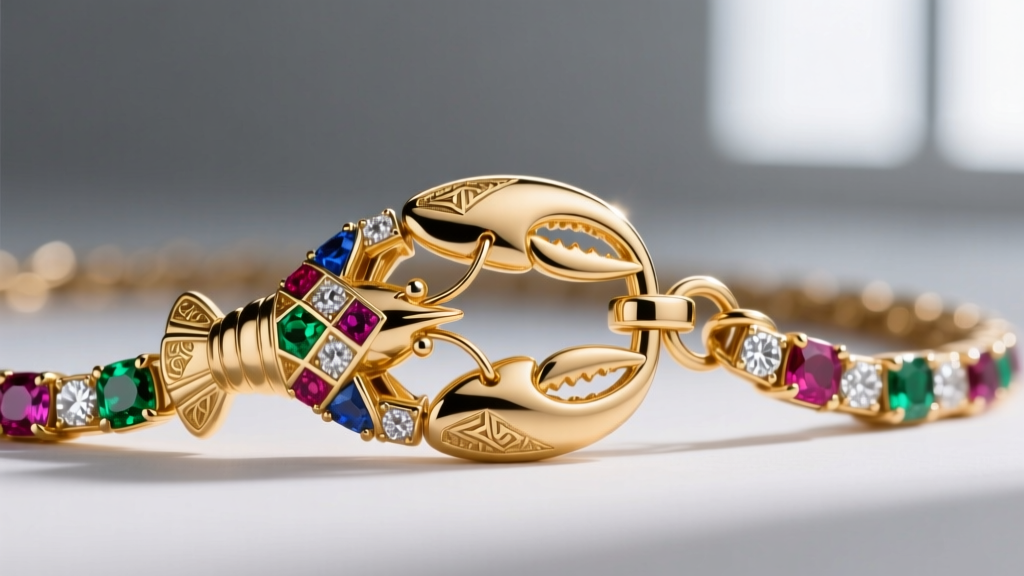
The Expert Standard: For any multi-gemstone necklace weighing over 30 grams, the chain must be a minimum of 1.8mm to 2.2mm in thickness (such as a sturdy rope or box chain). The clasp must be a solid 14k or 18k gold lobster clasp, or ideally, a custom box clasp with a figure-8 safety catch. Furthermore, the jump rings connecting the clasp to the chain must be soldered shut. If you can see a slit in the jump ring, the structural integrity is compromised.
Silk Knotting vs. Wire Wrapping
How the stones are strung drastically impacts both the labor cost and the longevity of the piece. High-value multi colored stone necklaces featuring pearls, opals, or expensive tourmalines should be hand-knotted on pure silk thread between each bead. This prevents the stones from grinding against one another (which chips the drill holes) and ensures that if the strand breaks, you only lose one stone rather than all thirty. Machine-wire-wrapped necklaces are cheaper to produce but lack the drape, flexibility, and protective qualities of hand-knotted silk.
Evaluating Gemstone Cut and Polish in Multi-Stone Pieces
When a necklace features dozens of stones, manufacturers often use "commercial grade" cuts to keep costs down. To assess the true value, examine the briolettes or faceted beads closely.
- Windowing: Hold the necklace up to the light. If the center of the faceted stone is completely transparent and washes out (a "window"), the cutter prioritized retaining carat weight over optical brilliance. This significantly lowers the stone's value.
- Drill Hole Quality: Look at the top of the briolettes where the wire or thread passes through. Cheaply manufactured stones feature jagged, uneven drill holes that can fray silk thread or weaken wire wraps over time. Precision-drilled holes will be smooth, flush, and perfectly centered.
- Color Matching: The hallmark of a high-value multi colored stone necklace is intentional color gradation. The stones should transition smoothly in tone and saturation, or be deliberately contrasted. Random, muddy color placement indicates a manufacturer simply dumped leftover, mismatched inventory onto a single strand.
Resale Value and Investment Potential
"Multi-gemstone jewelry is an investment in artistry and design, not raw material liquidity. Unless the piece is signed by a heritage house like Dior or Chopard, the secondary market will not compensate you for the intense labor required to match and set thirty individual stones." — Senior Appraiser, Jewel Style Radar
If your primary goal is financial investment, a multi colored stone necklace is generally a poor vehicle. The retail markup on the labor-intensive assembly of multi-stone pieces is massive, and that labor cost is rarely recouped on the resale market. However, if you view the piece as an investment in your personal style and wardrobe versatility, a well-crafted, natural semi-fine or fine necklace offers immense cost-per-wear value that fast-fashion alternatives simply cannot match.
Final Verdict: How to Buy Smart in 2026
To ensure you are getting genuine value when shopping for a multi colored stone necklace, follow this strict purchasing checklist:
- Demand Disclosure: Ask the retailer explicitly if the stones are dyed, irradiated, or diffused. If they cannot provide a clear answer, walk away.
- Verify the Hardware: Check the chain gauge (minimum 1.8mm for heavy pieces) and ensure the jump rings are soldered.
- Inspect the Polish: Use your phone's macro lens to check for jagged drill holes and dye pooling in the stone fractures.
- Calculate the Carat Price: If the necklace claims to feature natural tourmaline but costs less than $15 per carat of stone weight, the authenticity claims are false.
By applying these rigorous assessment criteria, you can confidently navigate the 2026 jewelry market, avoiding overpriced dyed imitations and securing a multi colored stone necklace that offers true aesthetic and material value.


