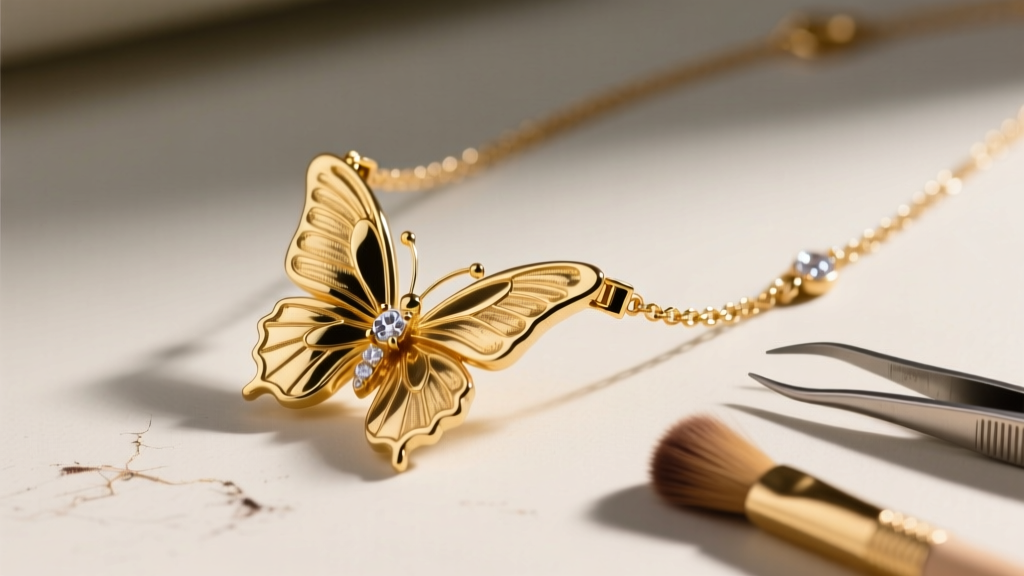
How to Layer Popular Necklaces for Women: Step-by-Step Guide
Learn how to layer popular necklaces for women with our step-by-step guide. Master chain gauges, lengths, and clasp types for a flawless, tangle-free look.

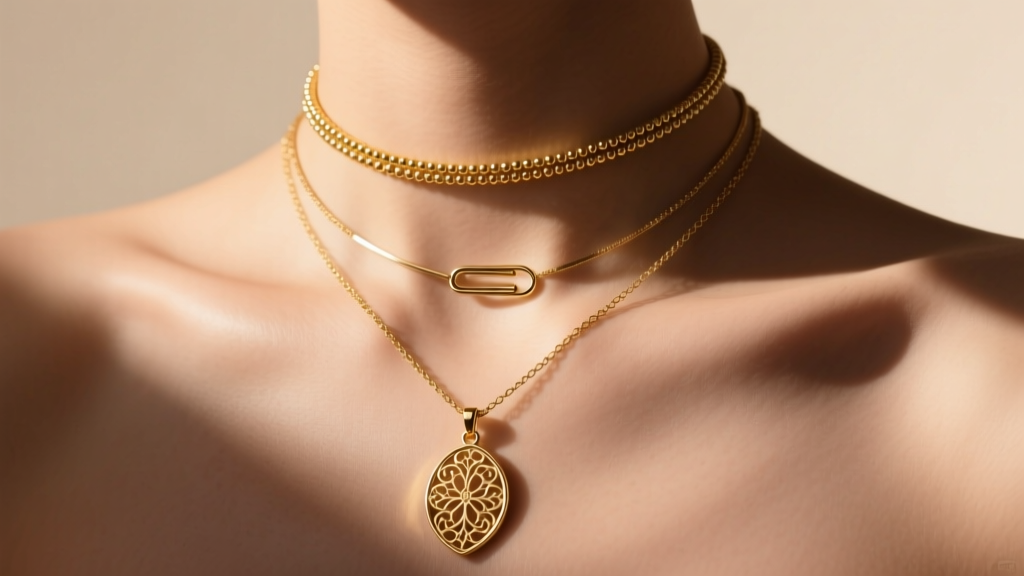
The Anatomy of a Flawless Necklace Stack
Layering jewelry is no longer just about throwing on a few random pieces and hoping for the best. As we navigate the style landscape of 2026, the approach to stacking has become highly technical and deliberate. When curating a collection of the most popular necklaces for women, understanding the mechanics of chain interaction, metal grades, and spatial distribution is just as important as the aesthetic. A poorly executed stack leads to frustrating tangles, uneven weight distribution, and damaged links. This step-by-step guide will teach you how to engineer a flawless, multi-layered necklace arrangement that stays put and looks intentional.
Step 1: Establish Your Anchor (14-16 Inches)
The foundation of any successful layer is the anchor chain. Sitting snugly at the base of the neck or collarbone (14 to 16 inches), this piece sets the visual baseline. For this layer, opt for chains with a fluid, continuous drape, such as herringbone, snake, or wheat chains. A 1.2mm to 1.5mm width is ideal—heavy enough to lay flat against the skin, but delicate enough not to overpower the subsequent layers.
Expert Warning: While herringbone chains offer a stunning, liquid-metal look, they are highly susceptible to kinking. Never sleep in a herringbone anchor, and store it completely flat or hung vertically to maintain its structural integrity.
Step 2: The Mid-Length Core (18-20 Inches)
This is the workhorse of your stack and the focal point for most observers. The mid-length core should sit approximately 1.5 to 2 inches below your anchor chain. This specific gap is critical; anything less, and the chains will rub together, creating friction and inevitable tangles. For this layer, introduce geometric contrast. If your anchor is a smooth snake chain, your core should be a textured rope, a structured box chain, or an elongated paperclip chain.
Matching Pendants to Chain Gauges
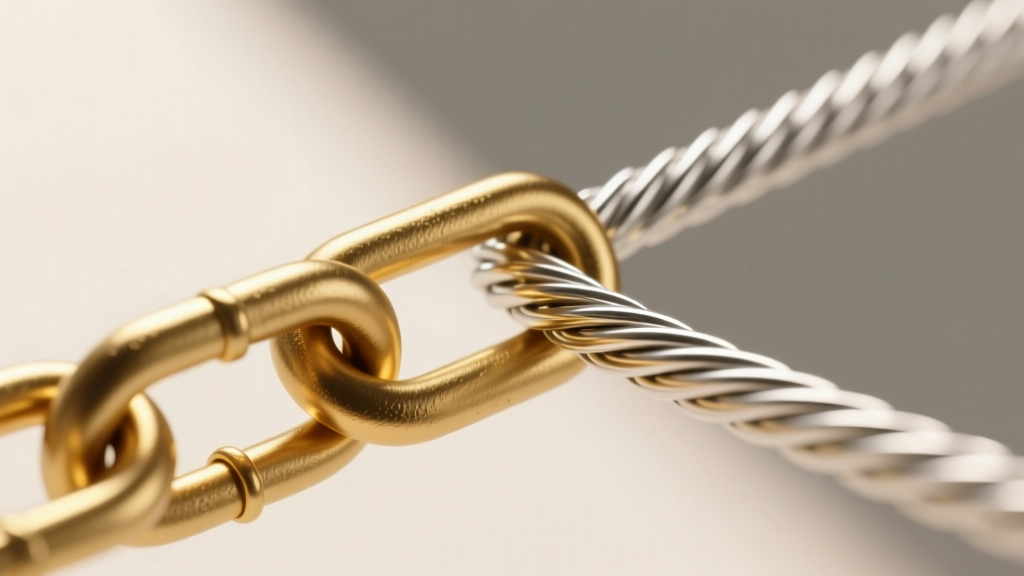
If you are adding a pendant to this core layer, you must calculate the bail size against the chain gauge. A standard 1.0mm cable chain (approx. 18-gauge) can easily support a 0.5-gram to 2-gram pendant. However, if your pendant features a fixed bail with a 3mm inner diameter, you must ensure your chain's maximum width—including the clasp loop—does not exceed 2.8mm to prevent the clasp from getting stuck in the bail.
Step 3: The Dramatic Drop (22-24+ Inches)
The final layer adds verticality and movement. Dropping between 22 and 24 inches, this piece elongates the torso and provides a bohemian or avant-garde finish to the stack. Y-chains, lariats, and heavy 2.5mm (14-gauge) rope chains excel here. Because this layer rests on the bust or upper ribcage, it is subject to more movement and friction against clothing. Opt for sturdier link structures like curb or Figaro chains that can withstand the friction of wool or heavy cotton without snagging.
Chain Gauge and Weight Matrix
Understanding the relationship between gauge thickness and chain style is crucial for preventing structural failure and visual clutter. Use this matrix to select your layers:
| Chain Type | Typical Gauge / Width | Drape Quality | Tangle Risk | Best Layer Position |
|---|---|---|---|---|
| Herringbone | 20g - 18g (0.8mm - 1.0mm) | Fluid, flat, liquid-metal | High (if layered with similar links) | Anchor (14-16") |
| Paperclip | 16g - 14g (1.5mm - 2.0mm) | Structured, geometric, modern | Low (smooth edges) | Core (18-20") |
| Cable | 22g - 18g (0.6mm - 1.0mm) | Classic, flexible, lightweight | Very High (interlocks easily) | Core or Solitaire |
| Rope | 14g - 12g (2.0mm - 2.5mm) | Heavy, textured, twisted | Medium (texture grabs fabrics) | Drop (22-24") |
Pro Tips for Preventing Tangles
The physics of chain tangling is rooted in friction and link geometry. When two chains with identical link sizes (e.g., two 3mm cable chains) are layered, the links act like gears, slipping into one another and knotting tightly. To combat this, follow these engineering principles:
- The Geometry Rule: Never layer two chains of the same link style and size. Always mix geometries—pair a round cable with a flat box, or an elongated paperclip with a twisted rope.
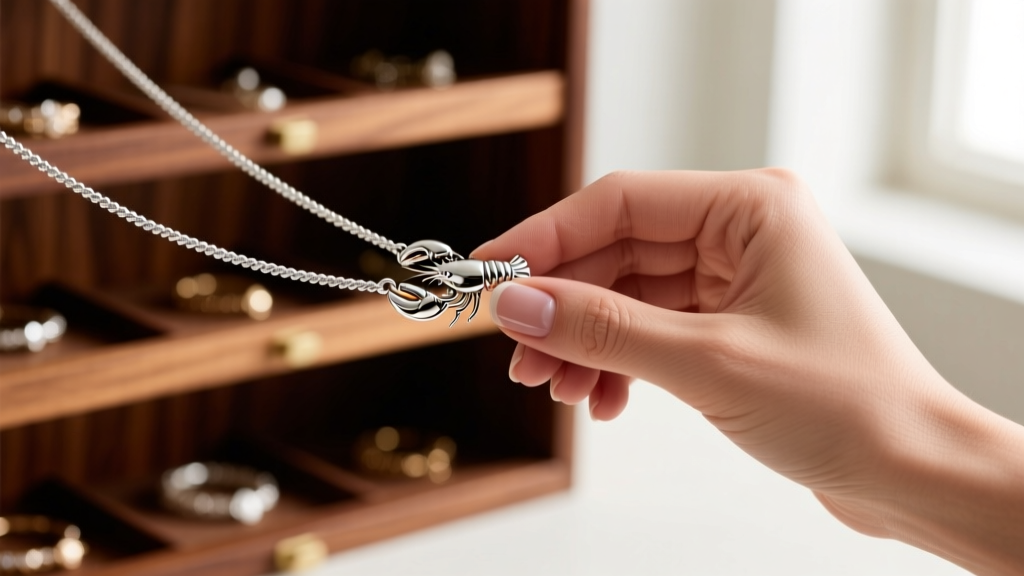
- The Clasp Upgrade: Ditch standard spring-ring clasps for anything over 1.5mm in width. Upgrade to lobster claw clasps, which offer a secure, spring-loaded gate that won't catch on adjacent chains.
- Use Spacer Clasps: For a foolproof stack, invest in a multi-strand spacer clasp. This single hardware piece holds two or three chains at fixed intervals, entirely eliminating the possibility of mid-wear tangling.
Material Mixing and Metal Grades in 2026
The monochromatic metal rule is officially dead. In 2026, mixing gold, silver, and oxidized finishes in a single stack is a hallmark of advanced styling. However, you must understand the material grades you are mixing to prevent galvanic corrosion and uneven wear. According to the Gemological Institute of America (GIA), understanding the difference between solid gold, gold-filled, and gold vermeil is essential for longevity.
When mixing metals, anchor your stack with solid 14k or 18k gold pieces, and introduce gold vermeil (which requires a minimum of 2.5 microns of gold plating over a sterling silver base) for secondary layers. Avoid standard gold-plated brass (which often features less than 0.5 microns of gold) in the core or anchor positions, as the friction from layering will quickly wear away the plating, exposing the reactive brass underneath and causing skin discoloration. For a comprehensive breakdown of modern layering aesthetics, Vogue's jewelry editors frequently highlight how contrasting oxidized silver with high-polish gold creates a striking, vintage-meets-modern visual tension.
Final Thoughts on Curating Your Stack
Mastering the art of layering the most popular necklaces for women requires a blend of aesthetic vision and mechanical awareness. By respecting the 1.5-inch gap rule, varying your chain geometries, and investing in appropriate clasp hardware, you can build a dynamic, multi-dimensional stack that remains tangle-free from morning to night. Start with a solid anchor, build your core with intention, and let your dramatic drop tell the final story.