Elevating Necklace Fashion: Advanced Care & Cleaning Tips
Master the art of preserving necklace fashion with expert cleaning protocols, material-specific care tips, and advanced storage techniques.

The Intersection of Necklace Fashion and Material Science
Modern necklace fashion has evolved far beyond simple chains and solitaire pendants. Today's most coveted styles involve intricate layering, mixed-metal compositions, and the integration of delicate organic gemstones. While these stylistic choices create stunning visual depth, they also introduce complex maintenance challenges. A layered stack might feature a 14k solid gold choker, a gold vermeil pendant chain, and a freshwater pearl lariat. Treating all three with a single, generic jewelry cleaning solution is a recipe for irreversible damage.
To truly protect your investments and maintain the brilliance of your collection, you must adopt a material-specific approach to care. This guide moves past superficial advice, diving deep into the chemistry of tarnish, the physics of ultrasonic cavitation, and the precise storage environments required to preserve high-end necklace fashion.
Material-Specific Cleaning Protocols
Gold Vermeil and Heavy Plating
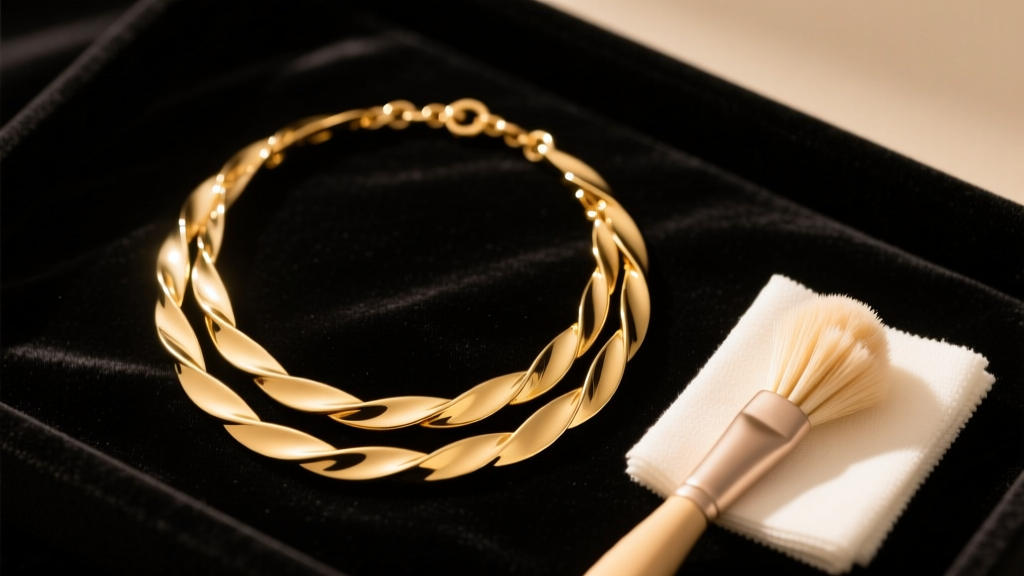
Gold vermeil is a staple in contemporary necklace fashion, offering the luxurious appearance of solid gold at a more accessible price point. By definition, the Federal Trade Commission (FTC) requires vermeil to have a sterling silver base plated with at least 2.5 microns of gold. However, this microscopic layer is highly vulnerable to abrasive chemicals and friction.
- The Danger of Ammonia: Never use commercial dip cleaners containing ammonia or thiourea on vermeil. These harsh chemicals strip the gold layer down to the silver base within seconds.
- The Proper Wash: Use a pH-neutral, phosphate-free dish soap diluted in lukewarm water. Submerge the necklace for no more than three minutes, then gently agitate with a baby-hair brush (which has bristles soft enough not to scratch the 2.5-micron plating).
- Drying Technique: Do not rub dry. Pat the chain gently with a lint-free microfiber cloth and allow it to air-dry completely before storage to prevent water spots.
Sterling Silver and the Chemistry of Tarnish
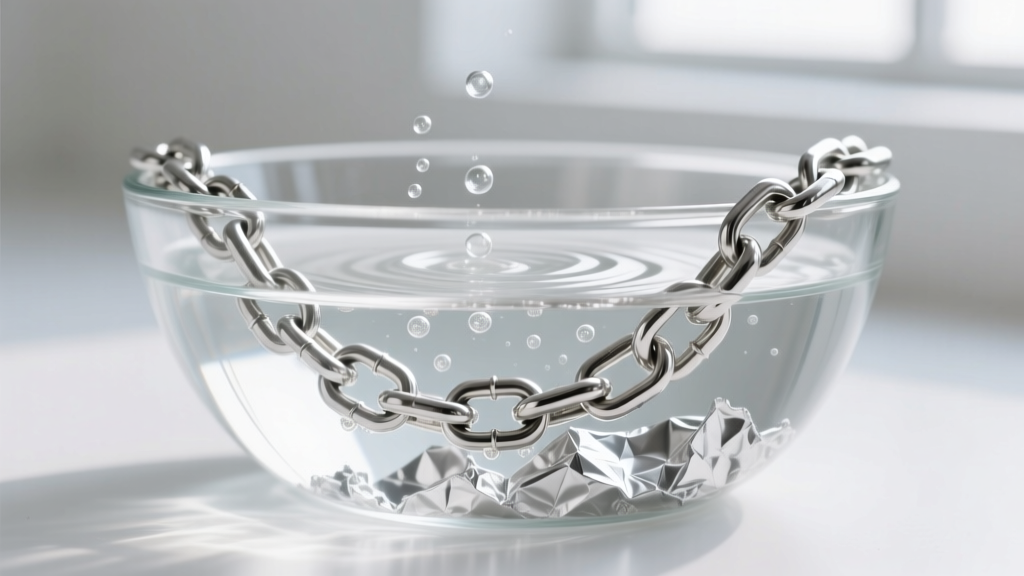
Sterling silver (92.5% silver, 7.5% copper) is prone to tarnishing due to the copper alloy reacting with hydrogen sulfide in the atmosphere, forming black silver sulfide. While polishing cloths remove this layer, they also remove a microscopic layer of silver each time, eventually wearing down delicate filigree or oxidized detailing.
The Electrochemical Reduction Method: For heavily tarnished silver chains without gemstones, skip the abrasive polishing. Line a glass bowl with aluminum foil (shiny side up). Place the silver necklace on the foil. Add one tablespoon of baking soda and a pinch of salt, then pour boiling water over the chain. The chemical reaction transfers the sulfur from the silver to the aluminum foil, reversing the tarnish without removing any base metal. Rinse thoroughly with distilled water and dry immediately.
Organic Gems: Pearls, Coral, and Amber
Organic materials are incredibly soft and porous. Pearls, for instance, rank at a mere 2.5 to 4.5 on the Mohs hardness scale. They are highly susceptible to acidic environments and dehydration.
- Never Use Ultrasonics: The vibrations will shatter the nacre layers or detach the pearl from its epoxy mount.
- Avoid Toothpaste: A common internet myth suggests using toothpaste to clean pearls. Toothpaste contains hydrated silica (Mohs 6-7), which will severely scratch the pearl's delicate orient and luster.
- The Wipe-Down Rule: After wearing a pearl lariat or choker, wipe it down with a slightly damp, soft cotton cloth to remove skin oils and perspiration before putting it away. Restringing silk-threaded pearl necklaces every 18 to 24 months is also mandatory if worn frequently.
The Ultrasonic Cleaner Debate: Frequencies and Risks
Ultrasonic cleaners are highly effective for removing trapped sebum and cosmetic residue from diamond and sapphire tennis necklaces. These machines operate at high frequencies (typically 40kHz to 45kHz), creating microscopic vacuum bubbles in the liquid that collapse and generate intense localized shockwaves—a process known as cavitation.
While cavitation is excellent for blasting dirt out of prong settings, it is catastrophic for certain stones often featured in pendant necklaces. The American Gem Society warns against using ultrasonics on fracture-filled diamonds, emeralds (which are typically treated with cedar oil or resins), opals, and tanzanite. The shockwaves can cause internal inclusions to expand, effectively shattering the gemstone from the inside out. For these delicate pendants, stick to manual cleaning with a soft brush and mild soapy water.
Comprehensive Care and Maintenance Matrix
| Material / Gemstone | Tarnish / Damage Risk | Ultrasonic Safe? | Recommended Cleaning Protocol |
|---|---|---|---|
| 14k/18k Solid Gold | Low (Scratching) | Yes | Mild soap, warm water, soft brush |
| Gold Vermeil (2.5μm) | High (Plating wear) | No | pH-neutral soap, baby-hair brush, pat dry |
| Sterling Silver (925) | High (Sulfide tarnish) | Yes (if no soft gems) | Aluminum foil electrochemical bath |
| Freshwater Pearls | High (Acid/Dehydration) | No | Damp cloth wipe-down only |
| Emerald Pendants | High (Oil loss/Fracture) | No | Lukewarm water, no harsh chemicals |
| Platinum (950) | Low (Patina development) | Yes | Commercial platinum cleaner or soap/water |
Resolving Micro-Knots in Delicate Chains
As necklace fashion favors ultra-fine chains (such as 0.9mm cable or box chains), tangling becomes a frequent and frustrating issue. Pulling at a micro-knot will only tighten it, potentially stretching the links beyond repair.
The Needle and Oil Technique: Lay the tangled necklace flat on a non-porous surface. Apply a single drop of mineral oil or baby oil directly to the knot to eliminate friction. Using two fine sewing needles (or specialized jewelry knot-picking tools), gently work the needles into the center of the knot. Push the needles outward to loosen the links, rather than pulling the ends of the chain. Once loosened, clean the chain with a mild degreasing soap to remove the oil residue.
Strategic Storage: Preventing Environmental Damage
How you store your necklaces is just as critical as how you clean them. Improper storage leads to micro-scratches, accelerated tarnishing, and irreversible chain tangling.
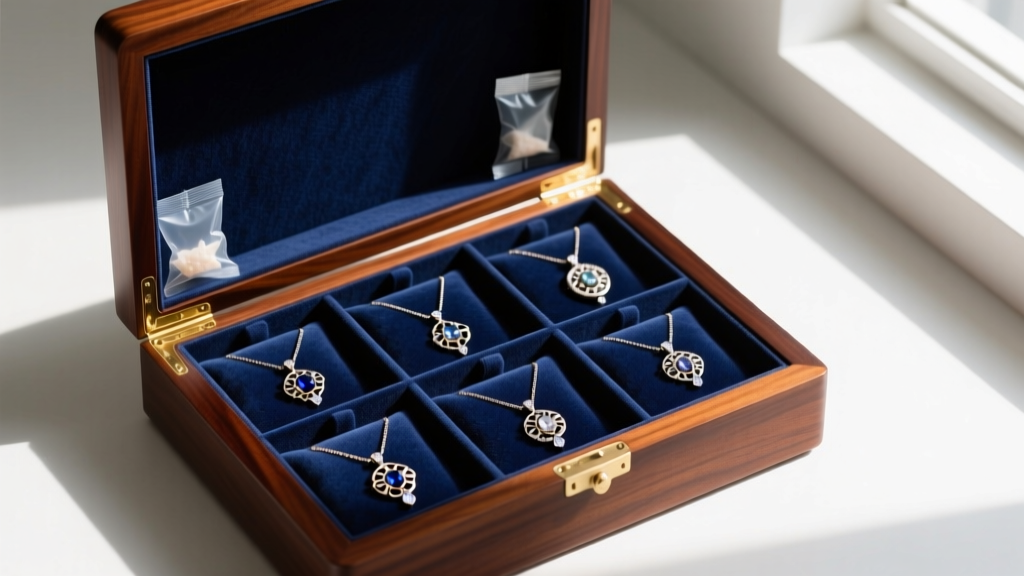
- Anti-Tarnish Strips: Incorporate 3M anti-tarnish strips into your jewelry boxes. These strips absorb airborne sulfur compounds and hydrogen sulfide, effectively neutralizing the environment for silver pieces. Replace them every six months.
- Isolate by Hardness: Never store a diamond pendant in the same compartment as a gold chain or pearls. Diamonds rank a 10 on the Mohs scale and will effortlessly scratch softer metals and organic gems. Store each piece in an individual, soft-lined pouch.
- Avoid PVC Plastics: Do not store silver in polyvinyl chloride (PVC) plastic bags. PVC off-gasses sulfur and chlorine compounds that will rapidly accelerate severe black tarnishing. Always opt for polyethylene (PE) or specialized anti-tarnish zip-lock bags.
- Climate Control: High humidity accelerates chemical reactions that cause tarnish. Store your collection in a climate-controlled room (ideally 40-50% relative humidity) and include small silica gel desiccant packets in your primary storage drawers to absorb excess moisture.
Conclusion: Preserving the Integrity of Your Collection
Maintaining the pristine condition of modern necklace fashion requires moving beyond one-size-fits-all cleaning sprays. By understanding the specific vulnerabilities of your materials—from the delicate 2.5-micron plating of vermeil to the porous nacre of freshwater pearls—you can implement targeted care routines that extend the lifespan of your jewelry. Coupled with strategic, climate-conscious storage, these advanced maintenance techniques ensure that your layered stacks and statement pendants remain as brilliant as the day you acquired them.


