2026 Guide: Customized Dog Tag Necklace With Picture
Discover how to choose the perfect customized dog tag necklace with picture. Compare laser vs UV printing, metal grades, and photo prep tips.

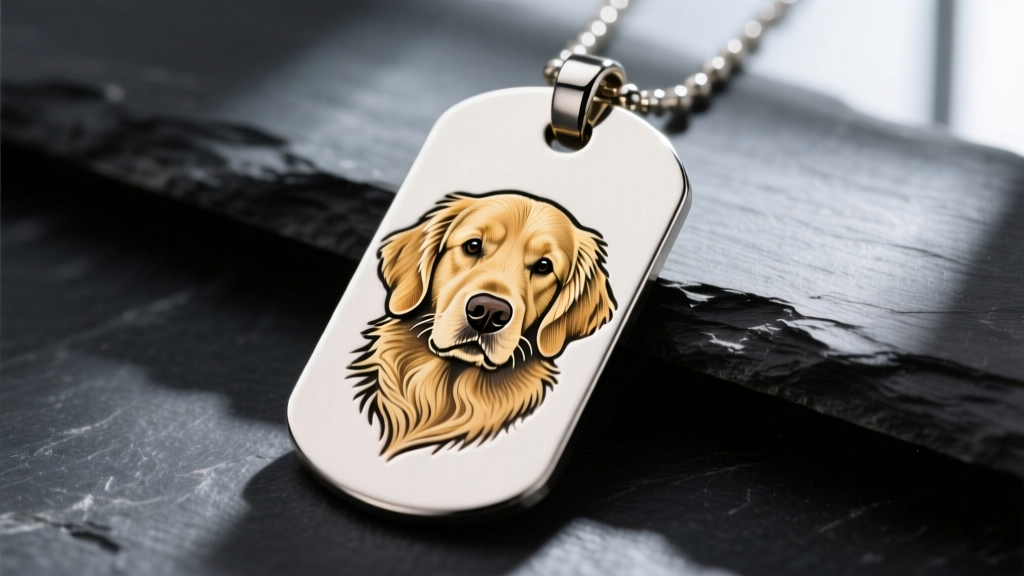
A customized dog tag necklace with picture is more than just a piece of military-inspired hardware; it is a deeply personal artifact. Whether you are memorializing a beloved pet, carrying a portrait of a deployed family member, or showcasing a piece of original digital art, photo pendants bridge the gap between rugged utility and intimate sentiment. However, the market in 2026 is flooded with cheap novelties that fade, scratch, and tarnish within months. As a buyer, understanding the metallurgy, printing technologies, and hardware mechanics is critical to securing a piece that will actually last a lifetime.
This comprehensive buyer guide strips away the marketing fluff. We will dissect the exact manufacturing methods used to bond images to metal, evaluate the structural integrity of various chain pairings, and provide a strict framework for preparing your digital files to ensure a crisp, museum-quality finish.
The Technology of Memory: How Photos Bond to Metal
When shopping for a customized dog tag necklace with picture, the most critical decision you will make is the image transfer method. Not all 'engravings' are created equal, and the terminology used by online retailers is often deliberately misleading.
Fiber Laser Halftone Engraving
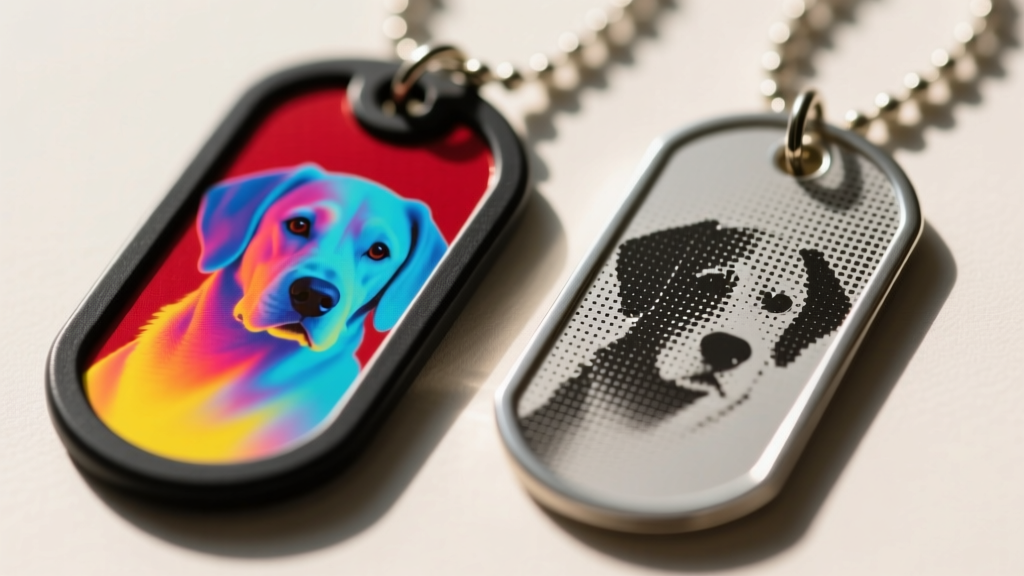
True laser engraving physically alters the surface of the metal. According to industry leaders like Epilog Laser, fiber lasers operate at a 1064-nanometer wavelength, which is specifically absorbed by bare metals. Because lasers cannot print 'gray,' they use a halftone process—microscopic dots of varying depths and densities—to trick the human eye into seeing a continuous-tone photograph. This method is permanent, waterproof, and will never fade. However, it is strictly limited to grayscale (black, white, and the natural color of the base metal).
UV Direct-to-Object Printing
If you require full-color imagery, UV printing is the modern standard. Ultraviolet light cures specialized inks directly onto the metal surface. While early UV prints were prone to peeling, 2026 manufacturing standards often include a ceramic nano-clear-coat baked over the ink to prevent UV degradation from sunlight. While vastly improved, UV prints remain a surface application; deep scratches will permanently damage the image.
Dye Sublimation
Sublimation involves printing a mirror image onto transfer paper and using a heat press to infuse the dye into a polymer coating on the metal. This yields incredibly vibrant, full-color results, but it requires the dog tag to be made of coated aluminum or brass rather than solid precious metals. The polymer coating can eventually chip if subjected to heavy impacts or abrasive cleaning.
Material Grades: Beyond Basic Stainless Steel
The canvas for your photograph dictates both the longevity of the piece and the contrast of the image. Here is how the top three materials compare for photo jewelry.
| Metal Grade | Best For | Durability & Care | Price Range |
|---|---|---|---|
| 316L Surgical Steel | High-contrast B&W laser engraving | Highly scratch-resistant, hypoallergenic, will not tarnish. Heavy feel. | $30 - $65 |
| 925 Sterling Silver | Premium gifts, luxury feel | Requires rhodium plating to prevent tarnish and provide a bright white background for laser contrast. Soft; scratches easily. | $90 - $180 |
| Grade 5 Titanium (Ti-6Al-4V) | Active lifestyles, lightweight wear | Ultra-lightweight, incredibly strong, completely biocompatible. Difficult to engrave deeply without high-wattage lasers. | $75 - $140 |
According to the Gemological Institute of America (GIA), pure silver is too soft for daily-wear jewelry, which is why 925 sterling (92.5% silver, 7.5% copper) is used. However, the copper content causes oxidation. If you choose a sterling silver customized dog tag necklace with picture, ensure the manufacturer applies an anti-tarnish rhodium flash, otherwise the dark oxidation will ruin the contrast of your laser-engraved halftones within a year.
Photo Preparation: The 300-DPI Rule
The most common point of failure in custom photo jewelry is not the manufacturer—it is the source file. A laser engraver or UV printer cannot invent detail that does not exist in your digital file. To guarantee a crisp image on a standard 1.125-inch by 2-inch military tag, adhere to these strict preparation rules:
- Resolution Minimum: Your image must be at least 300 DPI (dots per inch) at the actual print size. For a 2-inch tag, the file should be a minimum of 600x600 pixels, though 1200x1200 pixels is preferred for halftone rendering.
- Contrast is King: Lasers thrive on high contrast. Before submitting, convert your photo to black and white and use a curves adjustment layer to crush the blacks and blow out the highlights. Mid-tones often translate into muddy gray smudges on metal.
- Background Removal: Busy backgrounds compete with the subject. Use AI background removal tools to isolate the subject (a face, a pet, a vehicle) and place it on a solid white or transparent background. This allows the natural metal to act as negative space, creating a striking visual effect.
- Avoid Heavy Shadows: Deep shadows on one side of a face will engrave as solid black patches, losing all facial geometry. Use evenly lit, front-facing portraits.
Hardware, Chains, and the Silencer Debate
A premium pendant ruined by a subpar chain is a common tragedy in custom jewelry. The traditional military 'ball chain' (typically a 2.4mm stainless steel bead chain) is iconic but structurally flawed for heavy daily wear. The ball-and-socket joints are prone to snapping under sudden tension, and they can pull chest hair.
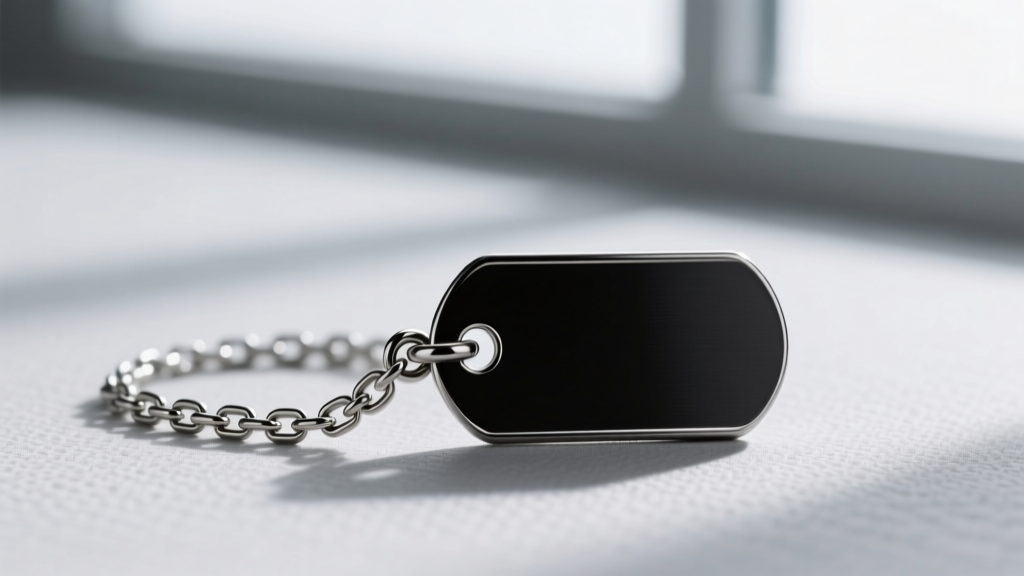
For a customized dog tag necklace with picture that you intend to wear daily, upgrade to a 3mm Box Chain or a 2.5mm Rope Chain crafted from the same metal as the pendant. Box chains distribute tension evenly across their interlocking square links and offer a modern, architectural aesthetic that complements the geometric shape of a dog tag. Always ensure the clasp is a forged lobster clasp, not a hollow spring-ring, which will fail prematurely.
The Silencer Rim
The rubber 'silencer' edge guard is a staple of military dog tags, designed to prevent the metal from clinking against buttons or other tags. However, cheap PVC silencers degrade, turn sticky, and snap when exposed to UV light and human sweat. If you want a silencer, specifically request medical-grade silicone, which is sweat-proof and UV-stable. Alternatively, for a cleaner, more contemporary jewelry look, opt for a pendant with CNC-milled beveled edges and skip the silencer entirely.
2026 Pricing Tiers and What to Expect
Understanding the fair market value of custom photo tags will help you avoid overpriced novelty shops and suspiciously cheap dropshippers.
- Tier 1: The Novelty Grade ($15 - $35) Usually stamped brass with a sublimation polymer coating or low-resolution rotary diamond-drag scratching. The image will degrade within 6 months of skin contact. Avoid for permanent keepsakes.
- Tier 2: The Artisan Standard ($45 - $95) 316L surgical steel or titanium, processed with a high-wattage fiber laser using advanced halftone software. Includes a quality box chain and proper edge deburring. This is the sweet spot for 90% of buyers.
- Tier 3: The Heirloom Grade ($120 - $250+) Solid 925 sterling silver or 14k gold-plated brass, featuring deep-relief laser engraving, rhodium plating, and hand-finished beveled edges. Often includes a secondary, smaller 'notch' tag for engraved text on the reverse side.
By prioritizing fiber laser technology, demanding 316L or Grade 5 Titanium, and preparing your digital files with rigorous contrast adjustments, your customized dog tag necklace with picture will transcend cheap novelty status. It will become a durable, high-definition heirloom capable of weathering the elements while keeping your most cherished memories resting close to your heart.


