The 2026 Gift Guide: Custom Necklace Photo Pendants & Occasions
Discover the 2026 gift guide for custom necklace photo pendants. Learn about laser engraving, metal grades, and occasion matching.

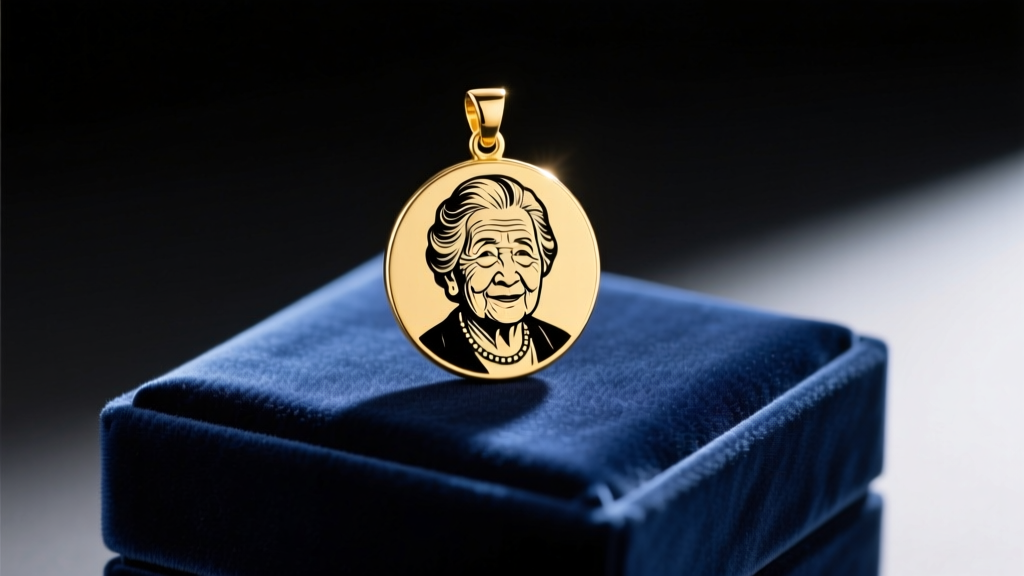
Gifting jewelry in 2026 has shifted decisively away from generic, mass-produced items toward hyper-personalized storytelling. At the forefront of this movement is the custom necklace photo pendant. No longer confined to the clunky, hinged lockets of the past, today's photo necklaces utilize aerospace-grade metals and precision fiber lasers to capture memories with microscopic fidelity. Whether you are commemorating a milestone anniversary, memorializing a beloved pet, or celebrating a new addition to the family, a meticulously crafted photo pendant offers an emotional weight that off-the-shelf jewelry simply cannot match.
However, the difference between a breathtaking heirloom and a disappointing trinket lies entirely in the metallurgy, the engraving technology, and the image preparation. This comprehensive guide will walk you through the technical realities of commissioning a custom necklace photo, ensuring your 2026 gift is both structurally enduring and visually flawless.
The Metallurgy and Technology Behind the Perfect Necklace Photo
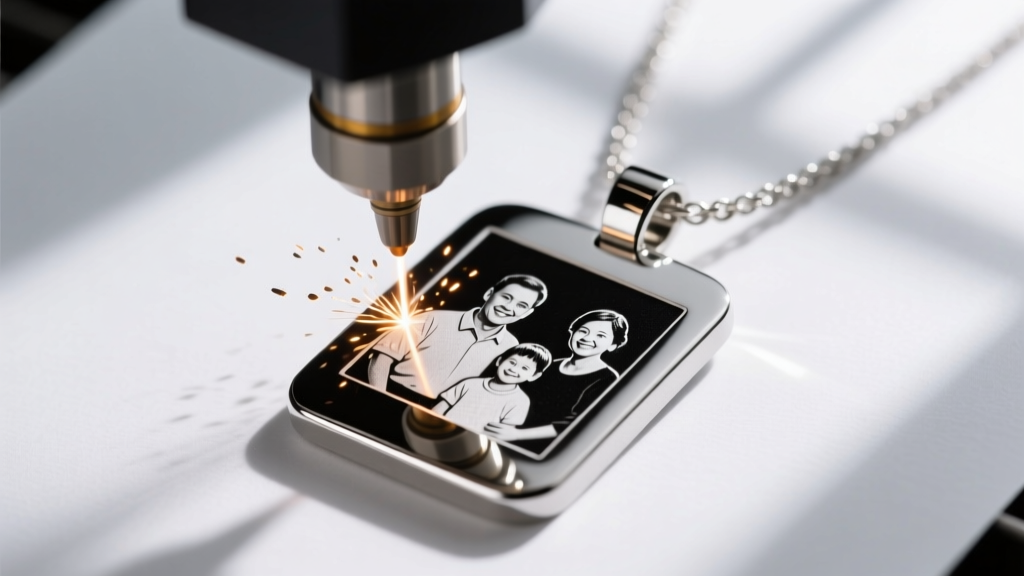
To understand how a photograph is permanently fused to metal, we must look at the interaction between light waves and elemental alloys. The industry standard for high-contrast metal engraving is the 1064 nm fiber laser. Unlike older CO2 lasers that merely scratch the surface, a fiber laser's wavelength is specifically absorbed by carbon and metallic bonds, allowing for annealed marks (which turn black without removing material) or deep engraving (which removes material to create a frosted white appearance).
The base metal you choose dictates the outcome of your necklace photo:
- 316L Surgical Stainless Steel: Containing molybdenum for extreme corrosion resistance, 316L steel yields the highest contrast for black-and-white laser engraving. It is hypoallergenic, highly durable, and budget-friendly ($40–$90), making it ideal for daily wear and active lifestyles.
- 14k Gold (Yellow, White, or Rose): According to the Gemological Institute of America (GIA), 14k gold consists of 58.5% pure gold alloyed with metals like copper, silver, or zinc. Because pure gold is highly reflective to 1064 nm wavelengths, achieving a dark, high-contrast image on 14k gold requires specialized chemical contrast enhancers or deeper engraving that scatters light. Expect to pay $150–$350 for a quality 14k photo disc.
- Sterling Silver (925): While beautiful, silver is highly thermally conductive and reflective. Laser marking on silver often results in a subtle, low-contrast 'ghost' image unless treated with a laser-safe blackening compound. Furthermore, silver requires rhodium plating to prevent tarnishing, which can wear off over time.
UV DTF Printing: The Full-Color Alternative
If a black-and-white laser engraving does not suit your vision, 2026 has seen a massive surge in UV Direct-to-Film (DTF) printing on ceramic or epoxy-coated metal inserts. This process cures UV ink directly onto a prepared surface, allowing for vibrant, full-color necklace photo reproduction. While visually stunning, UV prints are susceptible to micro-scratching and UV degradation over decades, making them better suited for fashion-forward gifts rather than multi-generational heirlooms.
The 2026 Occasion Matching Matrix
Selecting the right pendant style and metal requires matching the physical attributes of the jewelry to the emotional and practical demands of the occasion. Use the matrix below to guide your purchase.
| Occasion | Recommended Metal & Style | Image Style & Orientation | Estimated Price Range |
|---|---|---|---|
| Milestone Anniversary | 14k Gold Bezel-Set Disc (20mm) | High-contrast B&W portrait, centered | $180 – $350 |
| Pet Memorial | 316L Steel Hinged Locket or Paw-Print Cylinder | Grayscale portrait or ink-paw scan | $65 – $120 |
| New Baby / Push Gift | 18k Gold-Filled Flat Disc (15mm) | Hospital footprint or handprint | $80 – $150 |
| Graduation / Achievement | Stainless Steel Dog Tag or Rectangle Bar | Campus architecture, coordinates, or quote | $45 – $95 |
| Long-Distance Relationship | Sterling Silver Interlocking Circles | Split photo across two pendants | $110 – $160 |
Chain Engineering: Weight, Gauge, and Length
A common failure point in custom photo jewelry is a mismatched chain. A solid 14k gold photo disc measuring 25mm in diameter and 2mm in thickness can weigh upwards of 12 grams. Suspending this from a delicate 0.9mm cable chain is a recipe for a broken clasp or a snapped link.
Gauge and Link Recommendations
For pendants weighing between 5 and 15 grams, opt for a 1.2mm to 1.5mm Box Chain or a 1.5mm Rope Chain. Box chains offer excellent structural integrity due to their interlocking square links, which distribute weight evenly and resist kinking. Rope chains provide a brilliant, light-catching texture that complements the matte finish of a laser-engraved photo.
Regarding length, the standard 18-inch chain places a pendant at the sternum, which is ideal for larger photo discs (20mm+). For smaller, minimalist photo pendants (12mm–15mm), a 16-inch choker length or a 16-inch chain with a 2-inch extender allows the image to rest precisely in the suprasternal notch (the hollow of the collarbone), maximizing visibility and layering potential.
Prepping Your Image: A Technician's Checklist
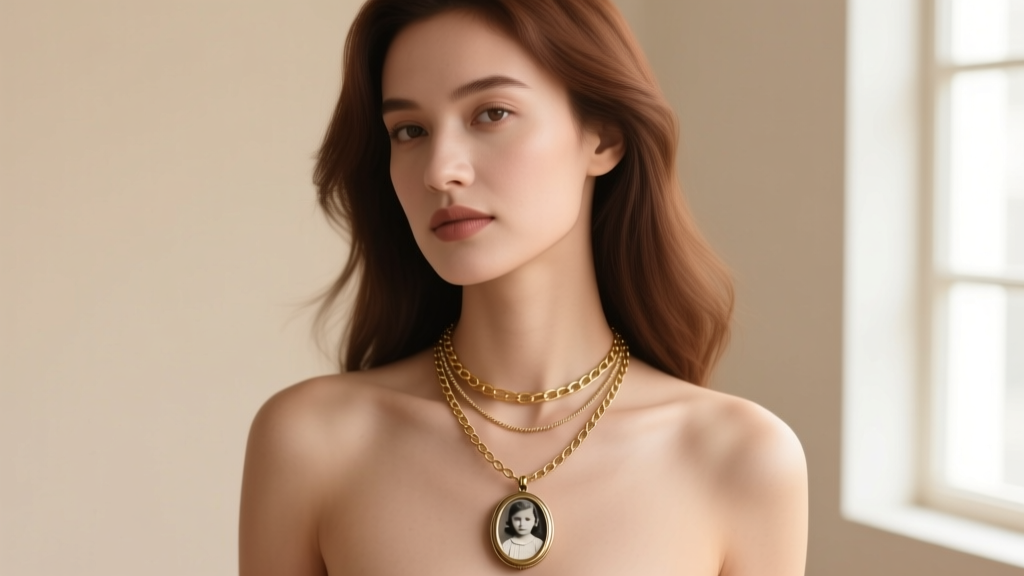
The most advanced fiber laser in the world cannot fix a poorly prepared digital file. The transition from a digital smartphone photo to a physical metal engraving requires strict adherence to contrast and resolution parameters. Before submitting your necklace photo to a jeweler, run it through this checklist:
- Resolution is Non-Negotiable: Your image must be a minimum of 300 DPI (Dots Per Inch) at the actual physical size of the pendant. A 20mm pendant requires an image that is at least 236 x 236 pixels, but supplying a 1000x1000 pixel source file allows the technician to sharpen edges without pixelation.
- Eliminate Grayscale: Standard fiber lasers do not print in shades of gray; they use halftone dithering (creating patterns of microscopic black and white dots to simulate gray). Images with heavy, muddy shadows will translate as solid black blobs on metal. Use photo editing software to convert your image to pure black and white, adjusting the threshold until facial features are distinctly separated.
- Isolate the Subject: Busy backgrounds, trees, and patterned clothing create visual noise on a 20mm canvas. Crop the image tightly to the face or subject, or use a background removal tool to isolate the subject against a pure white backdrop before engraving.
- Avoid Heavy Filters: Social media filters that add artificial grain, vignettes, or soft-focus blurs will severely degrade the legibility of a laser engraving. Always source the original, unedited RAW or high-quality JPEG file from your camera roll.
Care Protocols for Photo Jewelry
Preserving the legibility of a custom necklace photo requires specific maintenance routines. Never place a laser-engraved or UV-printed pendant in an ultrasonic jewelry cleaner. The high-frequency cavitation bubbles can strip chemical contrast enhancers from gold engravings and will almost certainly micro-chip UV-printed epoxy surfaces.
Instead, clean your photo pendant using a few drops of mild, phosphate-free dish soap and lukewarm water. Use a baby-soft toothbrush to gently sweep away skin oils and lotion from the microscopic grooves of the engraving. When polishing the surrounding metal, use a non-abrasive microfiber cloth and avoid rubbing directly over the engraved image, as repeated friction with polishing compounds can eventually soften the sharp edges of the laser mark. For sterling silver pieces, store the necklace in an anti-tarnish flannel pouch with a silica gel packet to prevent silver sulfide buildup from obscuring the photograph.
By understanding the intersection of metallurgy, laser technology, and digital image preparation, you can commission a custom necklace photo that transcends typical gifting. In 2026, the ultimate luxury is not just the karat weight of the gold, but the permanence of the memory it carries.


