Heart Toggle Necklace Gold: 2026 Budget & Value Guide
Discover the true value of a heart toggle necklace gold in 2026. Compare pricing tiers, metal grades, and clasp mechanics to make a smart investment.

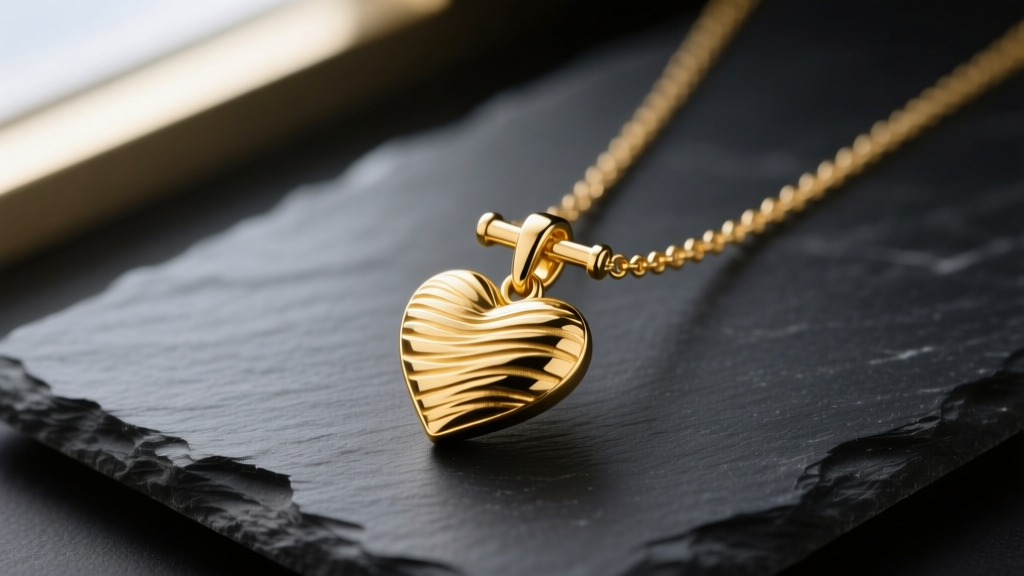
The search for the perfect heart toggle necklace gold piece often leads buyers into a confusing landscape of pricing, metal purities, and misleading marketing terms. In 2026, the market is saturated with options ranging from $30 fast-fashion replicas to $2,000 luxury heirloom pieces. But how do you determine the actual value of what you are buying? As jewelry manufacturing costs and gold spot prices continue to fluctuate, understanding the structural integrity, metal composition, and mechanical reliability of your necklace is no longer optional—it is essential for protecting your investment.
This comprehensive budget and value assessment breaks down exactly what you should expect to pay, the hidden costs of specific gold treatments, and the mechanical failure points that separate a lifelong staple from a disposable accessory.
The Anatomy and Mechanics of the Toggle Clasp
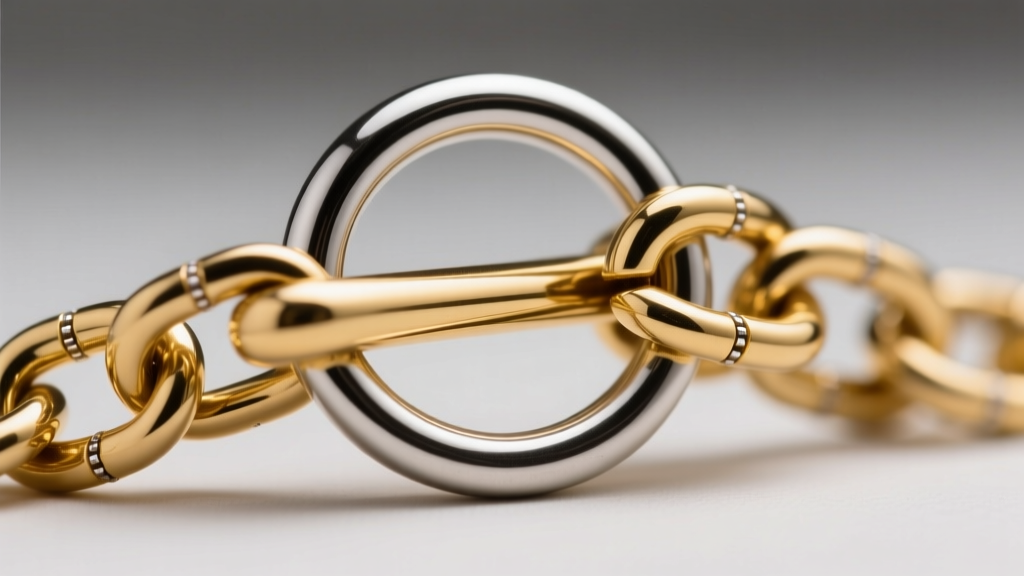
Before evaluating the gold content, we must address the defining feature of this jewelry style: the toggle clasp. A toggle clasp consists of two parts—a circular ring on one end of the chain and a T-shaped bar on the other. The value of a heart toggle necklace gold design is heavily dependent on the precision engineering of this mechanism.
The Physics of the T-Bar and Ring Ratio
Many budget manufacturers fail to respect the mechanical physics required for a secure toggle clasp. For a toggle to remain fastened under the natural tension and movement of the neck, the T-bar must be significantly longer than the inner diameter of the ring.
- The Golden Ratio of Toggles: The T-bar should be at least 1.5 times the length of the ring's inner diameter. If the ring has a 10mm inner diameter, the T-bar must be a minimum of 15mm long.
- Thickness Matters: A T-bar that is too thin (under 1.2mm in diameter) is prone to work-hardening and bending over time, eventually slipping through the ring and causing the loss of the necklace.
- Weight Distribution: The clasp should ideally be slightly heavier than the chain links to ensure it naturally falls to the back of the neck, rather than sliding to the front and competing with the heart pendant.
2026 Pricing Tiers: What Your Budget Actually Buys
When shopping for a heart toggle necklace gold buyers are generally presented with three distinct market tiers. Understanding these tiers will help you align your budget with your longevity expectations.
| Value Tier | Material Composition | 2026 Price Range | Expected Lifespan | Value Assessment |
|---|---|---|---|---|
| Tier 1: Fast Fashion | Brass base, flash gold plated (0.1 - 0.3 microns) | $25 - $75 | 3 - 8 Months | Poor long-term value. High risk of skin discoloration and clasp failure. |
| Tier 2: Demi-Fine | Sterling silver base, gold vermeil (2.5+ microns) | $95 - $220 | 2 - 5 Years | Excellent value for trend-driven wear. Requires careful maintenance. |
| Tier 3: Fine Jewelry | Solid 10k, 14k, or 18k gold (cast or die-struck) | $350 - $1,200+ | Lifetime / Heirloom | Superior investment. Retains intrinsic metal value and withstands daily wear. |
Gold Purity, Plating, and the Hidden Costs
The term "gold" is heavily regulated, yet frequently manipulated in e-commerce descriptions. According to the Federal Trade Commission (FTC), specific terminology must be used to describe gold coatings, and understanding these terms is vital for accurate budget assessment.
Flash Plated vs. Gold Vermeil
If you are buying in the sub-$100 range, you are likely purchasing flash-plated brass. Flash plating involves a microscopic layer of gold (often less than 0.1 microns) that wears off rapidly, especially at the friction points of the toggle clasp.
Gold Vermeil (pronounced ver-may) is a significantly better value proposition. To be legally classified as vermeil in the United States, the piece must have a sterling silver base and be plated with at least 2.5 microns of 10k gold or higher. When evaluating a demi-fine heart toggle necklace gold vermeil options offer the best balance of affordability and durability, provided the plating is verified by the retailer.
Solid Gold: 10k vs. 14k vs. 18k
For lifetime wear, solid gold is mandatory. The Gemological Institute of America (GIA) outlines the distinct properties of gold alloys that affect both price and durability:
- 10k Gold (41.7% pure): The most budget-friendly solid gold option. It is highly durable and resistant to scratching, making it excellent for the mechanical friction of a toggle clasp, though it has a slightly paler yellow hue.
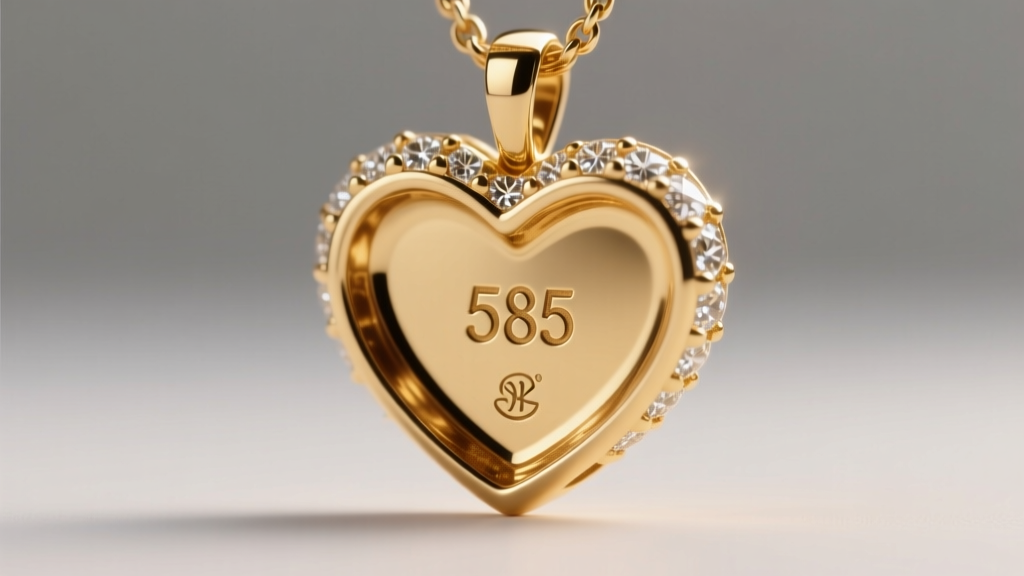
- 14k Gold (58.5% pure): The industry standard for fine jewelry in North America. It offers the perfect equilibrium of rich color, structural integrity, and reasonable pricing.
- 18k Gold (75.0% pure): Prized for its deep, luxurious yellow color, but it is a softer metal. An 18k gold T-bar on a toggle clasp may bend more easily under tension than a 14k equivalent.
Manufacturing Methods: Cast vs. Die-Struck Hearts
The heart pendant itself dictates a large portion of the necklace's cost. How the heart is manufactured directly impacts its structural integrity and price point.
Lost-Wax Casting: Most intricate, 3D, or hollow heart pendants are cast. While this allows for beautiful textures and detailed engraving, poor casting can result in "porosity"—tiny air bubbles trapped inside the gold. Porosity weakens the metal, making the bail (the loop connecting the heart to the chain) susceptible to snapping.
Die-Striking: Flat or slightly domed heart pendants are often die-struck from sheets of gold. This process compresses the metal molecules, work-hardening the gold and making it incredibly dense and durable. Die-struck hearts are generally more expensive to produce due to the tooling costs, but they offer superior longevity and a brilliant, mirror-like polish.
Common Failure Modes and How to Spot Them
When assessing the value of a heart toggle necklace gold buyers must inspect the piece for common manufacturing flaws that lead to premature failure. Use this checklist when evaluating a piece in person or requesting high-resolution macro photos from an online seller:
- Jump Ring Gaps: The jump rings connecting the chain to the toggle ring and T-bar must be seamlessly closed or soldered. A visible gap is a primary failure point where the T-bar can slip out.
- Weak Solder Joints: Inspect where the T-bar meets its connecting loop. If the solder joint looks lumpy, discolored, or excessively thin, it will likely snap under the weight of the chain.
- Chain Stretching: A heavy solid gold heart pendant requires a robust chain. If a 5-gram heart is suspended on a flimsy 0.8mm cable chain, the chain will inevitably stretch and deform at the clasp connection points. Look for chains in the 1.2mm to 1.5mm range, such as a sturdy rolo or wheat chain, to support the pendant's weight.
Pro-Tip for Online Buyers: Always check the total gram weight of the necklace. A legitimate solid 14k gold heart toggle necklace should weigh no less than 2.5 to 3 grams total. If the listing does not provide the gram weight, consider it a red flag regarding the piece's true material value.
Final Verdict: Maximizing Your Investment
The true value of a heart toggle necklace gold piece is not just in its aesthetic appeal, but in its mechanical soundness and material integrity. If your budget is under $100, opt for high-quality gold vermeil from a transparent brand that discloses their plating micron thickness. If you are investing $300 or more, demand solid 14k gold, verify the 585 hallmark, and meticulously inspect the T-bar to ring ratio. By prioritizing structural engineering and verified metal purity over brand markups, you ensure that your necklace remains a secure, timeless staple in your jewelry collection for decades to come.


