Cynthia Rowley Necklace Materials: Fashion Jewelry Properties Guide
Explore the metallurgy and material properties of a Cynthia Rowley necklace. Compare brass plating, resins, and enamel to fine jewelry.

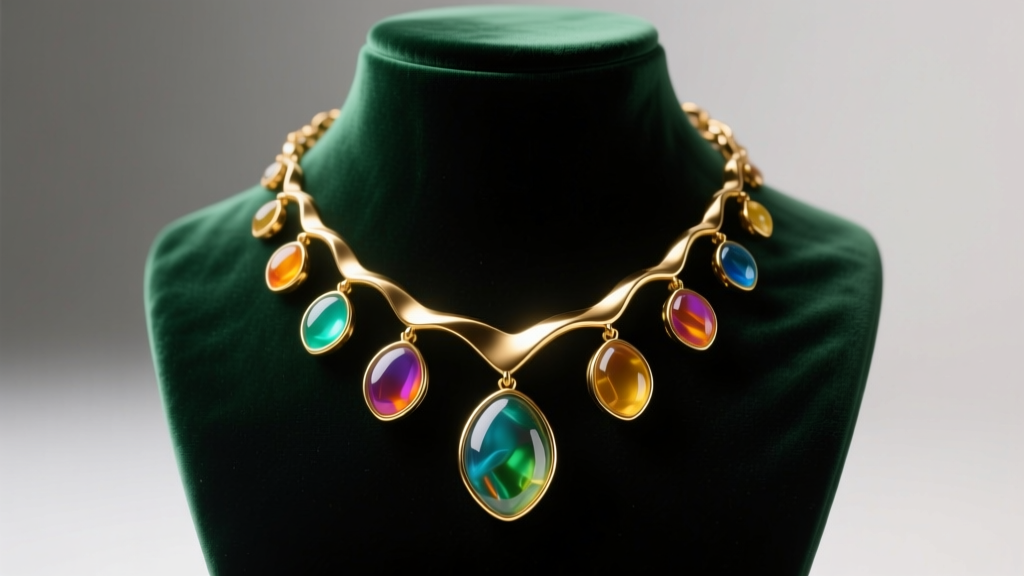
When investing in designer fashion jewelry, understanding the material science behind the pieces is just as critical as appreciating their aesthetic appeal. A Cynthia Rowley necklace is renowned for its bold, whimsical silhouettes, vibrant color palettes, and statement-making proportions. However, unlike fine jewelry crafted from solid precious metals and natural gemstones, designer fashion accessories rely on a complex interplay of base metallurgy, electroplating, and synthetic embellishments. To truly maximize the lifespan and maintain the visual integrity of these pieces, one must understand their exact material properties, failure modes, and care requirements.
The Anatomy of a Cynthia Rowley Necklace: Base Metals & Plating
The structural foundation of most high-end fashion jewelry, including many Cynthia Rowley designs, is not solid gold or silver, but rather a specialized brass alloy. Jewelers typically utilize C26000 cartridge brass, an alloy composed of approximately 70% copper and 30% zinc. This specific ratio is chosen for its excellent ductility, allowing it to be stamped, cast, or drawn into intricate chain links and heavy pendant bezels without fracturing. According to metallurgical standards outlined by Rio Grande's metals guide, brass provides a superior weight-to-cost ratio, giving fashion necklaces the substantial, luxurious drape of fine jewelry without the prohibitive cost of solid 14k or 18k gold.
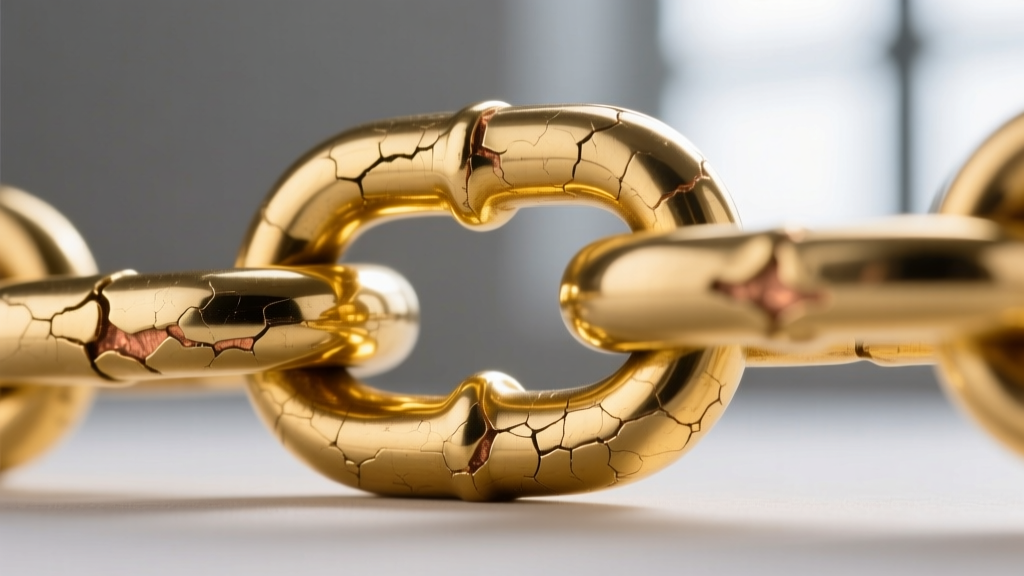
To achieve the desired precious metal finish, the brass core undergoes electroplating. The Federal Trade Commission (FTC) strictly regulates jewelry plating terminology. A standard "gold plated" designation requires a minimum thickness of 0.5 microns (20 millionths of an inch) of at least 10k gold. Designer fashion pieces usually feature a 0.5 to 1.0-micron layer of 14k or 18k gold over a microscopic barrier layer of palladium or nickel to prevent the copper in the brass from migrating to the surface and causing discoloration. While visually identical to solid gold when new, this micron-thin layer is highly susceptible to friction wear and chemical degradation.
Embellishments: Resin, Enamel, and Crystal Properties
The signature charm of a Cynthia Rowley necklace often lies in its vibrant, opaque color blocks and floral or geometric motifs. These are rarely achieved through traditional vitreous enamel (fused glass powder), which requires firing at temperatures exceeding 1,400°F—a process that would melt the brass base and destroy the gold plating. Instead, fashion jewelry relies on cold enamel (epoxy resin) and acrylic polymers.
The Chemistry of Cold Enamel and Resin
- Epoxy Resin (Cold Enamel): This is a two-part bisphenol-A based polymer that cures at room temperature. It boasts a Mohs hardness of roughly 2.0 to 2.5, making it highly vulnerable to micro-scratches from everyday contact with zippers, keys, or even harder dust particles (silica has a Mohs hardness of 7.0).
- UV Degradation: Unlike natural gemstones, epoxy resins and acrylics are susceptible to photodegradation. Prolonged exposure to ultraviolet light breaks down the polymer chains, leading to a phenomenon known as "yellowing" or "ambering," particularly noticeable in white, pastel, or clear resin elements.
- Glass and Crystal Simulants: Where sparkle is required, designers utilize leaded glass or precision-cut cubic zirconia (CZ). As noted in the GIA Gem Encyclopedia, CZ possesses a high refractive index (2.15-2.18) and a Mohs hardness of 8.0-8.5, making it vastly more durable and scratch-resistant than the resin components of the necklace.
Fashion vs. Fine: A Technical Material Comparison
Understanding how the materials in a designer fashion necklace compare to fine jewelry alternatives helps set realistic expectations for longevity and care. The table below outlines the critical differences in material properties.
| Material Property | Cynthia Rowley (Fashion Jewelry) | Fine Jewelry Equivalent |
|---|---|---|
| Base Metal | C26000 Brass (70/30 Cu/Zn) | Solid 14k/18k Gold or Platinum |
| Surface Finish | 0.5 - 1.0 Micron Gold Electroplate | Homogenous Alloy (No plating) |
| Color Embellishments | Epoxy Resin / Cold Enamel (Mohs 2.0) | Vitreous Enamel / Natural Gems (Mohs 7+) |
| Oxidation Risk | High (Verdigris if plating breaches) | Low (Tarnish only on silver/copper alloys) |
| Ultrasonic Cleaning | Strictly Prohibited | Generally Safe (with gemstone caveats) |
| Expected Lifespan | 2-5 Years (with rigorous care) | Generational (50+ Years) |
Material Failure Modes & Troubleshooting
Because fashion jewelry relies on layered materials with vastly different physical properties, specific failure modes are common. Recognizing these early can save a beloved piece from permanent damage.
1. Verdigris and Dezincification
When the gold plating on a brass chain wears away—typically at the clasp or the back of the pendant where friction against the skin is highest—the underlying copper and zinc are exposed to sweat, sebum, and environmental oxygen. This triggers a chemical reaction resulting in verdigris (copper carbonate), a toxic green crust that can stain the skin and degrade the structural integrity of the chain link. Furthermore, exposure to ammonia (found in many household cleaners and even some cosmetics) causes "dezincification," where the zinc is selectively leached out of the brass, leaving behind a porous, brittle copper sponge that will easily snap under the weight of a heavy pendant.
2. Resin Delamination and Bezel Chipping
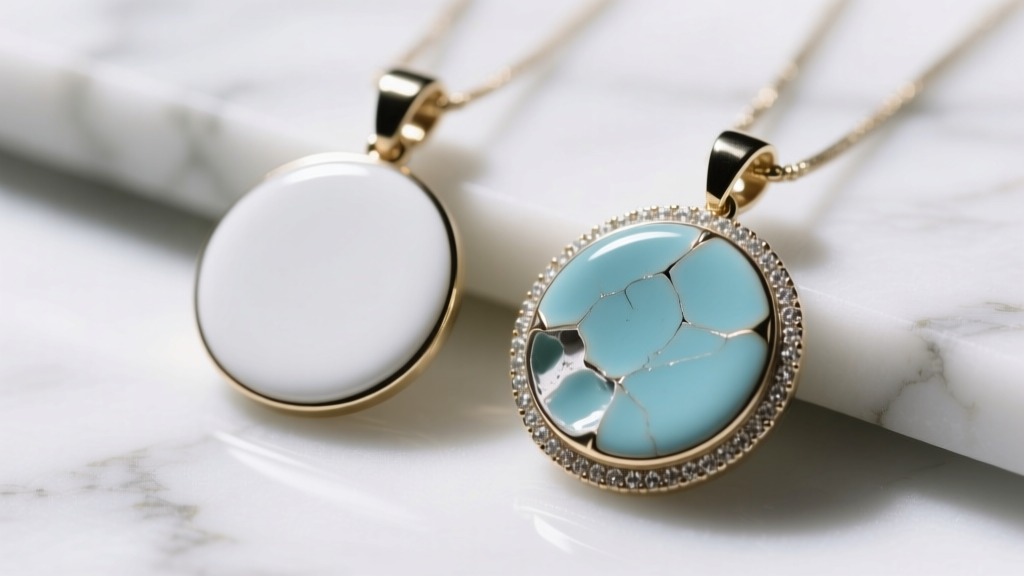
Epoxy resin expands and contracts at a different thermal rate than the brass bezel holding it. If a necklace is subjected to rapid temperature changes (e.g., leaving it in a hot car and then bringing it into an air-conditioned room), the stress can cause the resin to pull away from the metal bezel, a failure known as delamination. Additionally, because cold enamel is relatively soft, impacts against hard surfaces will cause micro-chipping along the edges, which cannot be polished out like metal.
Care, Maintenance, and Longevity Protocols
Preserving the material integrity of a Cynthia Rowley necklace requires abandoning traditional jewelry cleaning methods in favor of gentler, chemistry-conscious protocols. The Gemological Institute of America (GIA) emphasizes that plated jewelry requires specialized care to prevent stripping the microscopic gold layers.
Expert Storage Protocol: Never store resin or cold enamel jewelry in direct sunlight or in PVC-based plastic bags, which can off-gas chemicals that cloud the resin. Instead, use anti-tarnish cloth pouches infused with copper-chelating agents (like 3M Silver Shield) to absorb ambient sulfur and moisture, protecting both the brass core and the epoxy finishes.
Step-by-Step Cleaning Guide for Plated Brass & Resin
- Dry Dusting: Use a clean, ultra-soft microfiber cloth to gently wipe away surface oils and dust. Do not apply pressure to resin elements to avoid embedding silica dust into the soft epoxy.
- Wet Cleaning (Only if necessary): Mix a few drops of pH-neutral dish soap (pH 7.0) in lukewarm distilled water. Dip a cotton swab into the solution and gently roll it over the metal links. Avoid soaking the piece, as water can seep under the resin bezels and cause the adhesive to fail.
- Drying: Immediately pat dry with a lint-free cloth and use a cool-air hair dryer to blow moisture out of the chain links and clasp mechanisms.
- Avoid Ultrasonics: Never place a fashion necklace in an ultrasonic cleaner. The high-frequency cavitation bubbles will instantly shatter cold enamel, strip the 0.5-micron gold plating, and loosen the adhesive securing any glass or CZ stones.
When to Replate or Restore
Eventually, the gold plating on a frequently worn fashion necklace will wear through to the brass. When this happens, you must weigh the cost of restoration against the replacement value of the piece. Professional electroplating services typically charge between $75 and $150 to strip, polish, and replate a standard pendant and chain in 2.5 microns of 14k gold (a "heavy gold electroplate"). While this exceeds the original retail cost of many fashion accessories, it upgrades the piece's durability, transforming it into a semi-permanent wardrobe staple with a significantly thicker, more resilient precious metal surface.


