The 2026 D Letter Necklace Value Guide: Budget to Luxury
Discover the true value of a D letter necklace in 2026. Compare pricing, materials, and durability from budget vermeil to solid 14k gold options.

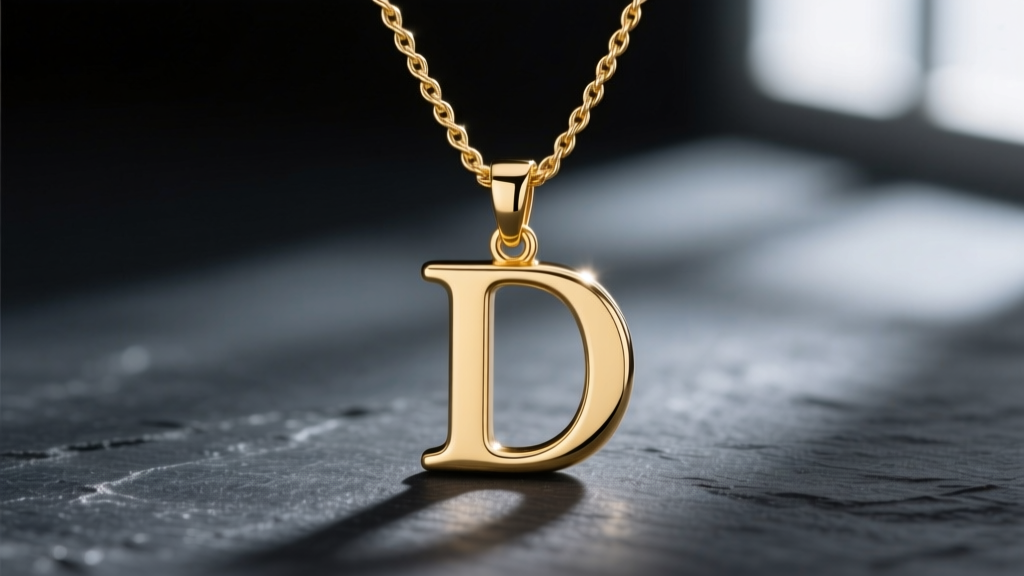
The Anatomy of a D Letter Necklace: What Are You Paying For?
Initial jewelry has transcended fleeting trends to become a permanent staple in modern wardrobes. Among the alphabet, the letter "D" remains one of the most requested initials, representing names like David, Diana, Daniel, or honoring a beloved daughter. However, as the market saturates with options ranging from $15 fast-fashion pieces to $2,000 designer interpretations, assessing the true value of a d letter necklace requires looking far beyond the brand name. In 2026, smart jewelry consumers are evaluating cost-per-wear, metallurgical integrity, and hardware durability. A flimsy, poorly cast pendant on a fragile chain is a liability, not an investment. This guide deconstructs the pricing tiers, material grades, and structural nuances you must understand before purchasing your next initial necklace.
Material Breakdown: Vermeil, Gold-Filled, and Solid Gold
The most significant driver of a necklace's price is its base metal and plating thickness. When shopping for a budget-friendly d letter necklace, you will frequently encounter the terms "vermeil" and "gold-filled." According to the Federal Trade Commission (FTC) Jewelry Guides, true gold vermeil must consist of a sterling silver base plated with at least 2.5 microns of gold (usually 14k or 18k). Many budget brands cut corners by using 0.5-micron flash plating over brass or copper, which will tarnish and cause skin discoloration within months. Gold-filled jewelry, marked as 1/20 14k GF, contains 5% solid gold by weight, mechanically bonded to a brass core. It offers vastly superior longevity compared to vermeil but lacks the intrinsic melt value of solid gold.
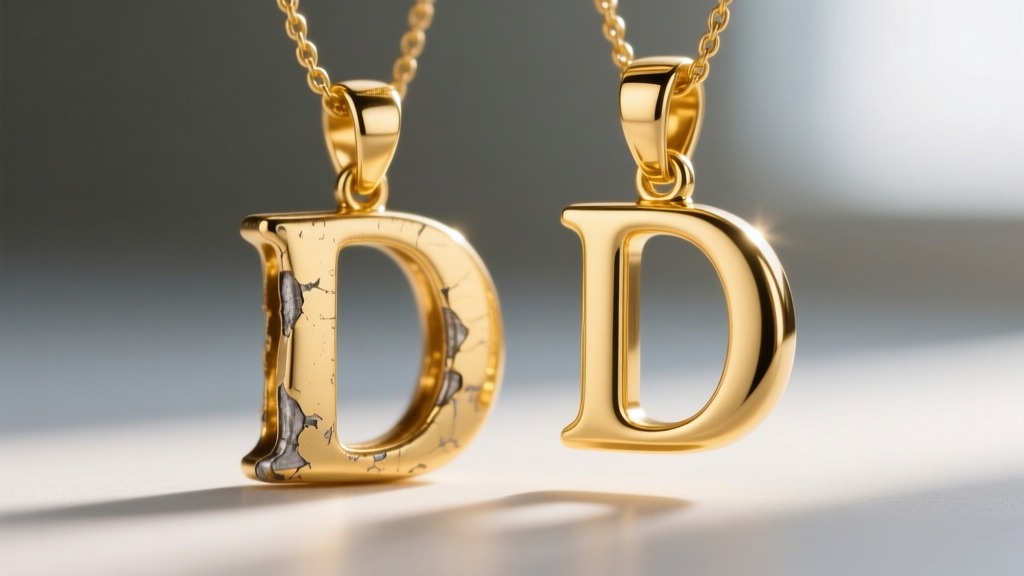
For heirloom-quality pieces, solid 14k and 18k gold are the industry standards. The Gemological Institute of America (GIA) notes that 14k gold (58.3% pure gold) provides the optimal balance of rich color and tensile strength for daily-wear pendants, while 18k gold (75% pure) offers a deeper yellow hue but is slightly more prone to scratching and warping due to its softer nature.
| Material Grade | Average Price Range (2026) | Expected Lifespan (Daily Wear) | Tarnish & Wear Risk |
|---|---|---|---|
| Gold Vermeil (2.5μm) | $45 - $95 | 1 - 3 Years | Moderate (Edges wear first) |
| Gold-Filled (1/20 14k GF) | $60 - $130 | 5 - 10 Years | Low (Unless deeply scratched) |
| Solid 10k Gold | $110 - $180 | Lifetime | Very Low (Highly durable) |
| Solid 14k Gold | $160 - $350 | Lifetime | None (Can be polished) |
| Solid 18k Gold | $300 - $650+ | Lifetime | None (Prone to micro-scratches) |
Chain Styles and Clasp Hardware: The Hidden Value Killers
A common mistake buyers make is focusing entirely on the "D" pendant while ignoring the chain. A $300 solid gold pendant suspended on a hollow, 0.8mm box chain is a structural disaster waiting to happen. Box chains, while visually appealing, have rigid links that snap easily when subjected to lateral tension. For a d letter necklace meant for everyday wear, a 1.2mm to 1.5mm cable, rolo, or rope chain offers vastly superior tensile strength. These interlocking round links distribute weight evenly and resist kinking.
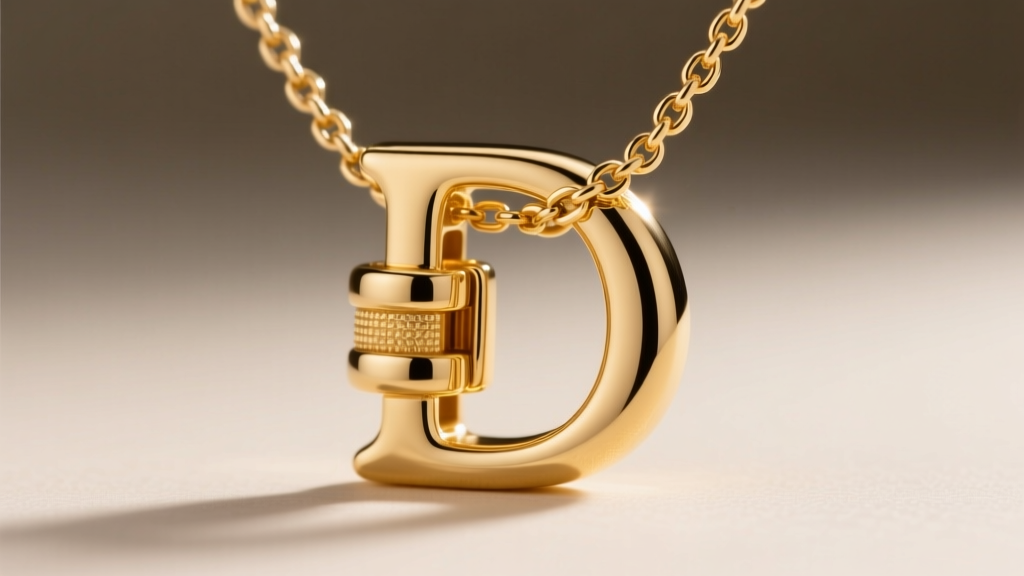
Equally critical is the clasp and jump ring hardware. Spring ring clasps are notoriously difficult to operate and prone to internal spring failure. A high-quality lobster clasp is non-negotiable for chains over 16 inches. Furthermore, inspect the jump ring—the small circle connecting the pendant to the chain. If the jump ring is not soldered shut, the pendant will eventually slide through the gap and be lost. Premium jewelers will always use soldered jump rings or integrated bail loops for initial pendants.
The "D" Pendant Font and Casting Quality
The typography and manufacturing method of the letter "D" drastically impact both aesthetics and price. Budget necklaces typically use die-striking, a process where thin sheets of metal are stamped into shape. This results in a flat, two-dimensional pendant with sharp, sometimes uncomfortable edges. High-end d letter necklaces utilize lost-wax casting, creating a three-dimensional, solid piece with softly beveled edges that catch the light beautifully. The letter "D" is structurally unique; its straight vertical spine requires adequate metal thickness (at least 1.2mm) to prevent bending, while the curved bowl should be proportionally weighted so the pendant hangs perfectly flush against the collarbone rather than flipping upside down.
2026 Pricing Tiers: Where to Spend and Where to Save
Navigating the market requires aligning your budget with your lifestyle. Here is how to assess value across three distinct pricing tiers this year:
- The Budget Tier (Under $75): Best for occasional wear or layered styling. Look for 14k gold vermeil over sterling silver with a minimum 1.0mm cable chain. Avoid brass bases entirely. Brands like Mejuri and Quince offer reliable transparency regarding their plating micron counts in this range.
- The Mid-Tier Sweet Spot ($150 - $300): This is where true value lives for daily wearers. You can secure a solid 14k gold "D" pendant (weighing between 1.5g and 2.5g) on a durable 1.2mm rolo chain. The intrinsic melt value of the gold provides a floor for your investment, and the piece will survive showers, workouts, and sleep without degrading.
- The Luxury & Designer Tier ($400+): At this price point, you are paying for brand prestige, intricate diamond pavé accents, or heavy 18k gold weight. While beautiful, the cost-per-wear is significantly higher. Ensure that any diamond accents are set with prongs rather than glued, and verify the total carat weight before purchasing.
How to Calculate Cost-Per-Wear for Initial Jewelry
To truly assess the budget and value of a d letter necklace, financial experts and stylists recommend the "Cost-Per-Wear" (CPW) framework. Divide the total price of the necklace by the estimated number of times you will wear it over its lifespan. A $40 vermeil necklace worn 50 times before the plating rubs off the high-contact edges yields a CPW of $0.80. Conversely, a $250 solid 14k gold necklace worn 300 days a year for 10 years yields a CPW of just $0.08 per day, while retaining a scrap gold resale value of roughly $80 to $110 depending on market fluctuations. When viewed through this lens, spending more upfront on solid metals is almost always the more financially sound decision for an initial necklace you intend to wear daily.
Final Verdict: Maximizing Your Investment
The perfect d letter necklace balances personal sentiment with metallurgical reality. If your budget is strictly under $100, demand transparency regarding plating thickness and stick to sterling silver bases. If you can stretch your budget to the $200 mark, prioritize a solid 14k gold pendant with a soldered jump ring and a sturdy rolo or cable chain. By scrutinizing the chain gauge, clasp quality, and casting method, you can confidently select an initial necklace that offers genuine, lasting value rather than temporary, tarnished disappointment.


