The Ultimate Dad to Daughter Necklace Buying Guide
Find the perfect dad to daughter necklace with our expert buying guide. Compare tarnish-free metals, durable chains, and meaningful pendant styles.

The Emotional Weight of a Dad to Daughter Necklace
Gifting jewelry to your daughter is a milestone tradition, but selecting the right piece requires navigating a minefield of cheap alloys, fragile chains, and fleeting trends. A truly memorable dad to daughter necklace isn't just about the sentiment; it is about engineering a piece of jewelry that can withstand her lifestyle, whether she is a toddler pulling at chains, a teenager playing sports, or a young adult building her professional wardrobe. In this comprehensive 2026 buying guide, we break down the exact metallurgical grades, chain architectures, and sizing frameworks you need to make an informed, lasting purchase.
Metal Matters: Choosing Tarnish-Free and Hypoallergenic Alloys
The most common mistake buyers make is prioritizing the pendant design over the base metal. Skin chemistry, exposure to lotions, and environmental humidity can quickly degrade inferior metals. When shopping for a dad to daughter necklace, focus on these three premium tiers:
1. Solid 14k and 18k Gold (The Lifetime Standard)
Solid gold is the gold standard for generational jewelry. 14k gold (58.5% pure gold) offers the perfect balance of rich color and structural rigidity, making it highly resistant to bending and scratching. 18k gold (75% pure) is softer and richer in color but more prone to micro-scratches. According to the GIA Gem Encyclopedia, alloying gold with metals like copper, silver, and zinc dictates its durability. For active daughters, 14k yellow or rose gold is virtually indestructible and completely hypoallergenic.
2. Platinum (The Premium Heirloom)
Platinum is a dense, naturally white metal that will never tarnish or require rhodium plating. It is heavier than gold and commands a premium price, but its durability is unmatched. When platinum scratches, the metal is merely displaced, not lost, creating a desirable 'patina' over time.
3. Rhodium-Plated Sterling Silver (The Budget-Conscious Choice)
Sterling silver (92.5% pure silver) is beautiful but prone to oxidation (tarnishing) when exposed to sulfur in the air. To combat this, high-quality silver necklaces are flashed with rhodium, a platinum-group metal that provides a brilliant, tarnish-resistant white finish. Be cautious of unbranded silver, as it may contain nickel alloys that trigger contact dermatitis.
Chain Architecture: Durability and Snag-Resistance
The chain is the structural backbone of any necklace. A heavy pendant on a weak chain is a recipe for a lost heirloom. Furthermore, the FTC Jewelry Guides mandate accurate metal stamping, so always check the clasp or end-tag for '14K', '585', or '925'. Here is how the most common chain styles perform:
- Box Chain: Composed of square, interlocking links. This is the most durable option for pendants. It rarely tangles, resists snapping, and slides smoothly through hair and clothing.
- Wheat (Spiga) Chain: Features oval links woven in the same direction, resembling stalks of wheat. It is incredibly strong, flexible, and has a beautiful, intricate texture that catches the light.
- Cable Chain: The classic oval-link chain. While elegant, thinner cable chains (under 1.0mm) are prone to kinking and can easily snag on knit sweaters or lace.
- Rope Chain: Twist-woven links that mimic a rope. Avoid this for younger daughters or active teens; the intricate twists are notorious for trapping hair and snapping under tension.
Pro Tip: Always opt for a lobster claw clasp over a spring-ring clasp. Spring rings are flimsy, difficult to operate with one hand, and frequently fail at the internal spring mechanism.
Sizing Framework: Getting the Length Right
A necklace that sits too high feels like a choker, while one that hangs too low risks getting caught on desk edges or steering wheels. Use this sizing matrix to ensure the perfect drop length based on her age and build:
| Target Age Group | Recommended Length | Drop Position | Best Chain Width |
|---|---|---|---|
| Toddlers & Young Girls (3-10) | 12' - 14' inches | Collarbone base | 0.8mm - 1.0mm |
| Pre-Teens & Teens (11-17) | 16' inches (with 2' extender) | Standard neckline | 1.0mm - 1.2mm |
| Young Adults (18+) | 18' inches | Upper chest / V-neck | 1.2mm - 1.5mm |
Always purchase a chain with a 2-inch extender. This provides crucial versatility, allowing her to adjust the necklace to accommodate different necklines, winter sweaters, or natural growth spurts.
Pendant Symbolism: Beyond the Standard Heart
While heart pendants are a classic choice, modern jewelry design offers far more nuanced ways to express the father-daughter bond. Consider these sophisticated motifs:
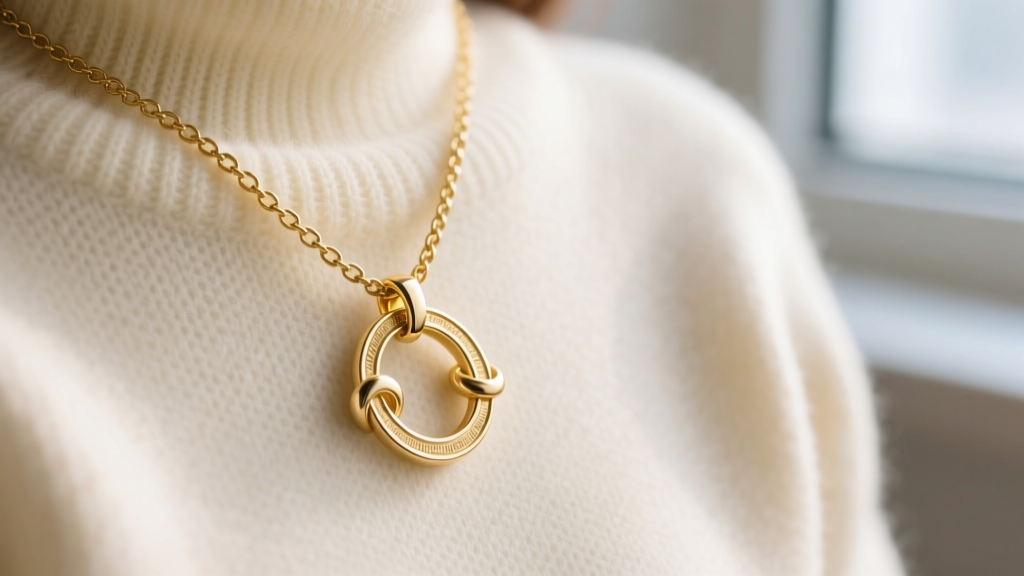
The Interlocking Circles: Two unequal circles fused together, representing the protective, unbroken bond between a father and daughter. It is subtle enough for everyday office wear but deeply meaningful.
The Compass Rose: A powerful symbol of guidance, direction, and a father's role in helping his daughter navigate the world. Often paired with hidden engraving on the back plate.
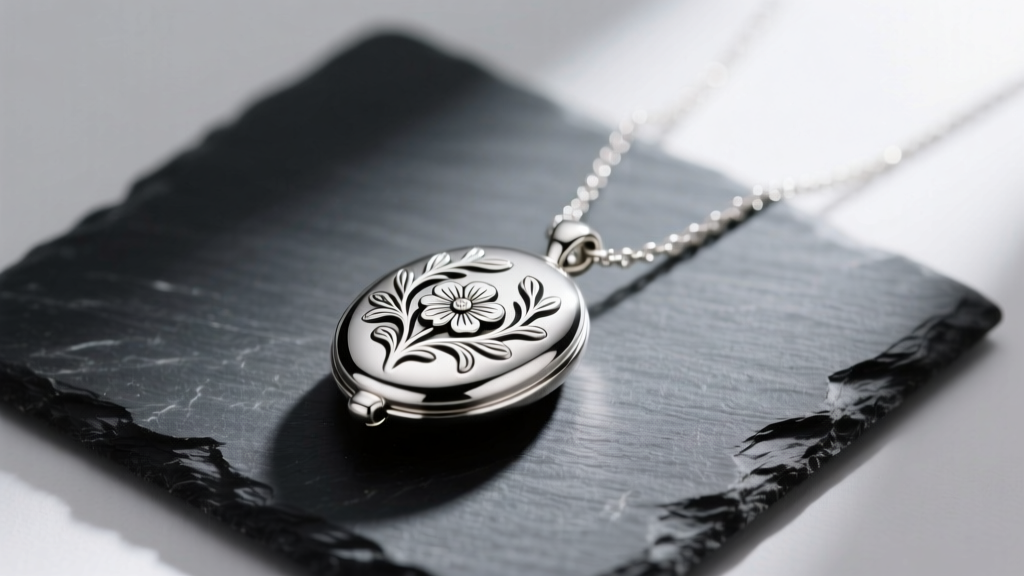
The Hidden Message Locket: Instead of a photo, modern lockets are designed to hold a tightly rolled scroll or feature an interior laser-engraved message, such as 'I am always with you' or her exact birth coordinates.
Pricing Tiers and What to Expect in 2026
Budgeting for a dad to daughter necklace requires understanding where your money is actually going. The price is dictated by the melt value of the metal, the complexity of the chain weave, and the precision of the engraving.
| Material Tier | Expected Price Range | Longevity & Maintenance |
|---|---|---|
| Gold Vermeil / Plated Silver | $45 - $90 | Low. Plating wears off in 1-2 years. Requires gentle care and no water exposure. |
| Solid Sterling Silver (925) | $80 - $180 | Medium. Will tarnish over time but can be easily polished back to life. |
| Solid 14k Gold (Yellow/Rose) | $250 - $650+ | High. Lifetime durability. Waterproof, sweat-proof, and hypoallergenic. |
| Solid Platinum | $800 - $1,500+ | Exceptional. Generational heirloom quality. Zero tarnish, heavy and luxurious. |
Final Checklist Before You Checkout
Before you finalize your purchase, run through this quick quality-assurance checklist to ensure the necklace meets expert standards:
- Check the Stamp: Is the metal purity legally stamped (e.g., 14K, 585, 925, PT950)?
- Inspect the Clasp: Is it a secure lobster claw, or a fragile spring ring?
- Verify the Extender: Does the chain include a 2-inch extender for styling flexibility?
- Engraving Method: If personalizing, ensure the jeweler uses rotary engraving for deep, permanent grooves, rather than superficial laser marking which can fade on softer metals.
- Return Policy: Custom engraved items are often final sale. Double-check her birthstone color, initial, and preferred metal tone before submitting the order.
By prioritizing structural integrity, hypoallergenic metals, and timeless symbolism, you aren't just buying a piece of jewelry; you are forging a tangible reminder of your support that she will carry with her for decades to come.


