The Anatomy of a Timeless Necklace: Metals, Weaves & Clasps
Discover the technical anatomy of a timeless necklace. We analyze metal grades, chain weave durability, and clasp engineering for lifelong wear.

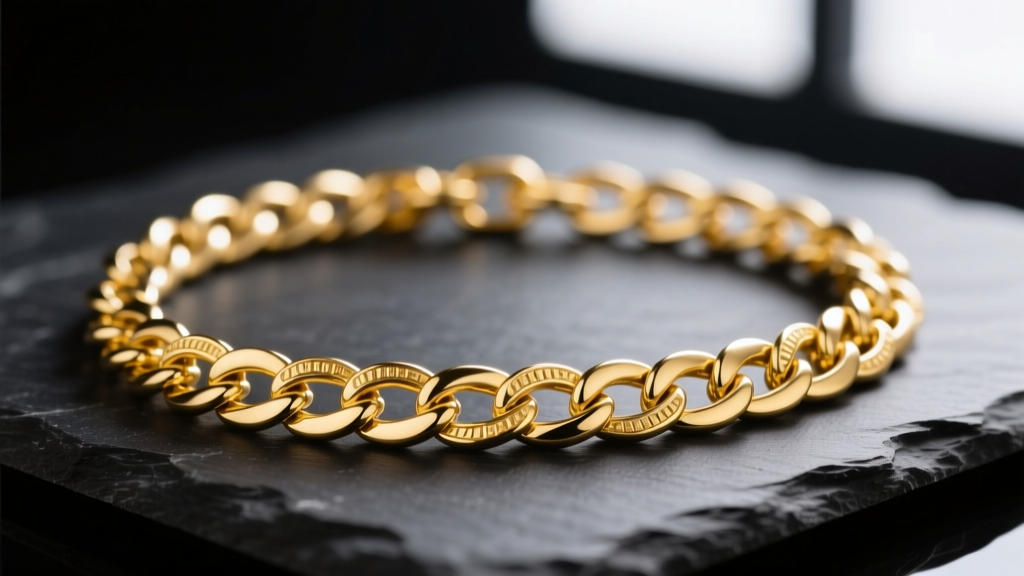
Beyond Aesthetics: The Engineering of an Heirloom
When jewelers and collectors discuss a 'timeless necklace,' the conversation rarely ventures past visual design. We praise the drape of a chain, the brilliance of a pendant, or the historical significance of a motif. However, true timelessness in jewelry is not merely a matter of style; it is a triumph of metallurgy, mechanical engineering, and structural foresight. A necklace designed to survive a century of daily wear must overcome constant environmental stressors, torsional fatigue, and galvanic degradation. In this expert deep dive, we strip away the marketing gloss to examine the exact material grades, chain weave mechanics, and clasp architectures that separate fragile fashion accessories from genuine multi-generational heirlooms.
The Metallurgical Foundation: Alloys and Hardness
The longevity of any precious metal chain begins with its alloy composition. Pure 24-karat gold is exceptionally malleable, registering a mere 25 on the Vickers Hardness (HV) scale. While chemically stable, a 24k chain would stretch and deform under the weight of even a modest pendant. To create a durable timeless necklace, metallurgists must introduce alloying metals like copper, silver, zinc, and palladium. According to the Gemological Institute of America (GIA), the precise ratio of these alloys dictates not only the color but the tensile strength and work-hardening properties of the final piece.
18k vs. 14k Gold: The Durability Sweet Spot
18-karat gold (75% pure gold, or Au750) typically registers between 120 and 140 HV, depending on the specific alloy mix. It offers an excellent balance of rich color, corrosion resistance, and structural integrity, making it the global standard for high-end heirloom chains. 14-karat gold (Au585) pushes the hardness to roughly 130–160 HV due to a higher concentration of copper and silver. While 14k is more resistant to abrasive scratching, its higher copper content makes it slightly more susceptible to oxidation and tarnishing over decades. For a piece meant to be worn daily without frequent repolishing, an 18k alloy mixed with a touch of palladium offers superior long-term stability.
The Platinum Advantage and Work-Hardening
Platinum 950 (95% platinum, typically alloyed with 5% ruthenium or iridium) sits around 130–150 HV. However, its true advantage lies in its density and displacement properties. Unlike gold, which sheds microscopic particles when scratched, platinum merely displaces. Furthermore, platinum exhibits significant work-hardening characteristics; the more mechanical stress the chain endures, the harder and more brittle the specific stressed area becomes, which is why platinum prongs are preferred for diamond settings, though it requires careful engineering in flexible chain links to prevent snapping.
Chain Weave Mechanics and Structural Integrity
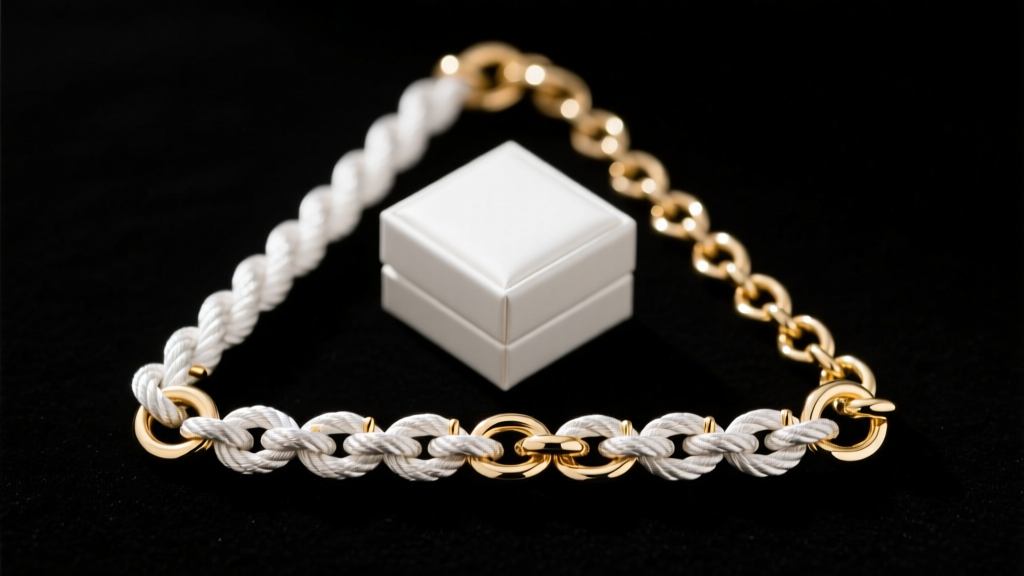 The geometry of a chain dictates its failure points. A chain is essentially a series of sequential hinges, and every hinge introduces a vulnerability to torsion and tensile stress. Understanding these mechanics is vital when selecting a timeless necklace intended to hold heavy pendants.
Soldered vs. Unsoldered Links and Laser Welding
In mass-market jewelry, chain links are often left unsoldered to reduce manufacturing costs. An unsoldered 1mm cable chain can pull apart under as little as 8 to 12 pounds of tensile force. In heirloom-grade chains, every link is individually closed and soldered. Traditionally, torch soldering requires a lower-karat solder alloy (e.g., using 14k solder on an 18k chain) to ensure the solder melts before the chain itself. This creates a microscopic galvanic cell and a structural weak point. Modern master jewelers utilize laser welding to fuse the links without filler metals, maintaining the exact alloy composition and structural integrity of the original wire. As noted in Britannica's overview of gold processing, maintaining alloy homogeneity is critical to preventing localized corrosion.
Chain Weave Durability Matrix
| Weave Type | Tensile Strength | Torsion Resistance | Common Failure Mode | Best Application |
|---|---|---|---|---|
| Cable | High (if soldered) | Moderate | Link elongation at the hinge point | Lightweight pendants, layering |
| Curb | Very High | High | Abrasive wear on flat interlocking faces | Heavy pendants, standalone wear |
| Rope | Moderate | Low | Helix stretching and internal dirt trapping | Standalone statement pieces |
| Box | Moderate | Very Low | Snapping at 90-degree link bends | Geometric pendants, light wear |
Clasp Engineering: The Hidden Point of Failure
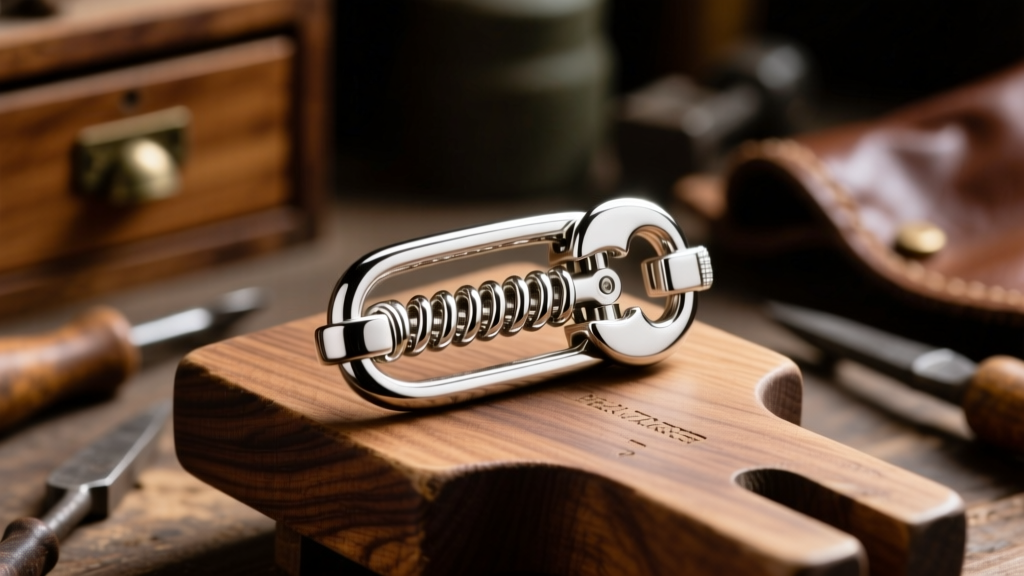 The clasp is universally the most mechanically complex and vulnerable component of any necklace. While the chain may be forged from solid 18k gold or platinum, the internal mechanism of the clasp tells a different story.
The Internal Spring Degradation
Precious metals like gold and platinum lack the elastic memory required for a spring mechanism. Therefore, the tiny internal spring inside a lobster or spring-ring clasp is almost always manufactured from 316L stainless steel or a specialized beryllium-copper alloy. Over decades of exposure to humidity, perspiration, and occasional saltwater, this internal steel spring can degrade, rust, or lose its tension, leading to clasp failure even while the precious metal exterior remains flawless. When commissioning a true timeless necklace, insist on a heavy-duty lobster clasp with a reinforced steel spring, or opt for a mechanical box clasp with a friction-fit tongue and dual figure-eight safety catches, which relies on metal tension rather than a degradable coil spring.
Environmental Degradation: Stress Corrosion Cracking
A timeless necklace must survive the chemical hazards of modern life. The most insidious threat to karat gold chains is Stress Corrosion Cracking (SCC). When gold alloys containing copper and silver are exposed to chlorine (found in swimming pools, hot tubs, and household bleach), the chlorine attacks the alloying metals at the points of highest mechanical stress—typically the soldered joints of the chain links. This causes microscopic fissures that propagate rapidly, leading to sudden, catastrophic chain failure without any visible warning signs or prior stretching. The Jewelers of America consistently warns consumers that chlorine exposure is the leading cause of irreversible structural damage to karat gold jewelry.
Galvanic Corrosion in Mixed Metals
If a necklace features mixed metals—such as an 18k yellow gold chain with a sterling silver pendant bail—galvanic corrosion can occur in the presence of an electrolyte (like sweat). The less noble metal (silver) will act as an anode and corrode rapidly to protect the cathode (gold). A truly timeless design isolates dissimilar metals using inert barriers or strictly adheres to a single metallurgical family throughout the entire assembly.
'An heirloom is not defined by the carat weight of its diamonds or the purity of its gold, but by the foresight of its engineering. A chain that cannot withstand the torsion of a sleeping wearer was never meant to outlive them.' — Master Bench Jeweler Adage
Conclusion: Investing in Permanence
Identifying a timeless necklace requires looking past the showcase lighting and examining the piece with a jeweler's loupe. Look for laser-welded or meticulously soldered links, verify the alloy composition for optimal Vickers hardness, and inspect the clasp for robust, serviceable mechanics. By prioritizing structural engineering and metallurgical stability over fleeting aesthetic trends, you secure a piece of jewelry capable of carrying your personal history into the next century.


