2026 Necklace Pendant Trends: Asymmetry & Mixed Metals
Discover the top 2026 necklace pendant trends, from asymmetrical bails to mixed-metal hardware, with expert styling and material grading advice.

The 2026 Shift: Deconstructing the Traditional Pendant
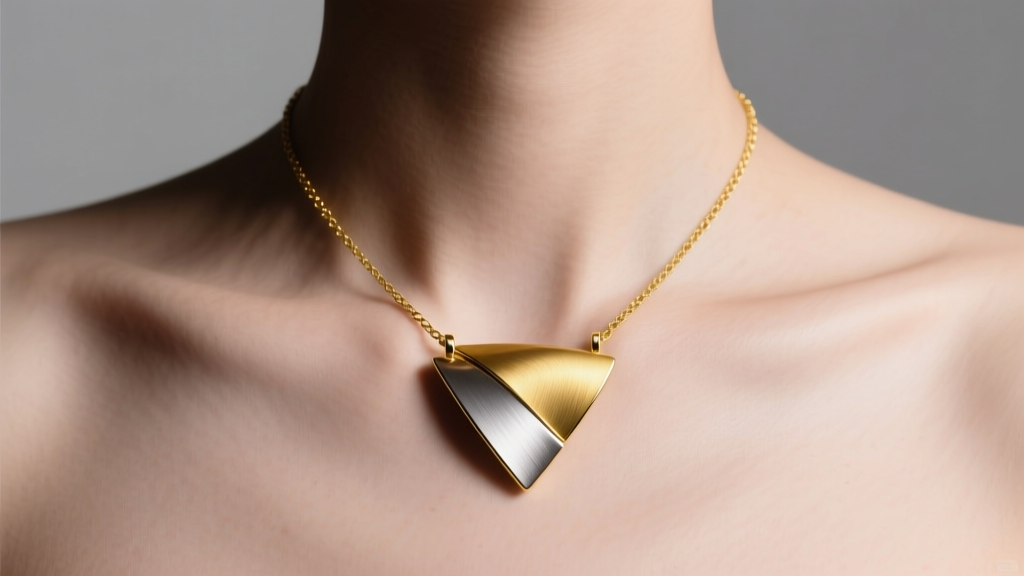
The landscape of fine and demi-fine jewelry has undergone a radical transformation as we move through 2026. The classic solitaire necklace pendant—once defined by a perfectly centered gemstone suspended from a symmetrical bail—has been deconstructed. Today’s style radar is tracking a massive consumer pivot toward kinetic, asymmetrical designs and complex bi-metal hardware. This is not merely an aesthetic shift; it represents a fundamental change in how jewelers approach weight distribution, alloy compatibility, and chain threading. For collectors and style enthusiasts, understanding the mechanics behind these 2026 necklace pendant trends is crucial for making informed purchases that balance avant-garde style with long-term structural integrity.
Asymmetrical Bales and Off-Center Threading
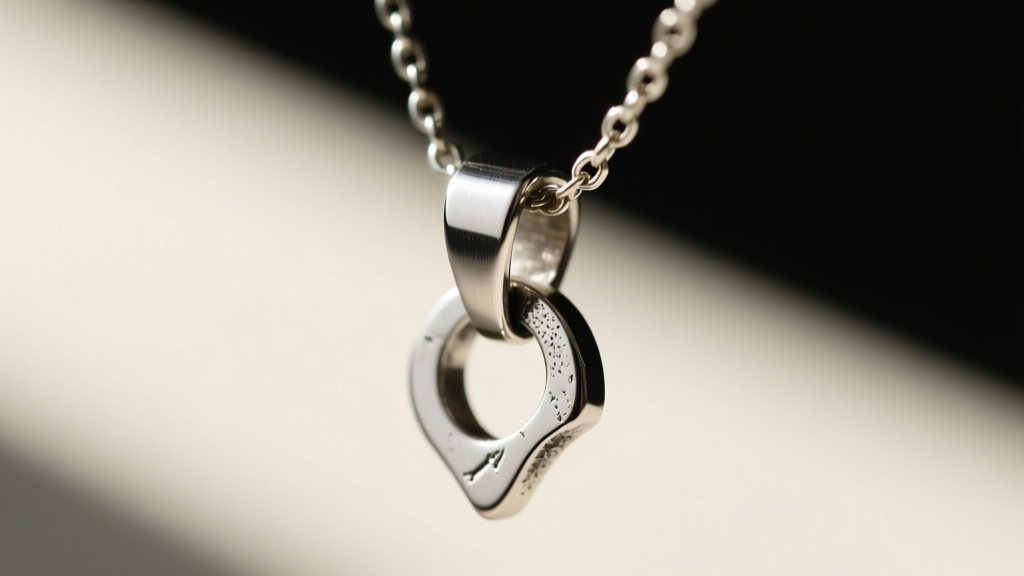
The most dominant silhouette in the 2026 pendant market is the lateral, or off-center, bail. Traditional pendants utilize a centered bail with an inner diameter of roughly 5mm x 7mm, allowing the piece to hang perfectly perpendicular to the floor. The new wave of asymmetric pendants deliberately shifts the bail to the 10 o’clock or 2 o’clock edge of the pendant body. This creates a dynamic, diagonal drape that mimics the look of a lariat or a slip-knot, but with the security of a closed chain loop.
The Engineering Challenge of the Offset Bail
Designing an asymmetrical necklace pendant requires precise engineering to prevent the "pendulum effect," where the pendant constantly flips over due to an unbalanced center of gravity. Master jewelers are solving this by employing counter-weighted bails. By casting the bail in a denser alloy or adding a microscopic tungsten carbide bead inside the hollow bail structure, the top-heavy side is anchored, keeping the pendant’s face visible. When shopping for these pieces, inspect the solder joint where the bail meets the pendant body. Because the leverage is uneven, the joint must be laser-welded rather than traditionally torch-soldered to prevent micro-fractures over time.
The Bi-Metal Aesthetic: Mixing Alloys Safely
Mixed metals have evolved from a styling hack to a permanent fixture in high-end manufacturing. The 2026 necklace pendant trend relies heavily on the "Bi-Metal Aesthetic," fusing contrasting alloys like 18k yellow gold with brushed Grade 5 titanium, or oxidized sterling silver with 14k rose gold accents. However, combining dissimilar metals introduces the risk of galvanic corrosion, especially when exposed to the salts and moisture of human skin.
| Primary Metal | Accent Metal | Galvanic Risk | Recommended Joinery |
|---|---|---|---|
| 18k Yellow Gold | Grade 5 Titanium | Low | Mechanical riveting or friction fitting |
| Sterling Silver (925) | 14k Rose Gold | Moderate | Laser welding with specialized flux |
| Brass / Bronze | Copper | High (Avoid) | N/A - Prone to rapid verdigris |
| Platinum (950) | Black Rhodium-Plated Steel | Low | Tension setting or bezel wrapping |
According to metallurgical reports highlighted by JCK Industry News, top-tier manufacturers are moving away from traditional soldering for mixed metals, opting instead for mechanical joinery like micro-rivets and tension settings. This prevents the heat of soldering from altering the temper of metals like titanium or spring-hardened steel, ensuring the necklace pendant retains its structural resilience.
Weight and Proportion: The Physics of the Drape
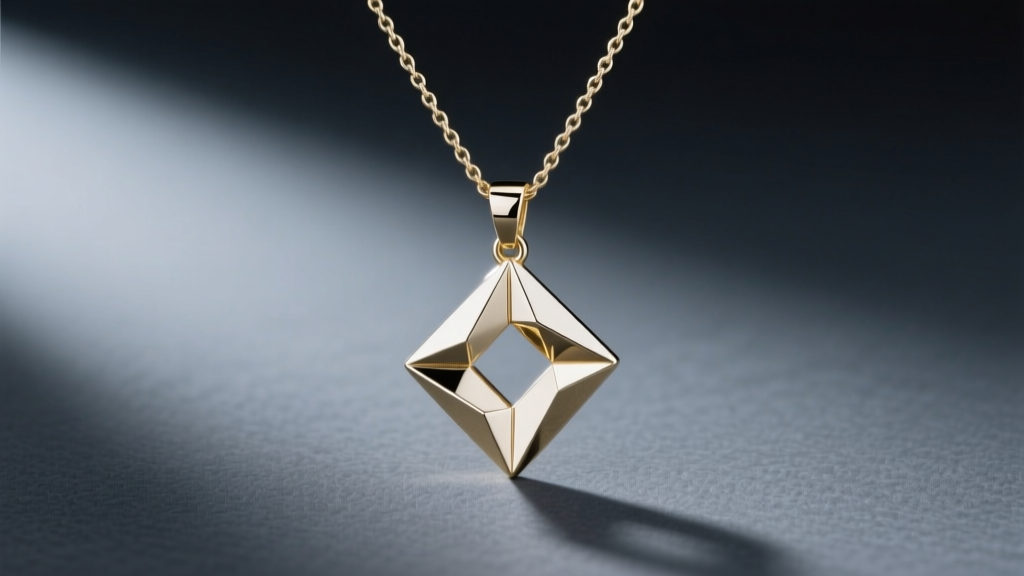
A beautiful pendant will fail if it strangles the wearer or sags awkwardly. The 2026 trend favors substantial, textural pendants, but weight must be carefully calibrated to the chain length and gauge. The industry "sweet spot" for an 18-inch princess-length chain is a pendant weighing between 8 and 12 grams. Anything heavier requires a thicker chain (minimum 2.5mm) to prevent the chain from kinking or the clasp from being pulled forward to the front of the neck.
- 14-16 Inch Chokers: Require lightweight pendants (2 to 4 grams). Heavy pendants on chokers create a choking sensation and cause the clasp to constantly migrate to the front.
- 18 Inch Princess: The versatile standard. Accommodates medium to heavy pendants (6 to 12 grams) with a 1.5mm to 2.0mm cable or rope chain.
- 20-24 Inch Matinee/Opera: Requires heavy, oversized pendants (15+ grams) to anchor the chain against the body. Lighter pendants will swing wildly and tangle.
Material Sourcing: Vermeil vs. PVD Coating
As the demand for accessible luxury grows, the materials used in demi-fine necklace pendants have become a major focal point for 2026. Consumers are becoming highly educated on the difference between traditional gold vermeil and modern PVD (Physical Vapor Deposition) coatings.
Gold vermeil requires a base of sterling silver coated with a minimum of 2.5 microns of gold. While beautiful, vermeil is susceptible to wear on high-friction areas, particularly the inside of the bail where the chain rubs continuously. In contrast, PVD coating utilizes titanium nitride (TiN) applied in a vacuum chamber. PVD creates a molecular bond with the base metal (often surgical steel or titanium), resulting in a surface that is up to 10 times more wear-resistant than traditional electroplating. The Gemological Institute of America (GIA) frequently notes that understanding these surface treatments is vital for consumers looking for longevity in their everyday jewelry. When buying a gold-toned pendant for daily wear in 2026, PVD-coated titanium offers superior scratch resistance compared to heavy vermeil.
Neckline Pairing Framework for 2026
Styling the modern, asymmetrical, or mixed-metal necklace pendant requires a departure from traditional rules. Here is an actionable framework for pairing this year's silhouettes with contemporary fashion:
1. The Asymmetrical Pendant + The Boat Neck
Boat necklines (bateau) run horizontally across the collarbones. An asymmetrical pendant with a diagonal drape breaks up the harsh horizontal line, creating a visually slimming effect that draws the eye downward. Opt for a pendant with a brushed finish to contrast with the matte fabric of a knit top.
2. The Bi-Metal Geometric + The Monochromatic Turtleneck
Mixed-metal pendants act as a bridge between different jewelry tones. If you are wearing a stark black or charcoal turtleneck, a pendant that fuses oxidized silver and 14k yellow gold will pop dramatically. The turtleneck provides a high-friction canvas, so ensure the pendant has a smooth, polished back-plate to prevent snagging on the wool or cashmere.
3. The Oversized Textural Pendant + The Deep V-Neck
Deep V-necks create a natural frame for the décolletage. This is the ideal canvas for the 12+ gram oversized textural pendants trending this year. The sharp angles of the V-neck contrast beautifully with organic, hammered, or raw-cast pendant finishes, creating a balanced, editorial look suitable for evening wear.


