Antique Mustard Seed Necklace: Value & Pricing Guide
Discover how to appraise an antique mustard seed necklace. Learn market pricing, authenticity markers, and material value for Victorian faith jewelry.

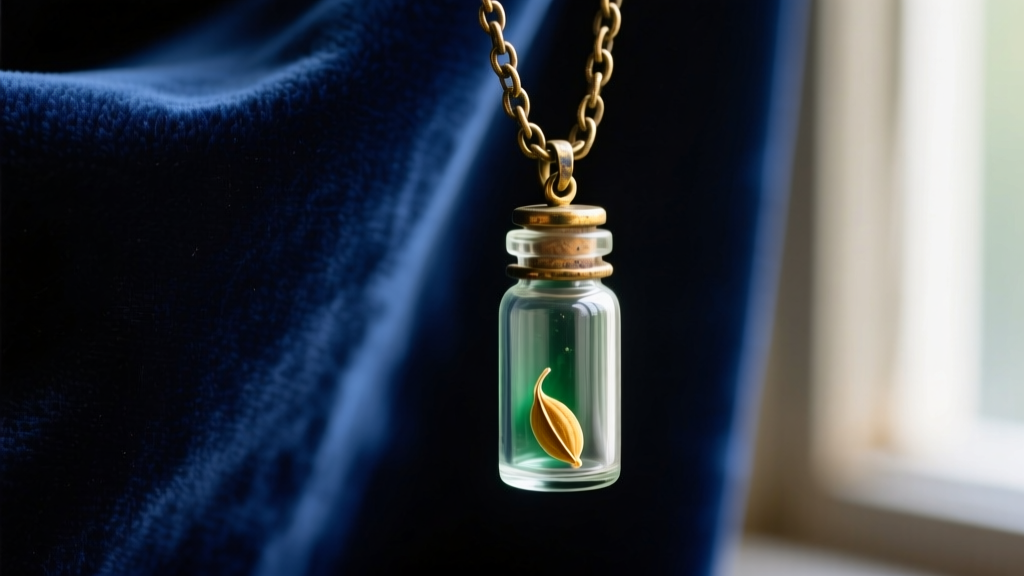
The intersection of faith, sentimentality, and Victorian craftsmanship converges in a deeply specific niche of antique jewelry: the antique mustard seed necklace. Rooted in the biblical parable of faith (Matthew 17:20), these tiny pendants—often housing a single, minuscule seed within a glass vial, resin pod, or metallic locket—became wildly popular during the late 19th and early 20th centuries. Today, as collectors and investors seek out meaningful, historically rich pieces, the market for these necklaces has evolved. However, assessing the true budget and value of an antique mustard seed necklace requires a nuanced understanding of historical manufacturing, material degradation, and the modern collector’s appetite for provenance.
Whether you are an estate jewelry hunter, a collector of religious artifacts, or someone looking to appraise a family heirloom, understanding the financial and historical metrics of these pieces is critical. This guide breaks down the exact pricing tiers, material markers, and authenticity tests you need to navigate the 2026 market for antique mustard seed jewelry.
The Historical Context of Mustard Seed Jewelry
Before assigning a dollar value, it is essential to understand what you are holding. According to the experts at Lang Antiques University, the Victorian era (1837–1901) was defined by sentimental and mourning jewelry. While lockets holding hair or miniature portraits are more widely recognized, religious and faith-based talismans were equally prominent among the middle and upper classes. Mustard seed jewelry peaked in popularity between 1880 and 1920. Early iterations featured hand-blown glass vials sealed with cork and wax, while later Edwardian pieces often incorporated enamelwork, silver lockets, or early celluloid compartments. The value of an antique piece is inextricably linked to its specific era and the manufacturing techniques of that decade.
Anatomy of Value: What Dictates the Price?
Not all antique mustard seed necklaces are created equal. The secondary market evaluates these pieces based on three primary structural components: the vessel, the seal, and the chain.
1. The Vessel Material and Construction
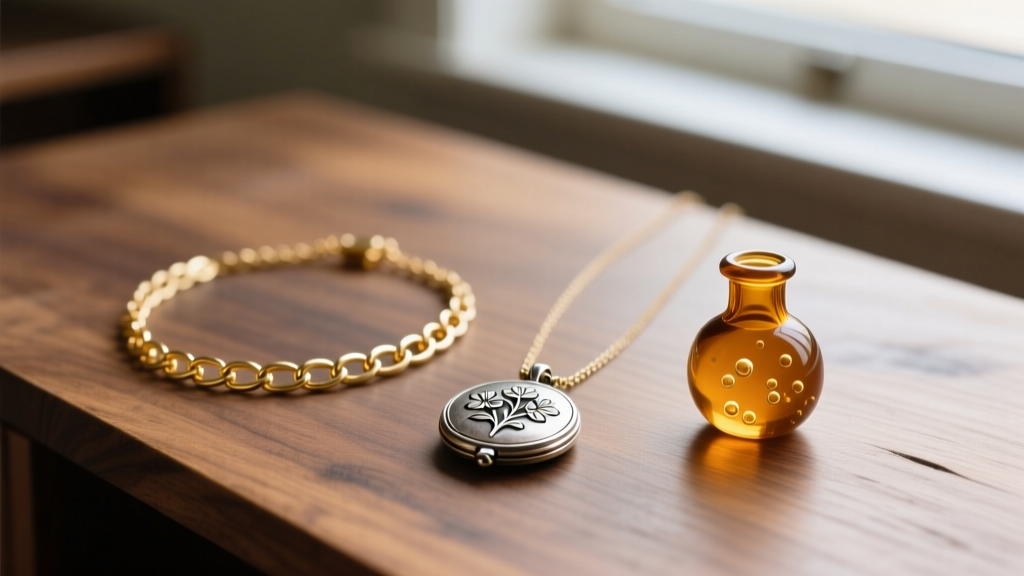
The most common and historically accurate vessel is the hand-blown soda-lime glass vial. These are highly prized by purists because the slight asymmetry and tiny air bubbles (seeds) within the glass prove their age. Molded glass from the 1920s is more uniform but less valuable. Metal lockets (usually sterling silver or gold-filled) that open to reveal a seed encased in a tiny glass watch-crystal window command a premium due to the complexity of the metalwork. Enamel-decorated vials, particularly those featuring hand-painted floral motifs or religious crosses, represent the highest tier of rarity.
2. The Seal and the Seed Condition
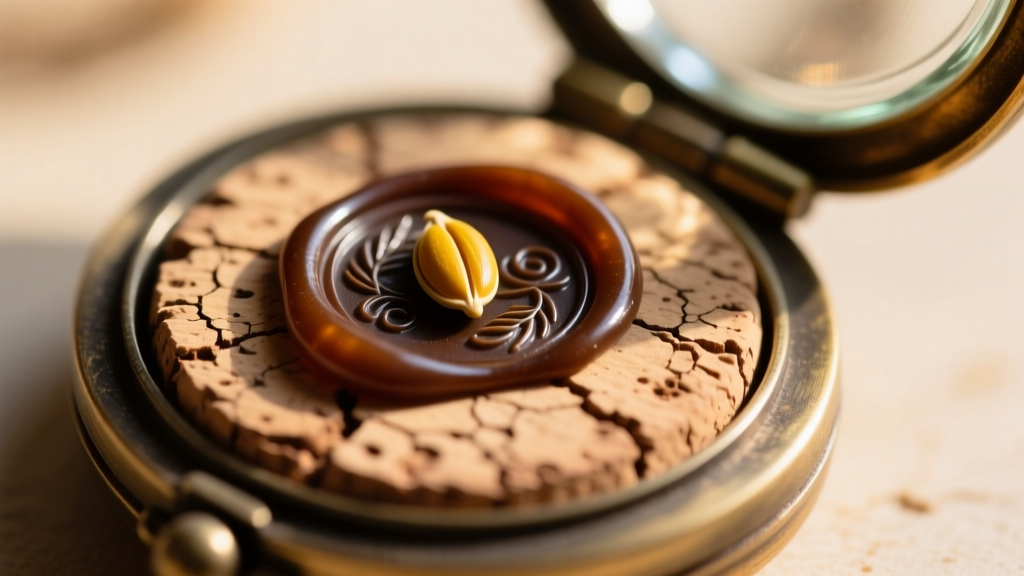
Here lies the greatest paradox of antique mustard seed jewelry: a perfectly preserved, bright yellow seed is often a red flag. Mustard seeds contain natural oils and moisture. Over a century, even with a good seal, desiccation occurs. An authentic 1890s seed should appear shriveled, dark brown, or almost blackened. If the cork and wax seal failed decades ago, the seed may have turned to dust. While a missing or degraded seed lowers the aesthetic appeal for some buyers, appraisers value the intact, original antique seal (cork, natural beeswax, or early shellac) far more than a modern replacement seed.
3. Chain and Bail Findings
The hardware connecting the vial to the chain is a major value multiplier. Early pieces utilized simple pinch bails wrapped with base metal wire. Pieces featuring stamped 'pinch bails' or soldered jump rings in 1/20 12k or 14k gold-filled (GF) materials significantly increase the appraisal value. Solid 14k gold chains paired with these pendants are rare and usually indicate a custom, high-society commission from the Edwardian era.
Market Pricing Tiers for Antique Mustard Seed Necklaces
To accurately assess budget requirements or resale value, we must categorize the market into distinct tiers based on condition, materials, and provenance. The following table reflects current 2026 market estimates for verified antique pieces (circa 1880–1930).
| Condition & Material Profile | Era | Estimated Market Value |
|---|---|---|
| Base metal bail, blown glass, degraded/missing seed, worn cork | 1880–1910 | $45 – $95 |
| Gold-filled chain/bail, intact glass, darkened original seed, good seal | 1900–1920 | $140 – $280 |
| Sterling silver locket with glass window, intact seed, hallmarked | 1890–1915 | $300 – $550 |
| Hand-painted enamel vial, solid gold findings, documented provenance | 1880–1905 | $750 – $1,400+ |
As noted by antique appraisal guides like The Spruce Crafts, provenance—such as a diary entry mentioning the necklace or original period packaging—can push a piece from the middle tier directly into the premium tier. Collectors of religious antiquities are willing to pay a heavy premium for documented history.
Authenticity Check: Spotting Fakes and Reproductions
The market is currently flooded with 'antique-style' mustard seed necklaces manufactured in the 1970s and, more recently, mass-produced overseas. Distinguishing a true antique from a vintage or modern reproduction requires a critical eye for specific failure modes and manufacturing marks.
- The Glass Test: True antiques feature hand-blown glass. Look for a 'pontil mark' (a small rough spot where the glass was snapped from the blowing rod) or a subtle seam if it was early-molded. Modern reproductions use perfectly smooth, machine-extracted glass with uniform thickness.
- The Bail and Solder: Examine the loop (bail) holding the vial. Antique bails were often hand-wrapped or feature uneven, heavy solder joints. Laser-welded, perfectly symmetrical bails indicate modern manufacturing.
- The 'Perfect Seed' Paradox: As mentioned, if the seed inside the vial is plump, perfectly round, and bright yellow, it has likely been replaced or the piece is a modern reproduction. Authentic 19th-century seeds show severe age and desiccation.
- UV Fluorescence: Under a UV blacklight, early 20th-century glass and natural beeswax seals will fluoresce differently than modern synthetic resins and epoxies used to seal contemporary reproductions.
Restoration Ethics and Preservation
A common dilemma for buyers and sellers is whether to restore a damaged antique mustard seed necklace. If the cork has crumbled and the seed has turned to dust, the instinct is to open the vial, clean it, and insert a new seed. From a strict investment and appraisal perspective, this destroys the antique value. The piece transitions from an 'authentic 19th-century artifact' to a 'damaged antique vial with a modern seed.'
Preservation is the preferred route. Store these necklaces in climate-controlled environments (ideally 40-50% relative humidity) to prevent the remaining cork from completely disintegrating. Avoid prolonged exposure to direct sunlight, as UV rays will further degrade the organic material of the seed and cause early glass to develop a permanent, cloudy 'solarization' tint. If the bail is broken, have a professional jeweler repair it using traditional soldering methods rather than modern adhesives, which can off-gas and cloud the interior of the glass vial.
Final Verdict: Is It a Sound Investment?
From a purely financial standpoint, an antique mustard seed necklace is a niche collectible rather than a high-yield liquid asset like gold or diamonds. However, within the specialized market of religious and sentimental Victorian jewelry, high-tier pieces (especially enamel and silver lockets) have shown steady, inflation-beating appreciation over the last decade. For buyers on a budget, the $100–$250 range offers a sweet spot: you can acquire a verified, gold-filled antique piece with an intact, historically accurate seed and original seal, providing both profound historical resonance and solid material value.


