The 925 Sun Necklace: 2026 Celestial Jewelry Trends
Discover how the 925 sun necklace dominates 2026 celestial jewelry trends. Expert styling tips, alloy insights, and layering techniques inside.

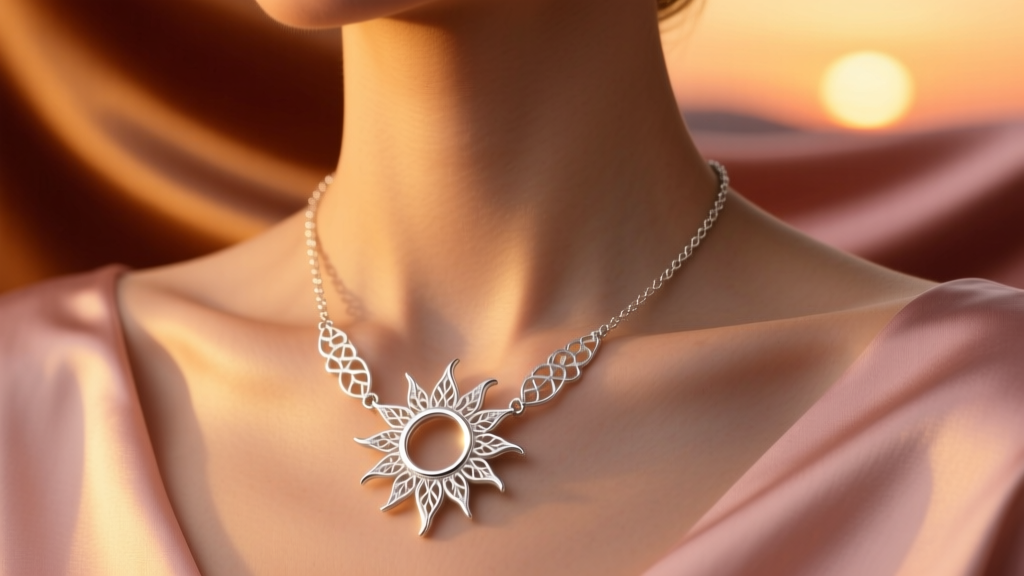
The Resurgence of Celestial Motifs in 2026
The jewelry landscape of 2026 has decisively pivoted from the ultra-minimalist 'quiet luxury' movement toward expressive, narrative-driven maximalism. At the forefront of this shift is the celestial revival, specifically the 925 sun necklace. No longer confined to bohemian festival wear, the sun pendant has been reimagined by contemporary silversmiths as a sophisticated, architectural focal point. According to archival research from the Victoria and Albert Museum, celestial motifs have historically symbolized power, enlightenment, and eternal life. Today, the modern sun necklace bridges ancient symbolism with avant-garde layering techniques, making it a non-negotiable staple in the 2026 fine jewelry wardrobe.
What separates a fleeting trend piece from an enduring heirloom is the metallurgical foundation. The ubiquitous '925' stamp is your first indicator of quality, but understanding the nuances of sterling silver, chain engineering, and gemstone integration is critical for both collectors and everyday wearers.
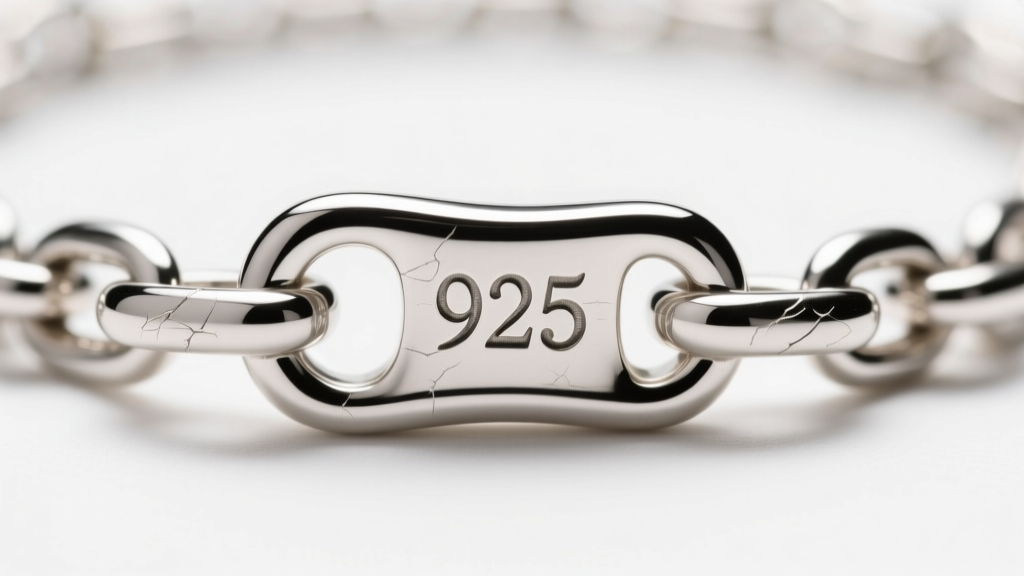
Decoding the '925' Hallmark: Metallurgy and Material Grades
Pure silver (99.9%) is too malleable for daily wear; a pure silver sun pendant would easily warp under the tension of its own chain. To solve this, jewelers alloy the metal. The '925' hallmark guarantees that the piece contains exactly 92.5% pure silver and 7.5% secondary metals, almost universally copper. This specific ratio, regulated by assay offices globally, provides the optimal balance of brilliant luster and structural integrity.
However, the copper content is also the culprit behind silver sulfide (Ag2S) formation, commonly known as tarnish. When copper reacts with atmospheric sulfur and moisture, it creates a dark patina. To combat this, high-end 925 sun necklaces in 2026 are frequently finished with a micro-thin layer of rhodium—a platinum-group metal that provides a mirror-like, tarnish-resistant shield. For those seeking an alternative to plating, look for pieces crafted from Argentium silver, a modern alloy that replaces some copper with germanium, offering up to seven times the tarnish resistance of traditional sterling.
Chain Engineering: Matching Gauge to Pendant Weight
A common failure point in necklace styling is the mismatch between the pendant's bail (the loop it hangs from) and the chain's gauge. A heavy, solid-cast 925 sun pendant weighing 18 grams will snap a delicate 0.8mm cable chain within weeks due to tensile fatigue. Conversely, threading a lightweight, 4-gram filigree sunburst onto a thick 2.5mm curb chain will cause the bail to abrade and eventually wear through.
Below is the 2026 structural matrix for pairing your sun pendant with the correct silver chain:
| Pendant Weight | Recommended Chain Style | Ideal Gauge (mm) | Tensile Suitability |
|---|---|---|---|
| Under 5g (Delicate Filigree) | Cable or Snake Chain | 0.8mm - 1.0mm | Low / Formal Wear |
| 5g - 15g (Standard Cast) | Rolo or Mariner Chain | 1.2mm - 1.5mm | Medium / Daily Wear |
| 15g - 25g (Heavy Solid) | Box or Wheat Chain | 1.5mm - 2.0mm | High / Statement |
| 25g+ (Oversized Maximalist) | Cuban Link or Figaro | 2.5mm - 3.5mm | Maximum / Heavy Duty |
Pro Tip: Always measure the inner diameter of your sun pendant's bail before purchasing a chain. A standard 1.5mm rolo chain requires a bail opening of at least 2.5mm to drape correctly without kinking.
The 2026 Layering Matrix: Integrating the Sun Pendant
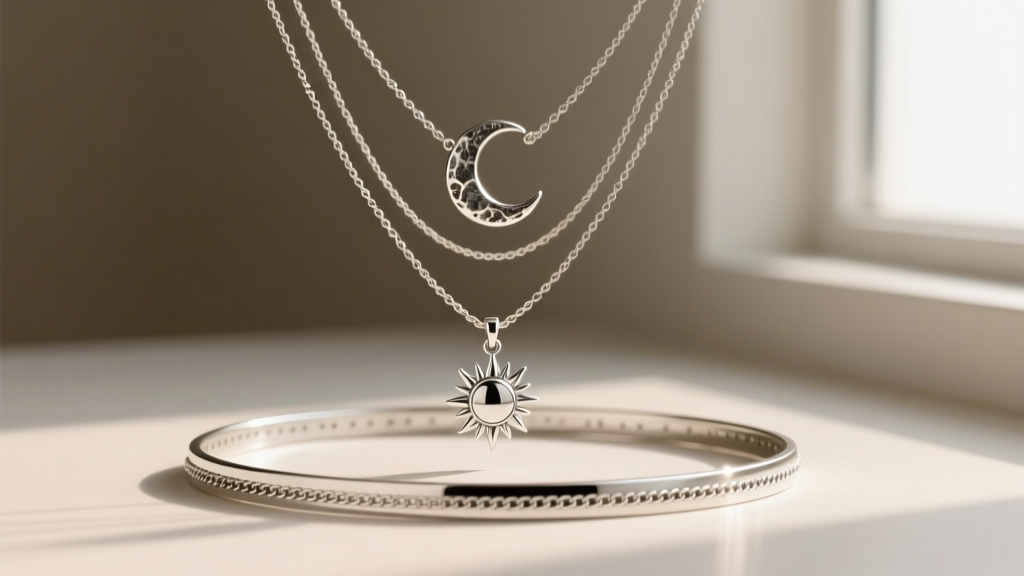
Wearing a single necklace is increasingly rare in contemporary styling. The 2026 approach to the 925 sun necklace relies on the 'Rule of Thirds' for visual spacing, ensuring each piece occupies its own distinct focal zone on the décolletage. Here is a masterclass framework for layering your sun pendant without creating a tangled, chaotic mess:
- Zone 1 (14-15 inches): The Anchor. Use a simple, 1.2mm silver herringbone or a velvet ribbon choker. This draws the eye upward and frames the jawline.
- Zone 2 (18-20 inches): The Focal Point. This is where your 925 sun necklace lives. An 18-inch rolo chain allows a medium-sized sun pendant to rest perfectly at the sternal notch.
- Zone 3 (24-28 inches): The Elongator. Finish with a heavy, oxidized silver chain featuring a contrasting motif, such as a crescent moon or a solitary rough-cut gemstone drop.
By maintaining a strict 4-to-6-inch gap between each chain length, you prevent the clasps and bails from interlocking, which is the primary cause of chain breakage in layered setups.
Gemstone Accents: Elevating the Silver Sun
While the all-silver silhouette remains a classic, 2026 has seen a massive spike in demand for 925 sun necklaces featuring strategic gemstone inlays. The interplay between the cool tone of rhodium-plated silver and warm, solar-associated gemstones creates a striking visual contrast. When sourcing a gemstone-set sun pendant, pay close attention to the Mohs hardness scale and the setting technique.
Top Gemstone Pairings for Sun Motifs
1. Ethiopian Hydrophane Opal: Often bezel-set in the center of the sun to mimic a glowing core. Opals require a solid bezel rather than prongs to protect their fragile edges. Note that hydrophane opals absorb water and can temporarily lose their fire, so avoid wearing them in high humidity.
2. Oregon Sunstone: A feldspar variety containing copper inclusions that create a brilliant 'schiller' or aventurescence. It ranks 6.5 to 7 on the Mohs scale, making it durable enough for daily wear in a prong setting.
3. Madeira Citrine: For a deep, amber-gold center stone. Ensure the citrine is heat-treated amethyst (the industry standard) rather than coated glass, which will scratch and reveal the clear base material over time.
Preserving the Shine: Advanced Care Protocols
According to The Silver Institute, environmental factors accelerate the oxidation of sterling silver. To maintain the brilliant finish of your 925 sun necklace, implement these specific care protocols:
The Golden Rule of Silver: 'Last on, first off.' Sterling silver should be the final accessory you put on after applying perfumes, lotions, and hairsprays, and the first thing you remove when undressing. The alcohols and emulsifiers in cosmetics rapidly degrade rhodium plating and accelerate copper oxidation.
When storing your necklaces, abandon the traditional jewelry box. Instead, utilize airtight polyethylene ziplock bags paired with 3M anti-tarnish strips. These strips absorb atmospheric sulfur before it can react with the copper alloy in your 925 silver. Never use ultrasonic cleaners on sun necklaces featuring opals, emeralds, or turquoise, as the high-frequency vibrations can shatter stones with internal inclusions or fracture lines.
Final Thoughts on the Celestial Shift
The 925 sun necklace is far more than a seasonal accessory; it is a testament to the enduring human fascination with the cosmos, translated through masterful metallurgy and modern design. By understanding the structural requirements of your chain, the precise geometry of layering, and the chemical realities of sterling silver, you elevate your jewelry from mere decoration to a curated, lifelong collection. As we move deeper into 2026, the sun pendant remains the ultimate emblem of radiant, unapologetic personal style.


