How to Clean, Store, and Maintain a Python Necklace
Discover expert tips to clean, store, and maintain your python necklace. Learn specific care routines for both python leather and metal chain variants.

Understanding Your Python Necklace: Leather vs. Metal Chain
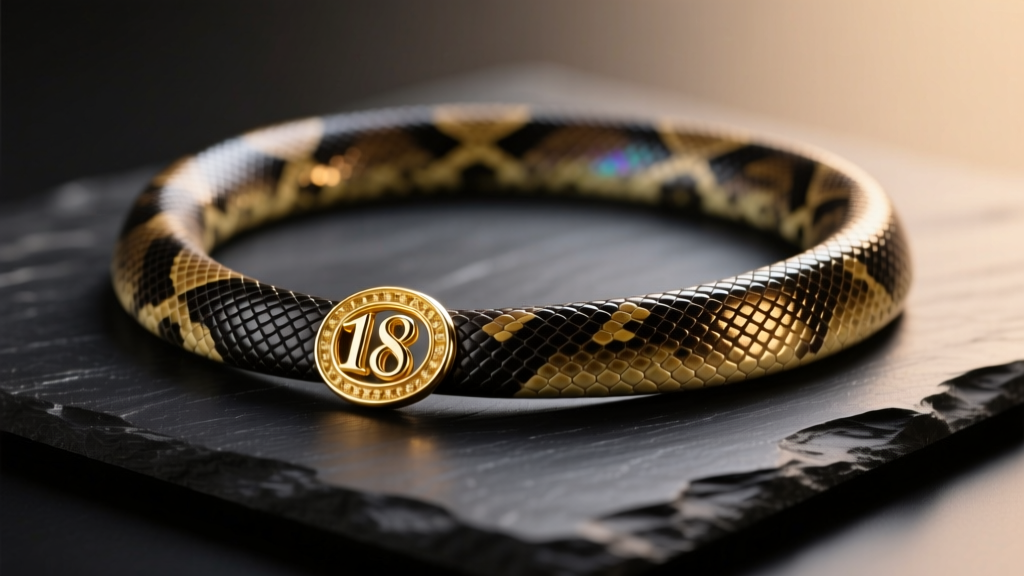
In the luxury jewelry and fashion space, the term python necklace typically refers to one of two highly sought-after designs: an exotic python leather choker/pendant strap, or a flexible, tubular "python" metal chain. Because the material composition of these two styles is vastly different, their care, maintenance, and cleaning protocols require entirely distinct approaches. As of 2026, advancements in micro-crystalline waxes and non-abrasive metal polishes have revolutionized how we preserve these delicate pieces, but improper cleaning remains the leading cause of irreversible damage.
Whether you own a CITES-certified Python reticulatus leather collar or an 18k gold vermeil python-link metal chain, this comprehensive guide will provide you with the exact material grades, chemical thresholds, and storage parameters required to maintain your necklace's structural integrity and visual brilliance.
Caring for Exotic Python Leather Necklaces
Python leather is prized for its intricate, raised keratin scales and unique natural patterning. However, these very scales make the material highly susceptible to lifting, drying, and chemical burns if exposed to harsh solvents.
The Cleaning Protocol for Keratin Scales
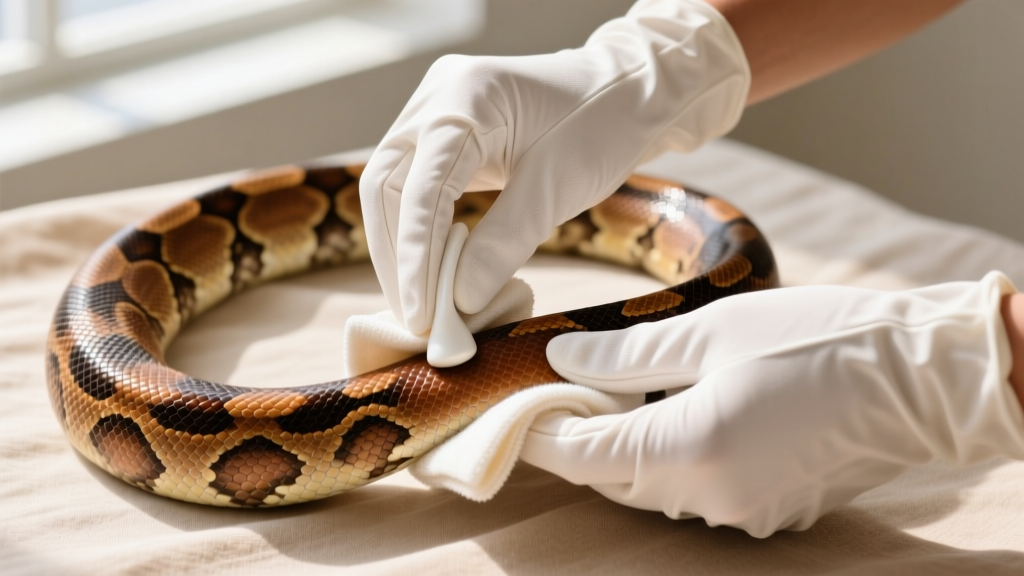
Never submerge a python leather necklace in water. Moisture trapped beneath the scales can lead to mold growth and adhesive failure along the seams. Instead, follow this meticulous dry-and-damp cleaning method:
- Dust Removal: Use a soft-bristled horsehair brush to gently sweep between the scales. Brush in the direction of the scale overlap (head to tail) to prevent lifting.
- Surface Wiping: Dampen a microfiber cloth with distilled water. The pH of distilled water (7.0) is neutral and safe for exotic skins. Wipe the leather gently.
- Stain Treatment: For localized oil or cosmetic stains, apply a micro-drop of pH-balanced exotic leather cleaner (ideally between 5.5 and 6.5 pH) to a cotton swab. Dab—do not rub—the affected scale.
Conditioning and Scale Preservation
Unlike bovine leather, python skin lacks a dense network of oil glands, making it prone to severe desiccation. According to guidelines from the Convention on International Trade in Endangered Species (CITES) and luxury leather conservators, maintaining the flexibility of the skin requires specialized conditioning. Use a reptile-specific leather cream containing micro-crystalline wax and lanolin. Apply a pea-sized amount to a lint-free cloth and buff it into the leather using small, circular motions. Allow the necklace to rest in a climate-controlled room (68°F to 72°F) for 24 hours before wearing.
Maintaining Python Metal Chain Necklaces
The "python chain" is a masterful feat of jewelry engineering, featuring interlocking, tubular links that mimic the fluid movement of a snake's spine. These chains are most commonly crafted from 925 sterling silver or brass cores plated with 18k gold vermeil (a minimum of 2.5 microns of gold over sterling silver, as defined by the Gemological Institute of America (GIA)).
Tarnish Removal and Vermeil Protection
The tight crevices of a python metal chain easily trap sebum, dead skin cells, and environmental sulfur, leading to rapid tarnishing. Never use ultrasonic cleaners or chemical silver dips on gold vermeil python chains. The high-frequency vibrations can fracture the delicate tubular links, and the harsh thiourea compounds in silver dips will instantly strip the gold vermeil layer, exposing the base metal.
Manual Cleaning Steps:
- Create a lukewarm bath of distilled water and a few drops of phosphate-free, mild dish detergent.
- Submerge the necklace for exactly 3 to 5 minutes to loosen body oils.
- Using a 0.5mm soft-bristle baby toothbrush, gently agitate the bristles along the chain's grooves. Do not apply downward pressure.
- Rinse thoroughly under a gentle stream of lukewarm distilled water.
- Pat dry with a microfiber towel and use a cool-setting hair dryer to blow moisture out of the internal tubular links.
Optimal Storage Environments for Longevity
How you store your python necklace when it is not being worn is just as critical as how you clean it. Exposure to UV light, fluctuating humidity, and airborne pollutants will degrade both leather and metal variants over time.
| Material Type | Optimal Humidity | Temperature Range | Required Storage Accessories |
|---|---|---|---|
| Python Leather | 45% - 55% RH | 65°F - 72°F (18°C - 22°C) | Acid-free tissue paper, breathable cotton dust bag, cedar wood blocks (for pest deterrence) |
| 925 Silver Python Chain | 30% - 40% RH | 60°F - 75°F (15°C - 24°C) | Anti-tarnish treated flannel pouch, silica gel desiccant packets, activated charcoal strips |
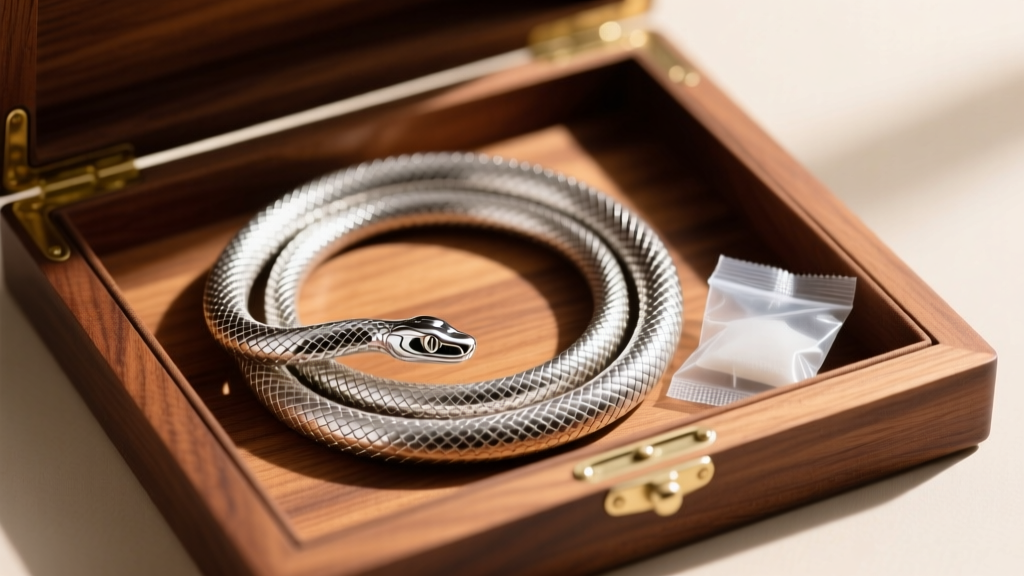
| 18k Gold Vermeil Chain | 30% - 50% RH | 60°F - 75°F (15°C - 24°C) | Individual soft-lined compartment box, anti-tarnish tabs (non-abrasive) |
Pro Tip: Never hang a heavy python leather necklace on a standard jewelry hook for long-term storage. The weight of the leather, combined with gravity, will cause the collagen fibers to stretch and permanently warp the collar's shape. Always lay leather necklaces flat, gently coiled with acid-free tissue paper stuffed in the center to maintain the structural curve.
Troubleshooting Common Python Necklace Issues
Even with meticulous care, accidents happen. Here is an expert troubleshooting matrix for the most frequent issues encountered with python necklaces.
| Issue | Material Affected | Expert Solution |
|---|---|---|
| Lifted or Peeling Scales | Python Leather | Do not pull the scale. Apply a micro-drop of flexible, acid-free leather glue (like Barge All-Purpose) under the scale using a toothpick. Press flat with a silicone spatula and bind with painter's tape for 12 hours. |
| White Haze / Cloudiness | Gold Vermeil Chain | This is usually dried soap residue trapped in the links. Re-soak in distilled water only, brush gently, and immediately dry with compressed air or a cool hair dryer. |
| Stiff / Brittle Texture | Python Leather | The leather has desiccated. Place the necklace in a sealed plastic container with a damp (not wet) sponge and a few drops of tea tree oil for 48 hours to reintroduce ambient moisture, then apply a heavy reptile conditioner. |
| Snagged / Kinked Links | Metal Python Chain | Do not pull. Lay the chain flat on a rubber mat. Use two pairs of nylon-jaw jewelry pliers to gently massage the kinked tubular links back into alignment without scratching the gold plating. |
Final Thoughts on Exotic and Chain Care
A python necklace—whether a striking exotic leather statement piece or a fluid, scale-like metal chain—is an investment in master craftsmanship. By strictly adhering to pH-balanced cleaning agents, avoiding ultrasonic vibrations, and meticulously controlling your storage environment's relative humidity, you can ensure your necklace remains a pristine, head-turning staple in your wardrobe for decades. Remember that when dealing with severe structural damage, particularly to the soldered clasps of metal chains or the binding seams of leather collars, consulting a certified bench jeweler or professional leather conservator is always the safest route.


