Pretzel Necklace Beer Festival Survival Guide 2026
Troubleshoot and protect your pretzel necklace at any beer festival. Expert tips on metal corrosion, clasp repairs, and cleaning spills in 2026.

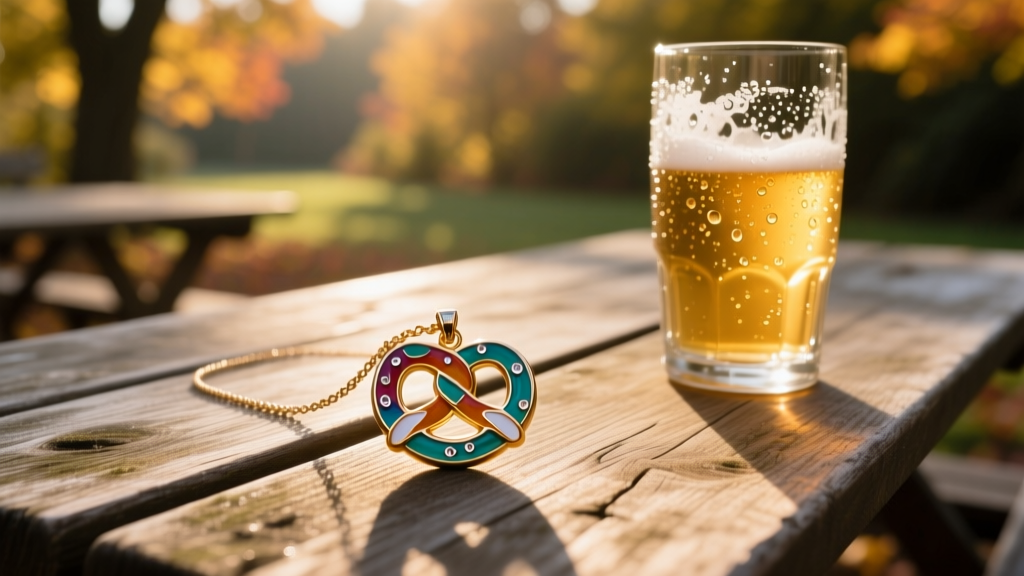
The 2026 craft beer festival season is upon us, and novelty jewelry remains a staple of event fashion. Among the most popular statement pieces is the iconic pretzel necklace. Whether crafted from enameled metal, carved acrylic, or stamped brass, a pretzel pendant is a festive nod to brewery culture. However, the beer festival environment is notoriously hostile to jewelry. Between the acidic nature of spilled craft brews, the high salinity of sweat in crowded outdoor tents, and the kinetic energy of navigating dense crowds, your favorite accessory is at high risk of structural failure and chemical degradation.
This guide moves beyond basic styling advice to provide a rigorous, problem-solving approach to wearing, maintaining, and repairing your pretzel necklace in high-stakes festival environments. We will break down the metallurgy of novelty chains, troubleshoot real-time clasp failures, and outline a post-event decontamination protocol to ensure your jewelry survives the weekend.
The Anatomy of a Festival Necklace Failure
Most mass-produced pretzel necklaces fail not at the pendant itself, but at the connection points. A standard 45mm enameled Zamak pretzel pendant weighs between 35 and 55 grams. While this seems light, the lateral tension applied when the pendant snags on a crowded festival table or a fellow attendee's clothing can generate sudden force spikes exceeding 5 pounds of pressure.
- The Spring Ring Weakness: Many novelty necklaces ship with 10mm spring ring clasps made from base alloys. These clasps rely on a tiny internal steel spring that is highly susceptible to rust when exposed to the high humidity and liquid spills of a beer garden. Once the spring rusts, the clasp fails to close securely.
- Jump Ring Warping: The jump ring connecting the chain to the pendant is often the primary failure point. If the manufacturer used a 22-gauge (0.64mm) wire for the jump ring, it will easily pull apart under the weight of a heavy pendant. For festival wear, you need a minimum of 18-gauge (1.02mm) wire, ideally in a soldered or split-ring configuration.
- Enamel Micro-Fractures: Bumping a heavy metal stein against your chest can cause micro-fractures in the epoxy or vitreous enamel coating of the pretzel pendant, allowing moisture to reach the base metal and trigger subsurface blistering.
The Chemistry of Spills: Beer, Sweat, and Base Metals
Understanding the chemical environment of a beer festival is crucial for troubleshooting skin irritation and metal tarnish. According to data from the Brewers Association, the average pH of craft beer ranges from 4.0 to 5.0, making it distinctly acidic. When this acidic liquid mixes with the natural salts in human sweat, it creates a highly corrosive electrolyte solution.
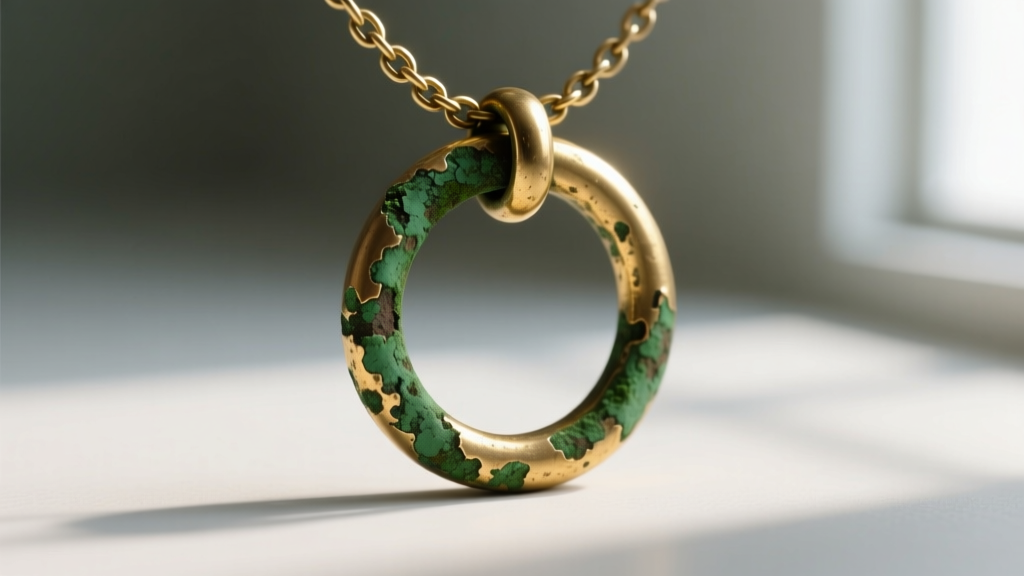
If your pretzel necklace is made from a copper alloy like brass or bronze, this electrolyte solution accelerates oxidation, resulting in the dreaded "green neck" effect. Furthermore, the American Academy of Dermatology notes that prolonged exposure to moisture and friction can trigger contact dermatitis in individuals sensitive to the nickel often found in cheap Zamak or white-metal alloys used in novelty pendants.
Material Breakdown: What Survives the Beer Spill?
| Material | Composition & Grade | Acid/Sweat Resistance | Estimated Price Range |
|---|---|---|---|
| 316L Stainless Steel | Marine-grade steel with molybdenum | Excellent (Highly resistant to chlorides and acids) | $25 - $60 |
| Zamak (Enameled) | Zinc alloy with aluminum, magnesium, copper | Poor (Prone to blistering if enamel chips) | $10 - $25 |
| Solid Brass | Copper and zinc alloy | Fair (Will oxidize green without a sealant) | $15 - $40 |
| Acrylic Resin | Injection-molded polymethyl methacrylate | Excellent (Impervious to beer acids) | $8 - $20 |
Field Repairs: Troubleshooting on the Festival Floor
When disaster strikes in the middle of a crowded beer tent, you rarely have access to a proper jewelry repair kit. Here is how to execute emergency field repairs using everyday items you likely have on hand.
Fixing a Popped Jump Ring
If the jump ring holding your pretzel pendant pulls open, never pull the ends apart laterally like a door. This warps the circle and weakens the metal. Instead, use the twist method. Take two sturdy items from your pocket—such as two house keys, or a key and a thick coin. Grip one side of the break with your fingers and the other with the key, and twist the ends in opposite directions (one toward you, one away) to open it. Place the chain back inside, and twist them back into perfect alignment. The friction of the metal ends meeting will hold it temporarily until you can get it soldered.
The "Green Neck" Emergency Protocol
If you notice a green or black ring forming on your skin beneath the chain, this is copper oxide or copper chloride transferring from the alloy to your skin.
Expert Tip: To stop the transfer immediately without removing the necklace, dry the chain thoroughly with a paper towel and apply a thin layer of micro-crystalline wax (like Renaissance Wax) or even a quick swipe of clear lip balm to the back of the chain. This creates a temporary hydrophobic barrier between the reactive metal and your skin.For skin cleanup, a simple wipe with an alcohol-based hand sanitizer (standard at most festival food stalls) will dissolve the copper salts and remove the green stain instantly.
Dealing with Sticky, Beer-Coated Chains
Spilled IPA or stout leaves a sugary, sticky residue that causes the chain links to bind and pull your neck hair. Do not yank the chain. Dab a small amount of food-grade mineral oil or even a drop of cooking oil from a food vendor onto the sticky section. Work the links back and forth to break down the sugar bonds, then wipe the excess oil away with a microfiber cloth or napkin.
The Post-Festival Decontamination Protocol
Once you are home, your pretzel necklace requires a thorough decontamination to halt any ongoing galvanic corrosion or acid etching. The cleaning method depends entirely on the pendant's material.
Step 1: The Acrylic and Enamel Wash
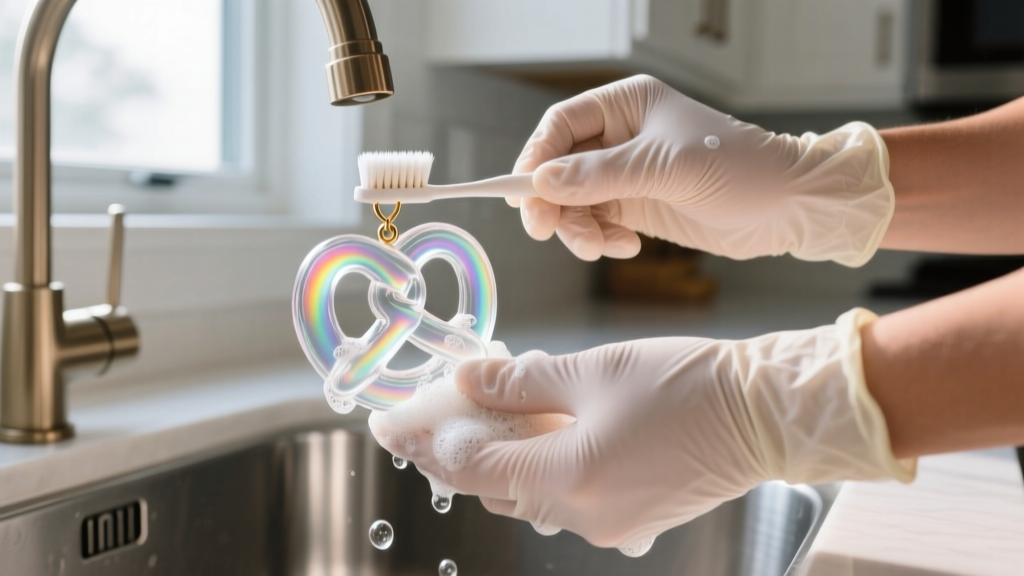
For acrylic pendants or Zamak pendants with painted/enameled details, avoid ultrasonic cleaners and harsh chemical dips, which will strip the color and cloud the acrylic.
- Mix a solution of lukewarm distilled water and a few drops of mild, pH-neutral dish soap (like Dawn).
- Submerge the necklace for exactly 5 minutes to soften dried beer sugars and sweat salts.
- Use a baby-soft toothbrush to gently agitate the crevices of the pretzel design. Do not use medium or hard bristles, as they will leave micro-scratches on acrylic and enamel.
- Rinse thoroughly under distilled water and pat dry with a lint-free microfiber cloth. Air drying can leave hard water spots on dark enameled surfaces.
Step 2: The Solid Metal Polish
If your pretzel necklace is made of solid brass, copper, or uncoated stainless steel, you can use a more aggressive approach to remove oxidation. Create a paste using equal parts baking soda and lemon juice. Apply the paste to the metal using a cotton swab, avoiding any fabric or leather cords. Let it sit for no more than two minutes—the citric acid will react with the copper oxide. Rinse immediately with warm water and buff vigorously with a jewelry polishing cloth to restore the luster.
Upgrading for Next Season
If your current pretzel necklace failed the survival test this weekend, consider upgrading the components rather than discarding the pendant. Take the piece to a local bench jeweler and request a laser soldering of the jump ring, which permanently fuses the metal without applying a torch flame that could melt the enamel. Additionally, ask them to swap the cheap spring ring clasp for a 12mm stainless steel lobster clasp. This minor investment of $15 to $25 transforms a fragile novelty item into a robust, festival-ready statement piece capable of surviving the wildest beer garden environments for years to come.


