Beyond the Pearl Necklace Sexual Meaning: A Real Value Guide
We decode the pearl necklace sexual meaning, then pivot to a serious 2026 budget and value assessment for buying genuine pearl jewelry.

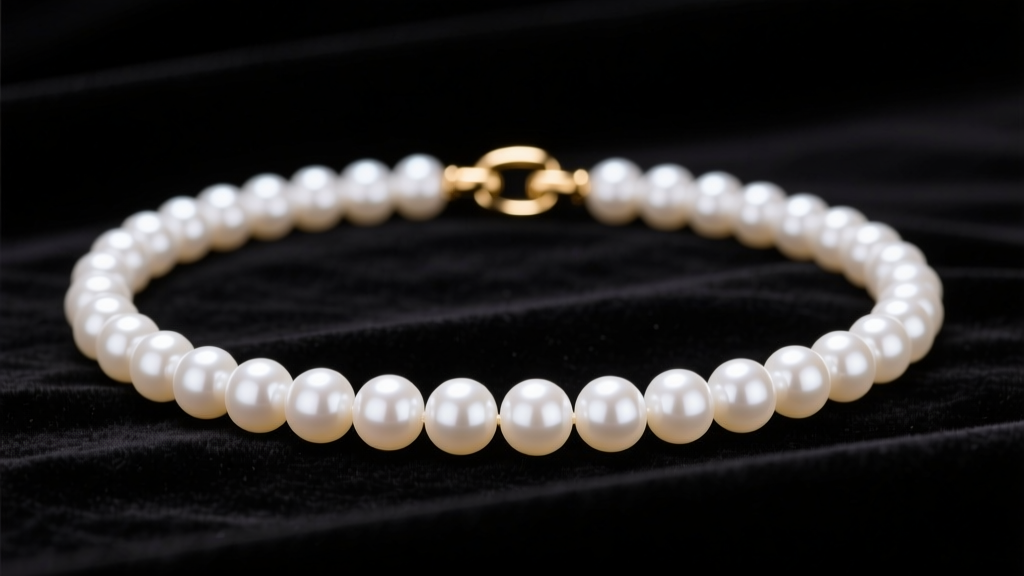
If you have recently typed the phrase pearl necklace sexual meaning into a search engine, you have likely stumbled into a corner of internet slang that has very little to do with actual gemology. Originating in the shock-jock radio era of the late 1990s and early 2000s, the term is a crude colloquialism that has persisted in urban dictionaries and pop-culture forums. However, as jewelry historians and gemologists, we believe it is time to reclaim the narrative. In 2026, the pearl necklace is experiencing a massive renaissance, celebrated for its gender-neutral appeal, organic origins, and timeless elegance.
This guide will briefly address the slang to satisfy your search intent, before pivoting to what actually matters: a comprehensive, expert-level budget and value assessment for buying genuine pearl necklaces today. Whether you are looking at a $50 freshwater strand or a $15,000 South Sea masterpiece, understanding how to evaluate pearl quality is essential to avoid overpaying.
The Slang vs. The Stone: Reclaiming the Pearl
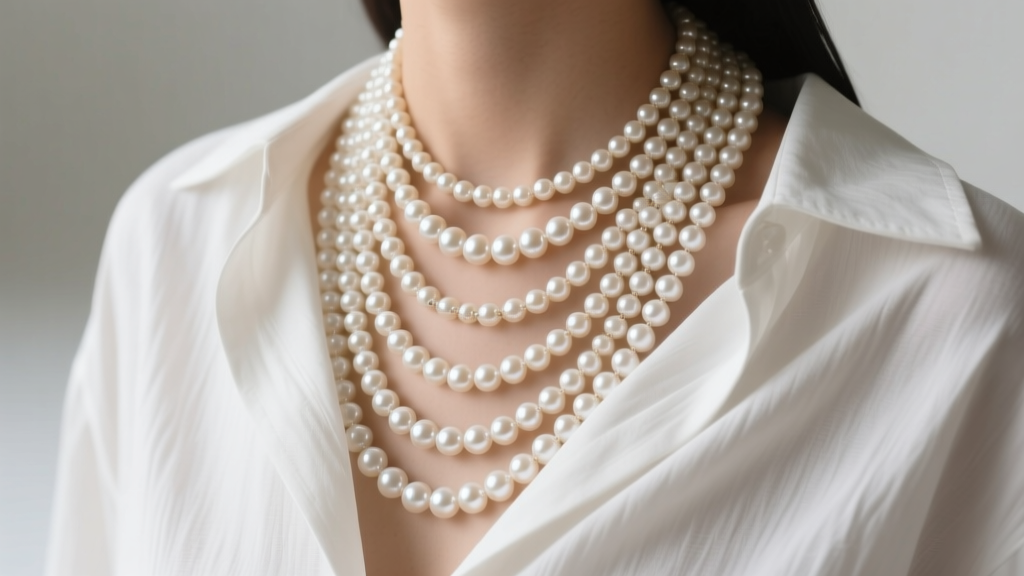
To be entirely clinical, the slang term refers to a specific sexual act, utilizing the visual metaphor of white pearls. It is a relic of early internet edgelord culture. But in the real world of high jewelry and contemporary fashion, a pearl necklace represents centuries of prestige, organic beauty, and sophisticated styling. Today, style icons and everyday consumers alike are layering baroque pearls with casual streetwear, pairing them with crisp linen shirts, and embracing imperfect, organic shapes. The cultural reclamation of the pearl is complete, and the market reflects a surging demand for ethically sourced, high-luster gems.
The 2026 Pearl Market: Budget & Value Matrix
Not all pearls are created equal, and the price discrepancies between different varieties can be staggering. Understanding the baseline value of different pearl types is the first step in your budget assessment. Below is a comparative matrix of the four primary pearl categories available on the market today.
| Pearl Type | Average Price Range (16" Strand) | Typical Size (mm) | Luster Profile | Best Budget Use Case |
|---|---|---|---|---|
| Freshwater | $50 - $600 | 6.0 - 12.0mm | Soft, satiny, diffused | Everyday wear, trend-driven layering, entry-level gifts. |
| Akoya (Saltwater) | $300 - $4,500+ | 6.0 - 9.5mm | Mirror-like, sharp, brilliant | Classic bridal jewelry, formal events, heritage pieces. |
| Tahitian (Saltwater) | $500 - $8,000+ | 8.0 - 16.0mm | Deep, metallic, complex overtones | Statement pieces, bold fashion, gender-neutral styling. |
| South Sea (Saltwater) | $1,500 - $100,000+ | 10.0 - 20.0mm | Soft, luxurious, glowing | Investment-grade jewelry, ultra-luxury gifting, collectors. |
The 5-Factor Value Framework for Pearl Necklaces
When assessing the true value of a pearl necklace, gemologists rely on a specific set of criteria. According to the Gemological Institute of America (GIA), there is no single standardized grading system like the 4Cs for diamonds, but reputable dealers evaluate pearls based on five critical factors. Mastering this framework will save you hundreds, if not thousands, of dollars.
1. Luster (The Ultimate Value Driver)
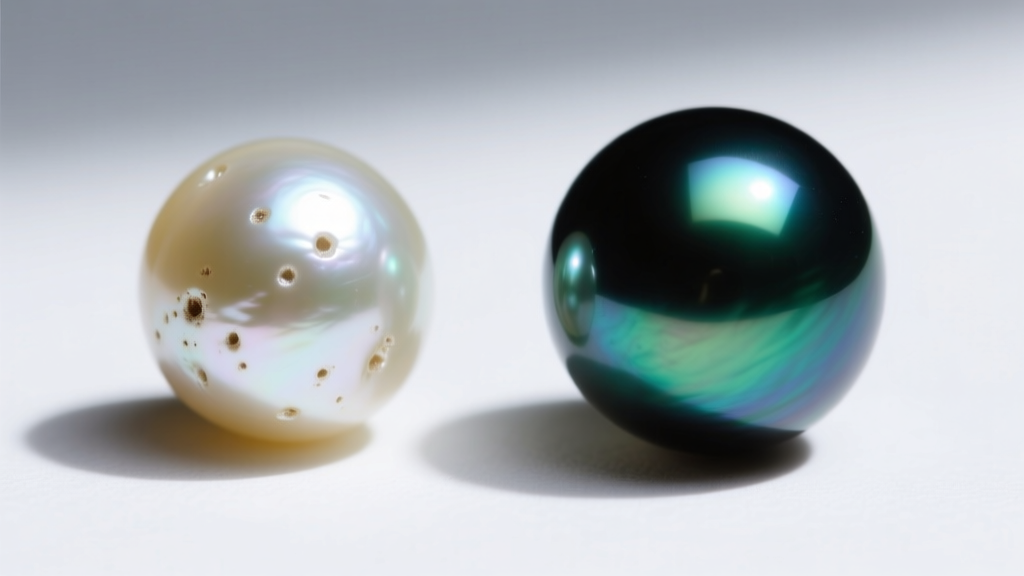
Luster is the most important value factor. It refers to the sharpness and intensity of the light reflected from the pearl's surface. High-quality Akoya pearls should have a mirror-like luster where you can clearly see your own reflection. If a pearl looks chalky, dull, or milky, its value plummets. Never compromise on luster to get a slightly larger size.
2. Surface Quality
Pearls are organic gems created by living mollusks, meaning flawless surfaces are exceptionally rare. The GIA Pearl Description Guide notes that minor blemishes, spots, or ridges are expected. However, avoid pearls with deep cracks, chips, or heavy spotting that compromises the structural integrity of the nacre. A clean surface commands a premium, but paying triple the price for a "flawless" strand is often a poor return on investment compared to a "slightly blemished" strand with superior luster.
3. Nacre Thickness
Nacre is the crystalline substance the oyster secretes to form the pearl. In saltwater bead-nucleated pearls (like Akoya), nacre thickness is critical. An Akoya pearl with less than 0.4mm of nacre is considered poor quality and may peel or flake over time. Look for "Hanadama" certified Akoya pearls, which guarantee a minimum nacre thickness of 0.4mm, though premium strands often boast 0.8mm or more. Freshwater pearls, conversely, are typically solid nacre all the way through, making them highly durable despite their lower price point.
4. Shape
Perfectly round pearls are the rarest and most expensive. However, modern jewelry design has embraced baroque (irregularly shaped) and drop pearls. From a budget perspective, choosing a high-luster baroque freshwater necklace can give you the visual impact of a $3,000 saltwater strand for under $300.
5. Size
Size is measured in millimeters. In saltwater pearls, the price increases exponentially with every millimeter. An 8.0mm Akoya strand might cost $1,200, while a 9.5mm strand of the exact same quality could easily exceed $4,000. Determine your budget ceiling and prioritize luster over size.
Smart Shopping: Avoiding the "Mall Brand" Trap
One of the most critical pieces of advice for pearl buyers in 2026 is to avoid traditional mall-based jewelry chains and luxury fashion houses when purchasing pearls. These retailers frequently apply markups of 400% to 800% on low-to-medium grade Akoya and Freshwater pearls. You are paying for the brand name, the mall rent, and the marketing budget, not the gemological quality.
Instead, seek out specialized online pearl vendors or direct-to-consumer pearl farms. These specialists offer transparent grading, provide macro-photography of the exact strand you are buying, and often include independent gemological certificates. When buying online, always verify the return policy and ensure the vendor explicitly states the pearl type, origin, and whether the strand is knotted on silk or synthetic thread (silk is the industry standard for high-value pearls).
Styling and Reclamation: The Pearl in 2026
The modern pearl necklace is no longer confined to conservative, matronly aesthetics. The current styling ethos is all about juxtaposition. Layer a delicate, 6mm freshwater pearl choker with a heavier, oxidized silver chain necklace for an edgy, textured look. Men and non-binary individuals are increasingly adopting single, large-baroque Tahitian pearls on minimalist black leather cords, stripping away the gendered history of the gemstone and focusing purely on its organic, sculptural beauty.
Final Verdict: Look Past the Slang
While the internet may forever associate the search term pearl necklace sexual meaning with a crude joke, the reality of the pearl market is one of profound natural beauty and complex gemological science. By understanding the 5-factor value framework, recognizing the difference between nacre types, and avoiding retail markup traps, you can invest in a piece of jewelry that carries genuine, lasting value. The pearl has been reclaimed by modern fashion—now it is time for you to shop for it with confidence and expertise.


