Star Lord Necklace Troubleshooting: Fix Tarnish and Breakage
Is your Star Lord necklace turning green or snapping? Learn how to troubleshoot chain breakage, fix tarnished cosplay pendants, and upgrade metals.

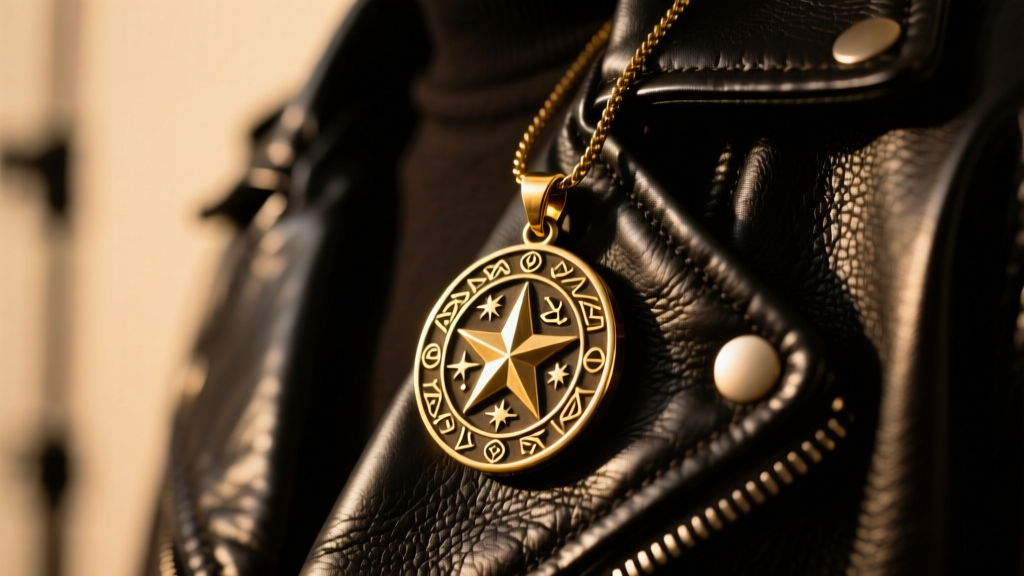
The Anatomy of a Screen-Accurate Star Lord Necklace
For fans of the Guardians of the Galaxy franchise, Peter Quill’s iconic jewelry is a cornerstone of his rugged, space-faring aesthetic. Whether you are replicating his dual-planet pendant, the celestial compass, or his layered dog tags, sourcing a Star Lord necklace is only the first step. The real challenge begins when you actually wear it. Mass-produced fandom jewelry is notorious for two catastrophic failure modes: severe skin discoloration and sudden chain breakage. As of 2026, the market is flooded with dropshipped replicas that prioritize visual accuracy over structural integrity, leaving wearers frustrated when their favorite piece falls apart during a convention or daily commute.
Troubleshooting these issues requires a fundamental understanding of jewelry metallurgy and dynamic stress. In this comprehensive guide, we will dissect the exact reasons your replica is failing and provide actionable, professional-grade solutions to restore and upgrade your piece.
The Pendant Weight vs. Chain Gauge Mismatch
The most common reason a Star Lord necklace snaps is a severe mismatch between the pendant's mass and the chain's tensile strength. Screen-accurate celestial pendants are often cast from solid zinc alloy or brass to achieve the necessary antique weight and drape. These pendants typically weigh between 35 and 55 grams. However, manufacturers frequently pair these heavy pendants with cheap, 1.5mm wide, 18-gauge (1.0mm thick) aluminum or hollow brass cable chains to cut costs.
When you walk, a 50-gram pendant acts as a pendulum. This dynamic swinging motion generates kinetic force that can exert 3 to 4 times its static weight on the weakest point of the chain—usually the jump ring connecting the clasp or the bail itself. An 18-gauge aluminum chain has a breaking point of roughly 4 to 6 pounds of static force, meaning a sudden swing or a snag on a jacket zipper will easily snap the links.
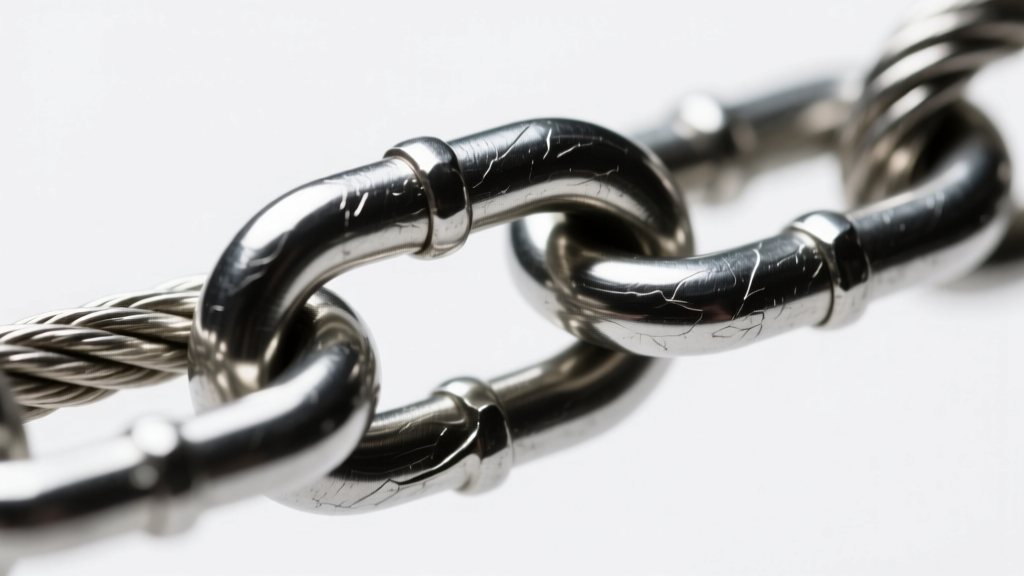
Troubleshooting Common Chain Failures
To fix a snapping chain, you must upgrade to a chain style and gauge that can handle dynamic pendulum stress. According to Rio Grande's Metal Properties Chart, tensile strength varies wildly based on both the alloy and the link structure. For a heavy Star Lord pendant, you need a chain with interlocking or welded links that distribute stress laterally rather than relying on a single vertical wire.
| Chain Style | Recommended Gauge | Width (mm) | Stress Tolerance | Verdict for Star Lord Replicas |
|---|---|---|---|---|
| Cable (Standard) | 16-Gauge (1.3mm) | 2.5mm - 3.0mm | Low (Vertical stress points) | Avoid. Prone to stretching and snapping. |
| Curb (Flat) | 14-Gauge (1.6mm) | 3.5mm - 4.0mm | High (Interlocking lateral support) | Excellent. Provides a rugged, masculine drape. |
| Rope (Twisted) | 14-Gauge (1.6mm) | 3.0mm - 4.0mm | Very High (Multi-wire stress distribution) | Best Overall. Mimics vintage space-wear aesthetics. |
| Figaro (Patterned) | 12-Gauge (2.0mm) | 4.5mm+ | Medium (Weak points at small links) | Use with caution. Small links can shear under heavy swings. |
Actionable Fix: Discard the stock chain. Purchase a 316L surgical stainless steel or solid 925 sterling silver rope or curb chain. Ensure the chain is at least 3.5mm wide and 14-gauge (1.6mm) thick. This will support up to 25 pounds of tensile force, completely eliminating the risk of pendulum-induced breakage.
Solving the 'Green Skin' and Tarnish Problem
If your Star Lord necklace is leaving a dark green or black smudge on your chest, you are experiencing a galvanic and chemical reaction. Most budget replicas are cast from pot metal (zinc alloy) or brass (copper and zinc), then coated in a microscopic flash-plating of silver or antique wash. Once your body heat and sweat wear through this plating—usually within a few weeks of daily wear—the exposed copper reacts with the chlorides and sulfides in your perspiration, creating copper chloride (the green stain).
Material Upgrade Path and Surface Sealing
The American Academy of Dermatology (AAD) notes that prolonged exposure to reactive base metals can lead to severe contact dermatitis. To troubleshoot this, you have two distinct paths depending on your budget:
- The Budget Fix (Surface Sealing): If you already own a zinc-alloy replica and cannot replace it, you must create a physical barrier between the metal and your skin. Clean the back of the pendant thoroughly with isopropyl alcohol. Apply a thin, even coat of Renaissance Wax (a microcrystalline wax used by museum conservators) or a specialized jewelry shield spray. Reapply every 3 to 4 weeks. Do not use clear nail polish, as it yellows, peels, and traps moisture against the metal, accelerating hidden corrosion.
- The Permanent Fix (Material Replacement): Commission or purchase a pendant cast in 316L marine-grade stainless steel or solid bronze. While bronze will patina over time (which actually enhances the weathered Star Lord aesthetic), it will not turn your skin green. Stainless steel is entirely inert to human sweat and requires zero maintenance. The GIA Gem Encyclopedia highlights stainless steel as one of the most stable, hypoallergenic metals available for daily-wear jewelry.
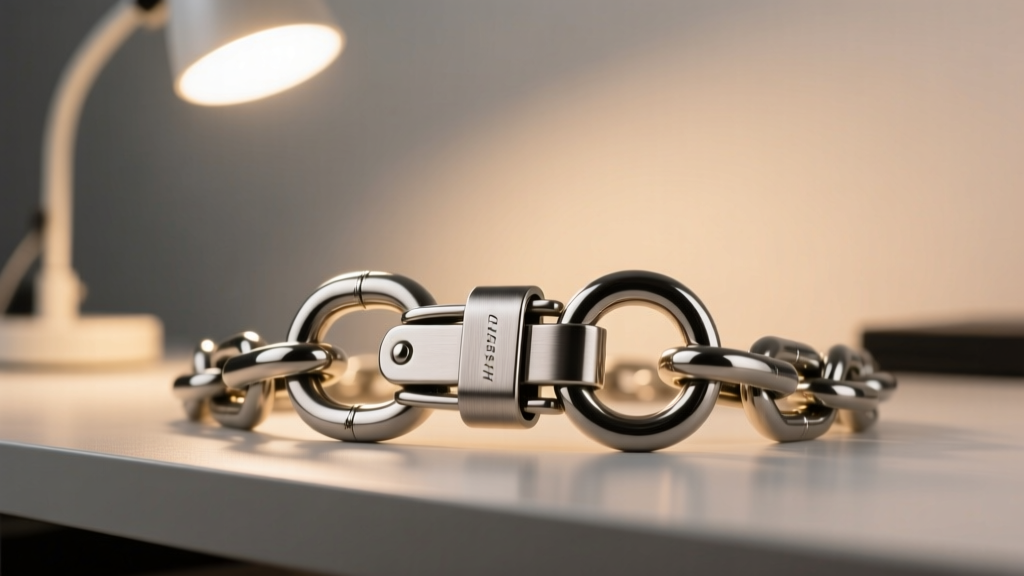
Clasp and Bail Troubleshooting
Even with a heavy-duty chain, a Star Lord necklace will fail if the connection points are weak. The bail (the loop on the pendant that the chain threads through) on mass-produced replicas is often cast as a single, hollow piece of zinc. When the heavy pendant swings, the friction acts like a saw, slowly cutting through the bottom of the bail until it snaps.
Reinforcing the Connection Points
Inspect your bail under a magnifying glass. If it is hollow or shows deep grooves from chain friction, you must reinforce it.
- Bail Replacement: Take the pendant to a local jeweler and have them solder a heavy-duty sterling silver or stainless steel tube bail (typically 5mm x 10mm) onto the top of the pendant. This costs roughly $15-$30 and provides a smooth, hardened surface that will never wear through.
- Clasp Upgrades: Standard spring-ring clasps are useless for heavy pendants; the internal spring mechanism easily fatigues and pops open under dynamic weight. Upgrade to a heavy-duty lobster clasp (at least 12mm in length) or a magnetic neodymium clasp rated for 15+ pounds of pull force.
- Soldered Jump Rings: Ensure the jump ring connecting the clasp to the chain is soldered closed. An unsoldered jump ring will slowly twist open under the pendulum motion of a 50g pendant, eventually dropping your necklace without warning.
Pro-Tip for Cosplayers: If you are wearing your Star Lord necklace over a leather jacket or tactical vest, the friction from rough fabrics will accelerate the wear on both the chain and the pendant's antique finish. Use a soft cotton undershirt as a buffer layer to preserve the patina and reduce kinetic swinging.
Sourcing Reliable Replacements in 2026
If your current necklace is beyond repair, the landscape for sourcing high-quality fandom jewelry has evolved significantly. Instead of relying on mass-market e-commerce platforms, seek out independent artisans who utilize lost-wax casting and CNC machining. Many specialized prop-makers now offer screen-accurate Star Lord pendants machined from solid billets of aerospace-grade aluminum or cast in 316L steel, ensuring the piece will last a lifetime without tarnishing or breaking. By applying these metallurgical troubleshooting steps, you can ensure your favorite piece of sci-fi memorabilia survives your next galactic adventure intact.


