Leis Flower Necklace Materials: Fresh, Silk & Resin Guide
Compare fresh, silk, resin, and metal leis flower necklace materials. Discover durability, pricing, and care tips for every occasion.

The Evolution of the Leis Flower Necklace
When evaluating a leis flower necklace, the material dictates not only the aesthetic appeal but the structural longevity, weight distribution, and skin compatibility of the piece. Originally rooted in Polynesian and Hawaiian traditions as fragrant, ephemeral garlands of welcome and reverence, the floral lei has evolved into a global fashion staple. Today, the modern leis flower necklace spans a vast material spectrum—from highly perishable fresh botanicals to permanent fine jewelry interpretations. Understanding the physical and chemical properties of these materials is essential for both collectors and everyday wearers looking to match their necklace to specific climates, occasions, and skin sensitivities.
Material Breakdown: The Core Four
To make an informed purchase, we must deconstruct the four primary material categories used in contemporary floral lei necklaces. Each material possesses distinct structural characteristics, degradation timelines, and maintenance requirements.
1. Fresh Botanicals: The Ephemeral Standard
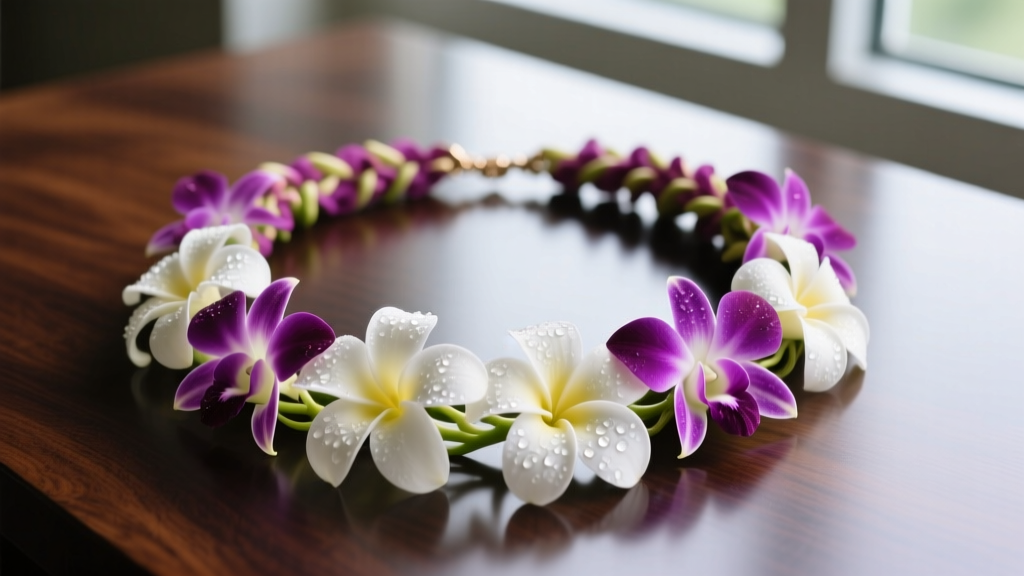
Authentic fresh leis are typically constructed from Dendrobium orchids, Plumeria rubra (frangipani), or Jasminum sambac (pikake). From a botanical perspective, these flowers are highly active biological tissues even after harvest. They continue to respire, consuming oxygen and releasing ethylene gas, which accelerates petal senescence and abscission.
According to post-harvest research by the USDA Agricultural Research Service, the optimal storage temperature for tropical orchids used in leis is between 38°F and 40°F (3°C - 4°C) to slow respiration without inducing chilling injury. A fresh leis flower necklace is incredibly lightweight (typically 40-80 grams) and offers unparalleled olfactory benefits, but its structural lifespan is strictly limited to 12–48 hours outside of controlled refrigeration.
2. High-Grade Silk and Organza: The Textile Replica
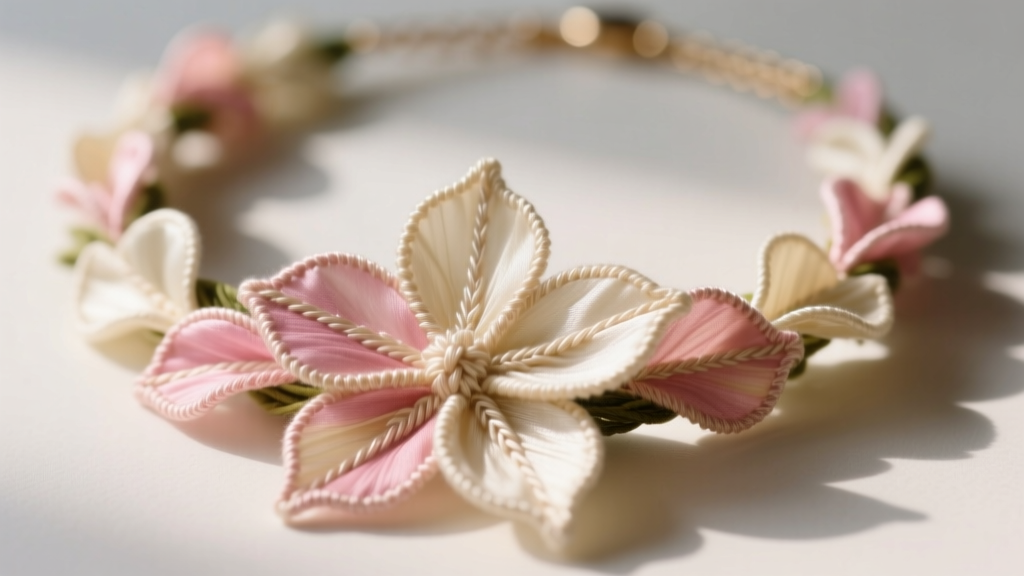
For a reusable, lightweight alternative, high-grade mulberry silk is the premier textile choice. The quality of a silk leis flower necklace is measured in momme (mm), a unit of weight density. Jewelry-grade silk flowers typically utilize 19 to 22 momme silk, which provides enough structural rigidity to hold petal shapes when treated with a mild, non-toxic sizing agent, while retaining the soft luster of natural fibers.
Silk is a protein fiber composed of fibroin and sericin. While it boasts high tensile strength, it is highly susceptible to UV degradation. Prolonged exposure to direct sunlight will break down the peptide bonds in the silk, leading to color fading and fiber embrittlement. Furthermore, the dyes used on silk are often acid-based, meaning high alkalinity (such as contact with heavy perspiration) can cause the colors to bleed.
3. Cast Resin and Polymer: The Durable Synthetics
Resin leis flower necklaces bridge the gap between affordability and permanence. Artisans primarily use two types of resin: two-part epoxy and UV-curing polyurethane. Epoxy resin is favored for its high clarity and structural integrity, typically achieving a Shore D hardness rating of 80-85, making it highly resistant to surface scratching.
However, the primary failure mode of resin floral jewelry is photo-oxidation. Without the addition of Hindered Amine Light Stabilizers (HALS) and UV absorbers during the casting process, the polymer chains will break down under ultraviolet light, resulting in a noticeable yellowing (a shift in the Delta E color space). When purchasing a resin leis flower necklace, it is critical to verify that the artisan has incorporated optical brighteners and UV inhibitors to ensure a lifespan of 5+ years without severe discoloration.
4. Enameled Metals: The Fine Jewelry Interpretation
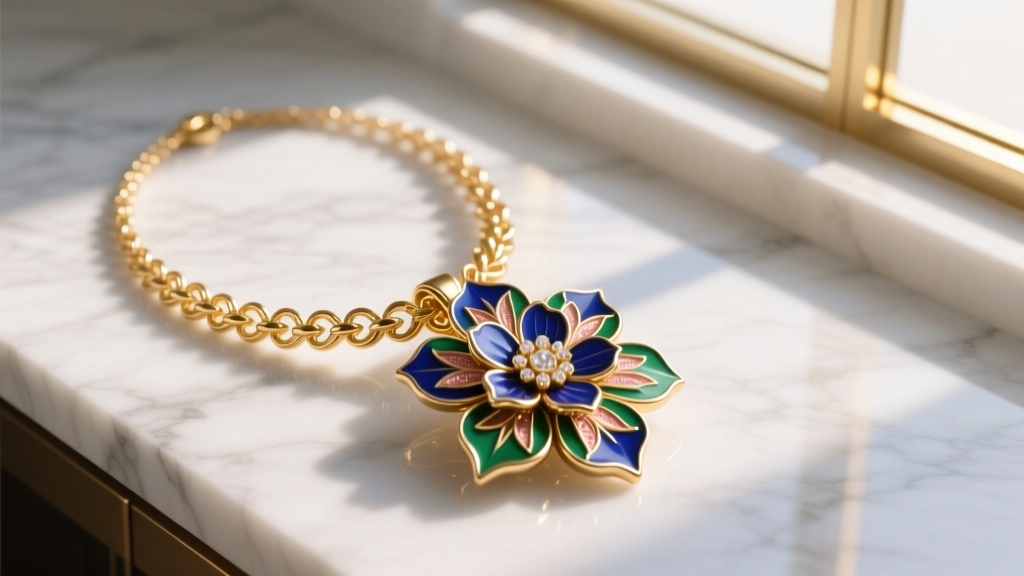
At the apex of the market lies the metal and enamel leis flower necklace. These pieces translate organic floral shapes into permanent heirlooms using 14k or 18k gold, sterling silver, and vitreous enamel. The most prized technique is plique-à-jour, where translucent enamel is suspended in a metal framework without a backing, allowing light to pass through the petals much like stained glass.
The Gemological Institute of America (GIA) notes that vitreous enamel is essentially fused glass, requiring firing temperatures between 1400°F and 1500°F. This creates a brilliant, fade-proof color, but it introduces a structural vulnerability: the enamel has a different coefficient of thermal expansion than the gold or silver base. If the necklace is dropped or subjected to rapid temperature fluctuations, the glass-like enamel can craze or shatter. Consequently, metal floral leis require careful handling despite their high material value.
Comparative Data Matrix
The following table synthesizes the physical and economic properties of the four primary materials, providing a quick-reference framework for buyers.
| Material | Average Weight | Expected Lifespan | Price Range (USD) | Hypoallergenic Rating | Best Occasion |
|---|---|---|---|---|---|
| Fresh Botanicals | 40g - 80g | 12 - 48 Hours | $20 - $150 | Low (Pollen risk) | Weddings, Luau, Ceremonial |
| Mulberry Silk | 25g - 50g | 2 - 5 Years | $45 - $200 | High | Festivals, Daily Summer Wear |
| Cast Epoxy Resin | 60g - 120g | 5 - 10+ Years | $30 - $180 | Medium (BPA risk) | Statement Fashion, Costuming |
| 14k/18k Gold & Enamel | 15g - 40g | Generational | $800 - $5,000+ | Very High | Heirloom Gifting, Fine Dining |
Allergen Profiles and Skin Sensitivities
Because a leis flower necklace sits directly against the highly sensitive skin of the neck and décolletage, material biocompatibility is a critical consideration.
- Fresh Flowers: The primary risk is contact dermatitis triggered by pollen or the natural sap of stems like Plumeria, which contains irritating latex compounds. Individuals with seasonal allergies should avoid fresh pikake and orchid leis.
- Silk: Naturally hypoallergenic and resistant to dust mites. However, the metallic clasps used on cheaper silk leis often contain nickel. Always ensure the clasp is surgical-grade stainless steel or solid brass.
- Resin: Fully cured epoxy is generally inert and safe for skin contact. However, improperly mixed resin can leach unreacted bisphenol-A (BPA) or amines, causing severe localized rashes. Always purchase from reputable artisans who guarantee full 48-hour curing cycles.
- Enamel & Gold: 18k gold and vitreous enamel are completely biocompatible and the safest choice for individuals with severe contact allergies or metal sensitivities.
Maintenance and Storage Protocols
Proper storage drastically alters the lifecycle of your necklace. Treat each material according to its specific vulnerabilities:
Expert Tip: Never store silk or resin floral necklaces in airtight plastic bins without desiccants. Trapped ambient humidity will cause silk to mildew and can induce a cloudy, white oxidation layer (amine blush) on the surface of epoxy resins.
Fresh Botanicals: Store in the crisper drawer of your refrigerator, lightly misted with distilled water, and wrapped loosely in damp paper towels. Keep away from ethylene-producing fruits like apples and bananas, which will cause the petals to brown prematurely.
Silk: Store flat in a breathable cotton bag with silica gel packets to control moisture. Avoid hanging heavy silk leis, as the weight of the beads or knots can stretch and distort the silk fibers over time.
Resin: Keep away from direct sunlight and extreme heat (such as a car dashboard in summer), which can warp the polymer. Clean only with a damp microfiber cloth; avoid alcohol-based cleaners, which will dissolve the resin's polished topcoat.
Metal & Enamel: Store in a tarnish-resistant flannel pouch. Clean the gold framework with a soft brush and mild dish soap, but never use ultrasonic cleaners, as the high-frequency vibrations will shatter the vitreous enamel petals.
Final Verdict: Matching Material to Occasion
The ideal leis flower necklace is entirely dependent on your intended use. For authentic cultural ceremonies, weddings, and brief, high-impact events, nothing replaces the fragrance and organic beauty of fresh botanicals. For frequent travelers and festival-goers who need a durable, lightweight, and vibrant accessory, a 22 momme silk lei offers the best balance of realism and reusability. If you seek a bold, avant-garde fashion piece that withstands the elements, opt for a UV-stabilized resin casting. Finally, for those looking to invest in a permanent, multi-generational artifact that captures the essence of tropical flora in a luxurious medium, an enameled gold piece remains the undisputed pinnacle of the craft.


