Damiani Cross Necklace Value: Is the Luxury Markup Worth It?
We assess the true value of a Damiani cross necklace, analyzing diamond quality, gold weight, and luxury markup to see if it is a smart investment.

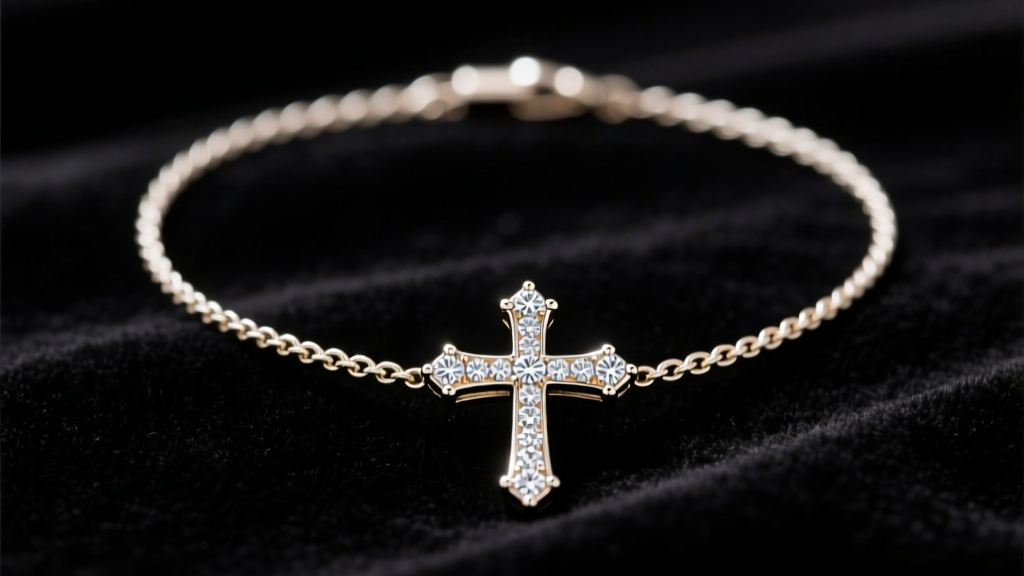
The Allure and Economics of the Damiani Cross Necklace
When evaluating high-end Italian jewelry, the damiani cross necklace frequently emerges as a highly coveted piece. Renowned for its Milanese craftsmanship and elegant interpretations of religious and geometric motifs, Damiani positions itself firmly in the upper echelon of luxury jewelry. But from a strict budget and value assessment perspective, does the price tag align with the intrinsic material value? In 2026, with luxury markups facing intense consumer scrutiny and the secondary market becoming increasingly transparent, buyers must look beyond the iconic green box. This guide deconstructs the metallurgy, gemology, and market positioning of Damiani's cross pendants to help you determine if the investment makes financial and aesthetic sense.
Deconstructing the Price Tag: Materials and Craftsmanship
To understand the value proposition, we must first separate the raw material costs from the brand equity. A standard Damiani diamond cross pendant, such as those found in the D.Croce or Belle Époque collections, typically retails between $2,800 and $8,500, depending on carat weight and metal choice.
Diamond Grading and Sourcing
Damiani generally utilizes diamonds in the G-H color range with VS (Very Slightly Included) clarity. According to the GIA 4Cs Diamond Quality standards, this represents excellent commercial luxury quality—diamonds that appear colorless to the naked eye and lack visible inclusions. However, you are not paying for the ultra-rare D-F color or Internally Flawless (IF) grades that brands like Graff or Harry Winston command. This strategic grading choice allows Damiani to maximize sparkle and scintillation through superior cut quality without inflating the price for invisible perfection. Furthermore, as a certified member of the Responsible Jewellery Council, Damiani ensures strict chain-of-custody protocols, meaning your purchase is free from conflict sourcing, a vital ethical metric in modern luxury.
Metallurgy and Chain Engineering
The gold used is strictly 18k (750 purity), stamped and hallmarked in Italy. While 18k gold offers a richer, warmer hue and higher intrinsic value than 14k, it is inherently softer. The true value of a Damiani chain lies in its engineering. Their signature cable and rolo chains feature micro-welded links that resist stretching—a common failure mode in lesser Italian chains. The clasps are typically precision-cast lobster claws with integrated jump rings, designed to prevent the pendant bail from slipping through.
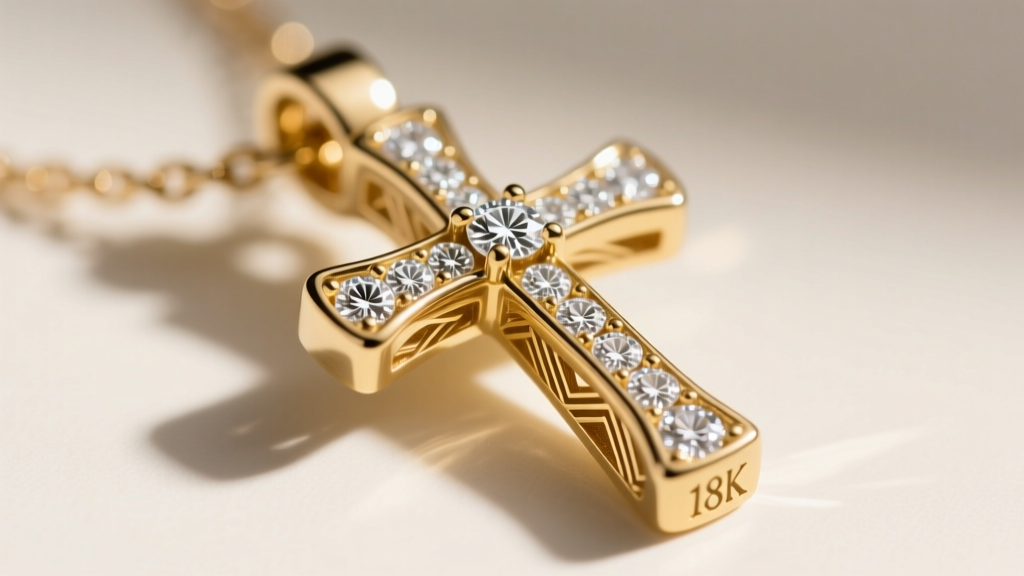
Value Comparison: Damiani vs. The Luxury Market
How does a Damiani cross necklace stack up against its direct competitors in the contemporary luxury space? The table below outlines the entry-level pricing and material specifications for comparable diamond cross pendants in 2026.
| Brand | Entry Price (Approx.) | Typical Diamond Quality | Metal & Weight | Primary Value Proposition |
|---|---|---|---|---|
| Damiani | $2,800 - $3,500 | G-H Color, VS Clarity | 18k Gold, 2.5g - 4g | Heritage Italian craftsmanship, elegant micro-pavé settings. |
| Anita Ko | $3,200 - $4,500 | F-G Color, VS1-VS2 | 18k Gold, 2.0g - 3.5g | Trend-forward aesthetics, higher color grade, celebrity cachet. |
| Sydney Evan | $1,200 - $2,000 | H-I Color, SI1-SI2 | 14k/18k Gold, 1.5g - 3g | Accessible luxury entry point, playful and varied designs. |
| Tiffany & Co. | $2,500 - $3,800 | G-H Color, VS Clarity | 18k/Platinum, 3g - 5g | Global brand recognition, robust secondary market liquidity. |
As demonstrated by the GIA Diamond Grading benchmarks applied across these brands, Damiani sits in a highly competitive middle ground. It offers superior material weight and ethical sourcing compared to accessible luxury brands, while avoiding the extreme premiums of trend-focused designers like Anita Ko.
The Resale Reality: Depreciation and Retention
A critical component of any budget assessment is understanding the secondary market. It is a fundamental rule of jewelry economics that retail luxury pieces are not financial investments. When you purchase a Damiani cross necklace at a boutique, you are paying for the retail experience, the marketing, and the brand heritage.
"Expect a 40% to 60% depreciation on contemporary luxury diamond jewelry the moment it leaves the boutique, unless the piece features rare, high-carat center stones or belongs to a discontinued, highly collectible high-jewelry archive collection."
Because Damiani's cross necklaces primarily feature melee diamonds (small diamonds under 0.15 carats each) set in micro-pavé or bead settings, the secondary market value is heavily tied to the melt value of the 18k gold and the wholesale parcel price of the melee diamonds. If you buy a Damiani cross for $3,500, its immediate resale value on platforms like The RealReal or Vestiaire Collective will likely hover between $1,200 and $1,600. Therefore, the purchase must be justified by emotional value, styling versatility, and appreciation of craftsmanship, not financial return.

Authentication and Pre-Owned Pitfalls
Given the steep retail depreciation, buying a pre-owned Damiani cross necklace is often the smartest financial move, allowing you to acquire the piece at its true market value. However, the secondary market is rife with sophisticated counterfeits. When assessing a pre-owned piece, use this actionable checklist to verify authenticity and structural integrity:
- The Hallmark Font: Authentic Damiani pieces feature a very specific, crisp laser engraving of the 'Damiani' logo, the 750 gold stamp, and a unique serial number. Counterfeits often use stamped fonts that appear shallow, blurred, or use the wrong typeface.
- Pavé Prong Integrity: Examine the micro-pavé diamonds under a 10x jeweler's loupe. The tiny beads of gold holding the melee diamonds should be uniform, smooth, and symmetrical. Worn or flattened beads indicate heavy use and a high risk of future diamond loss.
- Clasp Mechanics: The spring mechanism inside an authentic Damiani lobster clasp should have a firm, precise tension. A loose or overly stiff clasp often points to a third-party replacement chain, which severely diminishes the piece's collectible value.
- Certificate of Authenticity (COA): While a COA is a good sign, it can be forged. Always cross-reference the serial number engraved on the pendant's bail or clasp tag with the number listed on the documentation.
Final Verdict: Who Should Buy the Damiani Cross?
From a strict budget perspective, if your primary goal is maximizing carat weight per dollar, a Damiani cross necklace is not the optimal choice; a bespoke local jeweler could source similar G-H/VS diamonds and cast a custom 18k gold setting for roughly 30% less.
However, if you value the specific Milanese aesthetic, the assurance of ethical sourcing, and the flawless micro-pavé execution that mass-market jewelers struggle to replicate, the Damiani cross offers immense intrinsic satisfaction. For the financially savvy buyer, the ultimate value hack is to bypass the retail boutique entirely and hunt for a pristine, pre-owned Damiani cross on the secondary market. This approach allows you to absorb the brand's luxurious craftsmanship while entirely sidestepping the initial luxury markup.


