How to Style a Dangling Pearl Necklace: A Beginner Guide
Discover how to choose, style, and care for a dangling pearl necklace. Learn about pearl grades, chain lengths, and perfect neckline pairings.

The Anatomy of Elegance: Understanding the Dangling Pearl
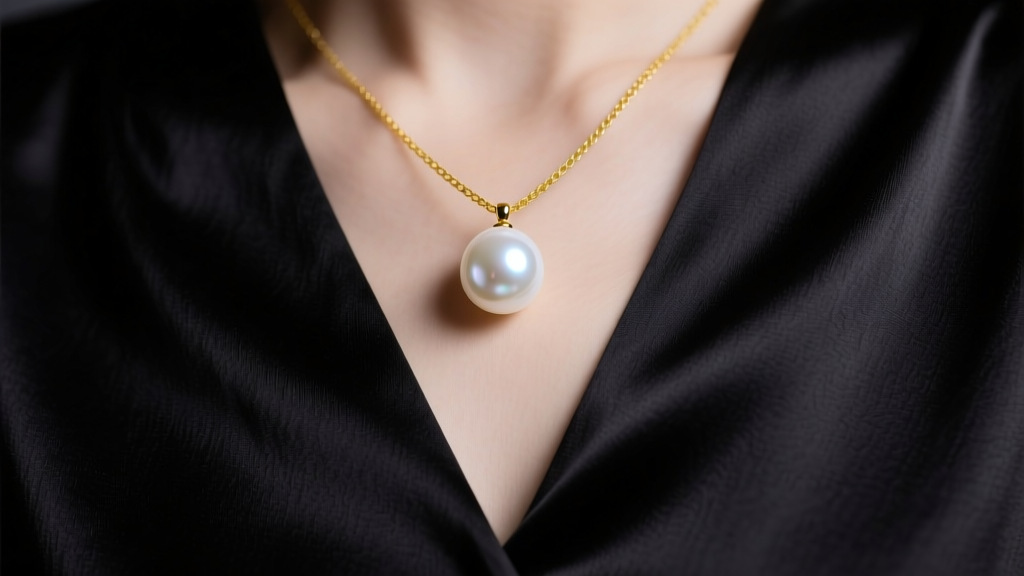
When building a foundational jewelry wardrobe, few pieces offer the versatility and timeless sophistication of a dangling pearl necklace. Unlike a traditional pearl strand or a fixed drop pendant where the pearl is rigidly set, a true dangle features a pearl suspended from a bail or chain link, allowing it to move freely and catch the light with every gesture. This subtle kinetic energy is what makes the dangling pearl necklace so captivating. However, for beginners, navigating the nuances of pearl grading, chain gauges, and neckline pairing can feel overwhelming. This guide breaks down the exact specifications you need to know to select, style, and maintain a high-quality piece that will last a lifetime.
Decoding Pearl Types and Grades for Dangles
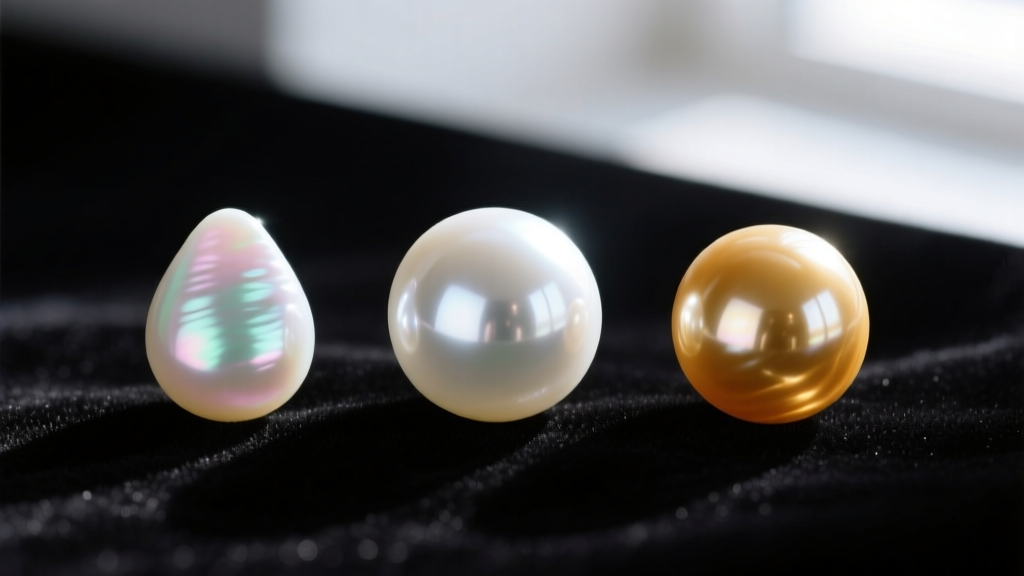
The focal point of your necklace is the pearl itself. According to the Gemological Institute of America (GIA), pearls are evaluated on luster, surface quality, shape, and nacre thickness. For a dangling pearl necklace, you generally want a near-round to perfectly round shape, as the movement will draw the eye directly to the gem's symmetry. Here is a breakdown of the three primary saltwater and freshwater options used in fine dangle pendants.
| Pearl Type | Average Size | Luster Profile | Price Range (Single Dangle) | Best For |
|---|---|---|---|---|
| Freshwater | 7mm - 11mm | Soft, satiny glow | $50 - $250 | Everyday wear, budget-conscious buyers |
| Akoya | 6mm - 9mm | Sharp, mirror-like reflection | $200 - $800 | Classic elegance, bridal, formal events |
| South Sea | 10mm - 15mm | Deep, luxurious, soft-satiny | $800 - $3,500+ | Statement pieces, luxury collectors |
When shopping, pay strict attention to nacre thickness. For Akoya pearls, the nacre should be a minimum of 0.4mm, though 0.6mm or higher is ideal for long-term durability. Thin-nacre pearls can peel or crack when subjected to the minor stress of a swinging dangle bail. Always request a grading report or detailed specification sheet from the jeweler before purchasing.
Chain Anatomy: Gauges, Metals, and Bail Mechanics
A common mistake beginners make is pairing a high-quality pearl with a flimsy, mass-produced chain. The hardware of a dangling pearl necklace must be robust enough to support the gem's weight while remaining delicate enough not to visually overpower it.
Optimal Chain Gauges and Styles
For pearls ranging from 7mm to 10mm, a cable or rope chain between 0.9mm and 1.2mm in thickness is the sweet spot. Anything thinner (like a 0.5mm thread chain) risks snapping under the pendulum stress of a dangle. Anything thicker (over 1.5mm) will look clunky and distract from the pearl's luster. Ensure the chain is crafted from solid 14k or 18k gold, or platinum. Avoid gold-plated brass or silver vermeil for fine pearls, as the plating will eventually wear off, requiring a restringing or chain replacement that could damage the pearl's drill hole.
The Bail Connection
The bail is the metal loop that connects the pearl to the chain. In a dangling pearl necklace, the 'rabbit ear' bail (two prongs glued into the top of the pearl's drill hole) is the industry standard. Ensure the jeweler uses a high-quality, flexible jeweler's epoxy rather than brittle superglue, which can degrade and cause the pearl to detach over time. Alternatively, a 'pinch bail' can be used if the pearl is set in a metal cap, though this adds weight to the dangle.
The Neckline Pairing Framework
Styling a dangling pearl necklace effectively requires an understanding of geometry and negative space. The goal is to frame the face and complement the garment's architecture. Use this framework to match your chain length and drop size to your outfit.
- The V-Neck (18-Inch Princess Length): A V-neck creates a natural arrow pointing to the chest. An 18-inch chain with a 1-inch pearl dangle will sit perfectly in the negative space of the V, elongating the neck. Keep the pearl size between 8mm and 10mm for balanced proportions.
- The Scoop Neck (16-Inch Choker/Collar Length): Scoop necklines have a wider, curved horizontal line. A shorter 16-inch chain ensures the dangling pearl rests just above the fabric line, preventing the gem from getting lost in the folds of the garment.
- The Boatneck / Bateau (20-Inch Matinee Length): Boatnecks sit high and wide across the collarbones. A longer 20-inch chain allows the dangling pearl to drop below the neckline, creating a striking vertical contrast against the horizontal cut of the shirt.
- The High Collar / Turtleneck (24-Inch Opera Length): For high necklines, opt for a longer chain that rests on the sternum. A larger South Sea pearl (12mm+) works best here, as the extra fabric provides a heavy visual backdrop that requires a more substantial gem to stand out.
Layering the Dangle
If you wish to layer your dangling pearl necklace with other chains, treat the pearl as the 'anchor' piece. Pair it with a shorter 14-inch delicate gold choker and a longer 22-inch simple chain without a pendant. Maintain a minimum 2-inch gap between chains to prevent the metal links from tangling and scratching the pearl's surface.
Real-World Care and Maintenance
Pearls are organic gemstones, ranking at a mere 2.5 to 3.0 on the Mohs hardness scale. This makes them highly susceptible to chemical damage and physical scratching. The golden rule of pearl care is 'Last On, First Off.' Always put your dangling pearl necklace on after applying perfumes, hairsprays, and lotions, and remove it before undressing to avoid snagging the bail on fabrics.
Proper Cleaning Techniques
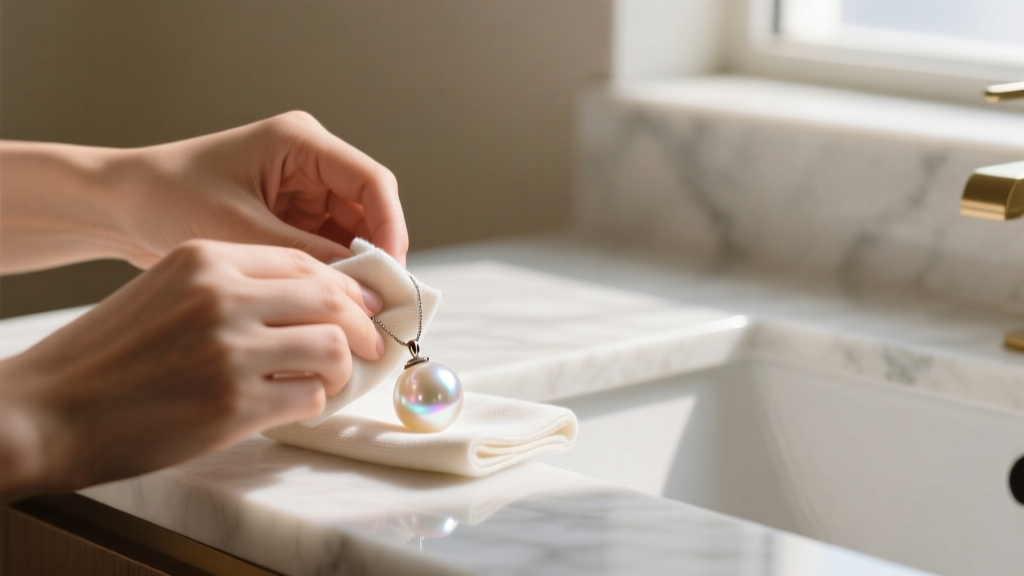
According to the GIA's pearl care guidelines, ultrasonic and steam cleaners should never be used on pearls, as the high-frequency vibrations can shatter the gem or dissolve the epoxy holding the dangle bail. Instead, after every few wears, gently wipe the pearl with a soft, lint-free microfiber cloth slightly dampened with distilled water. Never use commercial jewelry dips or ammonia-based cleaners. If the pearl loses its luster, it is likely suffering from chemical etching or a buildup of skin oils; a professional jeweler can safely polish the surface and re-seat the bail if necessary.
Storage Protocols
Never store your dangling pearl necklace in a sealed plastic bag, as pearls require a slight amount of ambient moisture to prevent the nacre from drying out and cracking. Store the piece flat in a fabric-lined jewelry box. Hanging the necklace for long periods can cause the chain to stretch or the silk cord (if applicable) to weaken, putting undue stress on the dangle's connection point.
Final Thoughts for the Beginner
Investing in a dangling pearl necklace is about acquiring a dynamic piece of wearable art. By focusing on a high-luster Akoya or premium Freshwater pearl, securing it to a sturdy 1.0mm solid gold chain, and pairing it intentionally with your wardrobe's necklines, you elevate a simple accessory into a masterclass in personal styling. Take the time to verify the nacre quality and bail construction, and your dangle will remain a captivating staple in your collection for decades to come.