How to Decode the Necklace Choker Meaning & Style It
Learn how to decode the necklace choker meaning across eras. Follow our step-by-step guide to measure, style, and layer chokers perfectly in 2026.

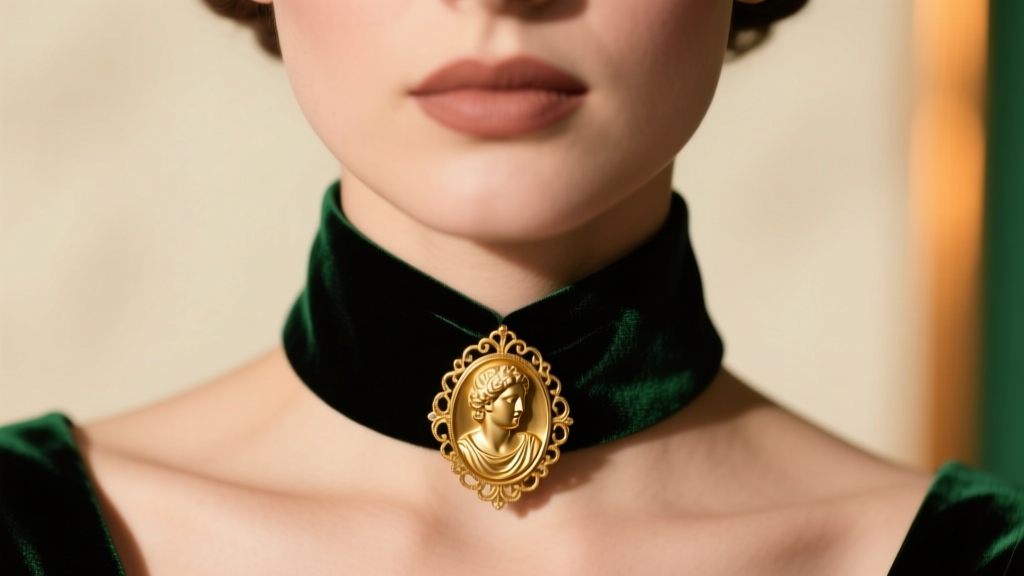
The choker is arguably the most historically loaded accessory in a jeweler’s arsenal. While trends cycle rapidly, the necklace choker meaning has continually evolved from a symbol of royal defiance to a marker of subcultural rebellion, and finally, to a staple of modern quiet luxury. In 2026, styling a choker is no longer just about following a trend; it is about intentionally leveraging its historical weight to craft a specific personal narrative. Whether you are aiming for Victorian romance, 1990s grunge, or contemporary minimalism, understanding the roots of this silhouette is the first step to mastering it.
This step-by-step guide will teach you how to decode the necklace choker meaning, select the right materials for your desired message, and achieve a flawless, custom-like fit every time.
Step 1: Understand the Historical Necklace Choker Meaning
Before selecting a piece, you must understand the era you are referencing. The cultural significance of the choker shifts dramatically depending on its design origins. According to the Victoria and Albert Museum, jewelry has long been used as a tool for silent communication, and the choker is a prime example of this phenomenon.
The French Revolution & The Red Ribbon
The earliest modern iteration of the choker dates back to 1798 during the French Revolution. Women wore red ribbons tightly around their necks as a silent tribute to those who had lost their lives to the guillotine. Today, a thin red or black silk ribbon choker retains a subtle, romanticized gothic edge, perfect for pairing with structured blazers or sheer blouses to evoke a sense of historical melancholy.
Victorian Royalty & The Pearl Choker
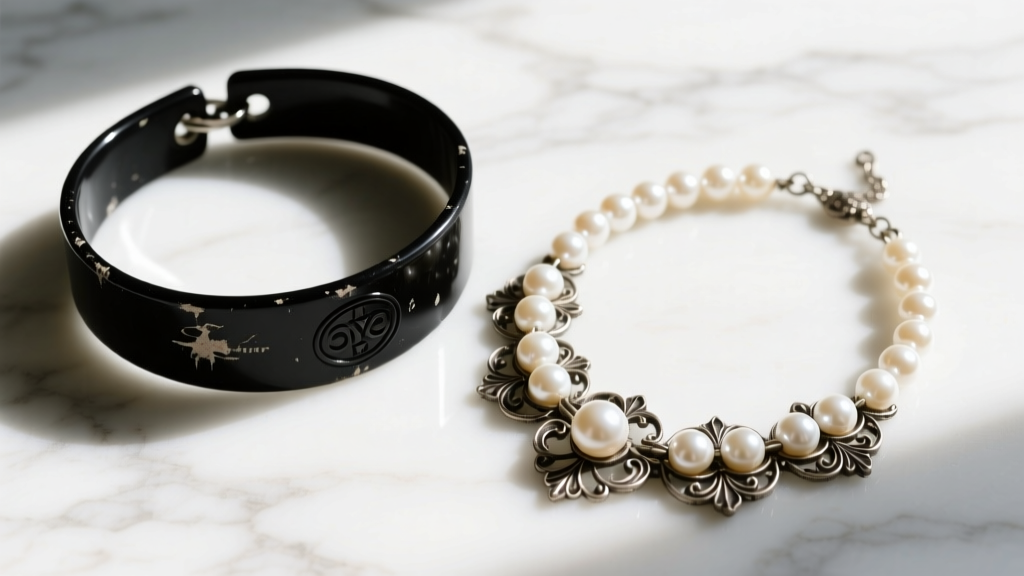
In the late 19th century, Alexandra, Princess of Wales, popularized the pearl and diamond choker. Legend states she wore them to conceal a scar on her neck, but the style quickly became a symbol of immense wealth and aristocratic status. When you wear a multi-strand pearl or diamond-encrusted choker today, you are tapping directly into this lineage of high-society elegance. This style demands formal or elevated business attire to honor its regal origins.
The 1990s Subculture Shift
Fast forward to the 1990s, and the necklace choker meaning flipped entirely. The woven plastic "tattoo" choker and thick leather bands with O-rings became synonymous with youth rebellion, grunge, and goth subcultures. In the 2026 fashion landscape, these pieces have been reclaimed as neo-vintage statement items, best styled with oversized knitwear or slip dresses to create a deliberate high-low contrast.
Step 2: Match the Material to the Message
The material of your choker does just as much heavy lifting as its history. To style your choker intentionally, use the framework below to align your material choice with your desired aesthetic and budget.
| Material | Historical / Cultural Meaning | 2026 Styling Application | Average Price Range |
|---|---|---|---|
| Black Velvet | Mourning, Victorian romance, vintage glamour | Evening wear, winter layering over turtlenecks | $45 – $150 |
| Woven Plastic | 90s youth rebellion, festival culture, nostalgia | Casual streetwear, layered with long silver chains | $5 – $25 |
| 14k/18k Solid Gold | Wealth, permanence, modern quiet luxury | Everyday minimalist wear, office-to-dinner transitions | $250 – $850+ |
| Leather & Hardware | Punk, edge, counter-culture defiance | Biker jackets, concert wear, asymmetrical necklines | $60 – $200 |
| 316L Stainless Steel | Industrial, utilitarian, modern durability | Sensitive skin daily wear, gym-to-street aesthetics | $30 – $90 |
Expert Note: If you have sensitive skin or nickel allergies, always verify that metal chokers are crafted from hypoallergenic metals like 14k gold, platinum, or 316L surgical stainless steel. Avoid cheap brass or copper alloys, which will oxidize and turn your skin green within hours of wear.
Step 3: How to Measure and Fit Your Choker Perfectly
The most common reason a choker looks unflattering is improper sizing. A choker should sit snugly at the base of the neck without restricting your breathing or swallowing. Follow this precise measurement protocol to guarantee a perfect fit.

The Measurement Protocol
- Use a Soft Tape Measure: Wrap a flexible tailor’s measuring tape around your neck exactly where you want the choker to sit. For a traditional high choker, measure just below the Adam's apple. For a lower, more relaxed collarbone choker, measure at the base of the neck.
- Apply the Two-Finger Rule: Slide two fingers between the tape measure and your neck. This ensures you have enough breathing room.
- Add the Allowance: Take your base measurement and add exactly 0.75 to 1 inch (approx. 2 to 2.5 cm). For example, if your neck measures 13.5 inches, your ideal choker length is 14.25 to 14.5 inches.
Clasp Mechanics and Extenders
When purchasing, prioritize chokers that feature a 2-inch extender chain. This allows for micro-adjustments based on the weather (neck swelling in high heat) or the thickness of the garment underneath. Lobster claw clasps are the most secure for heavier pendants, while spring-ring clasps are better suited for delicate, lightweight chains under 2mm in width.
Step 4: Layering Framework Based on Choker Symbolism
Layering a choker requires strict adherence to spatial geometry. If chains are placed too close together, they tangle and create visual clutter. Use the "Cascade Drop" framework to layer your choker while maintaining its distinct meaning.
- The Anchor (14" - 15"): Your choker sits here. If it is a meaningful historical piece (like a Victorian pearl or a velvet ribbon), let it stand alone or pair it only with a single, delicate longer chain.
- The Bridge (16" - 18"): This is the princess-length zone. Use a simple, unadorned chain here to bridge the gap between the choker and the chest. A 1.5mm rope chain in matching metal works best.
- The Statement (20" - 24"): This layer rests on the sternum. Place your heaviest pendant or largest gemstone here. This draws the eye downward, elongating the neck and balancing the visual weight of the choker above.
"A choker should never compete with the layers beneath it. It acts as the frame for the portrait; the longer chains are the canvas." — Contemporary Jewelry Styling Guidelines, 2025
Expert Troubleshooting: Common Choker Styling Mistakes
Even with the right necklace choker meaning in mind, execution can fail if you ignore the geometry of your outfit. Here is how to troubleshoot the three most common styling errors.
Mistake 1: The Strangling Fit
The Issue: The choker leaves red marks or causes you to constantly pull at it.
The Fix: You have likely measured your neck while looking straight ahead, but the neck expands when you look down or swallow. Always measure while sitting and looking slightly downward. If a current choker is too tight, purchase a standalone 2-inch sterling silver extender chain and attach it to the existing clasp.
Mistake 2: Neckline Clashing
The Issue: The choker gets lost in the collar of your shirt or creates a harsh horizontal line that cuts off your neck.
The Fix: Chokers require negative space. They pair flawlessly with V-necks, scoop necks, and off-the-shoulder tops. Never wear a thick choker with a high, tight crew neck or a detailed Peter Pan collar, as the competing lines will visually shorten your neck and clutter the décolletage.
Mistake 3: Metal Tone Dissonance in Layers
The Issue: Mixing a silver 90s-style choker with warm 14k gold longer chains.
The Fix: While mixed metals are acceptable in 2026, they must be intentional. If mixing, ensure the choker itself contains both metal tones (e.g., a silver chain with a gold pendant) to act as a bridging piece. Otherwise, stick to a monochromatic metal palette to maintain a cohesive, high-end aesthetic.
Final Thoughts on Intentional Styling
Mastering the necklace choker meaning is about more than just putting a band around your neck; it is an exercise in fashion psychology. By understanding whether you are channeling the quiet luxury of solid gold, the historical romance of velvet, or the raw edge of leather, you can curate a jewelry wardrobe that speaks volumes before you even say a word. Take the time to measure correctly, respect the layering geometry, and let your choker serve as the powerful anchor of your personal style.