Decode Any Necklace Picture: Metal Properties Guide
Learn how to analyze a necklace picture to identify metal types. We compare platinum, gold, and alternative alloys using visual cues and hardness data.

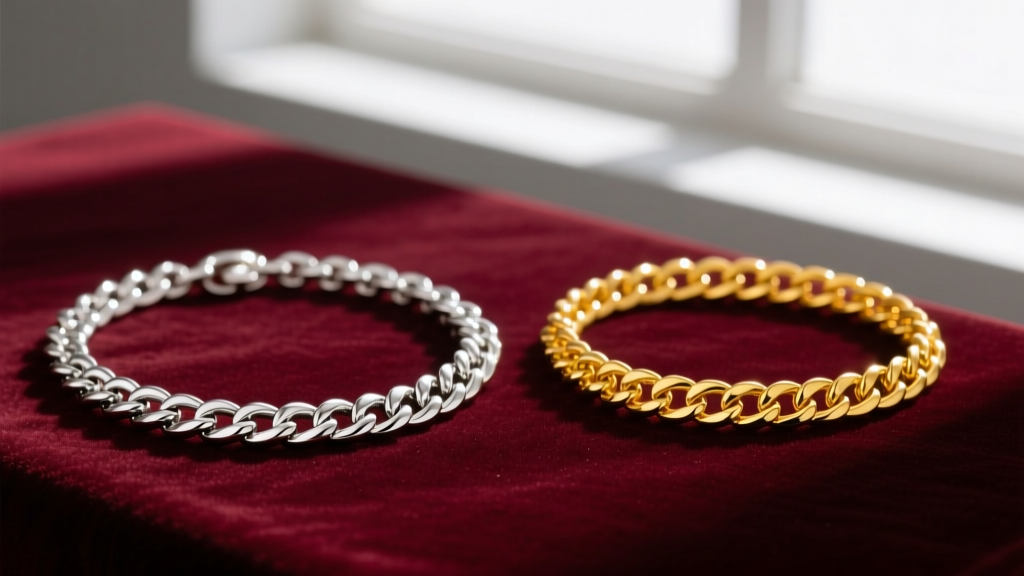
The Deception of the Digital Necklace Picture
When shopping for fine jewelry online or attempting to identify an heirloom from a photograph, the digital necklace picture is your only point of reference. However, screens, lighting temperatures, and post-processing algorithms frequently distort the true visual properties of precious metals. In 2026, with the proliferation of AI-enhanced product photography that automatically corrects white balance and enhances specular highlights, distinguishing between a rhodium-plated white gold chain and a solid 950 platinum pendant purely by color has become increasingly difficult. To truly understand what you are looking at, you must move beyond superficial color matching and analyze the structural and metallurgical cues that cameras inadvertently capture.
A high-resolution necklace picture reveals micro-details about a metal's hardness, density, and alloy composition. By understanding the Vickers Hardness (HV) scale, specific gravity, and light reflectance indices of various alloys, you can decode the visual data hidden in the shadows and highlights of any jewelry photograph. This guide provides a deep-dive material comparison to help you accurately assess necklaces based on visual evidence and metallurgical facts.
White Metals: Decoding Platinum, White Gold, and Palladium
White metals are the most frequently misrepresented in digital images due to the widespread use of rhodium plating. Rhodium is a platinum-group metal that provides a brilliant, mirror-like white finish to white gold, masking its natural pale-yellow or greyish undertone. When analyzing a necklace picture, you must look at how the metal handles light and wear.
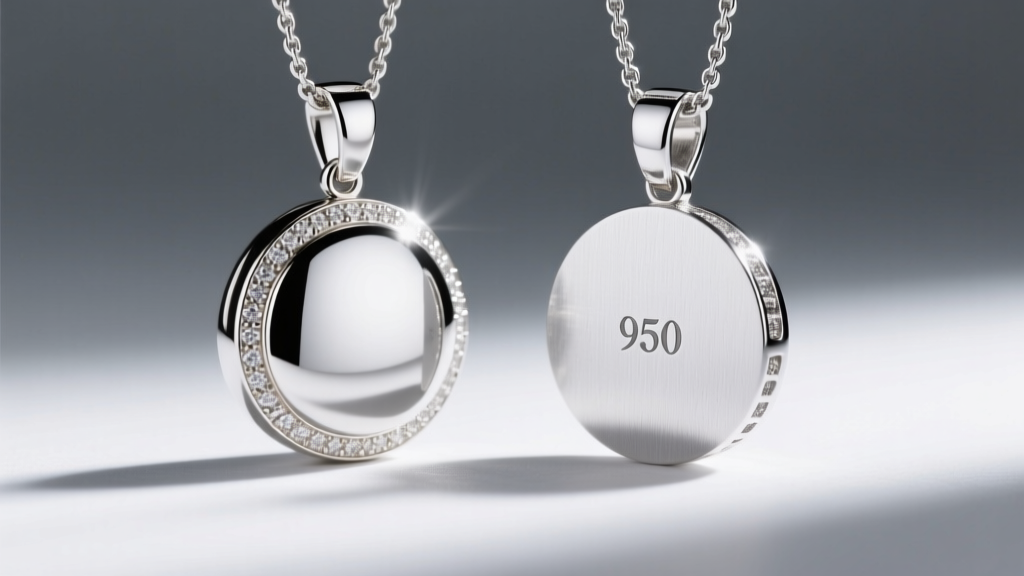
Platinum, specifically the 950 Pt standard (95% platinum, 5% ruthenium or iridium), has a naturally white-grey luster. Unlike white gold, it is not plated. Because platinum is highly malleable and dense, it develops a soft patina over time rather than losing metal mass when scratched. In a close-up picture, look for a satiny, diffused reflection on older platinum chains, whereas white gold will show distinct, localized scratches where the underlying yellowish alloy is exposed beneath the worn rhodium flash.
| Metal / Alloy | Composition | Vickers Hardness (HV) | Density (g/cm³) | Visual Cue in Photos |
|---|---|---|---|---|
| 950 Platinum (Ru) | 95% Pt, 5% Ru | 135 HV | 21.0 | Diffused luster, heavy drape, no yellowing in scratches |
| 18k White Gold (Pd) | 75% Au, 25% Pd | 120 HV | 15.9 | Mirror finish (if plated), warm grey tint if unplated |
| 14k White Gold (Ni) | 58.3% Au, Ni/Cu/Zn | 150 HV | 13.7 | Highly reflective when plated, stark yellow scratch lines |
| 950 Palladium | 95% Pd, 5% Ru | 105 HV | 12.0 | Lightweight drape, slightly darker grey tone than platinum |
Yellow and Rose Alloys: The Copper and Silver Ratios
The warmth and depth of color in yellow and rose gold necklaces are directly dictated by their alloying metals, primarily copper and silver. Pure 24k gold is too soft (25 HV) for durable chain links, so it is alloyed to create 18k (75% Au) and 14k (58.3% Au) variants. According to the GIA Gem Encyclopedia, the specific ratio of copper to silver shifts the visible light spectrum the metal reflects.
In a well-lit necklace picture, 18k yellow gold exhibits a rich, saturated, almost buttery yellow hue due to its high pure gold content. Conversely, 14k yellow gold contains more copper and zinc, giving it a slightly paler, sometimes brassy appearance. Rose gold relies heavily on copper. A standard 18k rose gold alloy contains 75% gold, 22.25% copper, and 2.75% silver. If a picture shows a necklace with a deep, reddish-pink tone, it likely has a higher copper content (up to 25%), which also increases the metal's tensile strength but makes it more susceptible to oxidation and tarnishing over decades.
Pro-Tip for Photo Analysis: Look at the edges of the chain links or the clasp mechanism in the picture. High-copper rose gold alloys will often show microscopic oxidation or a slightly darker, brownish tint in the crevices where polishing compounds or environmental moisture have settled, a detail high-megapixel macro photography easily captures.
Alternative Metals: Titanium and Tungsten Carbide
The rise of alternative metals in men's and unisex pendant chains has introduced materials with extreme physical properties that drastically alter their visual representation. Tungsten carbide and titanium behave entirely differently under a camera lens compared to precious metals.
Tungsten carbide is not a pure metal but a composite of tungsten and a binder (usually cobalt or nickel). It boasts an astonishing hardness of over 1500 HV, making it virtually scratch-proof. In a necklace picture, tungsten will appear with a flawless, mirror-like polish that lacks the micro-abrasions seen on gold or platinum. However, its high density and brittleness mean it lacks the fluid drape of precious metals; chains often look rigid or bulky. Titanium, specifically Grade 4 commercially pure titanium or Grade 5 (Ti-6Al-4V), is much lighter (4.5 g/cm³) and softer (334 HV). It reflects light with a darker, gunmetal-grey undertone and is frequently anodized or brushed, creating a matte texture that absorbs light rather than reflecting it.

Practical Framework: Identifying Materials from a Photo
When you are tasked with evaluating a necklace picture—whether for appraisal, authentication, or purchasing—apply this systematic visual framework to deduce the underlying material properties:
- Analyze the Drape and Rigidity: Precious metals like gold and platinum have high specific gravity and low yield strength, allowing chains to drape fluidly like fabric. If the chain in the picture looks stiff, holds rigid geometric shapes, or appears unusually thick for its length, suspect tungsten carbide or stainless steel.
- Inspect the Clasp and Jump Rings: The Rio Grande Metal Properties Chart notes that high-hardness metals are difficult to solder. If the picture shows laser-welded, bulky, or mechanical screw-barrel clasps rather than delicate soldered jump rings, you are likely looking at titanium, tungsten, or stainless steel, as traditional torch soldering is impossible or highly impractical for these alloys.
- Evaluate Scratch Patterns: Zoom in on the flat surfaces of pendants or wide links. Platinum scratches will appear as displaced metal (a raised burr). White gold scratches will appear as dark or yellowish grooves where the rhodium has been removed. Tungsten will show no surface scratches, only potential chipping or shattering along sharp edges if dropped.
- Check for Hallmark Distortions: In macro photography, laser-engraved hallmarks (e.g., '750', '950Pt') on the inside of clasps can reveal the metal's base color. If the engraving on a 'white' necklace reveals a yellowish tint inside the letters, it is rhodium-plated white gold, not platinum.
Conclusion
A necklace picture is more than just a visual representation; it is a data-rich map of metallurgical properties. By understanding the interplay between alloy composition, Vickers hardness, and light reflectance, you can bypass the deceptive nature of digital filters and studio lighting. Whether you are distinguishing the soft patina of 950 platinum from the brittle mirror finish of tungsten carbide, or calculating the copper content in a rose gold chain based on its crevice oxidation, applying these material science principles ensures you make informed, accurate assessments in the modern jewelry market.