Decoding Mood Necklace Moods: The Real Science & Color Chart
Discover the real science behind mood necklace moods. Learn how thermochromic crystals work, view the accurate color chart, and master care tips.

For decades, the mood necklace has held a special place in the jewelry boxes of teenagers, nostalgic adults, and curious science enthusiasts alike. But beyond the novelty and the colorful marketing of the 1970s, there is a fascinating intersection of chemistry, physiology, and jewelry design at play. If you have ever wondered how these color-shifting pendants actually work, or if the traditional mood necklace moods chart holds any scientific weight, you are in the right place.
In this comprehensive beginner-friendly guide, we will demystify the thermochromic technology inside your favorite pendant, break down the real physiological triggers behind the color changes, and provide actionable advice on how to buy, wear, and care for these delicate accessories so they do not turn permanently black after a single week.
The Nostalgic Origins of Thermochromic Jewelry
The concept of color-changing jewelry exploded into the mainstream in 1975 when inventors Marvin Wernick and Josh Reynolds introduced the 'mood ring.' The idea was quickly adapted into necklaces, bracelets, and earrings. While early iterations were often dismissed as mere toys, the underlying technology was rooted in legitimate materials science. Today, modern mood necklaces utilize advanced micro-encapsulation techniques that make them more vibrant and slightly more durable than their vintage counterparts, though they remain highly sensitive to their environment.
The Chemistry: How Do Mood Necklaces Actually Work?
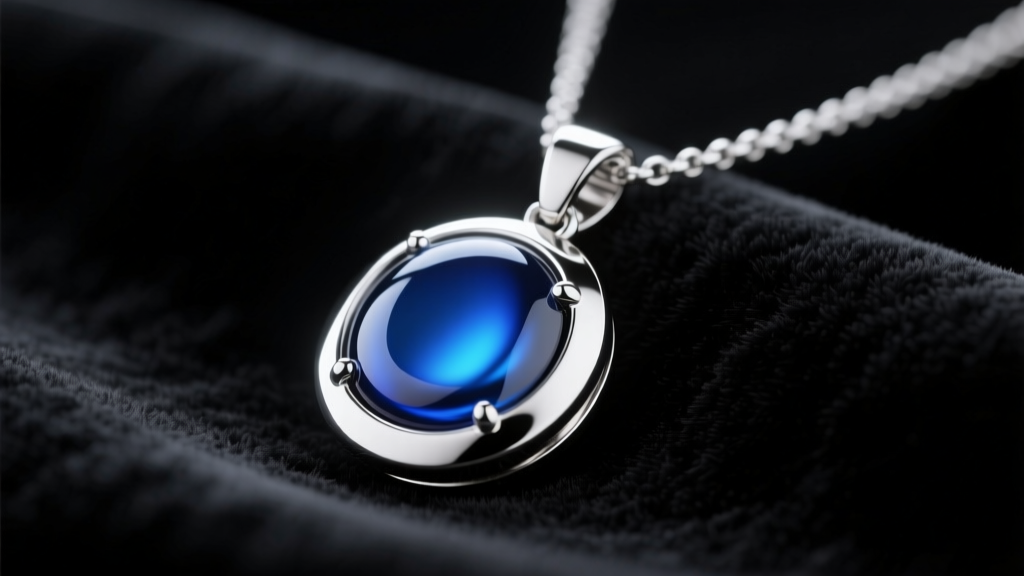
To understand mood necklace moods, you first need to understand the 'stone.' The cabochon (the dome-shaped centerpiece of the necklace) is rarely a solid gemstone. Instead, it is typically a hollow glass or quartz dome filled with a specialized chemical mixture, or a solid glass dome with a thermochromic film layered beneath it.
Liquid Crystals vs. Leuco Dyes
There are two primary chemical methods used to create color-shifting effects in jewelry:
- Thermochromic Liquid Crystals (TLCs): According to the American Chemical Society, liquid crystals exist in a state between solid and liquid. In their cholesteric (or chiral nematic) phase, the molecules arrange themselves in a helical structure. As the temperature changes, the pitch of this helix twists or untwists. This physical twisting alters the wavelength of light that is reflected back to your eye, shifting the visible color from red to violet as the temperature rises.
- Leuco Dyes: More common in cheaper, mass-produced necklaces, leuco dyes are encapsulated in microscopic spheres. These dyes change color based on a chemical reaction triggered by heat, usually shifting from a colored state to a clear state, revealing a background pigment. While less precise than liquid crystals, they are cheaper to manufacture.
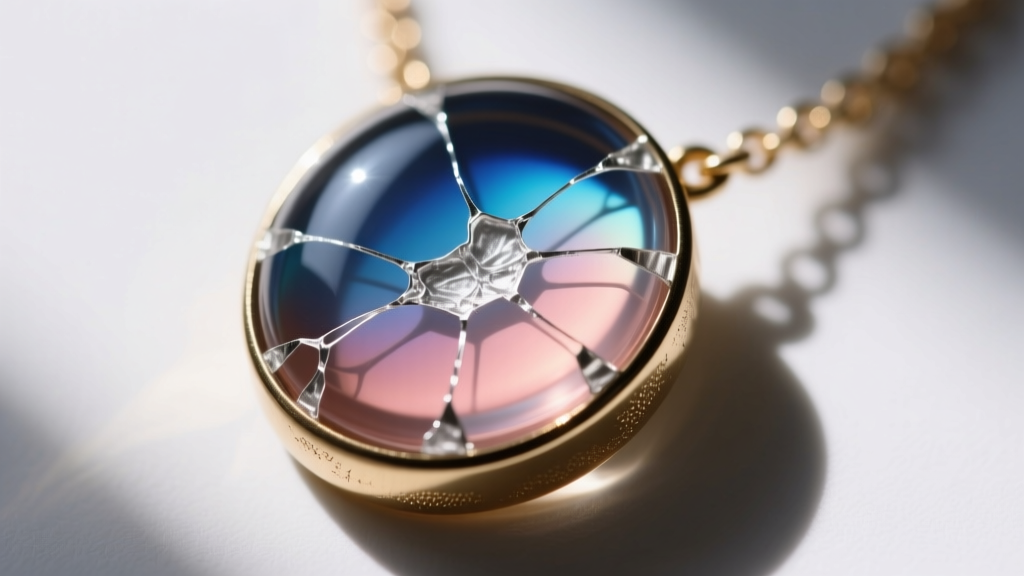
Because liquid crystals are highly sensitive to UV light and physical pressure, the glass dome serves a dual purpose: it magnifies the color for a deeper, gem-like appearance, and it protects the fragile chemical layer from oxidizing.
The Physiology: Do Mood Necklace Moods Reflect Emotions?
The short answer is: indirectly. A mood necklace does not possess a psychological sensor; it is essentially a highly sensitive, wearable thermometer. The colors change in response to the surface temperature of your skin, specifically at the base of your neck or chest.
However, human skin temperature is influenced by your autonomic nervous system. When you experience strong emotions, your body redirects blood flow:
- Stress, Anxiety, or Fear: Your body triggers a 'fight or flight' response, pulling blood away from the extremities and skin surface toward vital organs and major muscle groups. This causes peripheral vasoconstriction, dropping your skin temperature and turning the necklace darker shades.
- Relaxation, Happiness, or Passion: When you are calm or excited, your blood vessels dilate (vasodilation), pushing warm, oxygen-rich blood to the surface of your skin. This raises your localized skin temperature, prompting the necklace to shift toward warmer, brighter colors like blue or violet.
Expert Insight: The baseline surface temperature of the human chest and neck typically hovers around 31°C to 33°C (88°F to 91°F) in a comfortable room. Therefore, a 'neutral' or 'relaxed' state will usually display green or teal, not black.
The Definitive Mood Necklace Moods Color Chart
While marketing materials from the 1970s assigned highly specific emotions to every hue, modern thermochromic science provides a more accurate mapping based on temperature ranges. Below is the realistic breakdown of what your necklace colors actually signify.
| Color Displayed | Approx. Temperature | Market 'Mood' | Actual Physiological State |
|---|---|---|---|
| Black / Gray | Below 24°C (75°F) | Stressed, Anxious, Cold | Poor circulation, cold environment, or the pendant is damaged/wet. |
| Brown / Amber | 24°C - 26°C (75°F - 79°F) | Nervous, Restless | Slightly below average skin temperature; resting in a cool room. |
| Green / Yellow | 27°C - 29°C (80°F - 84°F) | Relaxed, Normal, Mixed | Baseline resting skin temperature; comfortable ambient environment. |
| Teal / Cyan | 29°C - 31°C (84°F - 88°F) | Content, Social, Active | Mild vasodilation; light physical activity or emotional engagement. |
| Deep Blue | 31°C - 33°C (88°F - 91°F) | Happy, Romantic, Calm | Optimal skin temperature; relaxed state with healthy surface blood flow.|
| Violet / Purple | Above 33°C (91°F+) | Passionate, Excited, Hot | Significant vasodilation; flushed skin from heat, exercise, or intense emotion. |
For a deeper dive into the history and cultural impact of these thermochromic accessories, Smithsonian Magazine offers an excellent retrospective on how these items bridged the gap between pop culture and chemistry.
Troubleshooting: Why Did My Necklace Turn Black or Clear?
The most common complaint among beginners is that their pendant suddenly turns pitch black or completely clear and refuses to change back. This is rarely a reflection of your mood; it is almost always a material failure.
1. Water Damage (The #1 Killer)
Mood necklaces are notoriously vulnerable to moisture. If water seeps under the glass cabochon or penetrates the porous backing of a plastic stone, it will ruin the thermochromic emulsion. Water causes the liquid crystals to separate or the leuco dye microcapsules to rupture. Once the chemical matrix is compromised by water, the pendant will permanently turn black or cloudy clear. Never wear a mood necklace in the shower, pool, or ocean.
2. UV Degradation
Prolonged exposure to direct sunlight breaks down the molecular bonds in thermochromic pigments. If you leave your necklace on a sunny dashboard or windowsill, the UV radiation will 'bleach' the crystals, causing the stone to lose its ability to shift colors, often leaving it stuck in a pale yellow or clear state.
3. Extreme Heat Baking
Leaving the necklace near a heater, in a hot car, or using hot water to clean it can literally 'bake' the liquid crystals out of their nematic phase, permanently destroying the color-shifting properties.
2026 Buyer’s Guide: Spotting Quality Thermochromic Jewelry
If you are looking to purchase a mood necklace that will actually last, you must look past the novelty and evaluate the jewelry construction. Here is what to look for when shopping:
- The Cabochon Material: Always opt for glass or quartz domes over plastic. Plastic is porous, easily scratched, and allows moisture to penetrate the thermochromic layer much faster. Glass provides an airtight seal over the sensitive film.
- The Setting and Sealing: Look for bezel settings that have a sealed back. Some high-end mood pendants feature a solid metal backing plate soldered or glued with waterproof epoxy to prevent sweat and humidity from reaching the underside of the color-changing film.
- The Chain Metal: Because you will be wearing this piece directly against your chest (an area prone to sweat), avoid cheap base metals like copper or unsealed brass, which will oxidize and turn your skin green. Look for 925 Sterling Silver, stainless steel, or titanium chains.
- Price Expectations: A genuine, well-sealed glass cabochon mood necklace on a sterling silver chain should cost between $35 and $85. Anything under $15 is likely using plastic, unsealed leuco dyes, and base metal alloys that will degrade within weeks.
Care and Maintenance for Longevity
To keep your mood necklace accurately reflecting your physiological state for years to come, follow these strict maintenance rules:
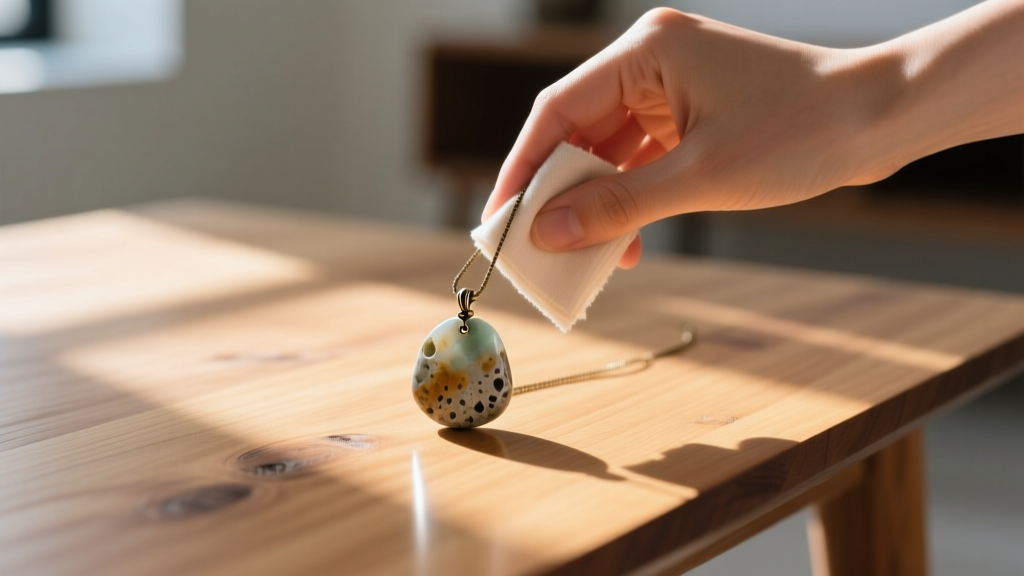
- The 'Dry Wipe' Rule: Only ever clean the pendant with a dry, soft microfiber cloth. Do not use jewelry dips, ultrasonic cleaners, soap, or water.
- The Clear Polish Hack (With Caution): If you have a pendant with an exposed backing or a slightly loose bezel, you can carefully apply a thin layer of clear, waterproof top-coat nail polish only to the back and the seam of the setting. This creates a moisture barrier against sweat. Do not paint the front of the glass, as it will dull the optical clarity.
- Storage: Store the necklace in a dark, dry jewelry box or an airtight ziplock bag with a silica gel packet to absorb ambient humidity when not in wear.
Understanding the real science behind mood necklace moods transforms them from a simple childhood toy into a fascinating, wearable piece of bio-feedback art. By respecting the delicate thermochromic chemistry and investing in properly sealed, glass-domed designs, you can enjoy the magic of color-shifting jewelry for years to come.