Decoding Motifs: What Is the Theme in the Necklace You Are Buying?
Discover how to identify jewelry motifs and eras. Learn what is the theme in the necklace you are buying with our expert authentication guide.

The Importance of Thematic Resonance in Fine Jewelry
When evaluating a piece of estate jewelry or a contemporary designer pendant, a common question among discerning collectors is: what is the theme in the necklace? Understanding the underlying narrative, historical era, or symbolic motif of a necklace transforms it from a mere accessory into a wearable piece of art and history. Whether you are browsing an antique market in Paris or evaluating a high-end auction lot, recognizing thematic elements dictates both the piece's financial valuation and its stylistic longevity.
A necklace's theme is communicated through its silhouette, material choices, gemstone selections, and specific iconographic motifs. For instance, a serpent motif signifies eternal love in Victorian contexts but might represent rebellion in modern punk aesthetics. By learning to decode these visual cues, buyers can avoid misattributed pieces, spot high-quality reproductions, and build a jewelry collection with genuine historical and emotional depth.
Historical Eras and Their Signature Necklace Themes
To accurately answer the question of what is the theme in the necklace you are examining, you must first identify its historical era. Jewelry design is intrinsically linked to the socio-economic climates of its time. Below is a structured breakdown of major jewelry eras and their defining thematic elements.
| Era | Timeframe | Key Themes & Motifs | Typical Materials & Gemstones | Avg. Market Price Range |
|---|---|---|---|---|
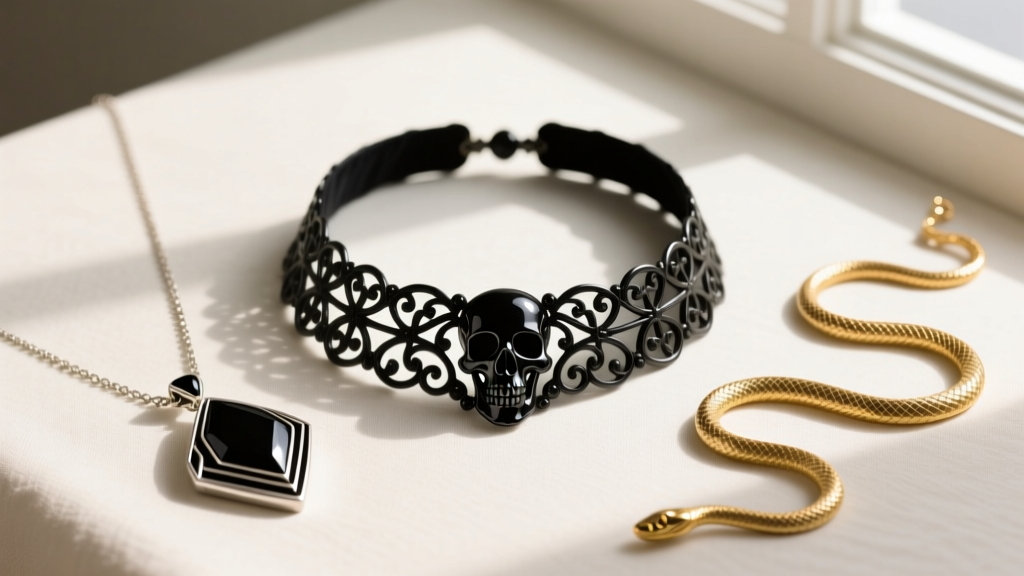
| Victorian | 1837–1901 | Mourning, Romance, Nature, Serpents | Jet, Vulcanite, Seed Pearls, 15k Gold, Coral | $300 – $4,500 |
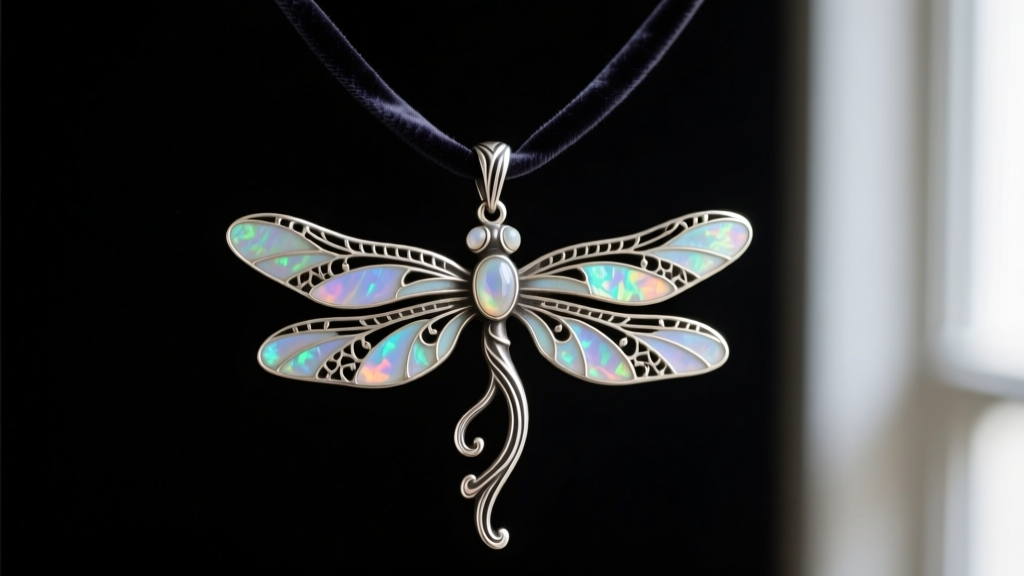
| Art Nouveau | 1890–1910 | Whiplash curves, Insects, Femmes Fatales, Flora | Plique-à-jour enamel, Opal, Horn, Moonstone | $2,500 – $25,000+ |
| Art Deco | 1920–1939 | Geometry, Egyptomania, Speed, Cubism | Onyx, Rock Crystal, Platinum, Calibré-cut Rubies | $1,500 – $15,000 |
| Retro | 1935–1950 | Bold Links, Patriotic, Ribbons, Tank Bracelets | Rose Gold, Aquamarine, Citrine, Synthetic Rubies | $800 – $6,000 |
According to the Victoria and Albert Museum, the transition from the heavy, somber themes of Victorian mourning jewelry to the light, ethereal themes of the Art Nouveau period represents one of the most drastic thematic shifts in jewelry history. Recognizing the delicate, translucent enamel work (plique-à-jour) of the Art Nouveau era is crucial, as it is frequently forged using modern epoxy resins.
Decoding Popular Symbolic and Spiritual Motifs
Beyond historical eras, many necklaces are defined by spiritual or cultural themes. If you are looking at a pendant and wondering about its symbolic origin, consider these pervasive motifs:
Celestial and Astrological Themes
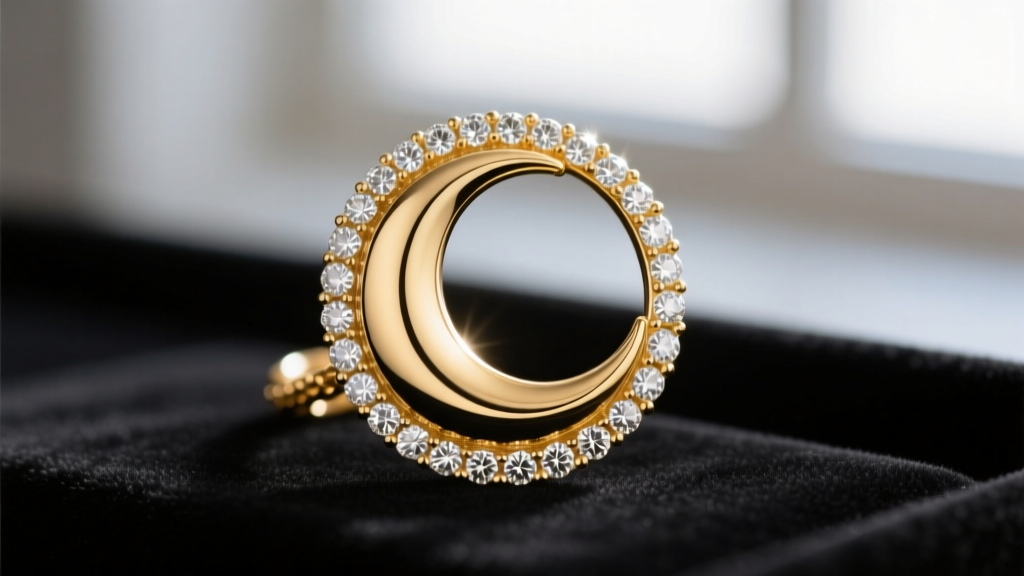
Crescent moons, stars, and sunbursts have been dominant themes since the late 19th century, heavily influenced by the 1889 Paris Exposition and the discovery of celestial gemstones like star sapphires. In antique pieces, look for lapis lazuli or dark blue enamel backgrounds paired with rose-cut diamonds to represent the night sky. Contemporary fine jewelers often reinterpret this theme using 18k yellow gold and pave-set diamond stars, appealing to buyers seeking a connection to astrology and the cosmos.
The Ouroboros and Serpent Motifs
Popularized after Queen Victoria received a serpent engagement ring from Prince Albert, the snake theme in necklaces represents eternity and unending love. When evaluating a Victorian snake necklace, check the head for cabochon turquoise or garnets, which were standard for the era. The articulation of the gold scales—often hand-forged rather than cast—is a primary indicator of authenticity and craftsmanship. A genuine 19th-century gold snake chain will feel remarkably heavy and fluid, unlike the stiff, hollow electroformed replicas produced in the 1970s.
Botanical and Flora Influences
The language of flowers (floriography) was a massive thematic driver in the 1800s. Ivy leaves symbolized fidelity and friendship, while forget-me-nots represented true remembrance. Authentic Victorian botanical necklaces often feature seed pearls (representing tears or purity) and are constructed in 15k or 9k gold, as 14k was not a standard hallmark in Britain until 1932.
Material Choices That Define the Theme
The materials used in a necklace are not arbitrary; they are foundational to its theme. For example, the Art Deco theme of industrial progress and stark contrast was achieved by pairing stark black onyx with brilliant white diamonds set in platinum. Platinum's high tensile strength allowed jewelers to create the intricate, geometric filigree work that defines the era's aesthetic.
Conversely, the Retro era's theme of bold, unapologetic glamour was born out of WWII metal rationing. With platinum reserved for the war effort, jewelers turned to large, puffy rose gold alloys and massive, low-cost semi-precious stones like aquamarine and citrine to create dramatic, voluminous necklaces that maintained a luxurious appearance despite material shortages. Understanding these material constraints provides vital context when authenticating vintage pieces.
How to Authenticate Thematic Vintage Pieces
When you have identified what is the theme in the necklace, the next step is verifying its authenticity. The Gemological Institute of America (GIA) emphasizes that material analysis and structural evaluation are paramount when purchasing estate jewelry. Here is a practical framework for authentication:
- Clasp Evolution: A simple C-clasp without a safety catch strongly suggests a pre-1900 origin. The introduction of the safety clasp occurred around the 1910s, while modern lobster claws indicate a piece made after the 1970s or a vintage pendant on a replacement chain.
- Hallmarks and Maker's Marks: Look for the French eagle's head (indicating 18k gold) or the British anchor (Birmingham assay office). Be wary of pieces with a thematic Art Nouveau design but stamped with modern laser-etched hallmarks.
- Enamel Verification: For Art Nouveau themes featuring plique-à-jour enamel, hold the piece to the light. Genuine enamel is essentially stained glass and will allow light to pass through with a rich, vitreous glow. Modern resin fakes will appear cloudy or overly plastic.
- Gemstone Cutting: Art Deco themes rely heavily on geometric precision. Look for calibré-cut stones (custom-cut to fit exactly into a specific geometric channel). If the stones are standard round brilliants forced into a square bezel, the piece is likely a later reproduction.
Final Thoughts on Choosing Your Narrative
Ultimately, asking "what is the theme in the necklace?" is about aligning your personal style with the historical and artistic narrative of the piece. Whether you are drawn to the melancholic romance of a Victorian mourning locket woven with human hair, the rebellious geometry of an Art Deco platinum sautoir, or the spiritual protection of a modern lapis lazuli evil eye pendant, understanding these themes ensures your investment is both financially sound and deeply meaningful. Always prioritize pieces where the material, craftsmanship, and motif work in perfect harmony to tell a cohesive story.


