How to Design a Custom Necklace for Women with Name
Learn how to design a custom necklace for women with name. Our step-by-step guide covers metals, fonts, chain lengths, and styling tips.

The Art of Personalization: Why Name Necklaces Endure
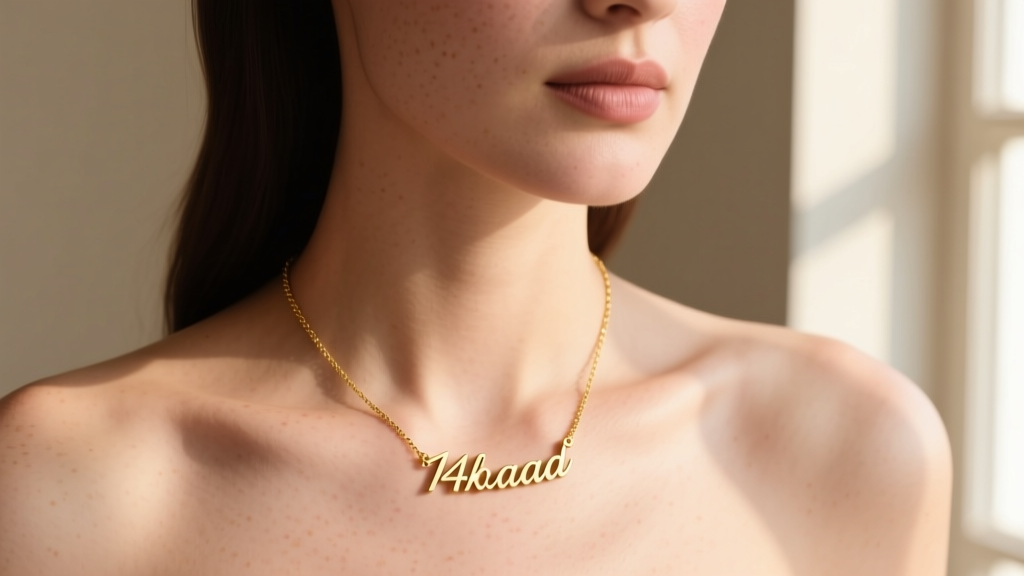
Personalized jewelry has transcended fleeting trends to become a permanent staple of modern wardrobes. When you decide to commission a custom necklace for women with name, you are not just buying an accessory; you are creating a wearable artifact. From the iconic script nameplates popularized in the early 2000s to the minimalist, block-letter designs dominating 2026, name necklaces offer a unique blend of identity and elegance. However, the difference between a cheap, tarnished trinket and a lifelong heirloom lies entirely in the design and manufacturing specifications. This comprehensive, step-by-step guide will walk you through the exact technical decisions—from metal grades to typography kerning—required to design a flawless custom namepiece.
Step 1: Selecting the Right Metal Grade and Finish
The foundation of any enduring necklace for women with name is the base metal. The market is flooded with misleading terminology, so understanding the exact composition of your jewelry is critical for longevity and skin safety. According to the Federal Trade Commission Jewelry Guides, specific thresholds must be met for a piece to be legally marketed as vermeil or solid gold.
Solid Gold vs. Vermeil vs. PVD Stainless Steel
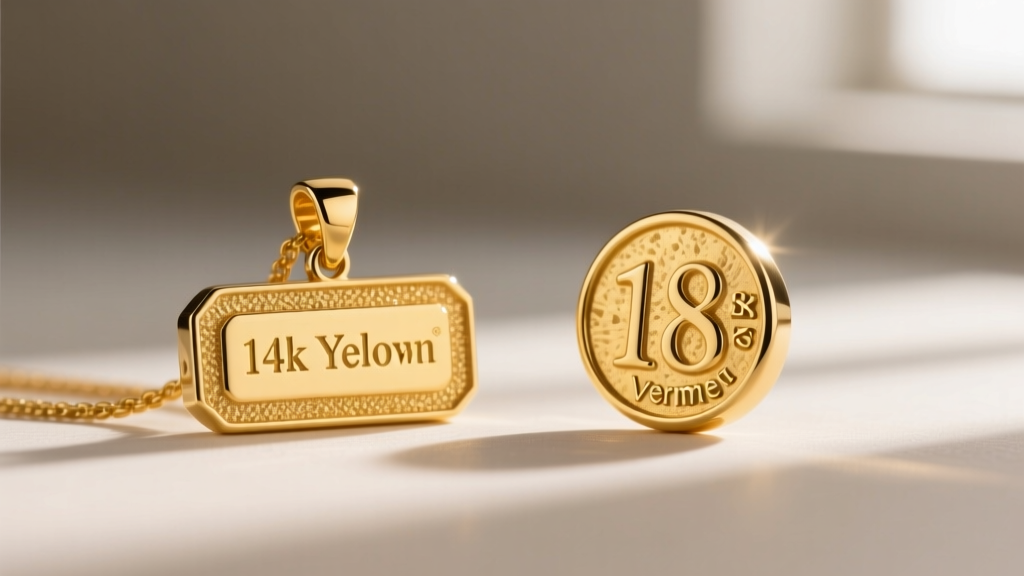
For an heirloom-quality piece that will never tarnish, 14k solid gold (58.5% pure gold alloyed with metals like copper and zinc for strength) is the gold standard. It offers the perfect balance of rich color and structural rigidity, ensuring the delicate loops connecting the nameplate to the chain will not snap under tension. If your budget is tighter, 18k gold vermeil is an excellent alternative, provided it meets the FTC requirement of at least 2.5 microns of 18k gold plated over a 925 sterling silver base. Avoid standard "gold-plated" brass, as the plating is often less than 0.5 microns and will wear off within months, exposing the brass underneath and causing green skin discoloration. For hyper-durable, budget-friendly options, look for 316L surgical stainless steel with a PVD (Physical Vapor Deposition) gold coating, which bonds at a molecular level and resists scratching far better than traditional electroplating.
| Metal Type | Composition | Average Price Range | Tarnish Resistance | Best For |
|---|---|---|---|---|
| 14k Solid Gold | 58.5% Pure Gold | $250 - $600+ | Excellent (Lifetime) | Heirlooms, daily wear |
| 18k Gold Vermeil | 2.5+ microns over 925 Silver | $80 - $150 | Good (1-3 Years) | Occasional wear, gifts |
| PVD Stainless Steel | 316L Steel with PVD Coating | $30 - $60 | Very Good (Waterproof) | Active lifestyles, budget |
Step 2: Choosing the Typography and Script
The font you choose dictates the entire personality of the necklace. When designing a necklace for women with name, the typography must be legible at a small scale while maintaining structural integrity. Thin, overly ornate fonts can result in weak points where the metal is prone to bending or snapping.
- Classic Cursive Script: The traditional choice. Ensure the designer uses "ligatures" (connecting strokes) between letters so the name forms a single, continuous, structurally sound piece of metal rather than fragile, individual letters glued together.
- Minimalist Sans-Serif: A modern, block-letter approach. Ideal for shorter names (3-5 letters). Requires a slightly thicker metal gauge (at least 1.2mm) to prevent the block letters from looking clunky.
- Old English / Gothic: A bold, edgy aesthetic popular in streetwear. The intricate serifs require high-precision laser cutting to ensure the sharp edges do not snag on clothing.
Pro Tip: Always ask the jeweler for a digital vector mockup before production. Check the "kerning" (spacing between letters). If the letters are too tightly packed, the metal cuts will be too close together, creating structural weak points.
Step 3: Sizing the Nameplate and Chain Length
Proportion is everything. A nameplate that is too large will look costume-like, while one that is too small will lose its impact. The Gemological Institute of America (GIA) notes that proper scaling of jewelry to the wearer's anatomy is a hallmark of fine craftsmanship.
Calculating Nameplate Dimensions
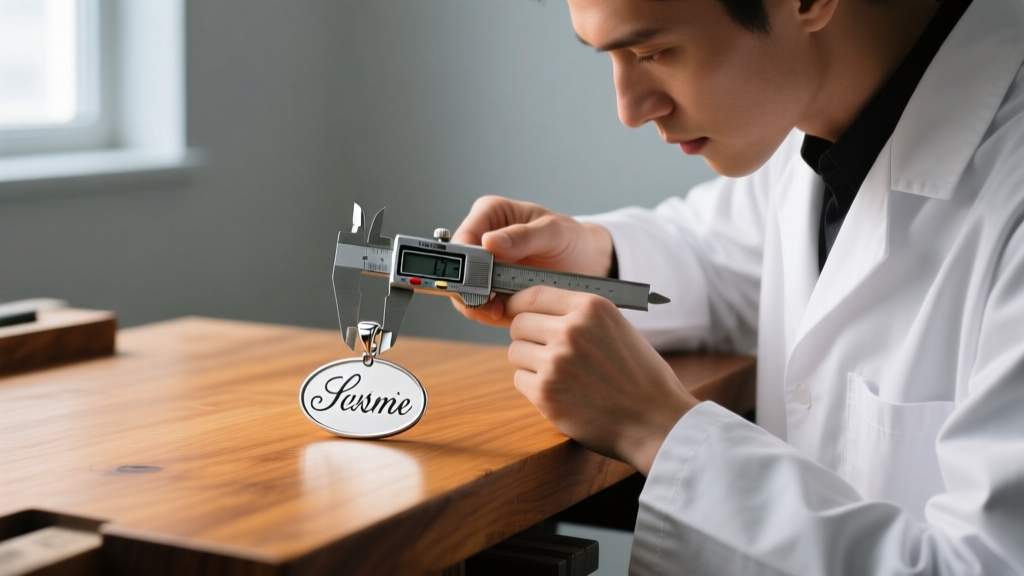
The height of the nameplate should generally range between 0.4 inches (10mm) and 0.6 inches (15mm). The width will naturally scale based on the letter count. For a standard 5-letter name like "Sarah," a width of 1.5 inches to 1.8 inches is visually balanced. If the name is longer (e.g., "Alexandra"), consider splitting the name across two lines or using a more condensed font to keep the width under 2.5 inches, ensuring it doesn't extend awkwardly past the collarbones.
Selecting the Chain Gauge and Length
Do not pair a heavy, 3-gram nameplate with a fragile 0.8mm chain. The chain's tensile strength must support the pendant. A 1.2mm to 1.5mm cable or figaro chain is the sweet spot for most custom nameplates. For length, a 16-inch chain with a 2-inch extender is the industry standard, allowing the nameplate to rest perfectly in the suprasternal notch (the hollow of the collarbone) for most women.
Step 4: Adding Meaningful Embellishments
Once the base design is locked, you can elevate the piece with subtle embellishments. Adding a gemstone is a popular choice, but placement is key. Instead of clustering stones, consider a single, bezel-set birthstone dangling from the last letter of the name, or a tiny flush-set diamond (typically 1.5mm to 2.0mm in diameter) placed on the capital letter's highest curve. If opting for diamonds, insist on at least SI1 clarity and G-H color grades; anything lower will appear cloudy or yellowish against the gold, defeating the purpose of the accent.
Step 5: Styling and Layering Your Namepiece
A custom name necklace is incredibly versatile, but it requires strategic layering to fit into a modern 2026 wardrobe. The golden rule of necklace layering is maintaining a minimum 2-inch gap between chains to prevent tangling and visual clutter.
- The Base Layer (14"): Start with a simple, 14-inch 1.0mm herringbone or snake chain that sits high on the neck like a choker.
- The Focal Point (16"): Your custom name necklace sits right in the middle, drawing the eye to the collarbone.
- The Anchor (18" - 20"): Finish with a longer, heavier chain featuring a simple geometric pendant, like a 5mm gold cylinder or a small coin necklace, to ground the look.
When layering, stick to a single metal color. Mixing a yellow gold nameplate with a white gold chain often creates a disjointed look unless you are intentionally aiming for a mixed-metal avant-garde aesthetic.
Final Pre-Checkout Checklist
Before you finalize your order with a custom jeweler, run through this technical checklist to ensure you are getting exactly what you paid for:
- Hallmark Verification: Confirm the piece will be stamped with a quality mark (e.g., "14K" or "925") and the maker's mark.
- Clasp Type: Ensure the chain features a lobster clasp, not a spring ring clasp. Lobster clasps are significantly more secure and easier to fasten.
- Jump Ring Soldering: Ask if the jump rings (the tiny loops connecting the chain to the nameplate) are soldered closed. Unsoldered jump rings will eventually pull apart, leading to a lost pendant.
- Warranty and Replating: If buying vermeil, check if the brand offers a replating service for when the gold layer eventually wears thin.
Designing a necklace for women with name is an exercise in balancing sentimentality with structural engineering. By prioritizing high-quality metal grades, precise typography, and anatomically correct proportions, you will create a personalized heirloom that remains a cherished staple for decades to come.


