Candy Necklace Beads Value Guide: Budgeting for Quality
Discover the true value of candy necklace beads. We compare acrylic, resin, and glass materials to help you budget wisely and avoid overpriced plastic.

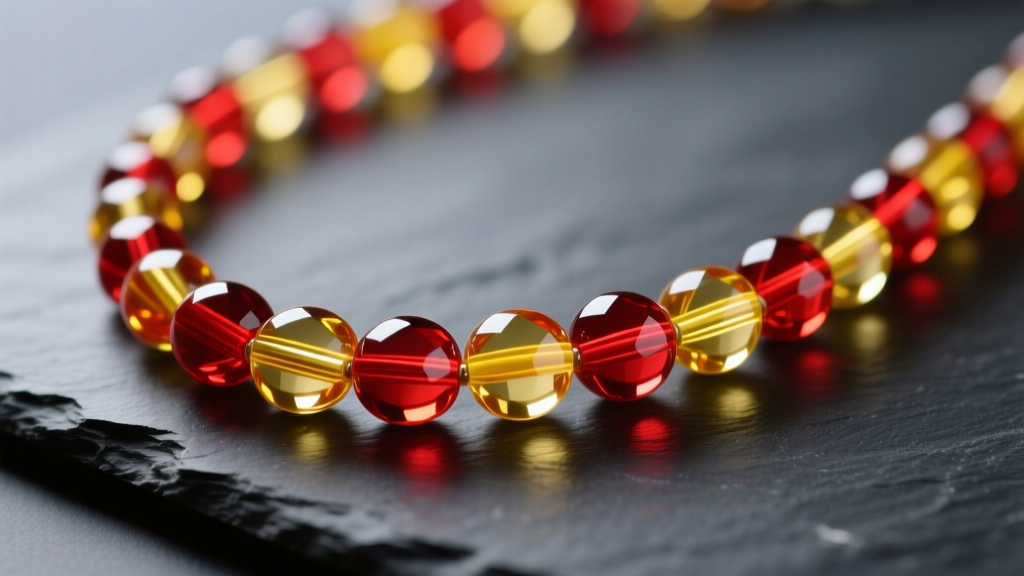
When building a vibrant, playful jewelry collection, candy necklace beads are a highly sought-after aesthetic. Characterized by their translucent, glossy, and brightly colored appearances, these beads mimic the look of hard-boiled sweets, gummy drops, and fruit chews. However, the term 'candy bead' is a visual descriptor, not a material one. In the jewelry market, this aesthetic is achieved through vastly different materials—ranging from two-dollar injection-molded plastics to two-hundred-dollar artisan lampwork glass. For the savvy collector, understanding the material science and true market value of candy necklace beads is the difference between building a lasting collection and wasting money on degrading plastics.
The Material Matrix: What Are Your Beads Actually Made Of?
To accurately assess the budget and value of candy-style jewelry, you must first identify the base material. The 'candy' look is typically achieved through one of four primary mediums, each with distinct manufacturing costs and longevity profiles.
1. Injection-Molded Acrylic (PMMA)
Polymethyl methacrylate (PMMA) is the most common and least expensive material used for candy beads. It is lightweight, highly transparent, and easily dyed in neon or pastel hues. While acrylic offers excellent initial clarity, it ranks a mere 3 on the Mohs hardness scale. This means it will accumulate micro-scratches from daily wear, eventually clouding the 'candy' illusion. Furthermore, acrylic is prone to chemical degradation when exposed to alcohol-based perfumes or harsh cosmetics.
2. Cast Epoxy and Polyurethane Resins
Artisan resin beads offer a middle-ground in both price and quality. High-grade epoxy resins can be poured into molds with suspended glitters, foils, or opaque swirls to mimic complex candy textures like rock candy or jawbreakers. The critical value factor here is the presence of UV inhibitors. Without HALS (Hindered Amine Light Stabilizers), resin candy beads will undergo photo-oxidation, turning an ugly yellow or brown within 12 to 18 months of sun exposure.
3. Vitreous Enamel on Brass
For a more metallic, opaque candy look (think hard candy shells), jewelers use vitreous enamel fused to a brass or copper base. This provides exceptional color stability and a satisfying weight, though it is highly susceptible to chipping if dropped on a hard surface.
4. Artisan Lampwork Glass
The pinnacle of the candy bead hierarchy is soda-lime or borosilicate lampwork glass. Artisans melt glass rods over a torch, shaping them into beads that possess an unmatched, deep optical clarity and internal luminosity. According to the Corning Museum of Glass, the optical properties of hand-formed glass cannot be replicated by synthetic polymers. These beads are annealed in a kiln to relieve internal thermal stress, ensuring they do not shatter from temperature changes.
Price vs. Longevity: The True Cost Per Wear
Evaluating jewelry value requires looking beyond the initial price tag. A $15 acrylic necklace that clouds and snaps after three months is a poor investment compared to a $90 glass necklace that lasts a lifetime. Below is a value assessment matrix for candy necklace beads based on current market data.
| Material | Avg. Price Range (18-inch Strand) | Expected Lifespan | Primary Failure Mode | Value Rating |
|---|---|---|---|---|
| Acrylic (PMMA) | $8 - $20 | 1 - 2 Years | Surface scratching, chemical clouding | Low |
| Cast Resin (No UV Block) | $25 - $45 | 2 - 3 Years | UV yellowing, embrittlement | Low-Medium |
| Cast Resin (UV Stabilized) | $40 - $80 | 5 - 10 Years | Resin peeling from mold cavities | Medium-High |
| Vitreous Enamel/Brass | $50 - $120 | 20+ Years | Enamel chipping on impact | High |
| Artisan Lampwork Glass | $85 - $250+ | Lifetime (Generational) | Shattering from blunt force | Exceptional |

Red Flags: Spotting Overpriced 'Candy' Jewelry
The Federal Trade Commission (FTC) Jewelry Guides mandate accurate material disclosure, yet many online boutiques use vague terms like 'crystal resin' or 'jelly glass' to mask cheap acrylics and charge premium prices. Use these physical tests to assess value before purchasing.
The Thermal Conductivity Test
Glass and enamel are thermal conductors; they will feel noticeably cool to the touch when first picked up from a room-temperature environment. Acrylic and resin are thermal insulators and will feel warm or neutral. If a seller is charging over $50 for 'glass' candy beads that feel room-temperature immediately upon touch, you are likely being sold high-polished plastic.
The Weight and Sound Test
Density matters. A strand of 12mm glass candy beads will have a substantial, heavy drape and will produce a sharp, high-pitched 'clink' when the beads tap together. Acrylic beads of the exact same size will weigh roughly 50% less and produce a dull, hollow 'clack.' Always ask the seller for the gram weight of the necklace if it is not listed.
The Hidden Cost: Stringing and Hardware Integrity
A common trap in budget assessment is ignoring the stringing material. A strand of $150 artisan glass candy beads strung on cheap elastic cord is a structural liability. Elastic degrades, dries out, and snaps, often resulting in the loss of the very beads you invested in.
When assessing the value of a pre-strung candy bead necklace, inspect the stringing medium:
- Avoid: Elastic cords, monofilament (fishing line), and single-strand cotton. These degrade rapidly from skin oils and UV exposure.
- Acceptable: Braided nylon or silk cord (requires periodic re-knoting).
- Gold Standard: 49-strand micro-coated stainless steel beading wire (e.g., Soft Flex) finished with crimp beads and wire guards. This adds $15-$25 to the manufacturing cost but ensures the necklace can withstand up to 20 lbs of tensile pull.
Budgeting Framework: Building a Candy Bead Collection
How should you allocate your jewelry budget when chasing the candy aesthetic? We recommend a tiered approach based on how frequently you plan to wear the pieces.
Pro-Tip: Never pay 'glass prices' for plastic beads. If a brand cannot explicitly state whether their candy beads are borosilicate glass, soda-lime glass, or a specific polymer, assume it is injection-molded acrylic and negotiate the price accordingly.
Tier 1: The Trend Budget (Under $35)
At this price point, you are buying acrylic or basic resin. Treat these as seasonal, high-impact fashion pieces. Look for thick, chunky acrylic beads where surface scratches will be less noticeable than on small, delicate beads. Ensure the clasp is at least stainless steel to prevent green skin discoloration, even if the beads themselves are cheap.
Tier 2: The Core Collection ($40 - $90)
This is the sweet spot for high-quality, UV-stabilized polyurethane resins and smaller-scale lampwork glass. At this tier, demand transparency from the maker. You should expect to see details about the mold-making process, the specific UV inhibitors used, or the kiln-annealing process for glass. Hardware should include lobster clasps and soldered jump rings.
Tier 3: The Investment Heirloom ($100 - $300+)
Here, you are commissioning or purchasing from master glass artisans. The candy beads will feature complex internal structures—such as encased silver foil, millefiori patterns, or reactive glass that changes color depending on the lighting. The stringing will be professional-grade steel wire, and the findings will likely be solid sterling silver or gold-filled. These pieces hold their value and can be repaired or re-strung indefinitely.
Final Thoughts on Value Assessment
The allure of candy necklace beads lies in their joyful, nostalgic brilliance. However, true value in jewelry is found at the intersection of aesthetic appeal and material integrity. By understanding the chemical realities of resins, the physical properties of glass, and the vital importance of quality stringing, you can confidently navigate the market. Stop paying artisan prices for mass-molded plastics, and start investing in pieces that will retain their vibrant, candy-like sparkle for decades to come.


