The Joy Necklace Trend: 2026 Dopamine Style Guide
Discover the 2026 joy necklace trend. Explore dopamine styling, layering techniques, material grades, and pricing for mood-boosting pendants.

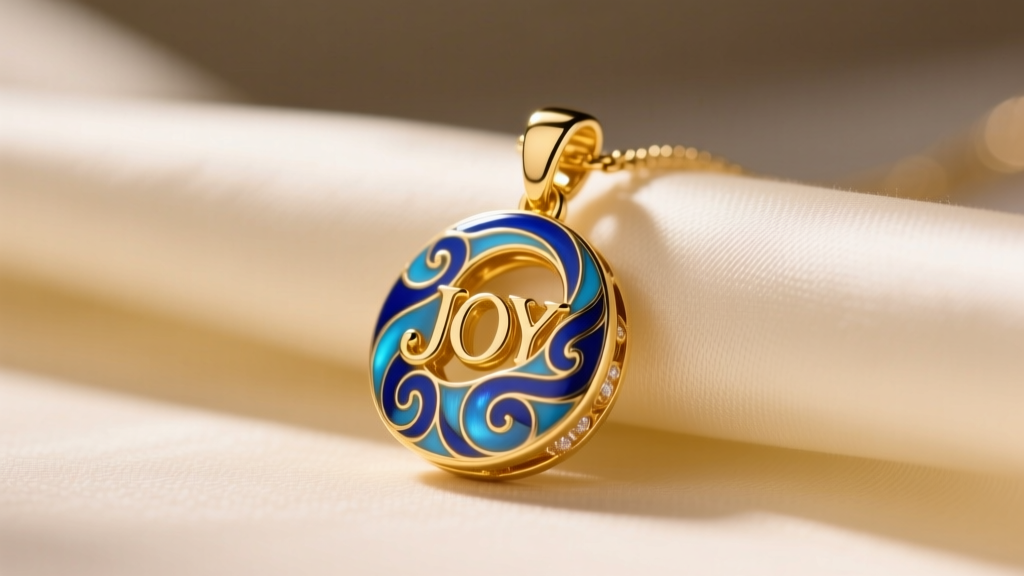
The concept of the joy necklace has evolved dramatically from its early 2020s iterations. What began as a literal, typographic response to global uncertainty—think heavy, block-letter pendants spelling out "JOY" or "AMOUR"—has matured into a sophisticated pillar of 2026's "dopamine jewelry" movement. Today, the joy necklace encompasses both literal word pendants and multi-gemstone, color-drenched pieces designed to trigger a positive psychological response. As a staple in modern neckline styling, understanding the material science, layering mechanics, and investment value of these pieces is essential for any serious jewelry collector.
The Anatomy of the Joy Necklace: Beyond the Literal
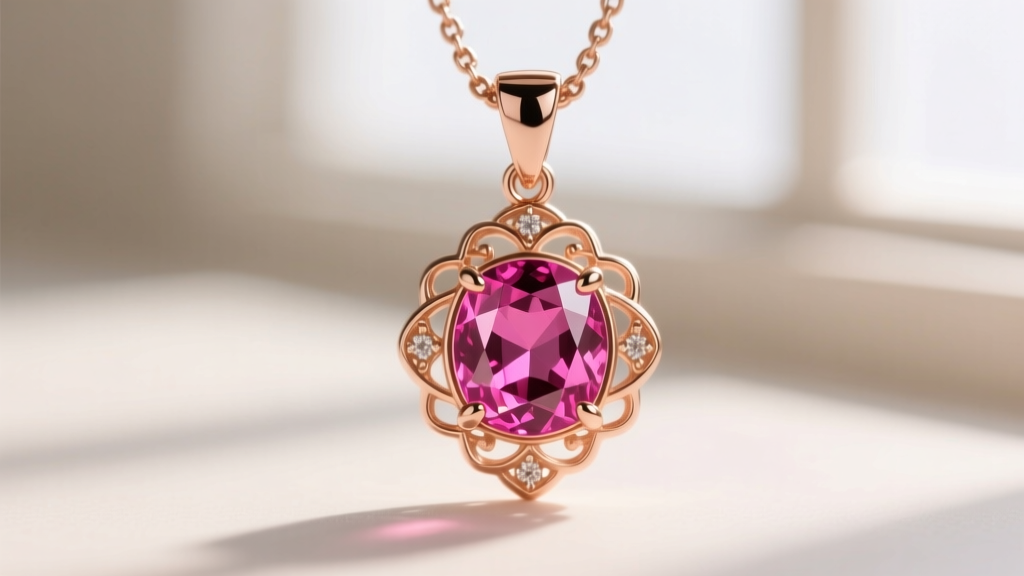
In 2026, the joy necklace operates on two distinct aesthetic frequencies. The first is the Literal Motif, characterized by typographic pendants crafted in high-karat gold and vitreous enamel. The second is the Dopamine Spectrum, which relies on the strategic placement of multi-colored gemstones—such as Paraíba tourmaline, tsavorite garnet, and padparadscha sapphire—to create a vibrant, mood-elevating focal point. According to color psychology principles applied to fashion, high-saturation hues like cobalt, magenta, and citrus yellow stimulate neurological associations with energy and optimism. The modern joy necklace leverages this by abandoning muted, safe neutrals in favor of unapologetic chromatic contrast.
Material & Gemstone Matrix: What Powers the Aesthetic?
Not all joy necklaces are created equal. The market is currently saturated with fast-fashion replicas utilizing cold enamel and synthetic stones, which degrade rapidly. For pieces meant to retain structural integrity and financial value, understanding material grades is non-negotiable. Below is a comparative matrix of the dominant material profiles in the 2026 market.
| Material Profile | Enamel / Gem Type | Mohs Hardness | Price Range (USD) | Best For |
|---|---|---|---|---|
| Heritage Literal | 18k Gold + Vitreous Enamel | 5.5 - 6.5 | $2,400 - $8,500 | Heirloom typographic pendants |
| Luxe Dopamine | 14k/18k Gold + Multi-Sapphire Pavé | 9.0 | $4,500 - $15,000+ | Everyday wear, high scratch resistance |
| Contemporary Resin | Sterling Silver + Cold Enamel | 2.0 - 3.0 | $120 - $450 | Trend-driven, seasonal styling |
| Organic Spectrum | 14k Gold + Bezel-Set Tourmaline | 7.0 - 7.5 | $1,800 - $6,200 | Color-shifting, bespoke joy pendants |
When evaluating multi-gemstone joy necklaces, always request treatment disclosures from the Gemological Institute of America (GIA) or equivalent labs. Many vibrant pink and green tourmalines used in dopamine jewelry are heat-treated or clarity-enhanced, which impacts both their long-term stability under UV light and their resale value.
2026 Layering Frameworks: Styling the Joy Pendant
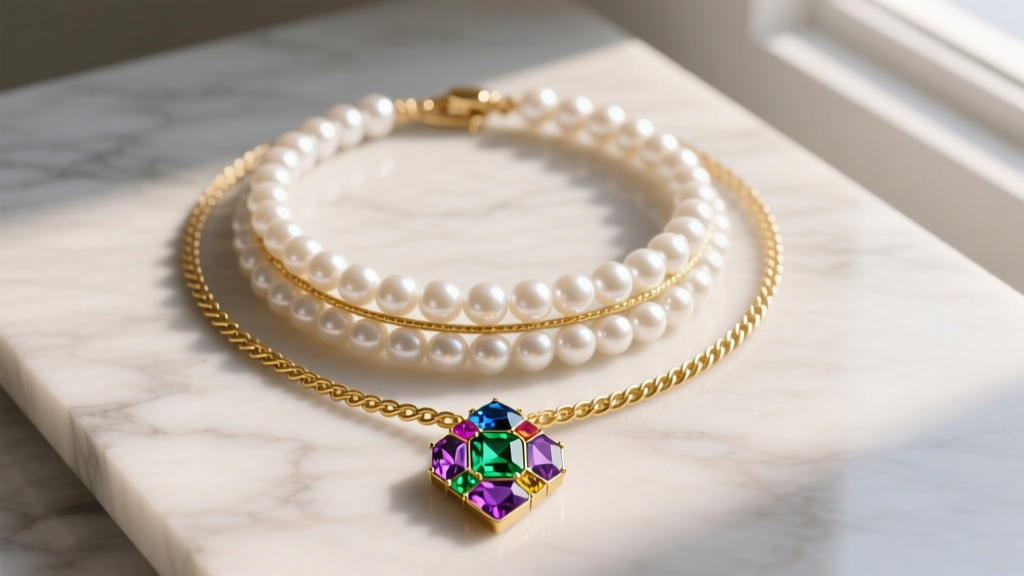
The joy necklace is rarely worn in isolation. Its visual weight demands a structured layering approach to prevent it from looking like a solitary, floating charm. The most effective 2026 styling method is the 3-Tier Dopamine Stack, which balances organic textures with metallic warmth and chromatic focal points.
The 3-Tier Dopamine Stack Blueprint
- Tier 1 (The Anchor): A 14-inch, 4mm freshwater pearl choker. The organic luster of the pearls provides a neutral, light-reflecting base that prevents the colorful joy pendant from clashing with the skin tone.
- Tier 2 (The Bridge): A 16-inch, 1.5mm 14k yellow gold rope chain. The twisted rope texture catches ambient light, adding a vintage metallic bridge between the pearls and the pendant.
- Tier 3 (The Focal Point): An 18-inch or 20-inch joy necklace pendant. Ensure the bail (the loop connecting the pendant to the chain) is at least 14-gauge to accommodate thicker rope or box chains without causing friction wear.
For necklines, this specific 14/16/18-inch stack sits perfectly above a deep V-neck or inside the lapels of a structured blazer, keeping the dopamine-inducing colors directly in the observer's line of sight.
Durability & Failure Modes: The Hidden Risks of Enamel and Soft Stones
While the aesthetic of a literal, enameled joy necklace is undeniable, the material science dictates strict care protocols. Vitreous enamel is essentially glass fused to metal at temperatures exceeding 1,400°F. While it will never yellow or degrade from UV exposure, it is highly susceptible to thermal shock and impact fracturing. Jumping into a cold pool while wearing a sun-heated enamel pendant can cause micro-fractures in the glass matrix, leading to eventual chipping.
Furthermore, if your joy necklace relies on multi-gemstone pavé, pay close attention to the prong settings. According to the GIA Sapphire Encyclopedia, while sapphires are incredibly hard (9 on the Mohs scale), the 14k or 18k gold prongs holding them are not. In a joy necklace featuring 30+ micro-set stones, the cumulative surface area for prong wear is massive. We recommend an annual ultrasonic inspection to ensure the prongs have not been worn down by friction against clothing, which is the primary failure mode for stone loss in pavé dopamine jewelry.
Pricing Tiers & Investment Value
The pricing of a joy necklace is heavily dictated by the complexity of the color palette and the origin of the materials. Entry-level cold enamel pieces from contemporary fashion brands hover between $150 and $400, but these should be treated as disposable accessories; the epoxy resins will inevitably yellow and scratch within 18 months of daily wear.
Mid-tier investment pieces ($1,500 - $4,000) typically feature 14k gold with bezel-set, ethically sourced multi-colored sapphires. Bezel settings are highly recommended over prong settings for joy necklaces worn daily, as the continuous metal rim protects the girdle of the gemstone from lateral impacts. Haute joaillerie interpretations ($10,000+) utilize 18k or 22k gold with complex guilloché enamel work—a technique where the metal is engine-turned before the translucent enamel is applied, creating a mesmerizing, light-catching 3D effect beneath the glass.
Final Verdict: Staple or Fad?
"The joy necklace transcends seasonal fads because it taps into the fundamental human desire for optimism and self-expression through color. When executed with high-integrity materials like vitreous enamel and untreated sapphires, it becomes a permanent fixture in the modern jewelry wardrobe."
Ultimately, the joy necklace in 2026 is less about a fleeting trend and more about a permanent shift toward intentional, mood-boosting styling. By prioritizing vitreous enamel over cold resin, demanding proper gemstone treatment disclosures, and mastering the 3-tier layering stack, you can curate a dopamine-driven neckline that is as structurally resilient as it is visually captivating.


