The Ultimate Beginner’s Guide to Choosing an Elk Ivory Necklace
Discover everything you need to know about elk ivory necklaces, from ethical sourcing and tooth anatomy to styling tips and cord materials.

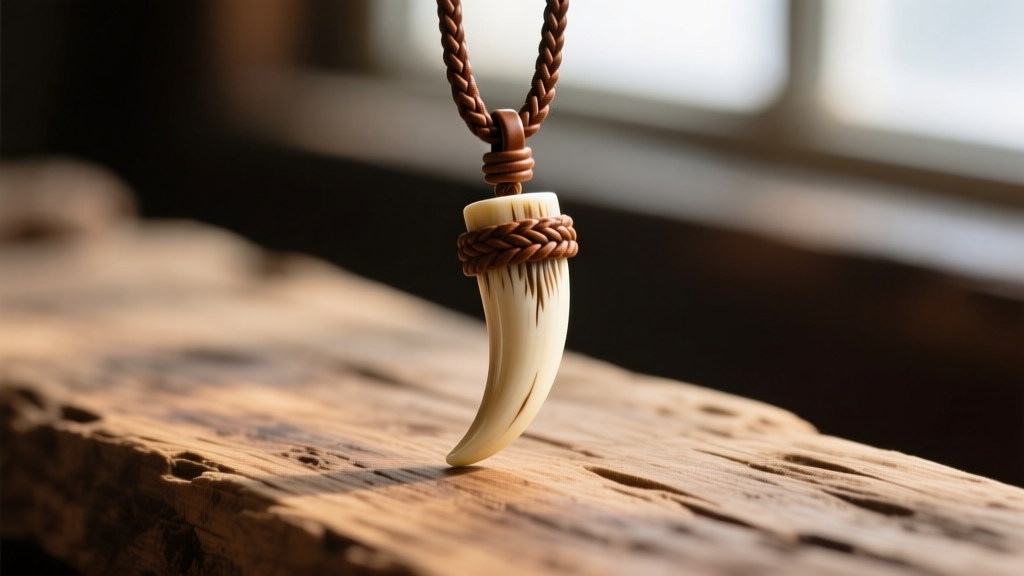
What Exactly is Elk Ivory? Understanding the 'Bugler'
When you hear the term 'ivory,' your mind likely jumps to elephants or walruses. However, in the world of North American outdoor jewelry, an elk ivory necklace holds a uniquely revered status. Elk ivory is not actually ivory in the traditional sense; it is composed of cementum, a dense, calcified tissue that covers the root of a tooth. These teeth are the upper canines, often referred to by hunters and outdoorsmen as 'buglers,' 'whistlers,' or 'eyeteeth.'
Both bull and cow elk possess these teeth, but there is a drastic difference in size and desirability. A mature bull elk's ivories are typically 1 to 1.5 inches long, featuring a broad, flattened crown and a deeply grooved root. Cow elk ivories are significantly smaller, usually under half an inch, and are rarely used for statement pendants. Because bulls use these teeth to strip bark and spar during the rut, the cementum develops a unique, marbled interior grain that becomes breathtakingly apparent once polished.
The Art of Preparation: From Harvest to Pendant
Transforming a raw tooth into a wearable piece of jewelry requires meticulous craftsmanship. If you are buying from an artisan or attempting to prep a harvested tooth yourself, understanding the preparation process is crucial for evaluating quality.
Cleaning and Root Removal
Raw elk teeth are encased in tissue and feature a long, hollow root. The first step involves simmering (never boiling, which causes micro-fractures) the tooth to loosen the periodontal ligament. Artisans then carefully snip or grind away the fragile, hollow root, leaving only the dense, solid crown.
Sanding and Polishing
Cementum is softer than enamel but denser than bone. A high-quality elk ivory necklace will feature a tooth sanded through progressive wet-grits: starting at 400 to remove tool marks, moving to 800 and 1200 for smoothing, and finishing at 2000 or 3000 grit. The final polish is achieved using a jeweler's rouge or specialized bone polish on a felt buffing wheel, yielding a glass-like, translucent finish that highlights the natural marbling.
Ethical Sourcing and Legalities: What Beginners Must Know
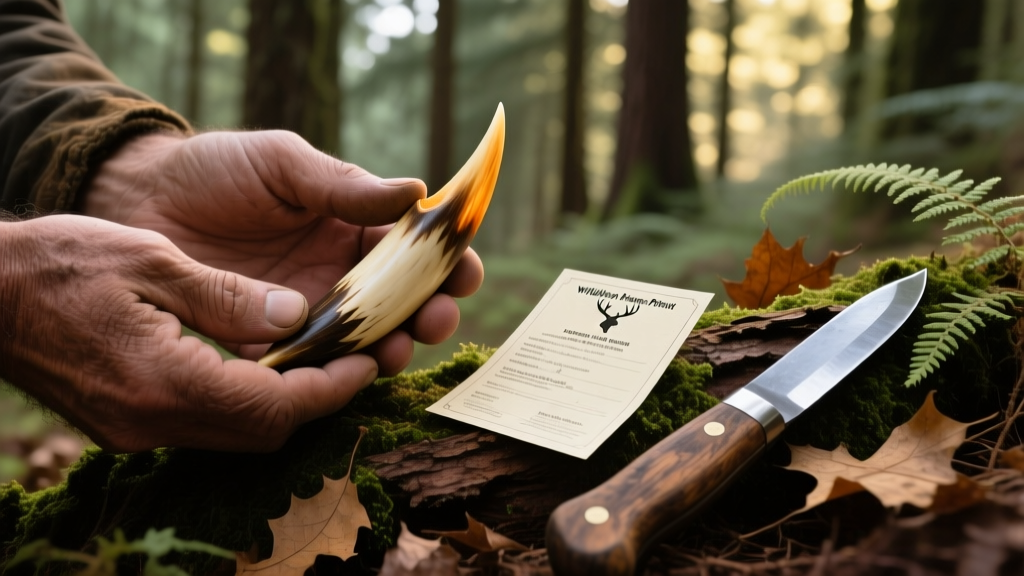
The most critical aspect of purchasing an elk ivory necklace is ensuring its legal and ethical provenance. Because global ivory trade is heavily restricted under CITES (Convention on International Trade in Endangered Species), buyers must be diligent. Fortunately, North American elk (Cervus canadensis) teeth are generally exempt from the strict bans placed on elephant and hippopotamus ivory, but they are still regulated at the state and federal levels.
- Proof of Harvest: Reputable jewelers and artisans will provide documentation or a certificate of authenticity linking the tooth to a legally harvested, state-tagged animal.
- Fair Chase Ethics: Organizations like the Boone and Crockett Club and the Rocky Mountain Elk Foundation champion fair-chase hunting and habitat conservation. Purchasing from artisans who align with these groups ensures your jewelry supports wildlife management rather than poaching.
- State Lines: While generally legal to own and sell across state lines, transporting raw, unworked wildlife parts can sometimes trigger scrutiny. Finished jewelry is almost universally cleared for travel, but always keep your purchase receipt.
Comparing Cord and Setting Materials for Your Pendant
The way the cementum tooth is mounted dramatically alters the necklace's aesthetic, durability, and price point. Below is a breakdown of the most common setting and cord materials used in modern elk ivory jewelry.
| Material / Setting | Durability | Aesthetic Profile | Average Price Range |
|---|---|---|---|
| 2mm Braided Leather | High (if kept dry) | Rustic, traditional, rugged | $40 - $80 |
| 550 Paracord | Very High | Tactical, outdoorsy, casual | $30 - $60 |
| Waxed Cotton Cord | Medium | Minimalist, clean, versatile | $35 - $70 |
| 20-Gauge Sterling Silver Wire Wrap | High (metal) | Elegant, artisanal, premium | $120 - $250+ |
| Sterling Silver Bezel Cast | Very High | Luxury, refined, heirloom | $200 - $400+ |
For beginners, a simple 2mm or 3mm braided leather cord with a drilled hole and a silver or brass bail is the most cost-effective and classic choice. If you opt for wire wrapping, ensure the artisan uses dead-soft 20-gauge or 22-gauge sterling silver, which allows them to tightly bind the grooved base of the tooth without snapping the wire or cracking the cementum.
How to Style and Wear an Elk Ivory Necklace
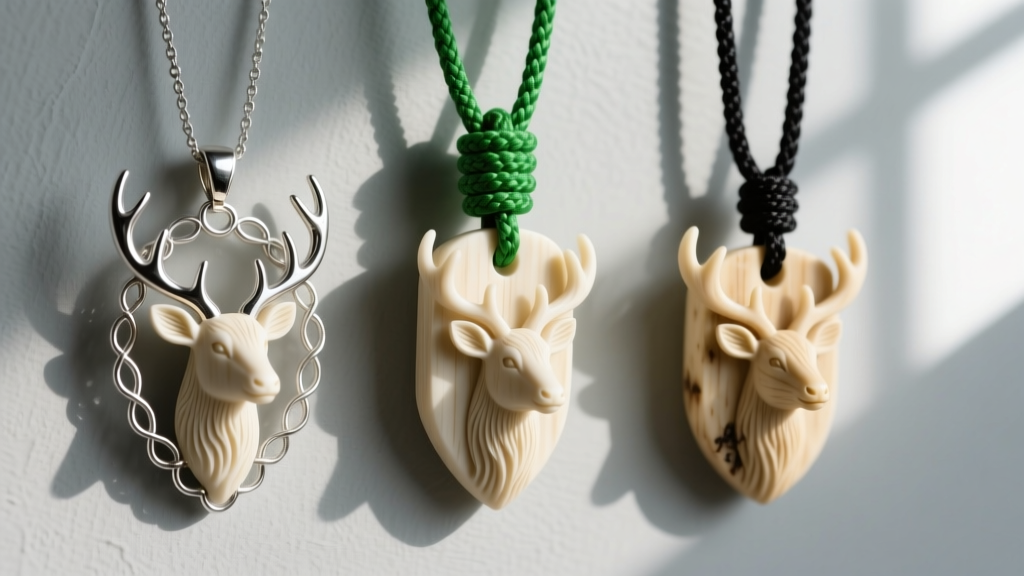
An elk ivory necklace is inherently tied to nature, making it a versatile accessory that bridges the gap between rugged outdoor gear and casual everyday wear.
For Men: Rugged and Rustic
Men typically wear bull elk ivories on thicker leather cords (3mm to 4mm) or olive-drab paracord. The pendant should rest at the sternum (a 24-inch to 28-inch cord length). This placement allows the necklace to be worn visibly over a flannel shirt or henley, or tucked beneath a jacket. Pairing the ivory with natural accents like turquoise, lapis lazuli, or small bone beads on either side of the bail adds a Southwestern or mountain-man flair.
For Women: Elegant and Earthy
Women often opt for wire-wrapped settings or delicate sterling silver chains (18-inch to 20-inch lengths) that allow the pendant to rest on the collarbone. Because cow ivories are very small, many women choose smaller bull ivories or pair a single, polished bull tooth with a silver halo setting. This elevates the piece from a hunting trophy to a sophisticated, earthy statement piece that pairs beautifully with linen, denim, and bohemian silhouettes.
Care and Maintenance: Preserving the Cementum
Unlike gemstones or precious metals, elk ivory is an organic material. It is porous, reactive to humidity, and susceptible to temperature shocks. To ensure your necklace lasts a lifetime, adhere to these strict care guidelines:
- Avoid Water Immersion: Never shower or swim with your necklace. Prolonged water exposure can cause the leather cord to rot and the cementum to absorb moisture, leading to swelling and eventual cracking when it dries.
- Temperature Control: Do not leave your necklace on the dashboard of a hot car or near a radiator. Rapid moisture loss will cause the tooth to split along its natural grain lines.
- Conditioning: Once or twice a year, rub a microscopic amount of food-grade mineral oil or natural beeswax into the tooth. This prevents the cementum from drying out and maintains its warm, translucent patina.
- Embrace the Patina: Over time, the bright white polish will naturally mellow into a warm, creamy yellow. This is a highly desired effect among collectors and proves the authenticity of the organic material.
Expert Tip: If your elk ivory necklace develops a small surface scratch, do not use harsh chemical polishes. Instead, use a tiny dab of non-gel toothpaste on a soft microfiber cloth to gently buff the scratch out, followed by a rinse and a light application of mineral oil.
Identifying Fakes: Resin, Bone, and Plastic
As the popularity of outdoor jewelry grows, so does the market for counterfeits. Mass-produced 'elk ivory' pendants made from dyed resin or carved cattle bone are common in tourist shops. True elk cementum has a distinct, cloudy marbling that is impossible to perfectly replicate in resin. Furthermore, bone is highly porous and features tiny, dark vascular channels (Haversian canals) that are absent in the dense, solid structure of an elk's canine tooth. Always buy from reputable artisans who guarantee the origin of their materials, ensuring your necklace is a genuine piece of North American wildlife history.


