The Dez Machado Necklace: A Beginner's Guide to Custom Luxury
Discover everything about the iconic Dez Machado necklace. Learn about materials, pricing, and how to style custom luxury chains for beginners.

Understanding the Dez Machado Aesthetic
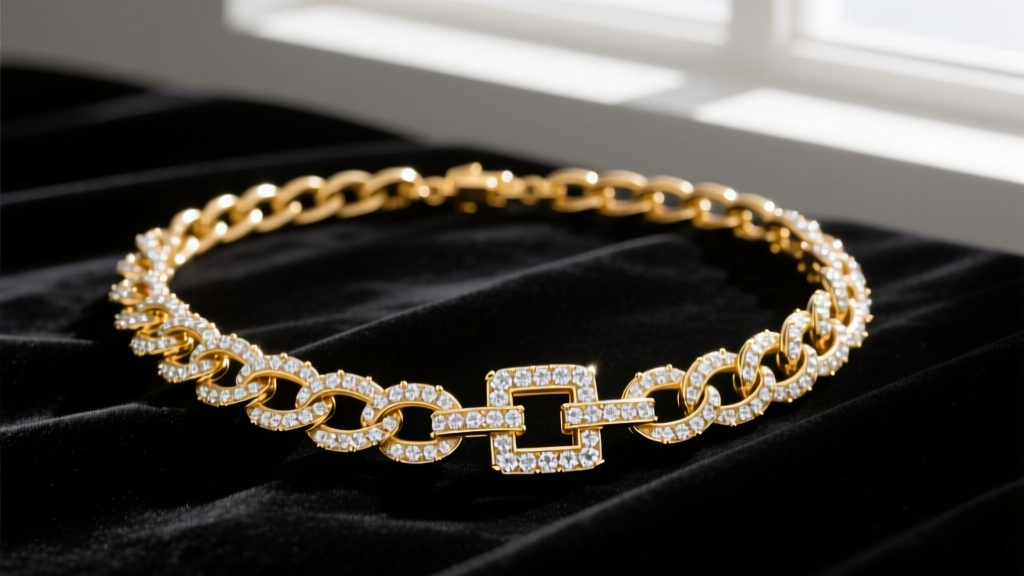
When you enter the world of high-end custom jewelry, few names command the same immediate respect as Dez Machado. Known for outfitting hip-hop royalty, elite athletes, and streetwear connoisseurs, a Dez Machado necklace is not just an accessory; it is a masterclass in structural engineering and luxury design. For beginners looking to invest in their first major piece of custom body jewelry, understanding what separates a true Machado creation from a mass-produced imitation is critical. This guide breaks down the metallurgy, stone grading, and design mechanics that define these iconic chains in 2026.
The signature Machado aesthetic bridges the gap between aggressive streetwear silhouettes and meticulous fine jewelry finishing. While many commercial jewelers prioritize speed and low karat gold to cut costs, custom pieces focus on heavy gram weights, seamless link articulation, and flawless stone setting. Whether you are eyeing a classic iced-out Cuban link or a bespoke tennis chain, knowing the technical specifications will protect your investment and elevate your personal style.
Metallurgy and Gold Purity Standards
The foundation of any luxury chain is its metal. In the custom jewelry space, you will predominantly encounter 14k and 18k gold. While 18k gold (75% pure gold) offers a richer, deeper yellow hue, it is inherently softer. For a heavy, diamond-encrusted Cuban link chain that will be worn daily, 14k gold (58.5% pure gold) is often the superior choice. The higher alloy content—typically mixed with silver, copper, and zinc—provides the tensile strength necessary to support the weight of the chain and the tension of the stone settings without warping over time.
A standard 12mm Cuban link chain at a 20-inch length should weigh between 130 and 150 grams in solid gold. If a piece feels suspiciously light, it may be hollowed out or heavily plated over a base metal like brass. Always request the exact gram weight from the jeweler before purchasing. According to the American Gem Society (AGS), proper alloy mixing not only dictates the durability of the piece but also ensures the metal is hypoallergenic, preventing the skin irritation often caused by cheap nickel alloys found in lower-tier chains.
Stone Grading: Natural vs. Lab-Grown vs. Moissanite
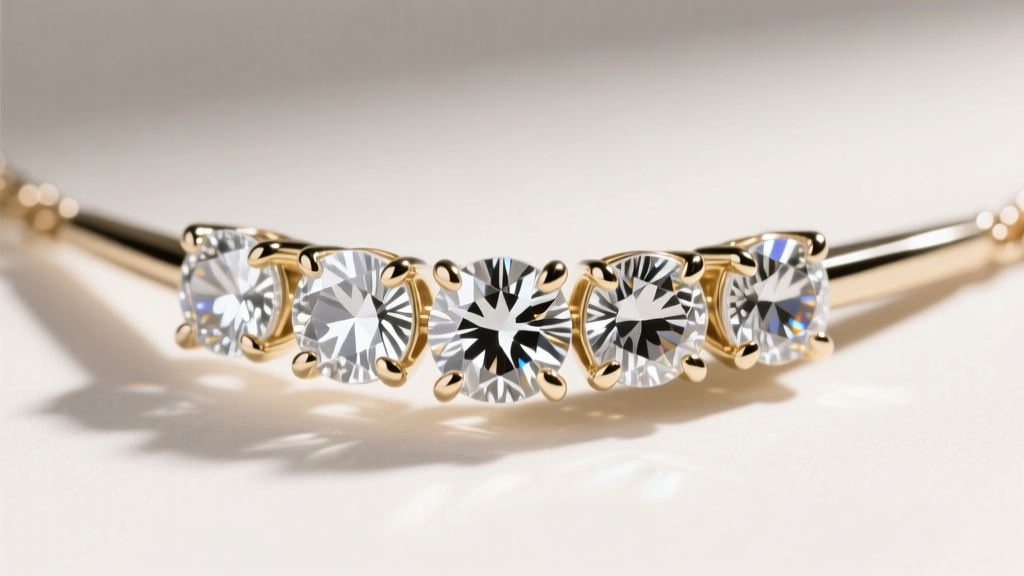
The "ice" on a Dez Machado necklace is where the true artistry shines. In 2026, the market has decisively shifted, with top-tier custom jewelers frequently utilizing high-grade lab-grown diamonds and premium moissanite alongside natural stones. Understanding the difference is vital for budgeting and setting expectations.
The Clarity and Color Matrix
For a chain to have that signature blinding sparkle, the stones must be meticulously matched. The Gemological Institute of America (GIA) notes that clarity refers to the absence of inclusions and blemishes. Custom chains typically utilize VVS1 or VVS2 (Very, Very Slightly Included) stones. At this grade, inclusions are microscopic and completely invisible to the naked eye, ensuring uninterrupted light return across the entire chain.
- Natural VVS Diamonds: The pinnacle of luxury. Expect to pay a massive premium for earth-mined stones with top-tier color (D-F) and clarity.
- Lab-Grown Diamonds: Chemically and optically identical to natural diamonds. They offer the exact same hardness (10 on the Mohs scale) and brilliance but at a fraction of the cost, making them the current industry standard for heavy custom chains.
- Moissanite (DEF Color): A silicon carbide gemstone that actually exhibits more "fire" (colorful light dispersion) than a diamond. High-quality DEF color moissanite is virtually colorless and provides an incredibly aggressive sparkle, perfect for beginners wanting maximum visual impact on a stricter budget.
The Engineering of the Hidden Box Clasp
One of the most defining features of a high-end custom necklace is the clasp. A standard lobster clasp is entirely inappropriate for a heavy, iced-out chain; it is a structural weak point that will eventually snap under the chain's own weight. Instead, a true Dez Machado necklace utilizes a custom hidden box clasp with double safety latches.
This mechanism features a tongue-and-groove design where a folded metal tab clicks securely into a reinforced box. Once closed, the clasp is designed to mimic the exact width and stone pattern of the surrounding links, creating the illusion of a continuous, unbroken chain. The double safety latches—small hinged arms that snap over the sides of the box—provide redundant security. If the primary tongue mechanism were to fail, the safety latches will hold the chain securely to your neck. When inspecting a piece, always test the safety latches; they should snap shut with a firm, audible click and require deliberate fingernail pressure to release.
Pricing Tiers and Investment Framework
Navigating the pricing of custom jewelry can be daunting for beginners. The cost is dictated by three main variables: the current spot price of gold, the total gram weight, and the quality/carats of the stones. Below is a realistic pricing framework for a standard 20-inch, 10mm Cuban link chain in the current market.
| Material Configuration | Estimated Gram Weight | Stone Quality | Approximate Price Range |
|---|---|---|---|
| 14k Solid Gold + Moissanite | 90g - 110g | DEF Color, Excellent Cut | $4,500 - $7,000 |
| 14k Solid Gold + Lab-Grown | 90g - 110g | VVS1 Clarity, E-F Color | $12,000 - $18,000 |
| 18k Solid Gold + Natural | 100g - 120g | VVS2 Clarity, D Color | $35,000 - $55,000+ |
Note: Prices fluctuate based on the daily gold spot market and the specific complexity of the custom clasp or pendant integration.
Layering and Styling Framework
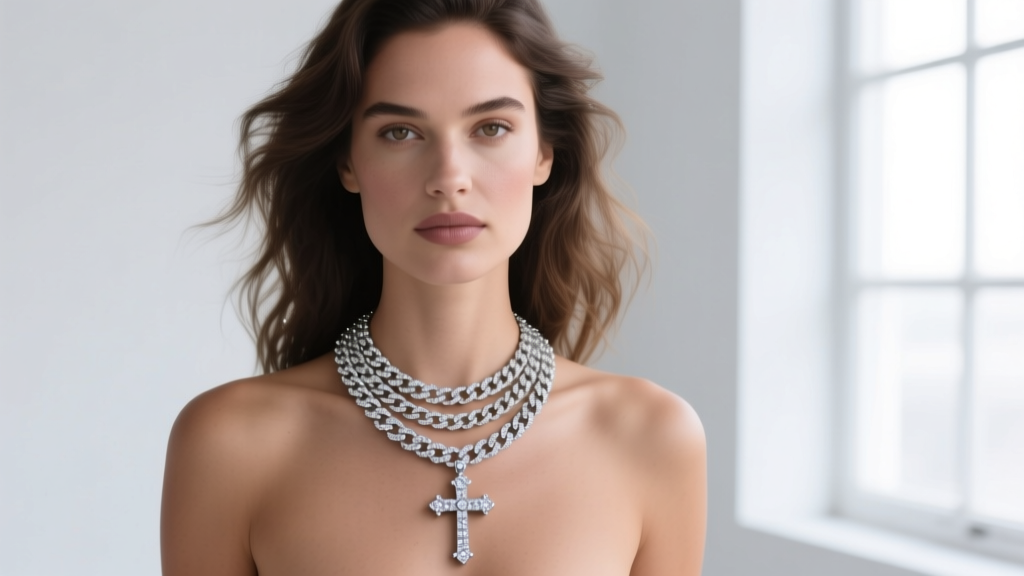
A Dez Machado necklace is a statement piece, but knowing how to style it separates the amateurs from the connoisseurs. The golden rule of layering heavy chains is to maintain a minimum two-inch difference in length between each piece to prevent the clasps from tangling and the links from grinding against one another.
The Classic Two-Piece Stack
For a beginner-friendly stack that works with almost any neckline, pair a 20-inch 10mm or 12mm iced Cuban link with a 24-inch tennis chain or a custom pendant. The Cuban sits squarely on the collarbone, providing a thick, textured base, while the longer tennis chain or pendant draws the eye downward, creating a flattering V-shape that elongates the neck. If you are wearing a pendant on the longer chain, ensure the bail (the loop that holds the pendant) is wide enough to slide smoothly over the stones of the chain without catching.
"Never layer two chains of the exact same width and link pattern. The friction will cause premature wear on the prongs and gold links. Always contrast the texture—a Cuban with a Tennis, or a Rope with a Pendant."
Authentication and Buying Safely
As the demand for custom luxury chains has exploded, so has the market for high-quality counterfeits. When purchasing a Dez Machado necklace or any comparable bespoke piece, never rely solely on a brand engraving. Instead, perform a physical inspection. Use a 10x jeweler's loupe to examine the prongs holding the stones; they should be perfectly rounded, uniform, and securely gripping the girdle of each stone. Check the inside of the clasp for a stamped hallmark (e.g., "14K" or "585") and the maker's mark. Finally, always request a detailed video certificate under natural lighting to verify the stone brilliance and ensure no stones are loose or rattling within their settings. By focusing on these tangible metrics, you can confidently invest in a piece of custom jewelry that will last a lifetime.


