D&G Necklace Materials: Brass, Gold & Enamel Compared
Explore the material properties of a D&G necklace. We compare brass, gold plating, and enamel durability, pricing, and care for fashion and fine lines.

The Anatomy of a D&G Necklace: Fashion vs. Fine Jewelry
When investing in luxury maximalist jewelry, understanding the metallurgy and material science behind the pieces is just as important as the aesthetic appeal. A D&G necklace is globally recognized for its bold Sicilian motifs, religious iconography, and opulent crystal embellishments. However, as of 2026, the brand operates two distinct jewelry tiers: the Fashion Jewelry (costume) line and the Fine Jewelry line. The material properties, longevity, and care requirements differ drastically between the two.
The Fashion Jewelry line, which includes the iconic Sicilian Cart and Devotion collections, primarily relies on gold-tone brass, cold enamel, and Swarovski or custom-cut glass crystals. Conversely, the Fine Jewelry line utilizes solid 18k gold, palladium, and natural diamonds. This guide provides a deep-dive material comparison to help you understand exactly what you are wearing, how the metals will age, and how to prevent common structural failures.
Base Metals: Brass Alloys and Plating Thickness
The foundation of almost every D&G fashion necklace is a copper-zinc (Cu-Zn) brass alloy. Brass is chosen for its excellent castability, allowing for the intricate, heavy baroque detailing that Dolce & Gabbana is famous for. However, raw brass oxidizes rapidly and can cause skin discoloration. To combat this, D&G employs a multi-layer plating process.
The Plating Stack and EU REACH Compliance
High-end fashion houses must adhere to strict dermatological safety standards. D&G necklaces are manufactured to comply with the European Chemicals Agency (ECHA) REACH regulations, which mandate that nickel release must not exceed 0.5 µg/cm²/week. To achieve this, the brass base is first coated with a palladium or titanium barrier layer before receiving the final gold-tone finish.
- Flash Plating: Less than 0.1 microns thick. Rarely used by D&G due to poor durability.
- Standard Micron Plating: 0.5 to 1.0 microns. Used on standard seasonal fashion pieces. Offers 1–3 years of moderate wear before the brass underlayer risks exposure.
- PVD (Physical Vapor Deposition): Used on heavier, permanent-collection chains. PVD creates a molecular bond that is highly resistant to sweat and friction, extending the lifespan of the gold-tone finish significantly.
Chain Styles and Link Integrity
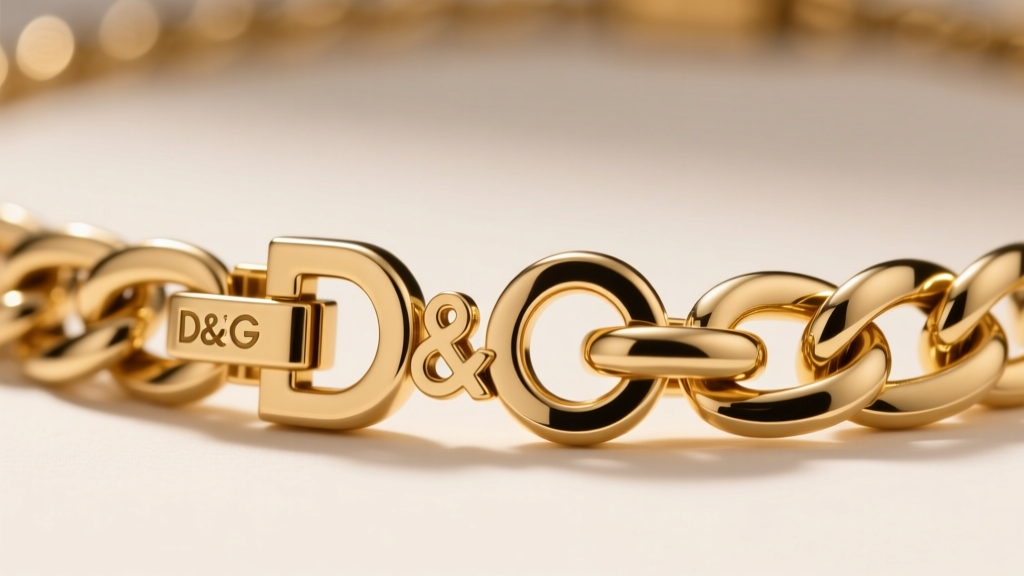
The structural integrity of a D&G necklace heavily depends on the chain style. The brand frequently utilizes heavy curb chains and maglieria (knitted/woven) links. Because brass has a higher tensile strength (approximately 300–500 MPa) compared to pure 24k gold, fashion jewelry chains can support the massive weight of crystal-encrusted pendants without stretching. However, the solder points on the jump rings remain the primary vulnerability. Repeated torsion stress from putting the necklace on and taking it off can cause metal fatigue at the clasp connection point.
Embellishments: Cold Enamel vs. Vitreous Glass
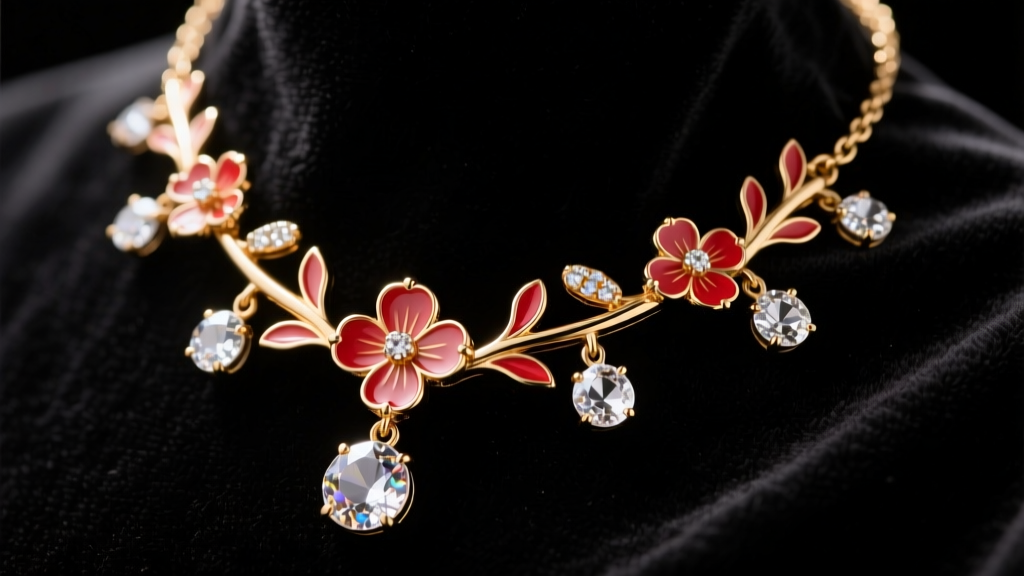
The vibrant reds, greens, and blues seen in D&G's floral and heart motifs are typically achieved using cold enamel (epoxy resin), rather than traditional kiln-fired vitreous enamel. Understanding the material properties of cold enamel is crucial for long-term maintenance.
| Property | Cold Enamel (Epoxy Resin) | Vitreous Enamel (Fused Glass) |
|---|---|---|
| Mohs Hardness | 2.0 - 3.0 (Prone to scratching) | 5.0 - 6.0 (Highly scratch-resistant) |
| Impact Resistance | High (Flexible, rarely shatters) | Low (Brittle, will chip or shatter) |
| UV Stability | Moderate (Can yellow over 5+ years) | Perfect (Color never fades) |
| Application Temp | Cured at room temp or low heat | Fired at 750°C - 850°C |
Because D&G uses cold enamel on brass bases, the resin can flex slightly with the metal. However, exposure to harsh chemicals like chlorine, bleach, or high-alcohol perfumes will degrade the epoxy matrix, causing it to cloud or lift from the metal setting.
The Fine Jewelry Tier: 18k Gold and Precious Stones
For collectors seeking heirloom-grade materials, the D&G Fine Jewelry line transitions away from brass entirely. These pieces are cast in solid 18k gold (750 purity), which consists of 75% pure gold alloyed with copper, silver, or palladium to achieve yellow, rose, or white hues. According to the Gemological Institute of America (GIA), 18k gold offers the ideal balance between the rich color of pure gold and the structural durability required for daily wear.
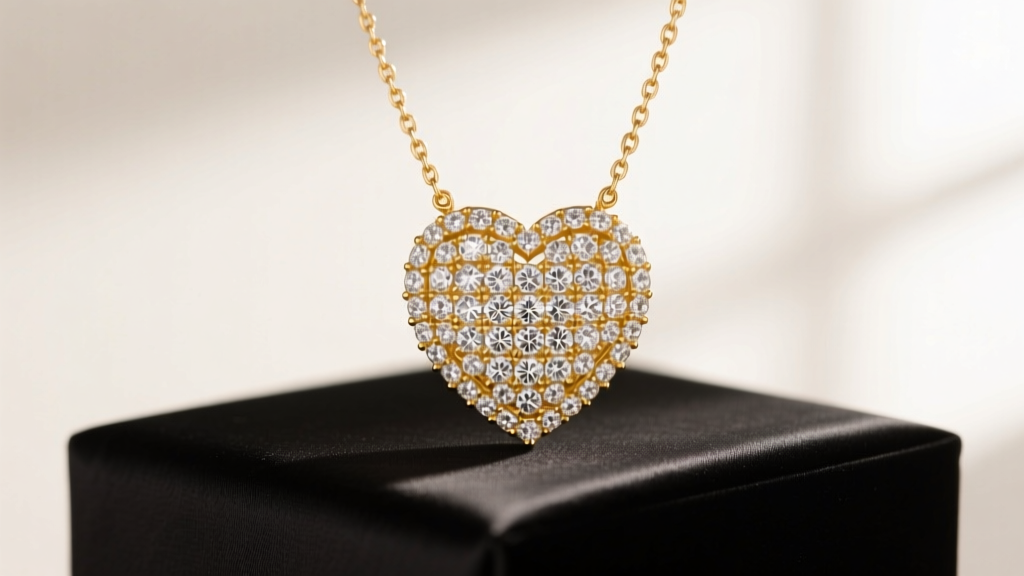
In the fine jewelry Devotion line, the cold enamel is often replaced by carved hardstones (like onyx or malachite) or pavé-set natural diamonds. The pricing reflects this material upgrade: while a fashion brass necklace ranges from $600 to $1,800, an 18k gold and diamond D&G necklace commands between $4,500 and $25,000+, depending on carat weight and complexity.
Troubleshooting Common Material Failures
Even luxury fashion jewelry requires meticulous care. Based on common structural issues reported by jewelers and collectors, here is how to troubleshoot and prevent material failures in your D&G fashion necklaces:
1. Base Metal Oxidation (Green Skin)
If the gold plating wears thin at the nape of the neck (a high-friction zone), the underlying brass will react with the acidity and salts in your sweat, creating copper chloride. This results in a green residue on the skin. Solution: Apply a micro-thin layer of clear jewelry shield or Renaissance Wax to the back of the chain to create a temporary moisture barrier, or have a local jeweler apply a fresh 1-micron layer of 24k gold plating.
2. Crystal Fogging and Adhesive Failure
The Swarovski and glass crystals are typically set using a two-part jeweler's epoxy rather than metal prongs. Exposure to ultrasonic cleaners or hot water will melt the adhesive and cause the stones to pop out or fog from moisture trapped underneath. Solution: Never submerge a crystal-heavy D&G necklace. Clean only with a dry, ultra-soft microfiber cloth and a gentle sweep of a makeup brush to remove dust from the settings.
3. Lobster Clasp Spring Fatigue
The heavy weight of maximalist pendants puts constant tension on the tiny steel spring inside the brass lobster clasp. Over time, the spring can lose its temper (elasticity). Solution: Always store the necklace unclasped and laid flat. If the clasp becomes stiff or fails to snap shut, do not force it; the internal spring has likely corroded or snapped, requiring a professional clasp replacement.
"The longevity of luxury fashion jewelry is dictated not by the brand name, but by the wearer's understanding of the chemical limitations of plated brass and epoxy resins." — Master Jeweler's Bench Guide, 2025 Edition.
Conclusion
A D&G necklace is a statement of art, culture, and maximalist design. Whether you are purchasing a gold-plated brass piece from the seasonal fashion collection or investing in a solid 18k gold fine jewelry heirloom, understanding the material properties ensures your piece remains vibrant. By respecting the Mohs hardness of cold enamel, protecting the micron-thin gold plating from acidic friction, and storing heavy chains properly to preserve clasp tension, your jewelry will continue to reflect the opulent heritage of the Dolce & Gabbana maison for years to come. For more information on current collections and material specifications, you can always refer to the Dolce & Gabbana Official Jewelry Collections page.


