The Ultimate Motorcycle Necklace Buying Guide for 2026
Discover how to choose the perfect motorcycle necklace in 2026. Compare materials, chain styles, and pendant weights for durable, everyday biker jewelry.

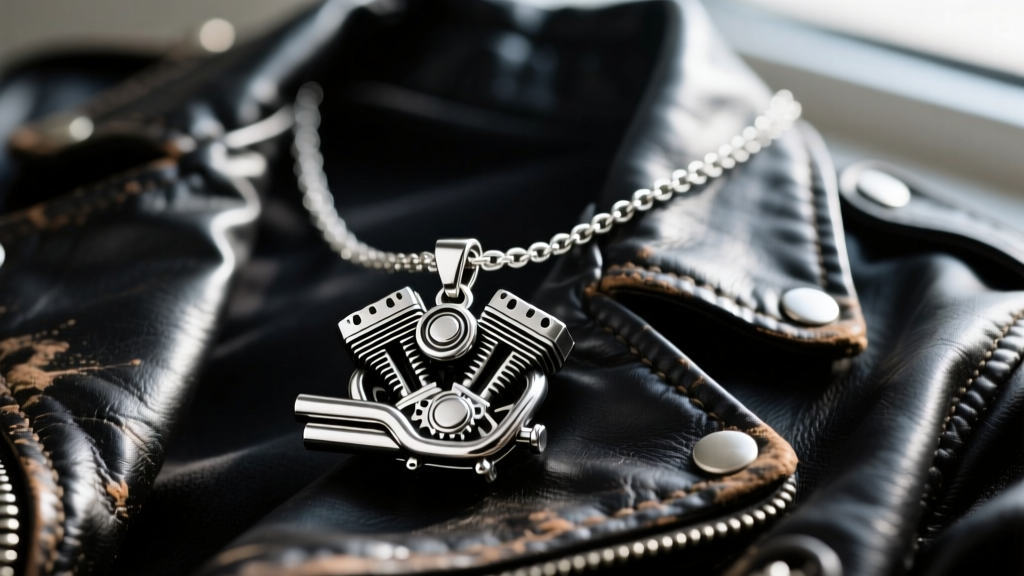
The Anatomy of Biker Jewelry: Why Durability Matters
When you are investing in a motorcycle necklace, you are not just buying an accessory; you are acquiring a piece of gear that must withstand the rigors of the road. Biker jewelry faces unique environmental stressors that standard fashion jewelry simply never encounters. High-speed wind debris, constant vibration, extreme temperature fluctuations, and exposure to sweat, rain, and exhaust fumes all take a toll on metals and clasps. In 2026, the market for motorcycle-themed pendants and chains has evolved, offering advanced metallurgy and precision-engineered clasps designed specifically for riders. This comprehensive buying guide will break down the exact material grades, chain gauges, and structural mechanics you need to look for to ensure your biker jewelry survives the open road.
Material Science: Choosing the Right Metal for the Ride
The longevity of your motorcycle necklace is entirely dependent on its base metal. According to the FTC Jewelry Guides, understanding metal purity and alloy composition is critical for consumers seeking durable goods. Here is how the top three metals perform in a riding environment:
316L Surgical Stainless Steel
For most riders, 316L stainless steel is the undisputed champion. Unlike standard 304 stainless steel, the 'L' stands for low carbon, and this grade includes a 2-3% molybdenum addition. This specific alloying element drastically increases resistance to pitting and corrosion from chlorides (like sweat and sea air) and industrial solvents. A 316L motorcycle pendant will not tarnish, rust, or turn your skin green, making it a zero-maintenance option for daily riding. Expect to pay between $40 and $120 for high-quality, solid 316L pieces.
925 Sterling Silver
Sterling silver offers a premium, classic aesthetic with a brilliant white luster that pairs beautifully with chrome motorcycle parts. However, pure silver is too soft for jewelry, so it is alloyed with 7.5% copper to create 925 sterling silver. The Gemological Institute of America (GIA) notes that this copper content makes sterling silver susceptible to tarnishing when exposed to sulfur and moisture. If you choose a sterling silver motorcycle necklace, look for pieces that feature a thick rhodium plating. Rhodium is a platinum-group metal that provides a hard, tarnish-resistant barrier. Budget $150 to $400 for authentic, rhodium-plated sterling silver biker pendants.
Grade 5 Titanium (Ti-6Al-4V)
If you want the ultimate lightweight and hypoallergenic option, Grade 5 titanium is an aerospace-grade alloy that is incredibly strong yet weighs nearly half as much as steel. Titanium will not react with your skin or the elements, but it is notoriously difficult to cast and machine, which drives up the cost. Titanium motorcycle necklaces are niche, highly specialized items, often ranging from $250 to over $600.
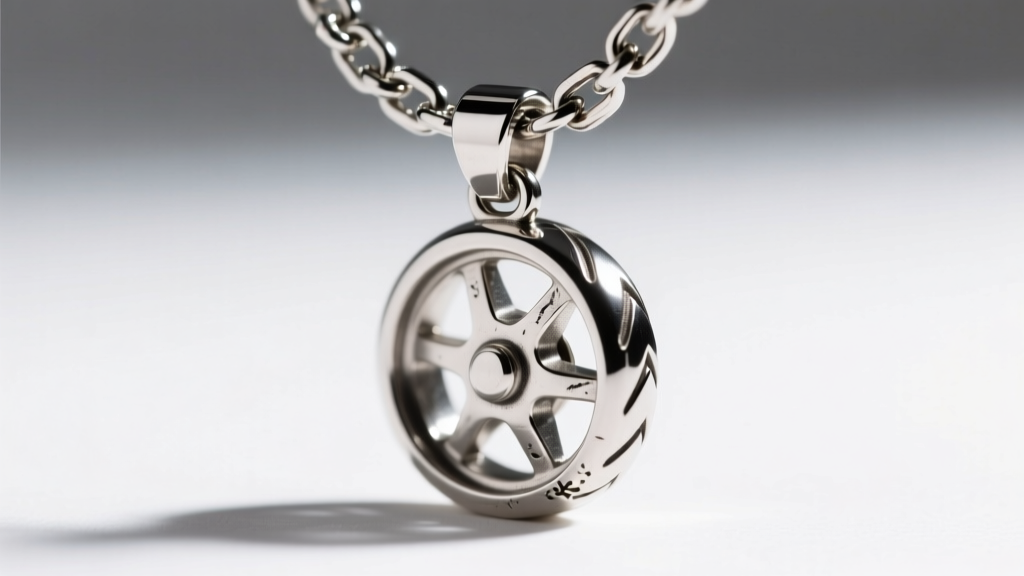
Chain Gauges and Link Styles: Engineering for Tensile Strength
A heavy motorcycle pendant—such as a solid metal V-twin engine, a skull, or a detailed piston—can easily weigh between 30 and 60 grams. If your chain is too thin, the constant bouncing against your chest while riding will eventually cause the links to stretch, warp, or snap. For biker jewelry, you should never go below a 4mm chain width, with 6mm to 8mm being the optimal range for heavy pendants.
- Cuban Link Chains: The gold standard for motorcycle necklaces. The interlocking, flat-surfaced oval links distribute weight evenly and resist twisting. A 6mm solid Cuban link offers exceptional tensile strength and lays flat against the chest, reducing the chance of snagging on riding gear.
- Figaro Chains: Featuring a pattern of two or three short links followed by one long link, Figaro chains offer a classic, vintage biker aesthetic. Ensure the links are soldered (closed with a weld) rather than simply bent shut, as unsoldered links will pull apart under the weight of a heavy pendant.
- Rope Chains: Twisted links create a spiral effect that mimics the look of a braided steel cable. While visually striking and very strong, the deep grooves in rope chains can trap road grime, grease, and sweat, requiring more frequent ultrasonic cleaning.
- Braided Leather Cords: For a more rugged, understated look, a 4mm to 6mm braided leather cord with a stainless steel end-cap is a popular choice. However, leather degrades with prolonged exposure to sweat and UV light. Plan to replace leather cords every 12 to 18 months if worn daily.
The Critical Mechanics: Bails and Clasps
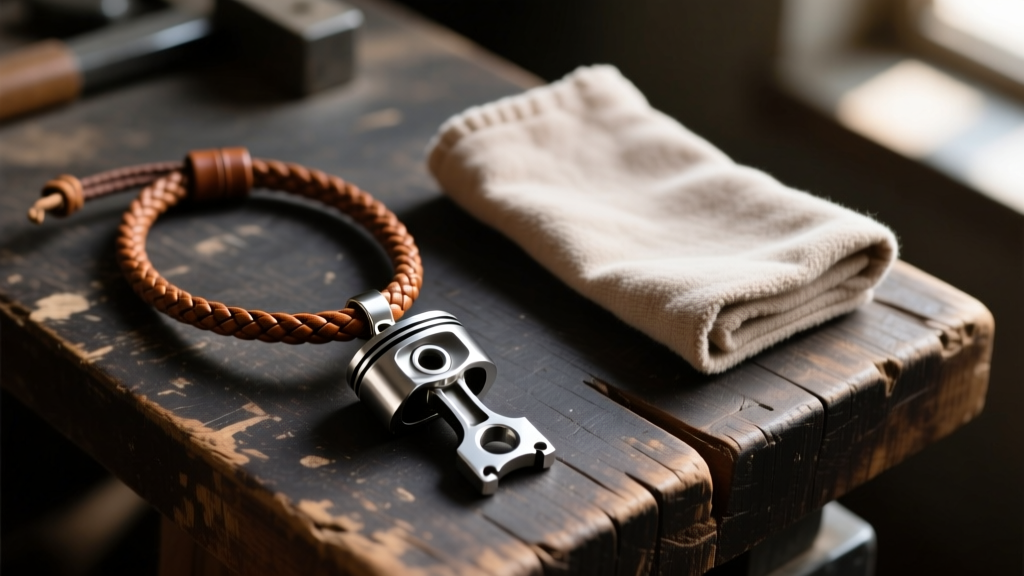
The failure point of most motorcycle necklaces is not the chain itself, but the connections. The bail is the loop that connects the pendant to the chain. On cheap jewelry, bails are glued or lightly pressed onto the pendant. For a motorcycle necklace, the bail must be fully soldered or cast as a single solid piece with the pendant. A heavy piston pendant swinging at 70 mph will easily rip a glued bail right off the metal.
When it comes to clasps, your choice dictates both security and ease of use, especially when you are wearing riding gloves:
| Clasp Type | Security Level | Glove Friendliness | Best Use Case |
|---|---|---|---|
| Lobster Clasp | High | Low | Everyday wear; requires bare hands to operate the small spring lever. |
| Toggle Clasp | Medium | High | Heavy chains; easy to slide the bar through the ring while wearing thick leather gloves. |
| Magnetic Clasp | Low-Medium | High | Lightweight pendants only; strong neodymium magnets can fail under heavy bouncing. |
| Box Clasp with Safety | Very High | Medium | Premium, heavy-duty chains; features a fold-over safety latch for maximum security. |
Helmet Friction and Riding Ergonomics
One of the most overlooked aspects of buying a motorcycle necklace is how it interacts with your safety gear. When you strap on a DOT or ECE-certified full-face or modular helmet, the chin strap and the bottom shell of the helmet create a friction zone right at the base of your throat. If your necklace chain is too long (e.g., 24 inches or more), the pendant will swing freely and violently strike your sternum or the inside of your leather jacket at high speeds.
For optimal riding ergonomics, choose a chain length between 18 and 20 inches. This keeps the pendant resting securely on the upper chest, minimizing pendulum motion. Additionally, avoid pendants with sharp, protruding edges or loose gemstones. A jagged metal wing or a poorly set onyx stone can scratch your helmet's interior padding or catch on the collar of your jacket, potentially becoming a hazard in the event of a slide.
Maintenance: Keeping Your Gear Road-Ready
Even the most durable 316L stainless steel motorcycle necklace requires basic maintenance to maintain its finish. Road film—a microscopic layer of exhaust soot, brake dust, and asphalt oils—will eventually coat your jewelry, dulling its shine.
Once a month, soak your metal chain and pendant in a bowl of warm water mixed with a few drops of mild, ammonia-free dish soap. Use a soft-bristled toothbrush to gently agitate the links and the crevices of the pendant. Rinse thoroughly with distilled water to prevent hard water spots, and dry completely with a microfiber cloth. Avoid harsh chemical dip cleaners or bleach, as these can degrade the protective oxide layer on stainless steel and strip rhodium plating from sterling silver.
Final Thoughts on Choosing Your Biker Jewelry
A motorcycle necklace is a badge of honor, reflecting your passion for the machine and the freedom of the ride. By prioritizing 316L stainless steel or rhodium-plated sterling silver, insisting on a minimum 6mm chain gauge, and verifying that your bails and clasps are mechanically sound, you ensure that your jewelry will outlast the miles. Ride safe, and let your gear reflect the quality of your machine.


