The Ultimate Care Guide for Your Lariat Style Necklace
Learn expert cleaning and maintenance tips for your lariat style necklace. Prevent tangles, fix sliding clasps, and restore shine to Y-drop chains.

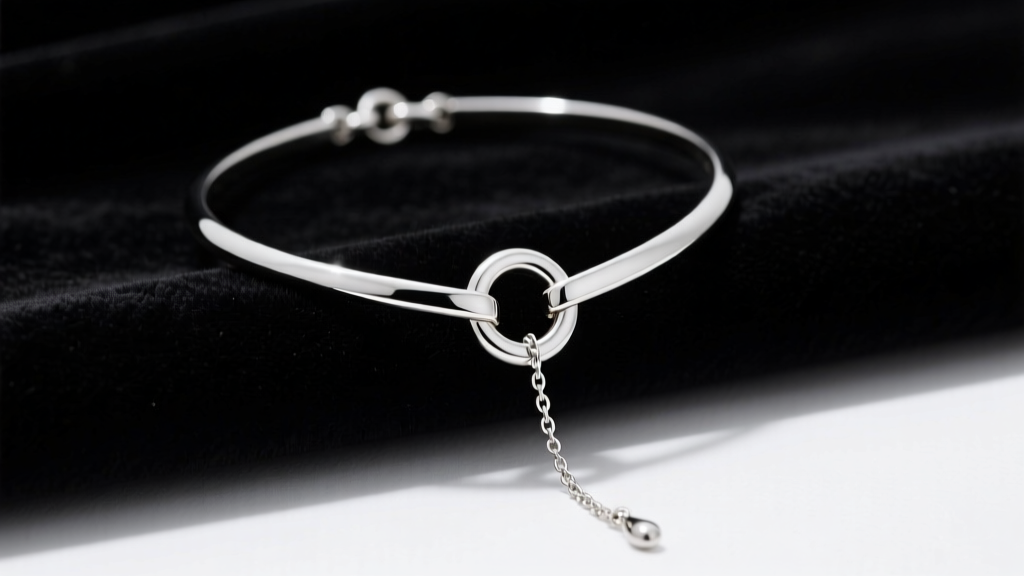
The Anatomy of a Lariat: Why It Needs Special Care
The lariat style necklace is a masterpiece of kinetic jewelry design. Unlike standard clasped chains, a lariat relies on gravity, friction, and a Y-shaped drop to create its signature elongating silhouette. However, this unique architecture introduces specific failure modes that standard necklaces do not face. The independent movement of the Y-drop chain makes it highly susceptible to tangling, while the sliding mechanism—whether a silicone O-ring or a metal friction bead—endures constant mechanical wear against the chain links.
Furthermore, the drop section of a lariat is typically crafted from delicate chain styles, such as 0.9mm cable or 1.2mm snake chains, to maintain a fluid drape. These finer gauges are inherently more fragile than the 1.5mm to 2.0mm chains used for standard pendants. Understanding the mechanical stress points of your lariat style necklace is the first step toward implementing a care routine that preserves both its structural integrity and its aesthetic brilliance.
Daily Wear & Prevention: Stopping Tangles Before They Start
The most common complaint among lariat owners is the dreaded 'bird’s nest' tangle, where the Y-drop wraps around the main collar chain. This occurs when the necklace is removed and dropped onto a surface, allowing the independent chains to coil around one another. To prevent this, never pull a lariat over your head if the sliding clasp can be loosened. Instead, slide the clasp down to the end of the drop, unloop the main chain from your neck, and lay it flat.
Friction is your enemy when wearing lariats with fine gauge chains. If you wear a snake chain or omega chain lariat, avoid pairing it with high-friction fabrics like raw wool, sequins, or heavy knits. These textiles can catch the micro-links of a snake chain, causing irreversible kinking. According to the Gemological Institute of America (GIA), preventing mechanical damage through mindful wearing habits is vastly superior to attempting to repair kinked or stretched chains after the fact.
Material-Specific Cleaning Protocols
Because lariats often combine multiple materials—such as a sterling silver chain with a leather cord or a gold vermeil slide with a silk tassel—a one-size-fits-all cleaning approach will ruin the piece. You must tailor your cleaning method to the specific material composition of your lariat style necklace.
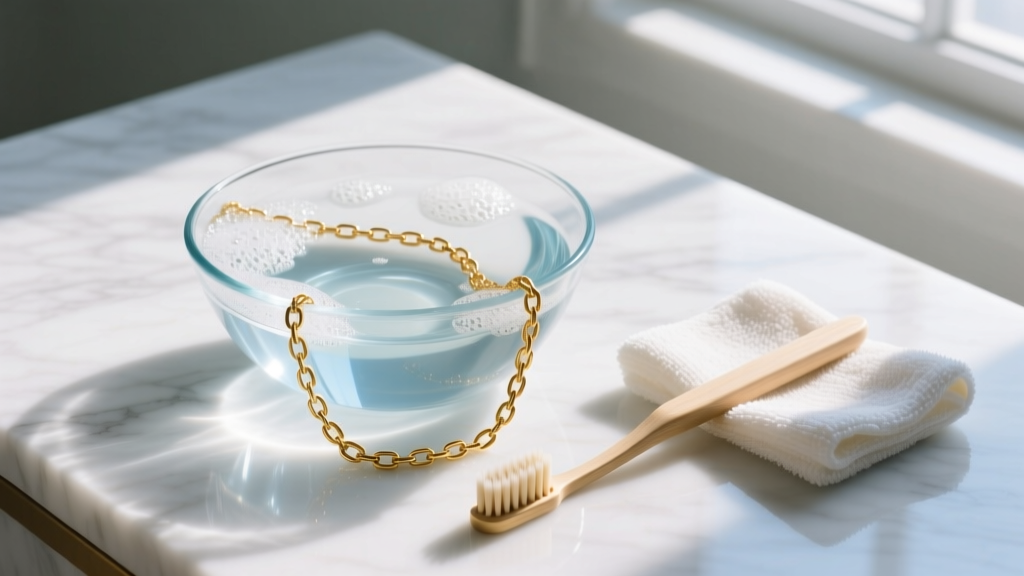
Sterling Silver, Solid Gold, and Vermeil Chains
For solid metals and plated chains, the safest and most effective cleaning solution is a mild surfactant bath. Mix one cup of lukewarm distilled water with three drops of phosphate-free dish soap (such as Dawn). Submerge the metal portions of the necklace for no more than five minutes. Use an extra-soft baby toothbrush to gently agitate the links, paying special attention to the inside of the sliding friction bead where skin oils and dead cells accumulate.
Critical Warning for Gold Vermeil: Many fashion lariats are crafted from gold vermeil (a thick layer of gold over sterling silver, typically 2.5 microns). Never place a vermeil lariat in an ultrasonic cleaner. The 40kHz high-frequency cavitation bubbles generated by ultrasonic machines will strip the gold plating from the silver core, leaving you with a patchy, discolored chain. Stick to manual, gentle cleaning as recommended by Rio Grande Jewelry Supply.
Silk, Leather, and Suede Cords
If your lariat features organic cords, water is strictly prohibited. Submerging leather or silk will cause the fibers to swell, weaken, and eventually snap under the weight of the metal drop. For leather cords, use a slightly damp microfiber cloth to wipe away surface oils, followed by a micro-application of mink oil or a dedicated leather conditioner to prevent drying and cracking. For silk cords, use a dry, soft-bristled makeup brush to dust away skin cells and cosmetic powders that lodge in the woven fibers.
Troubleshooting Common Lariat Failures
Even with meticulous care, the mechanical nature of a lariat style necklace means that components will eventually wear down. Below is a diagnostic framework for identifying and resolving the most frequent lariat-specific issues.
| Problem | Root Cause | Expert Fix |
|---|---|---|
| Sliding clasp slips down on its own | Silicone O-ring has stretched or degraded from skin oils and UV exposure. | Replace the O-ring with a new Shore A 40-50 durometer silicone ring. In a pinch, apply a microscopic dot of clear nail polish to the chain to increase friction. |
| Metal friction bead slides too easily | Metal-on-metal wear has widened the internal channel of the bead. | Use flat-nose pliers with nylon jaws to gently squeeze the bead, reducing its internal diameter. Do not over-crimp, or it will not slide at all. |
| Y-drop chain is severely tangled | Fine cable links have interlocked due to improper storage. | Lay the chain on a glass surface. Apply a drop of baby oil to the knot. Use two fine sewing needles to gently pick the links apart from the outside in. |
| Snake chain drop is kinked | Chain was bent past its structural yield point during wear or sleep. | Place the kinked section on a hard, flat surface. Cover with a piece of parchment paper and gently roll a heavy glass cylinder over it to flatten the links. |
Restoring Shine and Removing Tarnish
Sterling silver lariats are particularly prone to tarnish, a chemical reaction where silver reacts with sulfur in the air to form black silver sulfide. Because lariats have a high surface-area-to-volume ratio due to their length, they tarnish faster than compact jewelry like rings.
For light tarnish, the soapy water bath mentioned above is sufficient. For heavy, blackened tarnish on solid sterling silver lariats (never use this on plated jewelry), create a chemical reduction bath. Line a glass bowl with aluminum foil, shiny side up. Add one tablespoon of baking soda and one tablespoon of sea salt. Pour in boiling water, and immediately submerge your silver lariat. The electrochemical reaction will transfer the silver sulfide from the chain to the aluminum foil in seconds. Remove the necklace with wooden tongs, rinse thoroughly in distilled water, and dry immediately with a lint-free cloth.
Long-Term Storage Solutions for Y-Drop Chains
Proper storage is the ultimate defense against lariat degradation. Never store a lariat style necklace in a pile with other jewelry; the sliding clasp will act as a hook, catching on gemstone settings and pulling links out of alignment.
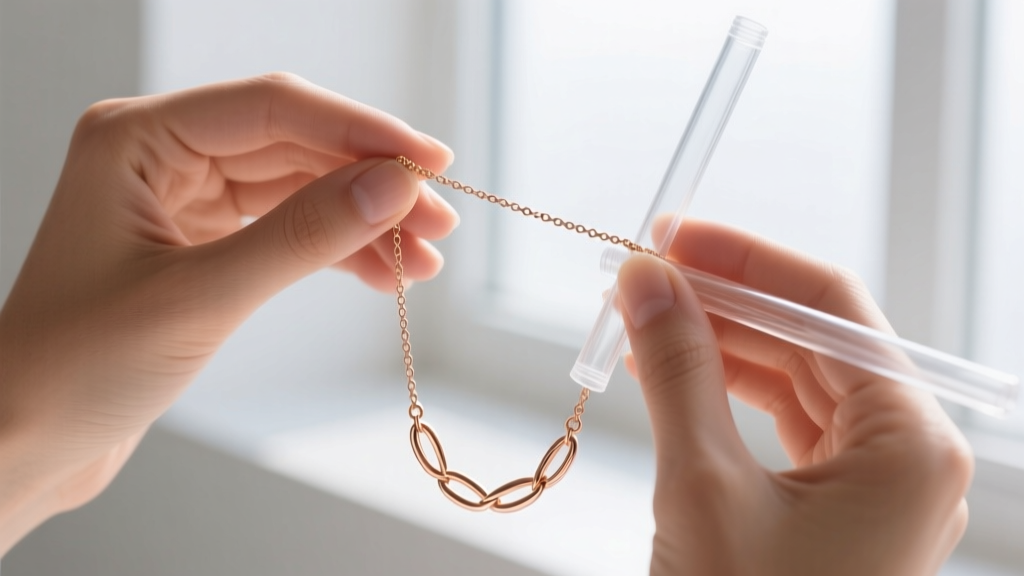
The Straw Method: To protect the delicate Y-drop chain from tangling and kinking in your jewelry box, thread the drop chain through a clean, rigid plastic drinking straw before clasping the main chain. The straw acts as a splint, keeping the drop perfectly straight and preventing it from coiling around the main collar.
Climate Control: Store your lariats in a cool, dry environment. Include a 3M anti-tarnish strip or a silica gel desiccant packet in your jewelry box to absorb ambient moisture and neutralize airborne sulfur compounds. If you must hang your lariat, ensure the hook is padded with velvet or felt to prevent micro-scratches on the top links of the collar chain.
Conclusion
A lariat style necklace is an investment in fluid, dynamic elegance, but it demands a higher level of stewardship than standard jewelry. By understanding the mechanical vulnerabilities of the sliding clasp, respecting the material limits of vermeil and organic cords, and employing targeted storage techniques like the straw method, you can ensure your lariat remains untangled, untarnished, and structurally sound for decades. Treat the Y-drop with the precision it requires, and it will continue to elevate your wardrobe with effortless sophistication.


