Building a Custom Necklace on Chain: Budget & Value
Discover how to evaluate a custom necklace on chain. We compare metal grades, chain weaves, and pricing to maximize your jewelry budget and value.

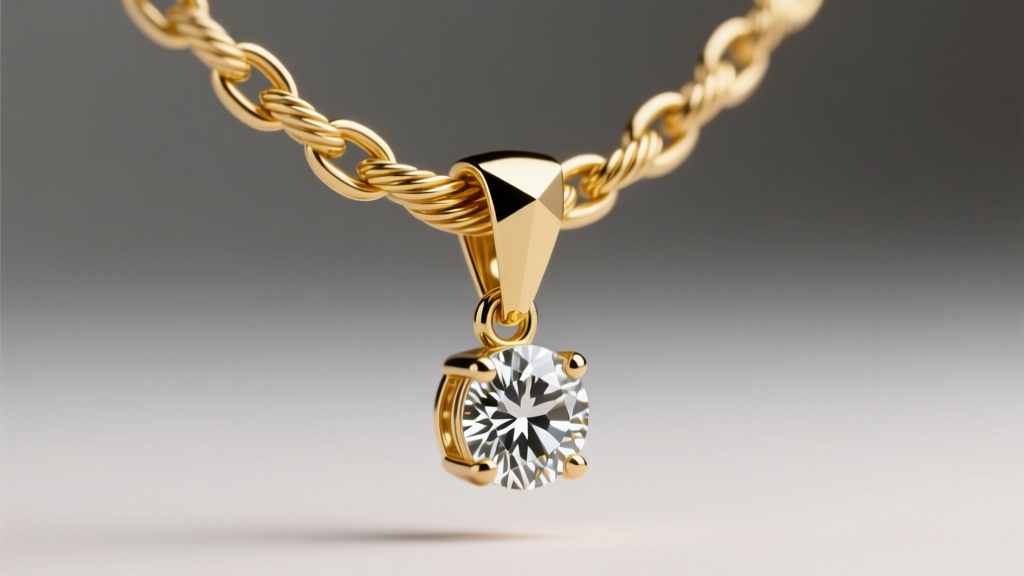
When shopping for fine jewelry, consumers are frequently presented with pre-assembled pendant sets. While convenient, these retail packages often obscure the true cost of the components, leaving buyers with lightweight, fragile chains paired with high-quality pendants. Building a custom necklace on chain—selecting your pendant and chain independently—is a strategic approach that maximizes long-term value, structural integrity, and personal style. This guide provides a rigorous budget and value assessment for constructing a durable, high-quality custom necklace in 2026, breaking down metal grades, chain weaves, and hardware mechanics.
The Economics of Pre-Assembled vs. Custom Builds
The traditional jewelry retail model relies on bundling. A pre-assembled pendant necklace sold for $450 might feature a $300 diamond or gemstone pendant, but the accompanying chain is often a hollow, 22-gauge cable chain that costs the manufacturer less than $15. The remaining $135 covers retail markup, branding, and packaging. By decoupling the pendant from the chain, you eliminate the bundled markup and can reallocate funds toward a chain that offers genuine metallurgical value and tensile strength.
Retail Markup Breakdown
Independent sourcing allows you to purchase a solid 14k gold rope chain directly from a bullion or specialized chain manufacturer. While a retail brand might charge $250 for a 1.2mm box chain, a specialized manufacturer prices that same chain based on its precise gold weight (e.g., 4.2 grams) plus a modest fabrication fee, often bringing the cost down to $160–$180. This transparent pricing model ensures your budget is spent on actual precious metal rather than brand premiums.
Evaluating Chain Weaves: Durability vs. Cost
Not all chain weaves are created equal. The structural geometry of a chain dictates its resistance to kinking, snapping, and stretching. When building your necklace on chain, selecting the right weave is critical for supporting the weight of your pendant.
| Chain Weave | Optimal Gauge (mm) | Tensile Strength | Relative Cost | Best Use Case |
|---|---|---|---|---|
| Cable | 1.5mm - 2.5mm | Medium | Low-Medium | Lightweight pendants (under 5g) |
| Box | 1.0mm - 1.8mm | Low | Medium | Delicate, minimalist pendants |
| Rope | 2.0mm - 4.0mm | High | High | Heavy pendants, daily wear |
| Figaro | 2.5mm - 5.0mm | High | Medium | Statement pieces, layered looks |
| Mariner | 2.0mm - 3.5mm | Very High | Medium-High | Heirloom pendants, active lifestyles |
The Danger of Box Chains
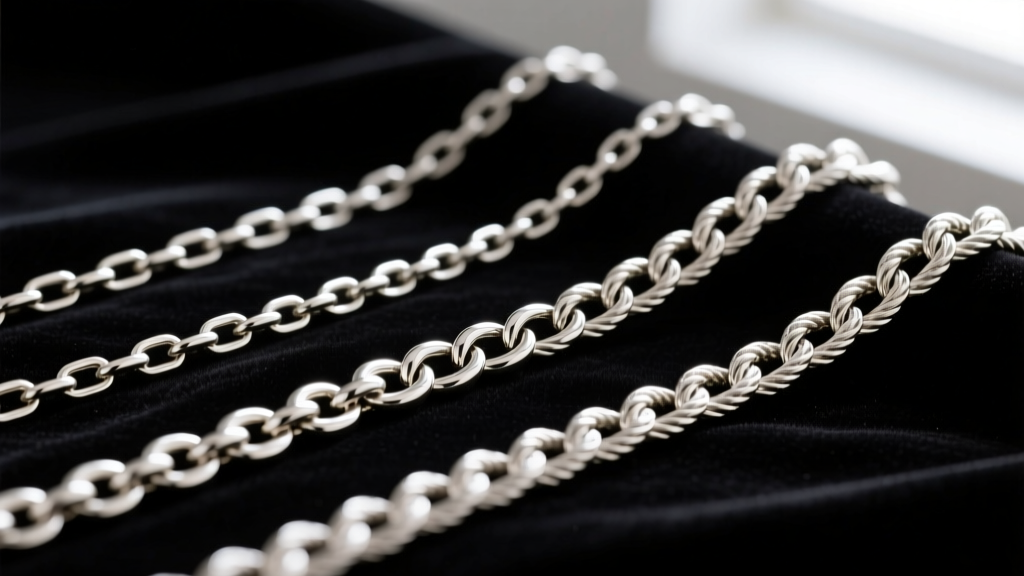
Box chains are immensely popular in pre-assembled retail sets due to their brilliant light reflection and low manufacturing cost. However, their interlocking square links are highly susceptible to work-hardening and kinking. Once a box chain kinks, the structural integrity is permanently compromised, and it cannot be fully repaired. For pendants weighing more than 3 grams, a box chain is a poor long-term investment. A twisted rope or solid mariner chain offers vastly superior load distribution.
Metal Grades and the "Cost-Per-Wear" Metric
When assessing value, the initial price tag is less important than the cost-per-wear over a decade. Understanding the metallurgical properties of gold and silver is essential for making an informed decision.
Sterling Silver (925)
Sterling silver remains the most accessible entry point for a custom necklace on chain. Composed of 92.5% pure silver and 7.5% copper, it offers excellent tensile strength. However, the copper content makes it prone to oxidation and tarnishing. A high-quality 2.0mm sterling silver rope chain will cost between $25 and $45. It is an excellent budget choice, provided you are willing to perform routine polishing and remove it before swimming or showering.
Gold Vermeil vs. Solid 14k Gold
Gold vermeil (a thick layer of gold electroplated over sterling silver) bridges the gap between budget and luxury. According to the FTC Jewelry Guides, vermeil must have a gold layer of at least 2.0 microns. High-end manufacturers in 2026 are pushing this to 2.5 or 3.0 microns. A vermeil chain costs between $50 and $90. While beautiful initially, daily friction from a pendant bail will eventually wear through the plating at the contact points within 12 to 24 months.
Solid 14k gold, conversely, is a lifetime investment. A 14k gold chain (58.5% pure gold alloyed with silver, copper, and zinc) provides the perfect balance of rich color and structural hardness. A solid 14k 2.0mm cable chain (approx. 5.5 grams) will cost between $280 and $350. While the upfront cost is higher, its infinite lifespan and zero risk of plating wear make its cost-per-wear fractionally lower than vermeil over a ten-year period.
The Hardware: Where Cheap Necklaces Fail
The clasp is the most common point of catastrophic failure in any necklace. When sourcing a chain independently, you must scrutinize the hardware.
- Spring Rings: Common on budget chains. The internal spring wire is frequently made of base metal or low-grade steel, even if the exterior is gold-plated. These are prone to snapping under sudden tension.
- Standard Lobster Clasps: Offer a wider profile and better grip. Ensure the clasp is cast or machined from the same karat gold as the chain.
- Locking Lobster Clasps: The gold standard for heavy pendants. These feature a secondary locking mechanism that prevents the lever from being accidentally depressed, virtually eliminating the risk of dropping your pendant.
Actionable Framework: Building Your Necklace on Chain
To execute a structurally sound and financially savvy custom build, follow this three-step framework:
- Calculate the Pendant Load: Weigh your pendant using a digital jeweler's scale. A general rule of thumb in jewelry engineering is that the chain's tensile breaking strength should be at least three times the weight of the pendant to account for dynamic movement and accidental snags.
- Match the Bail to the Chain Width: Measure the inner diameter of the pendant's bail (the loop it hangs from). If the bail has a 4mm inner diameter, you must select a chain that is 3.5mm or thinner to ensure it slides freely without grinding against the metal edges, which causes premature wear.
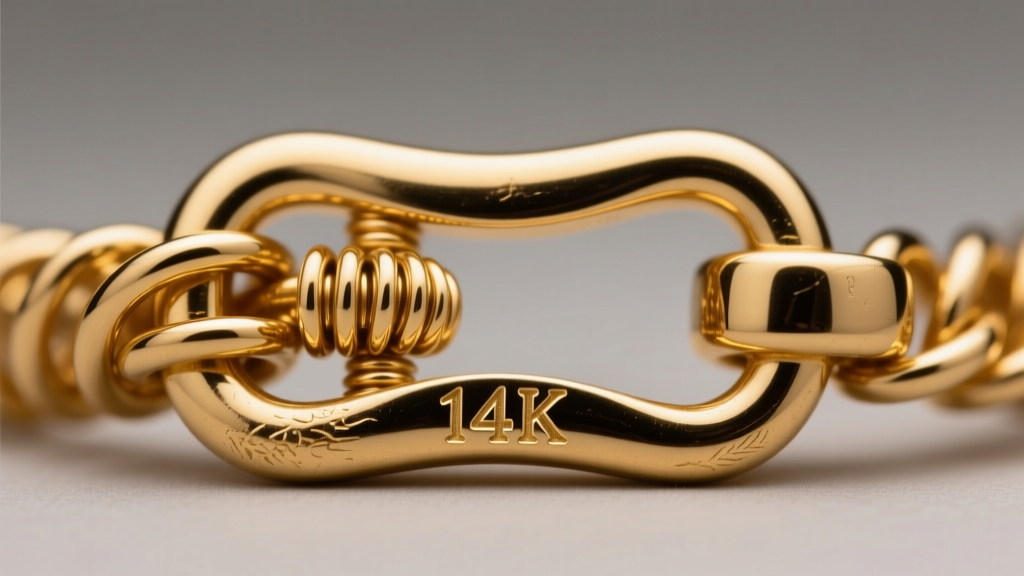
- Verify the Hallmarks: When purchasing the chain, demand photographic proof of the quality stamp (e.g., "14K", "925") and the manufacturer's hallmark on the clasp or end tag. This guarantees the metal purity and provides a traceable origin.
Expert Insight: Never pair a heavy, solid gold pendant with a gold-filled or vermeil chain. The hardness of the solid gold bail will act like a file against the softer plated chain, stripping the gold layer off in a matter of weeks. Always match the metallurgical hardness of the pendant to the chain.
Final Verdict on Long-Term Value
Constructing a custom necklace on chain requires more initial research than clicking "add to cart" on a pre-packaged set, but the dividends are substantial. By prioritizing structural weaves like the rope or mariner, investing in solid 14k gold or heavy-duty sterling silver, and demanding high-quality locking hardware, you transform a simple accessory into a resilient, heirloom-grade piece. In the current market, true value is not found in the illusion of a bundled discount, but in the transparent, uncompromising quality of the individual components you choose to unite.


