Troubleshooting a Chewable Necklace for Autism: Safety Guide
Is your child's sensory jewelry breaking or causing irritation? Learn how to troubleshoot, clean, and select the safest chewable necklace for autism.

The Hidden Risks of Low-Quality Sensory Jewelry
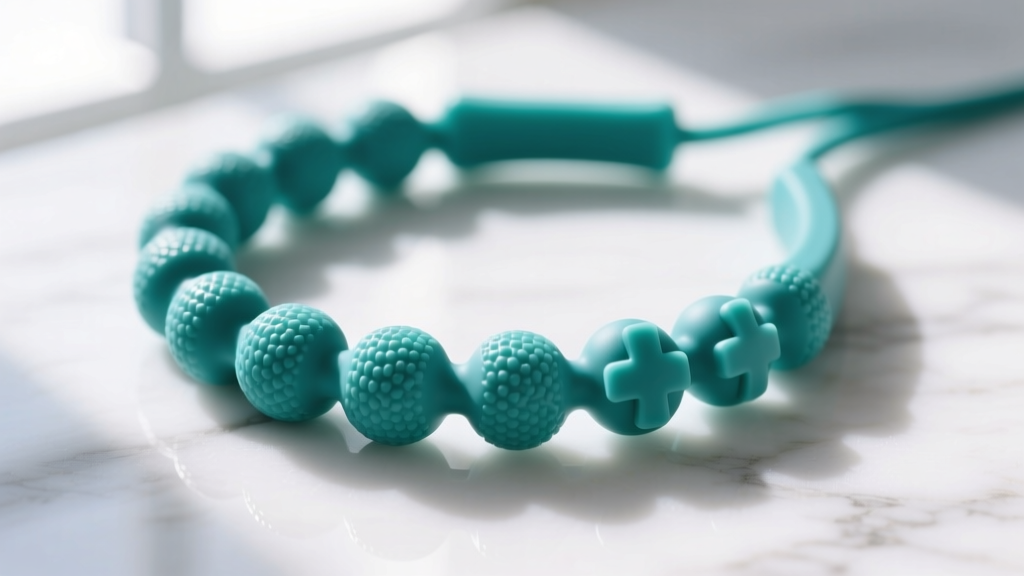
For neurodivergent individuals, particularly those on the spectrum, oral sensory seeking is a common self-regulation mechanism. A chewable necklace for autism provides a safe, socially acceptable outlet for this need, preventing damage to teeth, clothing, and hazardous non-food items. However, the market is flooded with poorly manufactured sensory tools that pose severe choking and toxicity hazards. When a pendant degrades, it doesn't just lose its aesthetic appeal; it becomes a critical safety risk. Micro-tears can harbor dangerous bacterial biofilms, and failing hardware can lead to aspiration or strangulation. This comprehensive troubleshooting guide will help you diagnose failures, understand material science, and maintain the structural integrity of your sensory jewelry.
Material Breakdown: Food-Grade vs. Medical-Grade Silicone
The most common failure mode in chewable jewelry stems from the use of inferior elastomers. Many budget brands utilize Thermoplastic Rubber (TPR) or PVC-based compounds loaded with phthalate plasticizers to achieve a soft texture. Over time, the mechanical stress of chewing breaks the polymer chains, causing the plasticizers to leach out. This results in a sticky, tacky surface that attracts lint and degrades rapidly.
To ensure safety, you must verify that the pendant is made from 100% platinum-cured silicone. Unlike tin-cured silicone, platinum-cured variants do not produce toxic byproducts during the vulcanization process and are highly resistant to tear propagation. When shopping, look for certifications that go beyond basic US FDA food-contact standards. The European LFGB standard is significantly more rigorous, requiring extensive testing for heavy metals and volatile organic compounds (VOCs). According to the FDA's guidelines on food contact substances, materials must not migrate harmful chemicals into the body under intended use conditions, which for a chewable necklace, involves constant exposure to saliva and mechanical friction.
Troubleshooting Common Chewable Necklace Failures
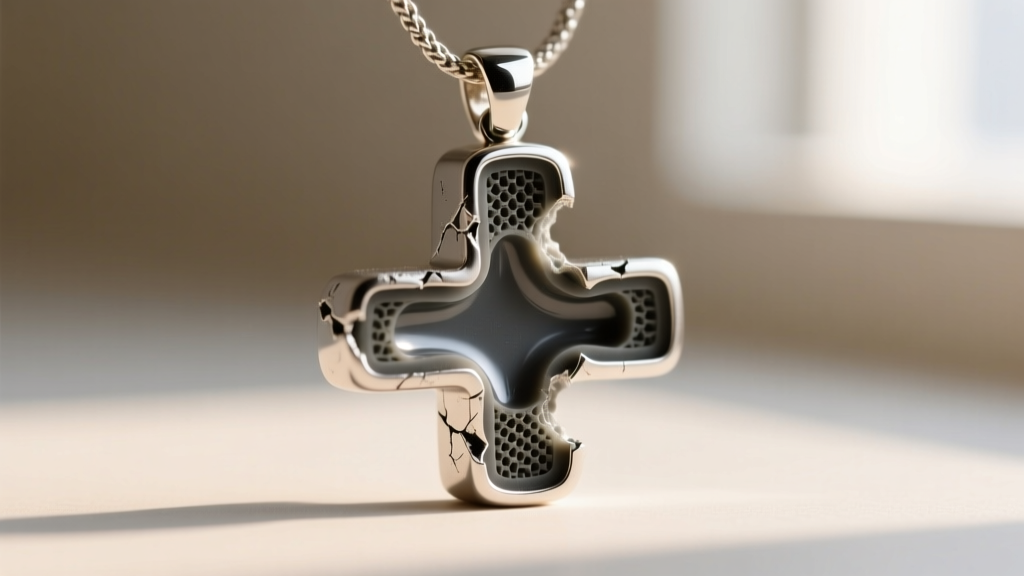
When a sensory necklace fails, it is usually due to one of three mechanical or chemical vulnerabilities. Here is how to diagnose and resolve the most frequent issues.
1. The Breakaway Clasp Snaps Too Easily (or Won't Snap)
The breakaway clasp is the most critical safety component of any chewable necklace for autism, designed to prevent strangulation if the cord becomes snagged. These clasps are typically engineered to release between 5 to 7 pounds of lateral force. Troubleshooting: If the clasp pops open during normal chewing, the internal plastic tension pins may be worn down or manufactured with too wide a tolerance. Conversely, if it requires more than 10 pounds of force to separate, it is a strangulation hazard. Test the clasp monthly using a standard luggage scale. If it fails the 5-7 lb threshold, replace the hardware immediately. Never attempt to glue or modify a breakaway clasp, as this compromises its fail-safe mechanics.
2. Surface Tackiness and Odor Retention
If a silicone pendant feels sticky or retains the smell of food and saliva even after washing, the material is experiencing chemical breakdown. Troubleshooting: First, perform a deep boil. Submerge the pendant (detached from the cord) in rolling boiling water for 5 minutes. This extracts trapped oils and resets the surface. If the tackiness persists after drying, the silicone's cross-linking has failed. The item is no longer safe for oral use and must be discarded. To prevent this, avoid exposing the necklace to harsh solvents, alcohol-based sanitizers, or direct UV sunlight, all of which accelerate polymer degradation.
3. Aggressive Chewers Shredding the Pendant
Children with strong jaw pressure or a tendency to bite with their molars can sheer through standard pendants in a matter of days. Troubleshooting: The issue here is not necessarily a defective product, but a mismatch in the Shore A Durometer (the scale used to measure the hardness of elastomers). If an aggressive chewer is using a soft pendant, they will inevitably bite through it. You must upgrade to a higher durometer rating and a more geometrically resilient shape.
Sensory Mismatch: Matching the Shore A Durometer
Selecting the correct density is paramount for both the longevity of the necklace and the sensory satisfaction of the user. The Shore A scale measures indentation hardness. A lower number indicates a softer, more pliable material, while a higher number indicates a firmer, more rigid rubber. Autism Speaks notes that matching sensory tools to an individual's specific regulatory needs is crucial for preventing frustration and ensuring the tool is actually utilized rather than rejected.
| Shore A Scale | Chew Style | Recommended Pendant Shape | Expected Lifespan |
|---|---|---|---|
| 30A - 40A (Soft) | Passive Mouthing / Sucking | Smooth, rounded pebbles or teardrops | 3 - 5 Months |
| 50A - 60A (Medium) | Moderate Biting / Gnawing | Textured tubes, geometric prisms | 2 - 3 Months |
| 70A - 80A (Firm) | Aggressive Molar Chewing | Solid blocks, thick cylinders, puzzle pieces | 1 - 2 Months |
Cord Integrity: The Overlooked Hazard
While the pendant gets the most attention, the cord is equally vital. Cotton cords absorb saliva, leading to mildew and rapid fraying. Standard nylon cords are stronger but can act like a saw against the skin if pulled. The Solution: Opt for a braided, medical-grade silicone cord or a Kevlar-core nylon cord encased in a silicone sleeve. Inspect the knotting at the clasp loop weekly. If you notice the cord slipping through the breakaway clasp housing, re-tie it using a double fisherman's knot and apply a microscopic drop of non-toxic, cyanoacrylate-based jewelry adhesive to the knot tail to prevent slippage. Never use a cord that shows visible fuzzing or micro-tears.
Hygiene Protocols: Preventing Bacterial Biofilms
Saliva is rich in enzymes and bacteria. When combined with the micro-fissures created by chewing, a chewable necklace for autism can quickly become a breeding ground for pathogens. Standard wiping is insufficient.
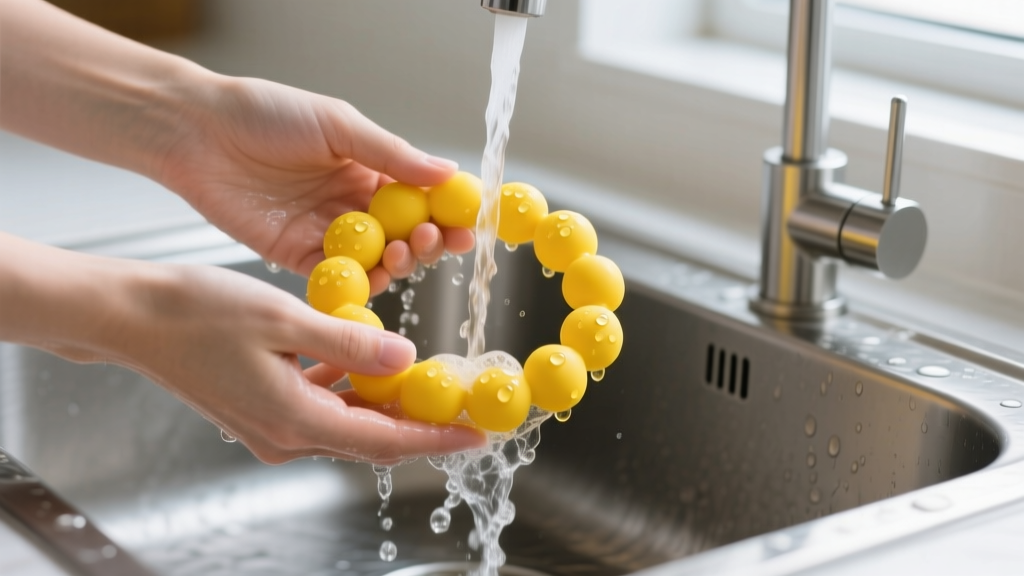
- Daily Maintenance: Wash with warm water and a mild, unscented, dye-free dish soap. Rinse thoroughly to ensure no soapy residue remains, which can cause oral aversion.
- Weekly Sterilization: Detach the silicone pendant from the cord. Boil the pendant in clean water for 3 to 5 minutes. Alternatively, place it on the top rack of a dishwasher (no heated dry cycle, as extreme dry heat can warp the silicone).
- Cord Care: Silicone cords can be wiped down with a 50/50 mix of white vinegar and water. Do not boil the cord if it contains internal nylon or Kevlar fibers, as the differing expansion rates can cause internal snapping.
When to Retire the Necklace: Critical Warning Signs
Even the highest quality, LFGB-certified platinum silicone will eventually succumb to mechanical fatigue. It is essential to establish a strict retirement protocol. Discard the pendant immediately if you observe any of the following:
- Chunking: Any visible pieces missing from the pendant, no matter how small. This indicates structural failure and poses an immediate aspiration risk.
- Deep Fissures: If you can insert a fingernail into a bite mark, the crevice is too deep to be effectively sterilized, guaranteeing bacterial buildup.
- Color Fading or Chalking: A chalky, white residue on the surface of colored silicone indicates that the pigments and binding agents are breaking down and leaching.
- Clasp Fatigue: If the breakaway mechanism feels loose, rattles, or fails to snap together with a firm, audible click.
"Sensory tools are not passive accessories; they are active medical-adjacent devices subjected to extreme mechanical and chemical stress. Treating a chewable necklace with the same rigorous inspection schedule as a child's car seat or helmet is the baseline for safe oral sensory integration."
By understanding the material science of platinum-cured silicone, rigorously testing breakaway hardware, and matching the Shore A durometer to the user's specific bite force, you can transform a potential choking hazard into a reliable, soothing, and safe regulatory tool. Regular inspection and uncompromising hygiene protocols are the keys to ensuring that a chewable necklace for autism remains a beneficial asset rather than a hidden danger.


