Red Heart Gold Necklace Value: Pricing & Buyer Guide
Discover the true value of a red heart gold necklace. Compare pricing, material grades, and gemstone options to make a smart jewelry investment.

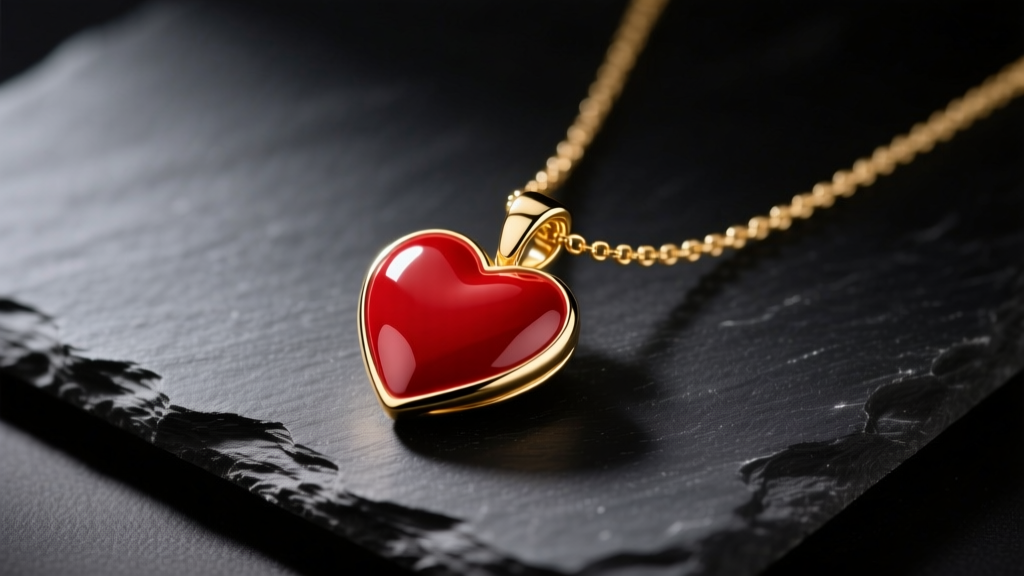
The Anatomy of a Red Heart Gold Necklace
The red heart gold necklace is an enduring symbol of affection, personal style, and timeless elegance. However, as jewelry shoppers become more educated and market prices fluctuate, understanding the true value of these pieces is critical. A red heart pendant can range from a $30 fast-fashion accessory to a $5,000 heirloom investment. The difference lies entirely in the metallurgy, gemstone origin, and structural integrity of the piece.
When assessing value, you must look beyond the aesthetic appeal and examine the physical specifications. A standard dainty heart pendant measures approximately 12mm by 12mm, while a bold statement piece can exceed 25mm. The gold weight, measured in grams, directly impacts the intrinsic melt value and the durability of the pendant. A solid 14k gold heart weighing 2.5 grams offers a baseline material value, but the craftsmanship, setting technique, and brand provenance dictate the final retail price. In this comprehensive value assessment, we break down exactly what you should pay for specific material grades and gemstone combinations in the current market.
Material Breakdown: Solid Gold vs. Vermeil vs. Plated
The foundation of any gold necklace's value is its base material. The jewelry market is saturated with misleading terminology, making it vital to understand the legal and practical distinctions between gold types. According to the Federal Trade Commission (FTC) Jewelry Guides, strict rules govern how gold jewelry can be marketed.
Solid Gold (10k, 14k, 18k)
Solid gold is the only material that holds long-term intrinsic value and resists tarnishing. For a red heart pendant, 14k gold (58.5% pure gold) is the industry sweet spot. It provides the perfect balance of rich yellow color and structural hardness, ensuring the bail and prongs do not bend easily. 18k gold (75% pure) offers a deeper, more luxurious hue but is softer, making it better suited for bezel-set designs rather than delicate prong settings.
Gold Vermeil (Sterling Silver Base)
Vermeil is a high-quality alternative for budget-conscious buyers. To be legally classified as vermeil, the piece must have a sterling silver base and be plated with at least 2.5 microns of 10k gold or higher. A vermeil red heart necklace offers excellent value if you plan to wear it occasionally, but the gold layer will eventually wear away with daily friction, requiring professional re-plating every few years.
Gold Plated (Brass or Copper Base)
Standard gold plating uses a non-precious base metal and a microscopic layer of gold (often less than 0.5 microns). While visually identical to solid gold on day one, these pieces have zero resale value and are prone to rapid tarnishing, skin discoloration, and allergic reactions. From a value perspective, gold-plated necklaces should only be purchased as temporary fashion accessories.
| Material Type | Base Metal | Gold Thickness | Expected Lifespan | Value Retention |
|---|---|---|---|---|
| Solid 14k Gold | Gold Alloy (58.5%) | Solid throughout | Generations | High (Melt + Craft) |
| Gold Vermeil | Sterling Silver | ≥ 2.5 microns | 2-5 Years (Daily) | Low (Resale is poor) |
| Gold Filled | Brass/Jewelers Metal | 5% of total weight | 5-10 Years | None |
| Gold Plated | Brass/Copper | < 0.5 microns | Months | None |
The "Red" Factor: Gemstones vs. Enamel
The red element of the necklace is where pricing varies most wildly. A red heart can be achieved through vitreous enamel, cold enamel, or various red gemstones. Understanding these differences is crucial for accurate budget assessment.
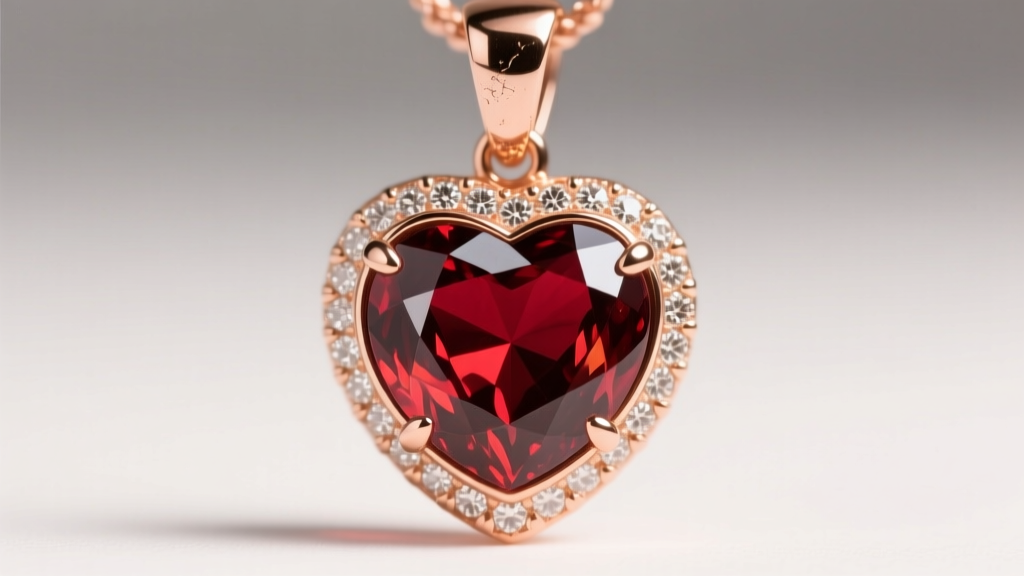
Gemstone Options: Ruby vs. Garnet vs. Lab-Created
If your red heart features a gemstone, its origin dictates the price. The Gemological Institute of America (GIA) notes that natural rubies are among the most expensive colored gemstones in the world. A natural, untreated 'pigeon blood' ruby heart pendant in solid 18k gold will easily command $2,000 to $10,000+.
For buyers seeking maximum value without sacrificing the deep red aesthetic, natural rhodolite or pyrope garnet is the superior choice. Garnet ranks 7 to 7.5 on the Mohs hardness scale, making it durable enough for everyday pendants. A 14k solid gold necklace featuring a 2-carat heart-cut natural garnet typically retails between $300 and $600, offering incredible luxury at a fraction of a ruby's cost.
Alternatively, lab-created rubies (grown via the Verneuil or flux methods) possess the exact same chemical and physical properties as natural rubies (Mohs 9) but are entirely flawless and significantly cheaper. A lab-ruby heart pendant usually costs between $150 and $400, representing the best intersection of durability, brilliance, and budget.
Enamel Techniques: Fired vs. Cold
Not all red enamel is created equal. Vitreous enamel is made from powdered glass fired at extreme temperatures, fusing it to the gold. It is highly durable, colorfast, and commands a premium price. Cold enamel (epoxy resin) is essentially painted on and air-dried. It is prone to chipping, yellowing, and peeling over time. Always verify that a high-priced enamel piece uses traditional vitreous firing techniques.
"When investing in an enameled gold pendant, the value lies in the artisan's firing technique. Cold epoxy resin may look identical in a display case, but it lacks the archival permanence and light refraction of kiln-fired vitreous glass enamel."
Chain Selection: Where Budgets Often Fail
A common mistake in jewelry purchasing is allocating the entire budget to the pendant and neglecting the chain. A $500 solid gold and garnet heart pendant suspended on a fragile, hollow 0.8mm chain is a structural liability.
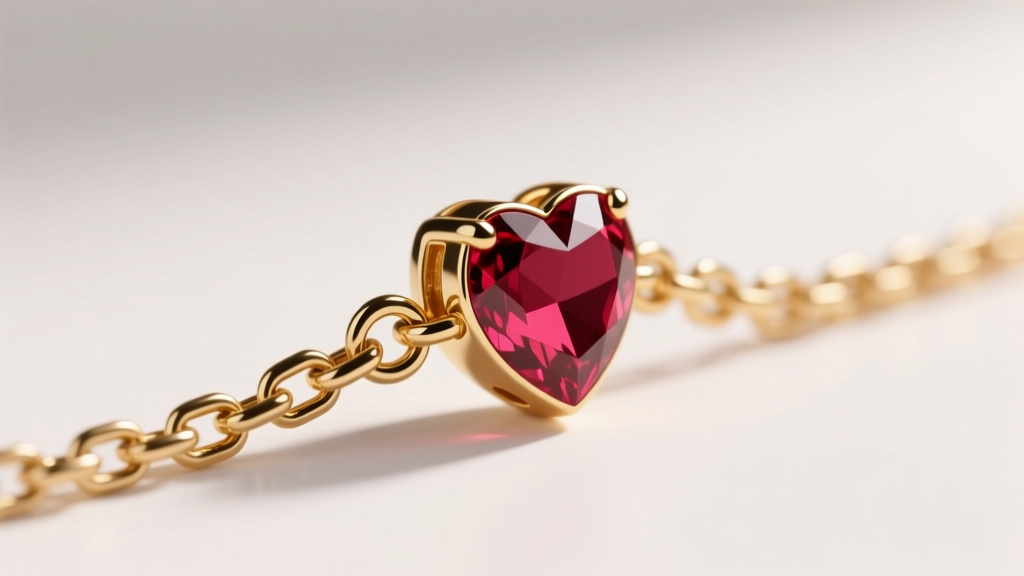
For heart pendants weighing between 2 and 5 grams, you need a chain with a minimum width of 1.2mm to 1.5mm. Box chains and rolo chains offer the best tensile strength and resist kinking, which is vital because the bail of a heart pendant creates constant friction on the chain links. Furthermore, always insist on a lobster clasp rather than a spring-ring clasp. Spring rings have weak internal springs that fail prematurely, while lobster clasps provide a secure, mechanical lock.
2026 Market Pricing Tiers
To help you benchmark your purchase, here is a realistic breakdown of what you should expect to pay for a red heart gold necklace across different market tiers today:
- Tier 1: Fashion & Plated ($30 - $80)
Brass base, cold enamel or glass stones, gold flash plating. Expect a lifespan of 6-12 months with regular wear. Zero intrinsic value. - Tier 2: Demi-Fine & Vermeil ($90 - $200)
Sterling silver base with heavy 2.5-micron gold vermeil. Often features lab-grown stones or high-quality cold enamel. Excellent for trend-driven gifting, but requires careful maintenance to prevent silver tarnishing. - Tier 3: Accessible Fine Jewelry ($350 - $850)
Solid 14k gold chains and pendants. Features natural garnets, lab-created rubies, or premium vitreous enamel. This is the 'sweet spot' for value, offering lifetime durability, hypoallergenic properties, and heirloom potential. - Tier 4: High Fine & Heirloom ($1,500 - $5,000+)
Solid 18k gold featuring natural, untreated rubies or artisan-crafted guilloché enamel. Purchased from legacy jewelers or independent master goldsmiths. Holds significant resale and appraisal value.
Red Flags and Common Failure Modes
When inspecting a red heart gold necklace, whether buying new or vintage, watch out for these specific failure modes that destroy value and wearability:
- Bail Friction Wear: The bail (the loop connecting the pendant to the chain) is the highest friction point. If the bail is too thin (under 1mm) or made of gold-plated brass, the chain will eventually saw completely through it, resulting in a lost pendant.
- Thermal Shock in Enamel: If you purchase a vitreous enamel heart, be aware that sudden temperature changes (like jumping into a cold pool while wearing it in the hot sun) can cause the glass enamel to crack or pop out of the gold bezel.
- Prong Snagging: Heart-cut gemstones have a sharp 'V' at the bottom point. If this point is not protected by a V-prong or a bezel setting, it will catch on knitwear and silk, eventually snapping the fragile tip of the stone.
Final Verdict: Maximizing Your Investment
The true value of a red heart gold necklace is not just in its romantic symbolism, but in its material integrity and structural design. For the most discerning buyers seeking the best balance of cost, longevity, and visual impact, a solid 14k yellow or rose gold chain paired with a bezel-set natural garnet or lab-created ruby heart pendant remains the undisputed champion of value. By avoiding hollow chains, plated base metals, and unprotected gemstone points, you ensure that your necklace remains a vibrant, wearable asset for decades to come.


