Troubleshooting Tarnish and Breakage in Street Necklaces
Is your urban jewelry turning green or snapping? Learn expert troubleshooting for tarnish, clasp breakage, and tangling in heavy street necklaces.

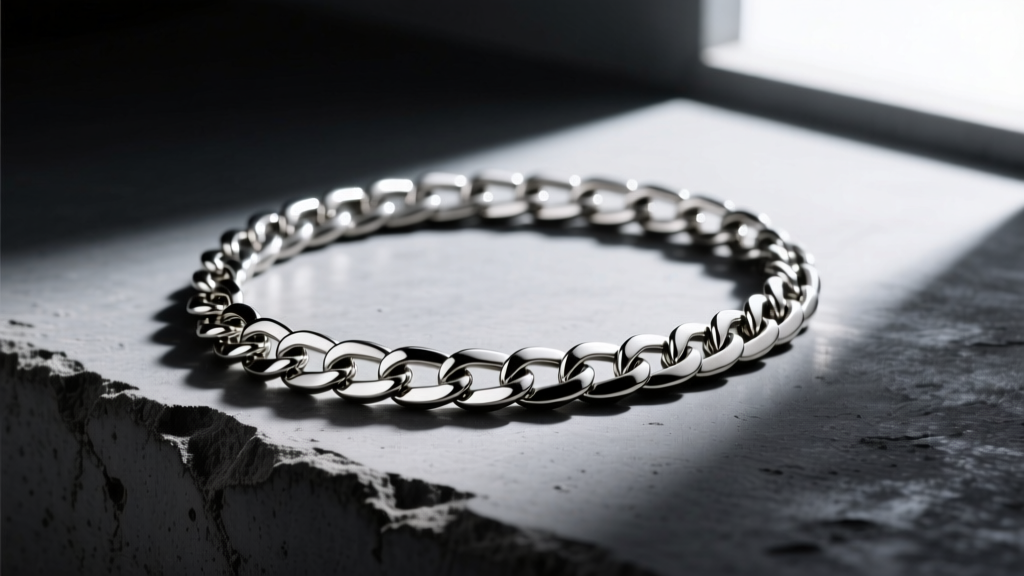
Street necklaces are the undisputed centerpiece of urban fashion and streetwear styling. Whether you are rocking a 14mm Cuban link, a heavy diamond-encrusted Jesus piece, or a layered rope chain setup, these bold accessories demand attention. However, the physical weight and material composition of streetwear jewelry often lead to a specific set of mechanical and chemical failures. From the dreaded 'green neck' effect to catastrophic clasp snaps, owning heavy chains requires a proactive approach to maintenance and troubleshooting.
In this guide, we break down the exact metallurgical and mechanical reasons why your street necklaces fail, and provide actionable, expert-level solutions to keep your rotation pristine in 2026 and beyond.
The Chemistry of the 'Green Neck' and Tarnish
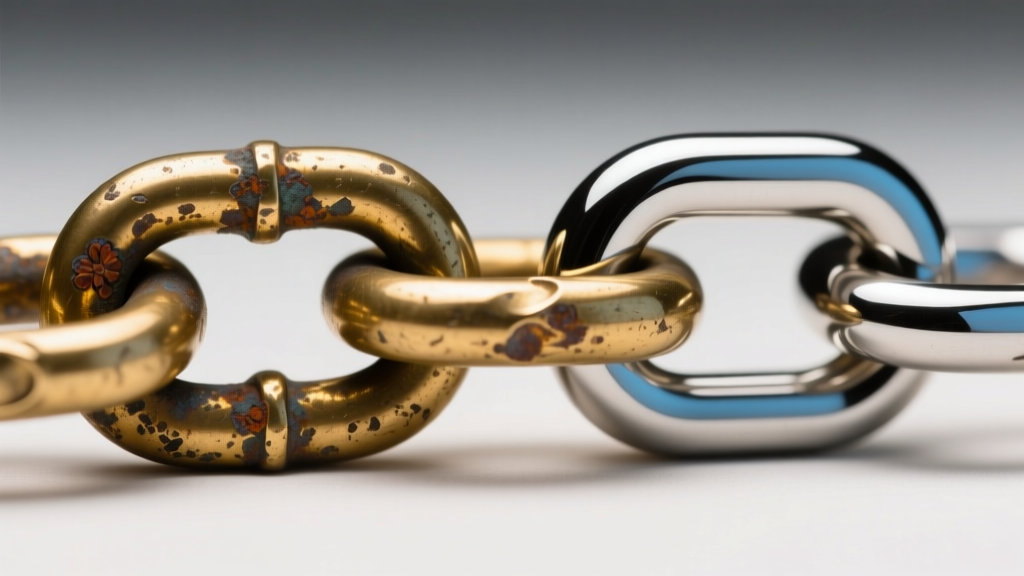
The most common complaint among streetwear enthusiasts is skin discoloration—specifically, the green or black staining left on the neck after wearing a chain. This is not an allergic reaction; it is a chemical oxidation process. Most budget-friendly street necklaces are cast from brass, an alloy composed primarily of copper and zinc. When the copper in the brass comes into contact with the lactic acid, salts, and moisture in your sweat, it undergoes a chemical reaction that produces copper chloride, a green compound that rubs off onto your skin.
According to the American Academy of Dermatology, while green skin is harmless, the nickel often mixed into cheap base metals can cause severe contact dermatitis. If your neck is itching and red rather than just stained green, you are likely dealing with a nickel allergy, and the chain must be retired or professionally rhodium-plated immediately.
Solving the Oxidation Problem
To stop tarnishing and skin staining, you must create a physical barrier between the base metal and your skin. If you are buying new street necklaces, look for PVD (Physical Vapor Deposition) coatings rather than traditional electroplating. As of 2026, nano-ceramic PVD coatings bonded to 316L surgical stainless steel offer a micro-thin, hypoallergenic shield that is up to 10 times more resistant to sweat and friction than standard gold electroplating. If you already own a tarnishing brass chain, a professional jeweler can apply a thick layer of rhodium or platinum plating to seal the copper inside.
Material Grade and Coating Lifespan Breakdown
Not all street necklaces are created equal. Understanding the manufacturing baseline of your jewelry will help you troubleshoot why a piece is failing and how long you can expect it to last under daily wear conditions.
| Base Material | Coating / Finish | Estimated Lifespan (Daily Wear) | Common Failure Mode |
|---|---|---|---|
| Brass / Copper Alloy | Standard Electroplating | 3 - 6 Months | Rapid tarnishing, skin staining, flaking |
| Brass / Copper Alloy | Gold Vermeil (2.5 microns) | 1 - 2 Years | Wear spots on high-friction links |
| 316L Stainless Steel | PVD (Physical Vapor Deposition) | 3 - 5+ Years | Micro-scratches, eventual fading at clasp |
| Solid 10k / 14k Gold | None (Solid Alloy) | Lifetime | Bending of soft links under extreme weight |
Note: The Federal Trade Commission's Jewelry Guides strictly regulate metal stamping and plating thickness. Always look for accurate hallmarks and avoid pieces marketed as 'gold filled' if they lack proper weight-ratio disclosures.
Troubleshooting Clasp Failures and Chain Snaps
Street necklaces are heavy. A standard 12mm stainless steel Cuban link chain can easily weigh between 80 and 150 grams depending on the length. This immense dynamic load puts tremendous stress on the clasp and the connecting jump rings. The most frequent mechanical failure in streetwear jewelry is the snapping of the clasp or the pulling apart of the jump ring.
Upgrading Your Hardware
Never use a standard spring ring clasp for any chain weighing over 30 grams. The internal spring mechanism in a spring ring is too weak and will eventually fail, dropping your chain and pendant. Instead, troubleshoot your hardware by upgrading to a heavy-duty lobster clasp or a box clasp with dual safety catches.
- Lobster Clasp Sizing: For chains between 8mm and 14mm, use a solid stainless steel lobster clasp that is at least 15mm to 18mm in length. This ensures the lever mechanism has enough surface area to grip securely.
- Jump Ring Gauge: The jump rings connecting the clasp to the chain must be soldered or made from thick wire. Look for 14-gauge (1.6mm) or 12-gauge (2.0mm) wire thickness. Flimsy 20-gauge jump rings will pull apart under the pendulum effect of a swinging heavy chain.
- Box Clasps: For chains over 18mm, a box clasp with a tongue-and-groove mechanism and two figure-eight safety wires on the sides is mandatory to prevent accidental unhooking.
Untangling Rope and Box Chains Without Breaking Them
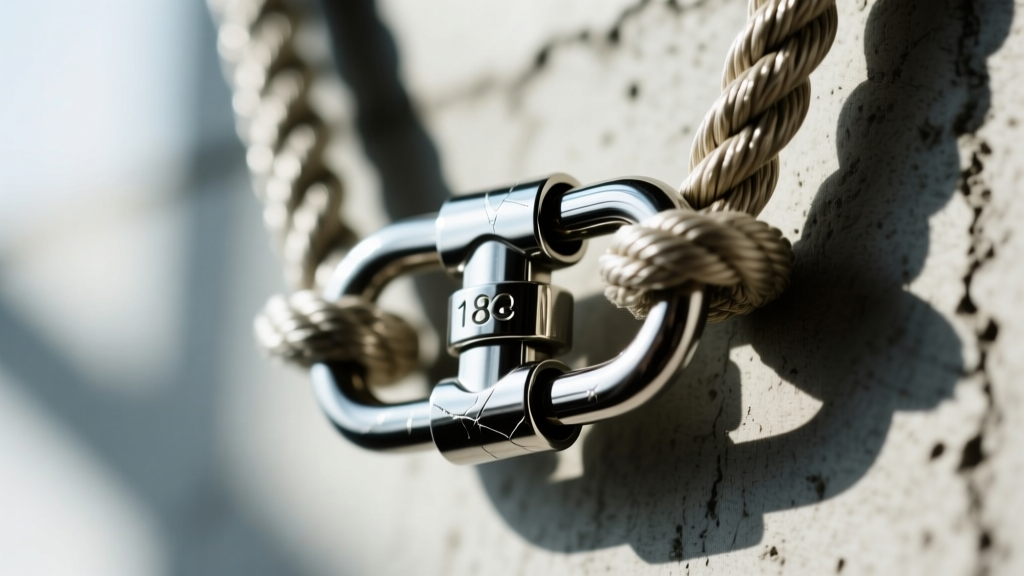
Rope chains and box chains are notorious for tangling, especially when layered with other street necklaces. The interlocking geometry of these links allows them to fold in on themselves, creating tight, microscopic knots that seem impossible to undo. Pulling on a tangled rope chain will permanently stretch or snap the delicate links.
The Talcum Powder Method
To safely untangle a knotted street necklace, lay it flat on a hard, smooth surface like a glass table. Do not hold it in your hands, as the tension will tighten the knot. Apply a generous amount of talcum powder or baby powder directly to the knot. The powder acts as a dry lubricant, drastically reducing the friction coefficient between the metal links. Using two sewing needles, gently work the center link of the knot outward. The powder will allow the metal to slide against itself without catching, freeing the knot in seconds without stressing the solder points.
Pendant Bail Friction and Chain Dust
If you frequently pair heavy pendants with your street necklaces, you may notice a fine, dark metallic dust accumulating on your chest or around the links near the clasp. This is 'chain dust,' caused by the metal-on-metal friction between the pendant's bail (the loop that hangs on the chain) and the chain links themselves. Over time, this friction acts like sandpaper, slowly grinding away the PVD coating or gold plating on the center of your chain.
Protecting Your Centerpiece
To troubleshoot bail friction, inspect the inside of your pendant's bail. If it is raw, unpolished metal, it will destroy your chain. You can solve this by having a jeweler install a Teflon or silicone insert inside the bail, which provides a smooth, non-abrasive surface for the chain to glide over. Alternatively, switching to a diamond-cut stainless steel U-bail with rounded interior edges will significantly reduce the surface area contact and minimize friction wear on your favorite street necklaces.
Summary Checklist for Urban Jewelry Care
Maintaining the bold aesthetic of streetwear jewelry requires treating it like precision hardware rather than disposable fashion. By understanding the chemistry of your base metals, upgrading your clasps to handle dynamic weight loads, and mitigating friction at the pendant bail, you can ensure your street necklaces remain heavy, shiny, and structurally sound for years to come.


