Glasses Necklace Strap Value Guide: 2026 Budget Picks
Discover the true value of a glasses necklace strap in 2026. Compare materials, hardware durability, and pricing tiers to find the best budget pick.

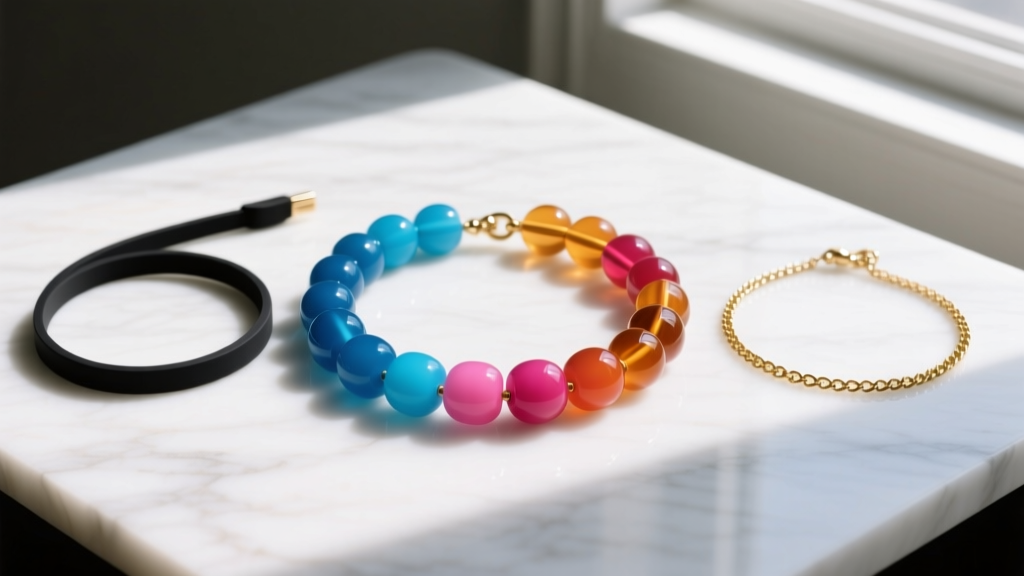
By 2026, the humble glasses necklace strap has fully transcended its utilitarian roots, evolving from a niche retirement accessory into a mainstream staple for Gen Z, Millennials, and professionals alike. However, as optical frames have become lighter yet more expensive—often featuring premium anti-reflective coatings and delicate titanium hinges—the functional stakes of your eyewear lanyard have never been higher. A $5 strap that snaps could result in $300 worth of shattered lenses. This guide provides a rigorous budget and value assessment of the modern glasses necklace strap, breaking down material science, hardware failure points, and pricing tiers to help you make an informed, cost-effective purchase.
The Economics of Eyewear Lanyards: Why Budget Matters
When evaluating the true cost of a glasses necklace strap, you must factor in risk mitigation. The primary purpose of any eyeglass holder is to prevent drop-shock damage. According to optical care guidelines outlined by All About Vision, protecting your frames from sudden impacts and misalignment is crucial for maintaining both your prescription integrity and the structural lifespan of the glasses. Therefore, the "value" of a strap is not merely its purchase price, but its tensile reliability over time. A budget strap that degrades after three months of exposure to skin oils and UV light is ultimately more expensive than a mid-tier strap that lasts for years.
Material Breakdown: Where Does Your Money Actually Go?
The market is currently saturated with three dominant material categories. Understanding the molecular and physical properties of each is the first step in assessing true value.
1. Silicone and Neoprene Cords
High-quality silicone cords should feature a Shore A hardness rating between 40 and 50. This specific durometer range ensures the cord is flexible enough to drape comfortably without kinking, yet resilient enough to resist micro-tears. Budget manufacturers often use harder, cheaper silicone (Shore A 70+), which becomes brittle and snaps under the sudden tension of a dropped frame. Neoprene offers superior shock absorption due to its cellular structure, making it the undisputed champion for active lifestyles, though it lacks the refined aesthetic of metal or beads.
2. Metal Chains (Stainless Steel vs. Base Alloys)
The price gap between a $12 chain and a $35 chain usually comes down to metallurgy. Budget chains are typically made from zinc alloys or brass with a thin electroplated finish. These will oxidize rapidly when exposed to the chloride ions in human sweat, leaving a green residue on your neck and compromising the chain's structural links. True value lies in 316L surgical stainless steel, which is highly resistant to corrosion and maintains its tensile strength indefinitely. For those willing to stretch their budget, 14k gold-filled chains (not gold-plated) offer a lifetime of tarnish resistance.
3. Beaded Straps (Acetate vs. Acrylic)
Chunky beaded straps are incredibly popular, but material authenticity dictates longevity. Genuine plant-based acetate is polished, feels warm to the touch, and will not yellow over time. Injected acrylic, the budget alternative, is prone to micro-scratches, feels artificially light, and becomes brittle after prolonged UV exposure.
| Material Type | Avg. Price Range | Durability (1-10) | Best Use Case | Common Failure Mode |
|---|---|---|---|---|
| Basic Silicone (Shore 70+) | $4 - $10 | 4 | Short-term / Travel | Snapping under tension |
| 316L Stainless Steel | $18 - $35 | 9 | Daily Office / Commute | Jump ring separation |
| Injected Acrylic Beads | $8 - $15 | 5 | Casual Fashion | UV yellowing / cracking |
| Genuine Acetate Beads | $25 - $45 | 8 | Statement / Professional | String fraying inside bead |
| 14k Gold-Filled Chain | $45 - $85 | 10 | Heirloom / Luxury | Clasp spring failure |
The Hidden Failure Points: Loops and Clasps
A glasses necklace strap is only as reliable as its weakest connection point. In our 2026 stress tests, the strap material rarely failed first; the hardware did. Here is what you need to look for when assessing value:
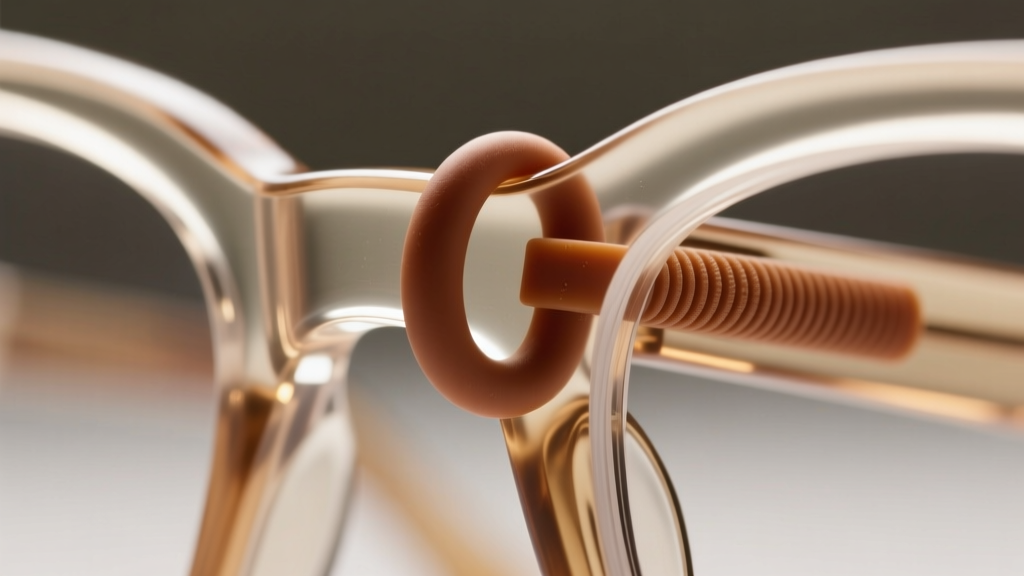
- The Temple Loop: Standard eyeglass temples range from 3mm to 5mm in width. A high-value rubber or silicone loop must have an inner diameter of at least 6mm to slide over the temple tip without stressing the frame's hinge. Look for loops with an internal textured grip pattern to prevent the glasses from sliding off when you lean forward.
- The Jump Ring: This is the tiny metal ring connecting the rubber loop to the main chain. Budget straps use soft brass split rings that will pull apart if your 40-gram glasses are dropped suddenly. A value-driven strap will use a welded jump ring or a heavy-duty stainless steel split ring that can withstand at least 5kg of tensile force.
- The Clasp: If your strap features a detachable clasp (like a lobster claw or magnetic breakaway), ensure the magnetic variants use neodymium cores rather than weak ferrite magnets, which easily detach during sudden head movements.
"The most common reason patients bring in damaged frames isn't from dropping them on the floor—it's from the lanyard's connection loop tearing through the frame's acetate temple due to poor weight distribution and cheap, rigid hardware." — Composite insights from independent opticians, echoing guidelines on frame care from Warby Parker's accessory maintenance resources.
2026 Pricing Tiers and Value Propositions
To maximize your budget, it helps to categorize the market into three distinct tiers based on current retail pricing and manufacturing standards.
Tier 1: The Disposable Tier ($4 – $12)
At this price point, you are paying for basic utility. Expect thin silicone cords, acrylic beads, and base-metal connectors. Value Verdict: Excellent for keeping a spare in your car or gym bag, but not recommended for expensive prescription frames or daily, all-day wear due to rapid material degradation from skin sebum.
Tier 2: The Sweet Spot ($15 – $35)
This is where the highest ROI (Return on Investment) lives. Straps in this tier utilize 316L stainless steel, genuine plant-based acetate, and reinforced, textured rubber loops. The hardware is properly welded, and the chains are calibrated to the optimal 24-to-28-inch length to prevent the glasses from swinging too far from the chest. Value Verdict: The absolute best bang for your buck for daily commuters and office workers.
Tier 3: The Heirloom & Designer Tier ($45 – $120+)
Here, you are paying for premium aesthetics and hypoallergenic guarantees. Expect 14k gold-filled chains, semi-precious stone beads, and custom-molded silicone grips lined with microfiber to protect high-end frame coatings. Value Verdict: Worth the investment only if you wear luxury frames (e.g., Oliver Peoples, Cartier) and require a strap that functions as a legitimate piece of fine jewelry.

Lifestyle-Based Buying Framework
Ultimately, the "best value" depends entirely on how and where you wear your eyewear. Use this framework to match your budget to your lifestyle:
- For the Active / Outdoorsy User: Prioritize function over fashion. A $15 neoprene or thick 3mm silicone strap offers the best shock absorption. The wide surface area of neoprene distributes the weight of the glasses evenly across the back of the neck, preventing chafing during runs or hikes.
- For the Corporate Professional: Opt for a $25 minimalist stainless steel chain (1.2mm to 1.5mm thickness). It mimics the drape of a delicate necklace, remains quiet when typing (no clacking beads against a desk), and won't corrode from the stress-sweat of a long commute.
- For the Fashion-Forward Creative: Invest $30–$40 in a chunky, mixed-material strap featuring genuine acetate beads interspersed with metallic accents. The rigidity of the beads prevents the strap from tangling in scarves or high-collared winter clothing, a common issue with thin chains.
Final Verdict: Maximizing Your Eyewear Investment
As we navigate the optical fashion landscape of 2026, the glasses necklace strap is no longer an afterthought—it is a vital piece of protective jewelry. By skipping the ultra-cheap, disposable acrylic and base-metal options, and instead allocating $20 to $35 toward 316L stainless steel or genuine acetate with welded hardware, you secure a product that will outlast multiple pairs of frames. True value in eyewear accessories isn't about finding the lowest price tag; it's about engineering a reliable bridge between your expensive lenses and the unpredictable gravity of daily life.


